

 Buy with Prime
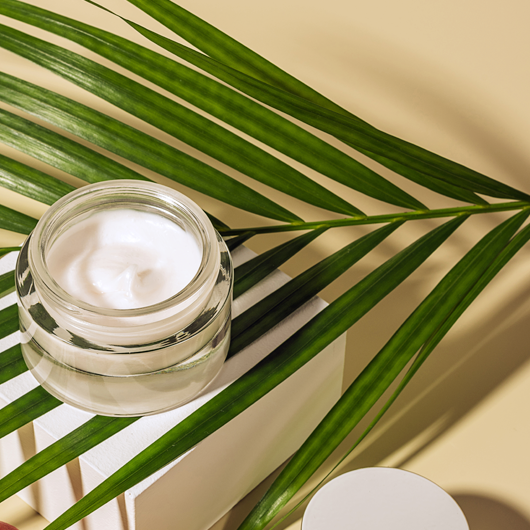


2.5% Retinol Moisturizer tutorial
2.5% Retinol Moisturizer Tutorial: The Step-by-Step Guide to Real, Lasting Results
Apply the 2.5% Retinol Moisturizer every third evening for weeks one and two using the buffering method: moisturizer first, retinol second, moisturizer on top. This sandwich technique reduces irritation while supporting the skin-renewal benefits that make retinol one of the most clinically validated ingredients in anti-aging skincare.
Understanding 2.5% Retinol Moisturizer: Why Concentration Matters
What Makes 2.5% a Strong Starting Point
Most over-the-counter retinol formulas sit between 0.025% and 1%. At 2.5%, you're working with a higher concentration that can support collagen production and smoother-looking skin without a prescription. Many users notice brighter tone and softened fine lines within eight to twelve weeks with consistent use--especially when irritation is well managed from the start.
How Retinol Works at the Cellular Level
Retinol converts to retinoic acid inside skin cells, then binds to nuclear receptors that influence gene expression. This supports collagen synthesis and speeds the shedding of dull, pigmented surface cells. You're not covering up signs of aging--you're actively influencing how skin functions over time. That's a meaningful distinction.
Why a Moisturizer Format Works Well for Reactive Skin
A serum base delivers retinol quickly, which can stress the skin barrier before it's had a chance to adapt. A moisturizer format surrounds retinol in emollients and humectants, slowing absorption and giving the barrier more time to adjust. For reactive skin, that built-in buffering often makes consistent use far more achievable. Pairing the 2.5% Retinol Moisturizer with a hydrating ingredient like sodium hyaluronate powder can soothe even further.
The Complete Step-by-Step Application Tutorial
Preparing Your Skin: The Pre-Application Ritual
Cleanse with a gentle, pH-balanced cleanser, then wait 20 to 30 minutes before applying retinol. Damp skin increases penetration and raises irritation risk. Fully dry skin absorbs retinol at a more controlled rate--and that control matters at 2.5%.
The Sandwich Technique: Your Tolerance-Building Method
Moisturizer first. Retinol second. Moisturizer third. This three-layer approach softens the initial impact on the barrier while still supporting long-term results. Use a pea-sized amount for your entire face--more product doesn't speed results, it just increases the chance of a flare-up.
Evening Routine: Exact Application Order
- Cleanse and pat completely dry.
- Wait 20 to 30 minutes.
- Apply a base moisturizer (thin layer).
- Apply 2.5% Retinol Moisturizer (pea-sized amount; avoid the eyelids and lash line).
- Seal with a second thin moisturizer layer if skin feels tight.
- Skip strong actives on retinol nights: no vitamin C, no AHAs, no BHAs. Your skin can only handle so much at once, and stacking actives raises barrier stress significantly.
Building Your Retinol Tolerance: A Frequency Progression Guide for Every Skin Type
Week 1-2: The Introduction Phase (Start Slow, Start Smart)
Less is genuinely more here. Apply once every three nights. Your skin needs time to adjust, and pushing frequency too early doesn't speed results--it tends to increase dryness and irritation, which is exactly what causes most people to abandon retinol before they see any change.
Week 3-4: Gradual Frequency Buildup for Oily and Combination Skin
Oily skin often tolerates a faster progression. By week three, you may move to every other night if there's no flaking or tightness. Combination skin tends to do better staying at every third night through week four and adding one additional application only after prior use causes no visible reaction.
Sensitive Skin Progression: An Extended Timeline with Botanical Support
Sensitive skin often benefits from a six-week introduction phase rather than four. Pair each application with a calming moisturizer containing bisabolol or oat extract to reduce transepidermal water loss during adjustment. Our Teprenone Serum Booster is a good complement here--it supports cellular resilience through a pathway that doesn't compete with retinol.
How to Know When You're Ready to Increase Frequency
Two consecutive applications with no tightness, flaking, or redness within 48 hours? That's your green light. One rule I always stress: never increase concentration and frequency at the same time. Change one variable at a time, and your skin will tell you exactly what it can handle.
Managing Retinization: What to Expect During the Adjustment Phase
Understanding the Retinol Purge
Faster cell turnover can push existing congestion to the surface sooner than usual. Temporary breakouts during weeks two through four happen for some users. This phase typically settles within three to six weeks as skin clears that backlog--it's a sign the retinol is doing its job, not a reason to quit.
Common Irritation Symptoms and How Skin Perfection Addresses Them
Mild flaking, tightness, and temporary redness are all normal. Burning, raw skin, or persistent inflammation are signals to reduce frequency or pause use and focus on barrier repair. That's exactly why our 2.5% Retinol Moisturizer pairs retinol with peptides and calming plant extracts--so the adjustment is more manageable than it would be with a bare retinol serum. For additional peptide nourishment, our Syn-Coll Peptide Serum Booster works beautifully on non-retinol nights.
Peptide Support on Non-Retinol Nights
Peptides like Matrixyl support collagen through a different signaling route than retinol, so they complement each other without competing. Using a peptide serum on alternate nights keeps your skin actively supported while giving the barrier a night off from retinol. Steady progress without overload--that's the goal.
Maximizing Results: SPF, Smart Pairings, and LED Therapy
Why Morning SPF Isn't Optional
Retinoids make skin more sensitive to UV exposure, particularly during the adjustment phase. Daily broad-spectrum SPF 30 or higher protects that newer, more delicate surface layer--and it directly supports the results you're building at night. You can't out-retinol sun damage. SPF isn't an add-on; it's part of the protocol.
What to Use (and What to Skip) on Retinol Nights
Hyaluronic acid, peptides, and niacinamide all pair well with retinol--they support hydration and barrier function without friction. On the same evening, skip AHAs, BHAs, benzoyl peroxide, and vitamin C if your skin is prone to irritation. Our Hyaluronic Acid Plumping Serum is designed as exactly this kind of supportive partner.
Red LED Therapy: A Smart Add-On for Visible Results
Red LED light supports firmer-looking skin through a completely different pathway than topical retinoids--photobiomodulation versus receptor-mediated gene expression. Used on non-retinol nights, it adds momentum without layering more topical actives onto skin that's already working hard. I've seen this combination produce noticeably faster improvements in texture and firmness for many of our customers.
Your Complete 24-Hour Skin Strategy
Morning supports protection: cleanser, vitamin C serum (if tolerated), moisturizer, and SPF 30 or higher. Evening supports renewal: cleanse, wait, buffer, apply the 2.5% Retinol Moisturizer, then seal. On non-retinol nights, use a peptide serum and a nourishing botanical moisturizer. This rhythm lets the skin make steady progress without getting overwhelmed.
Putting It All Together: Your Retinol Journey Starts Here
This tutorial is designed to remove the guesswork that causes most people to quit before they see any real change. The difference between those who get results and those who don't usually isn't the product--it's the method and the patience to stick with it.
Start with every-third-night application using the sandwich technique. Protect your skin each morning with SPF. Add peptide support on alternate nights. Bring in red LED therapy if you want an additional tool that won't stress the barrier. Each step builds a routine that works below the surface, not only on top of it.
Our 2.5% Retinol Moisturizer delivers high-concentration retinol in a format designed to respect the barrier, paired with botanical calming agents that make the adjustment phase more manageable. You don't have to choose between results and comfort--that tradeoff is exactly what we set out to solve. Learn more about how retinol works at the molecular level if you want to go deeper into the science.
Follow this protocol for twelve weeks. Track your skin's signals. Adjust frequency based on your own tolerance rather than a generic schedule. Your skin gives feedback constantly--this guide helps you respond to it with confidence.