

 Buy with Prime
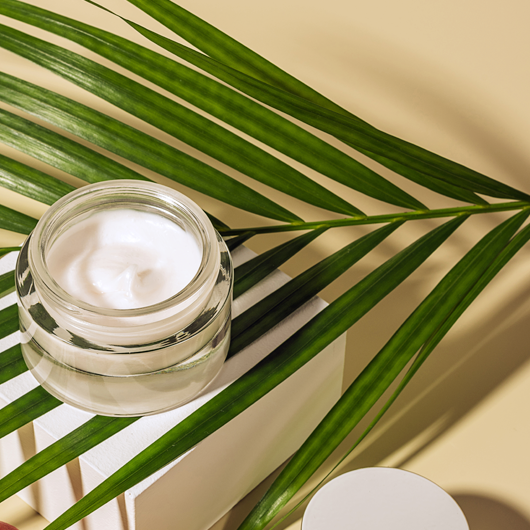


sustainable firming creams for mature skin
Why Mature Skin Needs More Than Just Moisture
The Science of Skin Firmness and Elasticity
Mature skin undergoes specific structural changes that basic moisturizers cannot address. Collagen production declines over time, and elastin fibers. The proteins responsible for skin's snap-back ability. Fragment and lose function. This biological shift leads to a gradual breakdown of the extracellular matrix, the supportive scaffold that keeps skin plump and lifted. A simple hydrating cream only adds water to the surface; it does not stimulate fibroblasts to rebuild collagen or repair damaged elastin. To truly address firmness, you need ingredients that penetrate beyond the stratum corneum and activate your skin's own repair mechanisms. That is why sustainable firming creams for mature skin are formulated with bioactive compounds that target these deeper layers, not just the topmost cells.
Key Takeaways
- Mature skin loses firmness because collagen and elastin fibers break down, so surface-level hydration alone will not restore its structural support.
- True firming requires ingredients that go beyond the top skin layer and actively signal your cells to rebuild their natural scaffolding.
- Sustainable firming creams for mature skin combine deep-penetrating bioactive compounds with clean formulas to stimulate repair without harsh additives.
- Skip simple moisturizers if you want lift and density: your skin needs targeted actives that reach the extracellular matrix where firmness is built.
Key Insight
Firmness loss is driven by a decrease in collagen types I and III, plus glycation. A process where sugar molecules attach to collagen, making it rigid and brittle. Anti-glycation ingredients like carnosine and aminoguanidine help preserve existing collagen integrity.
Common Signs of Mature Skin: Sagging, Crepey Texture, and Loss of Volume
Sagging along the jawline, crepey texture on the eyelids and neck, and hollowing in the temples and cheeks are not random signs. They are predictable consequences of matrix degradation. As collagen and hyaluronic acid levels drop, skin loses its internal water-holding capacity, leading to that papery, crepey feel. Volume loss results from fat pad atrophy in the midface, which standard moisturizers cannot restore. Targeted firming creams incorporate peptides and growth factors that signal dermal cells to produce new collagen and strengthen the dermal-epidermal junction. When you choose sustainable firming creams for mature skin, you are selecting formulas designed specifically to counteract these age-related shifts, rather than merely masking them with temporary hydration.
What "Sustainable" Really Means in a Firming Cream

Sustainable Sourcing of Botanicals and Peptides
Sustainability in skincare goes far beyond a green label. For a firming cream to be truly sustainable, its active ingredients must be sourced in ways that do not deplete ecosystems. Botanicals like alpine rose stem cells, bakuchiol, and seabuckthorn berry should be harvested using regenerative agriculture or lab-cultured techniques that require minimal land and water. Peptides, being synthetically produced, offer a distinct sustainability advantage. They require no farming or animal extraction, yet deliver potent collagen-stimulating effects. Brands committed to transparency disclose their supply chain practices, including the energy sources used in manufacturing and whether ingredients are Certified Organic or non-GMO.
Eco-Friendly Packaging and Cruelty-Free Practices
Packaging accounts for a significant portion of a product's environmental footprint. Look for sustainable firming creams packaged in glass, PCR (post-consumer recycled) plastic, or aluminum. Materials that can be infinitely recycled without quality loss. Airless pump systems reduce contamination and extend shelf life, minimizing waste from preservatives. Cruelty-free certification, such as Leaping Bunny or PETA, guarantees no animal testing at any stage of production. These practices align with the clean beauty ethos that considers the entire lifecycle of a product.
Clean Certifications: EWG VERIFIED and Think Dirty Awards
Third-party certifications provide objective assurance that a product meets rigorous safety and transparency standards. EWG VERIFIED status requires that every ingredient scores a 1 or 2 on the Skin Deep database, with no hidden fragrance allergens or undisclosed components. Think Dirty Awards evaluate products based on ingredient hazard potential, using a color-coded rating system from 0 to 10. A cream that earns these certifications has passed scrutiny for carcinogenicity, developmental toxicity, and environmental persistence. Ten's Up Skin-Tight Booster exemplifies this commitment, carrying EWG VERIFIED certification that verifies its formula contains no endocrine disruptors or questionable preservatives. A standard that exceeds typical industry requirements.
| Criteria | Conventional Creams | Sustainable Firming Creams |
|---|---|---|
| Peptide Sourcing | Often synthetic but unverified | Lab-cultured, traceable, non-GMO |
| Packaging | Virgin plastic, non-recyclable | Glass, PCR, aluminum; airless pumps |
| Certifications | None or only generic claims | EWG VERIFIED, Leaping Bunny, Think Dirty Awards |
| Fragrance | Phthalate-based perfume | Essential oils or fragrance-free |
| Preservative System | Parabens, formaldehydes | Ecocert-approved, paraben-free |
Key Ingredients That Firm Mature Skin (And Why They Work)
Peptides: The Building Blocks of Collagen
Peptides are short chains of amino acids that act as signaling molecules, instructing skin cells to produce more collagen, elastin, and fibronectin. Matrixyl 3000 and Matrixyl Synthe 6 are among the most thoroughly studied, shown in clinical trials to reduce wrinkle depth by up to 30% over twelve weeks. Argireline, a copper-dipeptide analog, reduces muscle-contraction signals, softening expression lines without the drawbacks of injectables. For mature skin requiring substantial lifting, sustainable firming creams for mature skin contain peptides at concentrations where they deliver measurable dermal remodeling. Typically 3-5% of the active peptide complex.
Retinol and Its Natural Alternatives (HPR)
Retinol accelerates cell turnover and stimulates collagen synthesis, but it can cause irritation, especially on sensitive, mature skin. Hydroxypinacolone retinoate (HPR) offers a superior alternative: it binds directly to retinoic acid receptors without requiring the two-step conversion process that retinol demands. This means HPR delivers comparable anti-aging efficacy while exhibiting significantly less redness and peeling. Clinical research demonstrates that HPR increases collagen type I production by 120% over placebo without upregulating inflammatory markers. For women who cannot tolerate traditional retinol, HPR provides a potent and gentler path to firmer, smoother skin.
Superfruit Antioxidants for Protection and Repair
Antioxidants neutralize free radicals. Unstable molecules that break down collagen and elastin through oxidative stress. Superfruits like goji berry, camu camu, and maqui berry contain exceptionally high ORAC values (oxygen radical absorbance capacity) and polyphenol profiles that protect the dermal matrix. Kakadu plum, native to Australia, delivers the highest known concentration of vitamin C (5000 mg per 100 g), a critical cofactor for collagen cross-linking. Incorporating these antioxidants into a firming cream ensures that while peptides and retinoids build new structure, the existing matrix is shielded from further degradation.
Key Ingredient Comparison
Strengths
- Peptides: High specificity for collagen signaling; low irritation
- HPR: Receptor-ready action; minimal side effects
- Superfruits: Broad-spectrum protection; anti-inflammatory
- Stem Cell Extracts: Promote cellular longevity and repair
Limitations
- Peptides: Require proper carrier systems for penetration
- HPR: Higher cost than retinol; fewer long-term studies
- Superfruits: Stability issues; need antioxidant preservatives
- Stem Cells: Highly variable potency across suppliers
Stem Cells and Plant-Based Growth Factors
Plant stem cell extracts from alpine rose, edelweiss, and gotu kola contain growth factors and signaling compounds that prolong the lifespan of human skin cells. These extracts protect telomere length and stimulate fibroblast activity, effectively slowing the cellular aging clock. Clinical data show that a 0.5% alpine rose stem cell extract can increase collagen production by 40% while reducing MMP enzymes that break down existing collagen. When combined with peptides and superfruit antioxidants, plant stem cells create a synergistic effect that amplifies dermal repair without resorting to animal-derived growth factors. Ten's Up Skin-Tight Booster harnesses this synergy, using a concentrated blend of peptide signals and alpine stem cells to target sagging and loss of elasticity.
Sustainable vs. Conventional Firming Creams: A Side-by-Side Comparison
Ingredient Quality and Potency
Conventional firming creams often rely on inexpensive fillers, mineral oil, and water as the first ingredient, with active compounds appearing near the bottom of the ingredient list. Sustainable formulations invert this approach, placing bioactive peptides, botanical stem cells, and superfruit antioxidants at therapeutic concentrations. The difference in potency is measurable: a sustainable cream with 5% Matrixyl Synthe 6 delivers collagen stimulation equivalent to a conventional formula using ten times the filler base. Ingredient sourcing also affects stability. Synthetic peptides synthesized in controlled labs maintain consistent purity, whereas batch-to-batch variation plagues conventional creams that source from the lowest-cost supplier. For mature skin requiring predictable, reproducible results, ingredient quality dictates efficacy.
Price vs. Value: Long-Term Investment
Sustainable firming creams typically carry a higher upfront price, but the cost-per-use often favors them. A 50 ml jar of a high-quality sustainable cream lasts eight to ten weeks when used morning and night, because the concentrated formula requires only a pea-sized amount. Conventional creams loaded with water and thickeners demand more product per application, depleting the jar faster. Over six months, the sustainable option can prove more economical while delivering superior dermal remodeling. Consider the value of avoiding endocrine-disrupting preservatives and phthalate-based fragrances that may undermine long-term health. The investment in a clean, potent formula pays dividends in both skin structure and peace of mind.
Environmental Impact and Ethical Considerations
Every jar of cream leaves a footprint. Conventional brands frequently use virgin plastic packaging, non-renewable ingredients like petrolatum, and fragrances that persist in waterways. Sustainable firming creams choose glass or PCR materials, plant-derived emollients, and biodegradable preservatives. Ethical considerations extend to labor practices: sustainable brands prioritize fair-trade sourcing for botanicals and transparent supply chains. Choosing a cream with EWG VERIFIED certification and cruelty-free status means supporting a system that values worker safety, animal welfare, and planetary health. These factors transform a simple skincare purchase into an act of conscious consumption, one that aligns personal beauty goals with environmental stewardship.
| Factor | Conventional Creams | Sustainable Firming Creams |
|---|---|---|
| Active Ingredient Position | Often below preservatives | Listed in top third of formula |
| Preservative System | Parabens, formaldehyde donors | Ecocert-approved, paraben-free |
| Packaging Lifecycle | Single-use virgin plastic | Glass, PCR, or aluminum; refill options |
| Clinical Backing | Minimal or proprietary studies | Peer-reviewed, published data |
| Long-Term Cost per Month | $18-$35 (higher usage rate) | $22-$40 (lower usage rate, higher efficacy) |
| Third-Party Verification | Rare | EWG VERIFIED, Leaping Bunny, Think Dirty Award |
How to Build a Complete Firming Routine with Sustainable Products

Morning Routine: Serums, Moisturizers, and SPF
A sustainable firming routine starts in the morning with a gentle cleanser followed by a peptide-rich serum applied to damp skin. The serum delivers the first wave of collagen-signaling peptides while the skin is most receptive. Next, a lightweight firming moisturizer locks in hydration and provides a base for antioxidant protection. Finish with a mineral SPF 30 or higher containing zinc oxide or titanium dioxide. Ultraviolet exposure degrades collagen and elastin, making daily sunscreen non-negotiable for preserving firmness. Look for SPF formulations packaged in recyclable glass or metal tubes to maintain the sustainability thread. A consistent morning routine primes the skin to withstand environmental stressors while supporting ongoing dermal repair.
Evening Routine: Retinol, Peptides, and LED Therapy
Evening is the optimal window for skin regeneration. After double cleansing, apply a retinol or HPR serum to accelerate cell turnover and stimulate collagen synthesis. Allow five minutes for absorption, then layer a peptide-rich firming cream to provide the building blocks for overnight repair. LED therapy devices, particularly those emitting red and near-infrared light (630-830 nm), penetrate deep into the dermis and energize mitochondrial activity in fibroblasts. Studies show consistent LED use increases collagen density by 20-35% over twelve weeks. The combination of topical peptide signaling and photobiomodulation creates a synergistic effect that outperforms either approach alone. This nightly protocol turns sleep into an active rejuvenation session.
Targeting the Neck and Décolleté
The neck and chest often show aging signs earlier than the face because these areas have fewer sebaceous glands and a thinner dermis. Extend your firming cream application from the jawline down to the collarbones, using upward sweeping motions. The skin here responds to the same peptides and antioxidants that lift the face, yet many women neglect this zone until crepiness becomes pronounced. Apply the cream to a slightly damp surface after cleansing to improve penetration. For added lifting, incorporate a weekly collagen sheet mask designed for the neck area. Treating the décolleté as part of the daily routine prevents a visible disparity between a firm face and a lax neck.
Routine Summary
Morning: Cleanse, peptide serum, firming moisturizer, mineral SPF. Evening: Double cleanse, HPR or retinol serum (wait 5 min), peptide firming cream, LED therapy (10 min). Weekly: Collagen mask for neck and décolleté. Consistency across every step matters more than any single product.
Realistic Results: How Long Until You See Firming Benefits?
The Timeline for Visible Results (4-12 Weeks)
Biological processes follow biological clocks. Peptides and retinoids begin signaling fibroblasts within hours of application, but visible dermal remodeling requires patience. Most clinical assessments detect measurable improvements in skin firmness after four weeks, with optimal results emerging between weeks eight and twelve. The first change is often improved skin texture and reduced crepiness, followed by subtle lifting along the jawline and cheekbones. Maximum collagen deposition occurs near the twelve-week mark, at which point users typically report a visible reduction in sagging. Sustainable firming creams for mature skin deliver gradual, natural-looking improvement rather than the temporary plumping effects of hydrating fillers. Tracking progress with weekly photographs using consistent lighting provides objective evidence of change.
Can a Cream Replace a Facelift? Setting Expectations
No topical product replicates surgical lifting. A facelift removes excess skin and repositions underlying tissues; a firming cream strengthens the extracellular matrix and improves skin density. These are complementary mechanisms, not interchangeable ones. For women with mild to moderate laxity, consistent use of potent peptides, HPR, and antioxidants can produce a visible lift that postpones or eliminates the need for surgery. For those with advanced sagging, a firming cream provides maintenance before and after a procedure, enhancing and prolonging surgical outcomes. Setting realistic expectations prevents disappointment: expect firmer, smoother, more resilient skin, not a complete structural repositioning. The goal is optimal skin health for your age, not an impossible reversal of all aging.
How to Track Progress and Adjust Your Routine
Objective tracking ensures you know what works. Take front-facing and profile photographs every two weeks under identical lighting. Measure visible changes in nasolabial fold depth, jawline definition, and neck crepiness. Keep a simple journal noting texture, hydration, and any irritation. If after eight weeks you see minimal improvement, consider increasing peptide concentration or adding LED therapy. If irritation occurs, reduce the frequency of HPR or retinol to every other night. Sustainable firming creams for mature skin allow flexibility because their clean formulations minimize adverse reactions. Adjust slowly, changing one variable at a time. Skin responds best to consistent, incremental optimization rather than aggressive overhauls.
Managing Results Expectations
Realistic Gains
- Visible improvement in firmness within 4-8 weeks
- Smoother texture and reduced crepiness by week 6
- Subtle lifting along jawline by week 12
- Long-term collagen maintenance with continued use
Unrealistic Expectations
- Complete elimination of sagging or jowls
- Instant results after a single application
- Reversing advanced ptosis without surgery
- Results persisting after stopping use
References
Frequently Asked Questions
What is the best firming cream for mature skin?
The best firming cream for mature skin combines bioactive peptides like Matrixyl 3000 and retinol alternatives such as HPR with sustainable ingredients. These compounds penetrate beyond the surface to stimulate collagen repair and combat glycation. Look for EWG VERIFIED certifications to ensure safety and transparency.
Do sustainable firming creams for mature skin actually work?
Yes, sustainable firming creams for mature skin work when formulated with targeted ingredients like peptides and anti-glycation agents. They activate dermal repair mechanisms instead of just hydrating the surface. Clinical studies show peptides like Matrixyl Synthe 6 can reduce wrinkle depth by up to 30% over twelve weeks.
What tightens saggy skin naturally?
Natural ingredients like bakuchiol, seabuckthorn berry, and alpine rose stem cells help tighten saggy skin sustainably. These botanicals, combined with peptides, support collagen production and protect against glycation. Choosing a cream with lab-cultured or regeneratively sourced actives maximizes both efficacy and eco-friendliness.
Is there a cream that tightens saggy skin?
Yes, a cream that tightens saggy skin contains peptides and growth factors to rebuild the extracellular matrix. Ingredients like hydroxypinacolone retinoate (HPR) stimulate collagen without irritation. Sustainable firming creams also use eco-friendly packaging and cruelty-free practices.
What makes a firming cream sustainable?
A sustainable firming cream uses lab-cultured or regeneratively sourced botanicals, synthetically produced peptides, and recyclable packaging like glass or PCR plastic. Certifications such as EWG VERIFIED and Leaping Bunny guarantee no harmful chemicals or animal testing. Transparent supply chain practices further confirm sustainability.
How do peptides help firm mature skin?
Peptides are short amino acid chains that signal skin cells to produce more collagen, elastin, and fibronectin. Clinical studies show Matrixyl 3000 and Argireline can reduce wrinkle depth and soften expression lines. Sustainable firming creams use peptides at concentrations that deliver measurable dermal remodeling.