

 Buy with Prime
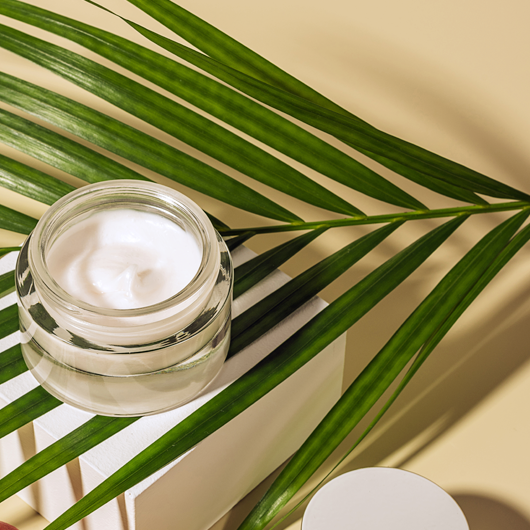


10% Glycolic Moisturizer with Alpha Hydroxy Acid tutorial
If your skin looks dull, uneven, or rough despite a consistent routine, glycolic acid may be the missing step. This 10% Glycolic Moisturizer with Alpha Hydroxy Acid tutorial explains how the exfoliating acid works, who may benefit, and how to introduce it while protecting your skin barrier.
Key Takeaways
- If your skin looks dull, uneven, or rough despite a consistent routine, glycolic acid may be the missing step.
- This 10% Glycolic Moisturizer with Alpha Hydroxy Acid tutorial explains how the exfoliating acid works, who may benefit, and how to introduce it while protecting your skin barrier.
- Glycolic acid gently exfoliates the outer layer of skin by removing dead skin cells, helping skin appear smoother and more even.
What is a 10% glycolic moisturizer?
A 10% glycolic moisturizer combines glycolic acid, naturally derived from sugarcane and one of the alpha hydroxy acids that include glycolic, malic, tartaric, and lactic acids, with moisturizing ingredients. Alpha Hydroxy Acid refers to a group of fruit acids. Glycolic acid gently exfoliates the outer layer of skin by removing dead skin cells, helping skin appear smoother and more even. At 10%, the formula calls for a gradual schedule, especially if you’re new to exfoliating acids.
This Skin Perfection 10% Glycolic Moisturizer with Alpha Hydroxy Acid is a nighttime skin-smoothing exfoliator intended to reduce dullness and promote glowing skin. It is paraben-free, sulfate-free, cruelty-free, and made in the USA. It contains 10% Glycolic Acid, collagen, glucosamine, honeysuckle, fructooligosaccharides, allantoin, aloe, witch hazel, vitamin A, vitamin E, and lemon. Collagen and glucosamine hydrate skin and improve the appearance of natural fullness and volume. It was a 2025 Think Dirty Awards Finalist.
Apply a thin layer at night after cleansing. Keep it away from the eyelids, lips, broken skin, and irritated areas. A patch test can help you identify sensitivity before applying the product more broadly.
What are the benefits of a glycolic acid moisturizer?


Regular, well-tolerated exfoliation may improve the look of rough texture, dullness, and uneven tone. The moisturizer is designed to brighten and improve complexion by revealing fresh, healthy-looking skin. Glycolic acid does not replace moisturization; the moisturizer component helps provide moisture during the routine.
If your skin needs additional water retention, consider Sodium Hyaluronate Powder Pure Hyaluronic Acid, a cosmetic formulation ingredient suitable for serums, creams, lotions, and toners.
Peptides can remain part of an anti-aging routine, but separate them from glycolic acid at first. A peptide serum booster used on alternate nights gives you a clearer way to assess how your skin responds to each active.
How do you build a safe glycolic routine?
A safe routine starts with fewer active ingredients, not more. Cleanse with a mild, non-abrasive face wash, such as an Alpha Hydroxy Probiotic Cleanser. Dry your skin fully, apply the glycolic moisturizer in a thin layer, and use it once weekly at first.
- Check your skin: Wait until sunburn, broken skin, and active irritation have settled.
- Apply at night: Use a small amount on clean, dry skin and avoid sensitive areas.
- Keep the rest of the routine calm: Do not initially combine it with retinoids, benzoyl peroxide, strong vitamin C, scrubs, or other exfoliating acids.
- Increase slowly: Move to twice-weekly use only if your skin remains comfortable.
- Protect your progress: Apply moisturizer and broad-spectrum sunscreen every morning.
Keep peptide serum, retinoids, and other active treatments on separate nights until you understand your tolerance. Stinging that persists, marked redness, or peeling means you should pause and simplify your routine. A dermatologist can help if irritation continues.
References
Frequently Asked Questions
Can I use a 10% glycolic moisturizer every day?
Daily use is not automatically appropriate. Begin once weekly and increase only if your skin remains calm and comfortable.
Should I apply it in the morning or at night?
Nighttime is the most practical choice. Use daytime sun protection as part of your routine.
Who should avoid it?
Anyone with broken skin, sunburn, or an actively irritated skin barrier should wait before using an exfoliant and seek professional guidance when appropriate.