

 Buy with Prime
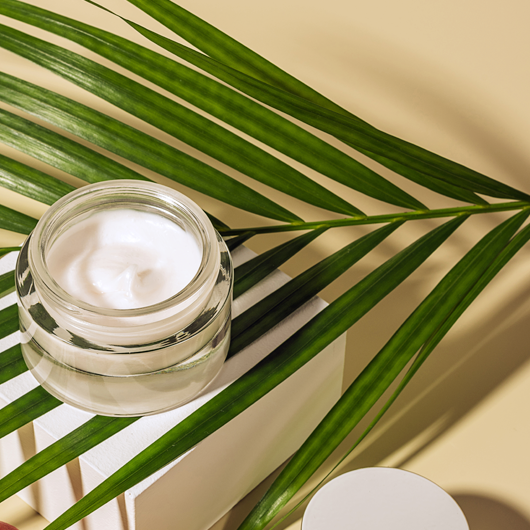


natural skin smoothing serum for textured skin
Textured skin can look more noticeable when dehydration, surface buildup, congestion, sun exposure, or age-related changes affect the complexion. A natural skin smoothing serum for textured skin can support a softer, more even-looking appearance when its ingredients match your needs. The right formula depends on whether your skin needs hydration, antioxidant support, peptide care, or gentle exfoliation.
Key Takeaways
- Textured skin can look more noticeable when dehydration, surface buildup, congestion, sun exposure, or age-related changes affect the complexion.
- A natural skin smoothing serum for textured skin can support a softer, more even-looking appearance when its ingredients match your needs.
- The right formula depends on whether your skin needs hydration, antioxidant support, peptide care, or gentle exfoliation.
A serum supports the appearance of skin but cannot diagnose persistent bumps, irritation, or sudden changes. Read the ingredient list, introduce new products gradually, and give your skin time to respond.
What Is a Natural Skin Smoothing Serum?
A natural skin smoothing serum is a lightweight cosmetic formula designed to support a more even-looking complexion. “Natural” describes an ingredient approach, not a complete quality standard. Responsible preservation, clear labeling, and barrier support matter alongside botanical ingredients.
Texture has several possible contributors. Dehydration can make pores and fine lines look more pronounced, while surface buildup may leave skin feeling rough. Oil, inflammation, hormonal shifts, sun exposure, and age-related changes can also affect the appearance of smoothness.
Common ingredients include niacinamide, vitamin C, peptides, humectants, and selected exfoliating acids. Apply serum after cleansing and before moisturizer. During the day, broad-spectrum sunscreen helps protect the appearance you are working to maintain. For targeted barrier and tone support, consider a 10% niacinamide serum.
What Are the Benefits for Textured Skin?

A smoothing serum may help skin look softer, more supple, and more even, depending on its formula and your skin’s condition. Hydrators temporarily soften the look of dryness, antioxidants support a brighter-looking complexion, and peptides are commonly used to support the appearance of firmness. These are cosmetic benefits, not treatment for every cause of bumps or irritation.
Hydration and Barrier Support
Aloe and glycerin attract and hold moisture at the skin’s surface. By softening the look of dryness, humectants can make rough texture less noticeable. A hyaluronic acid plumping serum can be followed with moisturizer if your skin needs additional comfort.
Antioxidants, Niacinamide, and Peptides
Vitamin C and other antioxidants are often included in radiance-focused formulas. Niacinamide, a form of vitamin B3, is used in cosmetic products to support the appearance of an even complexion and a healthy-looking barrier. Peptides are short chains of amino acids; their cosmetic role depends on the specific peptide and finished formula. Skin Perfection focuses on concentrated peptide blends and ingredient transparency rather than relying on one headline ingredient.
Gentle Exfoliation
Alpha hydroxy acids, including lactic acid, loosen surface buildup in cosmetic formulas. Beta hydroxy acids, such as salicylic acid, offer another option, while polyhydroxy acids may suit people seeking a milder exfoliating step.
Use one exfoliating product at a time and follow its directions. More active products do not automatically produce better results; irritation can make texture look worse. Apply broad-spectrum SPF during the day, especially when using exfoliating ingredients or retinoids.
How to Add a Smoothing Serum to Your Routine
- Cleanse with a product that leaves your skin comfortable rather than tight.
- Apply the serum as directed, usually to clean skin.
- Follow with moisturizer to support a comfortable barrier.
- Apply broad-spectrum SPF every morning.
- Patch test new products and stop using them if persistent burning, swelling, or a rash develops.
Key Insight
Match the ingredient to the concern and give one change time to show you how your skin responds. A focused routine is easier to assess than a crowded shelf. Like adjusting a recipe, changing one variable at a time reveals what works.
Research on skin roughness and moisturizers helps place cosmetic claims in context. A serum can support the look and feel of skin, but it does not address every dermatological condition.
Sun exposure contributes to visible age-related changes, so broad-spectrum SPF belongs in a texture-focused routine. Retinoids are another ingredient category studied for visible photoaging; introduce them gradually and follow product directions. If bumps are painful, itchy, spreading, or persistent, consult a qualified dermatologist.
For information about skin texture and topical retinol, review the available clinical literature and discuss retinoid use with a qualified professional.
References
- https://pubmed.ncbi.nlm.nih.gov/?term=topical+retinoids+photoaging
- https://pubmed.ncbi.nlm.nih.gov/?term=alpha+hydroxy+acids+skin+aging
- https://pubmed.ncbi.nlm.nih.gov/?term=niacinamide+topical+skin+aging
- https://pmc.ncbi.nlm.nih.gov/articles/PMC2699644/
- https://pubmed.ncbi.nlm.nih.gov/?term=skin+roughness+moisturizer+clinical+trial
- https://medlineplus.gov/skinaging.html