

 Buy with Prime
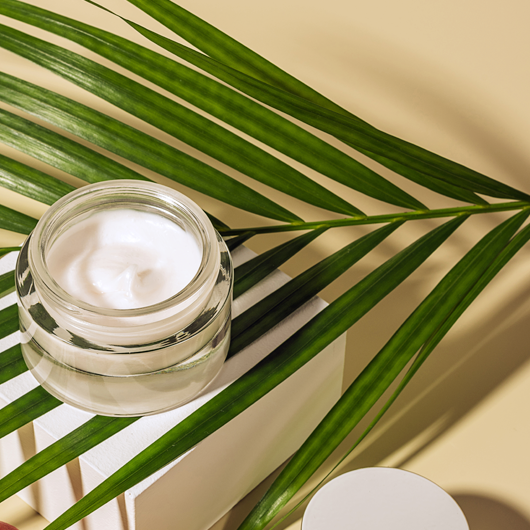


Top anti-aging boosters for redness-prone skin?
If you’re looking for anti-aging support without aggravating facial redness, begin with barrier-friendly ingredients. Peptides, humectants, soothing antioxidants, and carefully selected non-topical treatments can support smoother-looking, hydrated skin while you avoid unnecessary irritation.
Key Takeaways
- Anti-aging boosters are targeted skincare ingredients or concentrated treatments that support the appearance of hydration, firmness, and smoother texture.
- For redness-prone skin, the best options are those that work without relying on aggressive exfoliation.
- If redness is persistent or accompanied by discomfort, a dermatologist can help identify the cause before you add new actives.
I’m Kari Thomas, founder of Skin Perfection. I believe effective skincare starts with understanding how an ingredient works and how your skin responds. That means choosing concentrated actives thoughtfully rather than chasing exaggerated label promises.
What are anti-aging boosters for redness-prone skin?
Anti-aging boosters are targeted skincare ingredients or concentrated treatments that support the appearance of hydration, firmness, and smoother texture. For redness-prone skin, the best options are those that work without relying on aggressive exfoliation. Peptides, bakuchiol serum booster, soothing antioxidants, and red light therapy are cosmetic options to consider, although tolerance and results vary.
Peptides are short chains of amino acids used in cosmetic formulas to support the look of firmer, smoother skin. For a targeted option, try this peptide cocktail anti-aging serum. Bakuchiol is another ingredient used in some routines as a retinol alternative. If redness is persistent or accompanied by discomfort, a dermatologist can help identify the cause before you add new actives.
What benefits can these boosters provide?

A well-chosen booster can support a calmer, more comfortable routine while addressing visible signs of aging. Peptide complexes are non-exfoliating, so they may suit routines where retinoids or acids feel too irritating. Humectants such as glycerin and hyaluronic acid attract water to the outer layers of skin, while emollients help soften dry, rough areas.
Antioxidants help protect against oxidative stress, and broad-spectrum sunscreen remains a foundational daytime step. Your skin doesn’t need the strongest routine; it needs one you can use consistently. Pair treatments with a fragrance-conscious moisturizer and reduce the number of new products if stinging or tightness develops.
How should you choose an anti-aging booster for redness-prone skin?
Choose a booster by assessing both its active ingredients and its effect on your skin barrier. Look for clearly identified peptides, hydrating ingredients, and antioxidant support in a formula that leaves skin comfortable rather than stripped. A 10% niacinamide serum may suit some ingredient-focused routines, but its higher concentration can feel irritating for certain people.
Your skin history matters. If flushing, stinging, or rosacea symptoms occur often, speak with a dermatologist before adding an active. Patch test near the jawline or behind the ear, introduce one product at a time, and use a barrier-supporting moisturizer. Think of your routine as a dimmer switch, not an on-off switch: gradual changes make it easier to identify what your skin accepts.
| Ingredient or treatment | Primary purpose | Best fit |
|---|---|---|
| Peptide complex | Non-exfoliating skincare ingredient | Dry, mature, or reactive skin |
| Bakuchiol | Retinol alternative | People seeking a gentler routine |
| Red light therapy | Non-topical cosmetic treatment | Those avoiding exfoliation |
How do you build a simple routine?
Apply a small amount to clean, dry skin according to the product label, then follow with a barrier-supporting moisturizer. Don’t start a peptide booster on the same night as a new retinoid, acid, or exfoliating scrub. Assess comfort and consistency over time instead of looking for an immediate tightening sensation.
Barrier function also influences how well skin tolerates active ingredients. Research discussing skin barrier function offers useful scientific context for a gentler routine.
References
- Clinical research on topical retinoids and photoaging.
- Clinical research on topical niacinamide and skin redness.
- Randomized clinical research on topical azelaic acid and rosacea.
Frequently Asked Questions
What causes redness in aging skin?
Redness can have several causes, including a weakened moisture barrier, rosacea, hormonal changes, sun exposure, weather changes, fragrance, and over-exfoliation. If redness is new, painful, itchy, swollen, or accompanied by eye symptoms, schedule an evaluation with a dermatologist.
Which anti-aging ingredients are suitable for rosacea-prone skin?
There is no single ingredient that suits every rosacea-prone skin. Peptides, glycerin, ceramides, squalane, and hyaluronic acid may be worth discussing with a dermatologist. Introduce one active at a time and patch test first.
Can retinol be used with redness and sensitivity?
Some people can tolerate retinol, depending on the formula, strength, frequency, and condition of the barrier. Begin slowly with professional guidance and stop if discomfort continues.
What are alternatives to retinol for sensitive skin?
Bakuchiol and peptide serums are ingredient options for people seeking a gentler routine. Red light devices may also suit users who prefer a non-topical treatment.