

 Buy with Prime
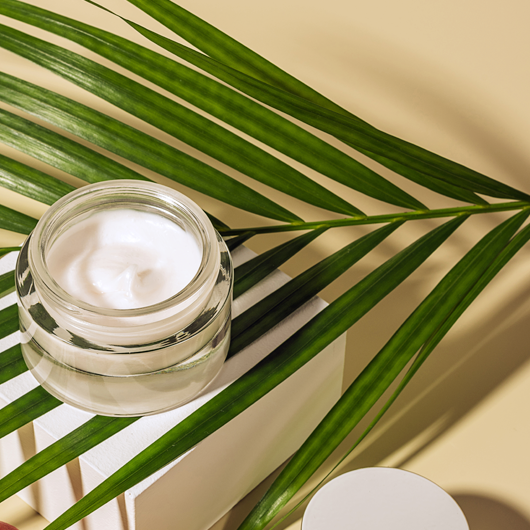


You've probably done the same thing a lot of people do with a new hyaluronic acid serum. You cleanse, pat on a little product, wait for something dramatic to happen, then wonder why your skin still feels flat or tight. The ingredient isn't broken, but the technique usually is. Hyaluronic acid works best when it has water to bind to and a moisturizer to seal it in, which is why application order matters so much in real routines (Cleveland Clinic).
Table of Contents
- What Hyaluronic Acid Does on Your Skin
- Choosing the Right Form and Concentration for Your Skin
- The Application Method That Actually Hydrates
- Layering HA With Retinol, Vitamin C, and Acids
- A DIY HA Serum You Can Mix in Minutes
- Common Mistakes That Make HA Feel Useless
- Safety, Patch Testing, and Adapting to Reactive Skin
What Hyaluronic Acid Does on Your Skin
The first thing to know about hyaluronic acid is that it is less about adding “more product” and more about helping water stay where your skin can use it. It binds water at the skin's surface, which can make skin look smoother and feel less parched when the rest of the routine supports it. Cleveland Clinic notes that hyaluronic acid is naturally present in the body and is commonly used in serums, creams, and other products, but the result depends on how it is applied, not just on owning a bottle of it (Cleveland Clinic).
Moisture magnet, not standalone moisturizer
Hyaluronic acid behaves like a sponge on a damp countertop. On skin that is already dry, it has less water to work with, so the effect can feel weaker than expected. That is why many usage guides point to slightly damp skin and a sealing layer afterward, so the water it attracts has somewhere to stay (Healthline).
Practical rule: HA is a hydrator, not a finish. It needs a moisture source and a top layer that slows water loss.
That difference matters because surface plumping is not the same thing as a moisturizer doing its job. A hyaluronic acid product can make skin look dewier quickly, but if you do not trap that water in place, the skin can feel unchanged a short time later.
For a closer look at how molecular size changes the feel of a formula, this guide on low molecular weight hyaluronic acid is a helpful companion. If you want to compare how hydrators and moisturizers are built into different product types, browse beauty hydration products and look at how each formula uses HA in context.

Choosing the Right Form and Concentration for Your Skin
Picking the right HA product is mostly about matching texture to routine. Serums, creams, toners, sheet masks, and powder all do different jobs, even if they share the same headline ingredient. A watery serum usually fits a simple routine, while a cream or mask can be easier for dry skin that wants more cushion. If you want a plain-language overview of product categories, facial skincare products explained from ProMD Health Bel Air is a useful reference point.
Format matters more than hype
Molecular size changes feel and placement. High-molecular-weight forms tend to sit more on the surface and feel more cushioning, while low-molecular-weight versions are often discussed for a lighter, more layered feel in formulas. The point isn't to chase a buzzword, it's to choose a texture that matches how much layering your skin will tolerate.
| Format | Typical Concentration | Best For |
|---|---|---|
| Watery serum | 0.1 to 2 percent | People who want a thin layer under moisturizer |
| Cream or moisturizer | Qualitative use, varies by formula | Dry skin that wants HA built into a richer base |
| Toner or essence | Lower, lightweight use | Oily or combination skin that dislikes heavy layers |
| Sheet mask | Formula-dependent | Short-term moisture boost in a leave-on format |
| Powder for DIY mixing | 0.1 to 2 percent | Formulators who want exact control over strength |
A product like HydroGlow Anti-Aging Night Mask shows how a leave-on mask can combine multiple forms of hyaluronic acid with other moisture-supporting ingredients in one overnight texture, which appeals to readers who don't want to build every layer themselves. For a quick note on concentration thinking in single-ingredient DIY, the format guide from this ascorbic acid powder category helps illustrate how ingredient form affects use, even when the active itself changes.
Match the texture to the skin you actually have
- Oily skin: Light serum or toner, because a heavy cream can feel like too much.
- Dry skin: Cream, mask, or serum under moisturizer, because extra cushioning usually feels better.
- Sensitive skin: Simple formulas with fewer layers, because fewer moving parts are easier to tolerate.
- Combination skin: Serum in the driest areas, lighter layers elsewhere, because one zone rarely needs the same amount as another.
The biggest mistake is buying based on marketing language instead of routine fit. If your skin doesn't like a thick finish, the prettiest serum in the world won't become easier to use just because the label sounds premium.
The Application Method That Actually Hydrates
The difference between “my HA works” and “my HA does nothing” is usually the first minute after cleansing. Start with clean skin, leave a faint film of moisture behind, then apply 2 to 3 drops for the full face and neck. Expert guidance also points to sealing it with moisturizer within about 30 to 60 seconds, before the serum has a chance to dry down completely (Lindsay Silberman).
The order that keeps the water where you want it
A simple routine looks like this, cleanse, keep skin slightly damp, press HA in gently, then moisturize. If it's morning, finish with SPF after the moisturizer. If earlier water-based products have already dried, some skincare guidance suggests misting again or waiting briefly so HA isn't going onto a bone-dry surface (Healthline).
Good technique beats extra product. Pressing beats rubbing, because rubbing invites pilling and wasted product.
That's why the office worker who applies HA over a dry face often thinks the serum failed. The skin may feel tacky for a minute, then tight later, because the routine never gave the humectant enough water to work with. The same thing happens when someone skips moisturizer and expects the serum to do all the sealing.
If you like seeing this step written out in a routine context, the internal guide on what is skin flooding helps explain why dampness changes the result so much.
Morning and night are similar, but not identical
Morning routines usually end with sunscreen, while night routines can be a little richer. Many expert guides treat hyaluronic acid as a flexible twice-daily ingredient, but the amount of surrounding layers should match how your skin behaves, not a fixed formula (Cleveland Clinic). If your face feels sticky or pills, the fix is usually less product, less rubbing, and a faster move to moisturizer.
Layering HA With Retinol, Vitamin C, and Acids
A face that feels tight after actives often needs better sequencing, not fewer ingredients. HA works well as the water-holding layer in the middle of a routine, after lighter water-based steps and before creams or oils, so it can sit beside retinol, vitamin C, and acids without adding more friction to the formula. That middle placement is why it often makes a routine feel more comfortable, especially when the rest of the lineup is doing the hard work.
A simple layering map
- Cleanse.
- Apply water-based serums first.
- Place HA in the middle.
- Finish with oils and creams.
That order gives HA a chance to hold onto water before heavier products seal everything in. If HA goes on top of rich layers, it can end up trapped where it cannot do much for the skin's water balance. Seeing the steps in sequence also helps explain why two routines with the same ingredients can feel very different.
For readers who want a visual guide to balancing actives with texture, this smoother skin 2026 guide is a helpful way to think about routine structure without overcomplicating the order. If you're working with vitamin C powder in a DIY system, the internal note on ascorbic acid powder skin can help you keep the layering logic straight, and it pairs well with the broader DIY approach used for active ingredients.
Retinol, vitamin C, and acids without the confusion
Retinol and HA are often paired because HA can soften the feel of a routine that might otherwise seem drying. Vitamin C and HA can also live in the same morning routine, provided the textures are layered with some care and your skin is comfortable with both. Exfoliating acids usually deserve the most caution, since they can make skin feel more reactive, so many people keep them separate or use them less often when their barrier feels stressed.
A common myth says you must wait five minutes between every active. That rule does not hold in every routine. Waiting can help if a layer has dried down completely, but with compatible water-based products, dryness is usually the issue, not the clock. If the skin starts to sting or pill, the fix is often less product, gentler pressure, and a faster move to moisturizer.
HA is the buffer, not the driver. It helps a routine feel more wearable, but it doesn't replace the logic of the rest of the formula.
For anyone comparing ingredient choices across routine types, the same basic logic shows up in the smoother skin 2026 guide, where texture, order, and finish all shape the result.

A DIY HA Serum You Can Mix in Minutes
A DIY hyaluronic acid serum makes sense when you want to control strength instead of guessing at what a premixed bottle contains. Skin Perfection's Sodium Hyaluronate Powder Pure Hyaluronic Acid is a single active ingredient, so the formulator decides the final feel, not the brand's premix. That matters if you want a thin serum one week and a slightly richer gel the next.
A beginner formula that stays realistic
For a small batch, use distilled water, a clean glass bottle, and a measured amount of powder. A 1 percent solution in a 30 milliliter batch works out to 0.3 grams of powder, and a range of 0.1 to 2 percent in that same batch runs from 0.03 grams to 0.6 grams.
The math is simple once you see it. Weigh the powder accurately, add it to the water slowly, and mix until it's uniform. If the batch is going to last more than a few days, a preservative is needed because water-based DIY products can't stay clean on good intentions alone.
Why powder gives DIYers more control
Premixed serums can hide dilution, filler, or a texture built for mass market convenience. A powder lets you start fresh, choose the concentration, and decide whether the serum should feel almost watery or more gel-like. That's especially useful for people who want to keep the formula very short and know exactly what's in it.
Use clean tools, keep the bottle closed between uses, and don't make more than you'll finish in a reasonable time. If you want a more hands-on formulation walkthrough, the internal guide on DIY hyaluronic acid serum fits neatly with this approach.
A small batch is easier to understand, easier to adjust, and easier to troubleshoot. That's the advantage of treating HA like a single active instead of a mystery blend.

Common Mistakes That Make HA Feel Useless
Most HA complaints trace back to a handful of routine mistakes, not the ingredient itself. The fastest way to waste it is to put it on dry skin and walk away without a moisturizer. Another easy way to flatten results is to stack on too much product and rub it around until it pills.

The habits that quietly cancel the payoff
- Dry-skin application: Apply on damp skin instead.
- Over-layering: Use fewer layers and less product.
- Rubbing hard: Press the serum in gently.
- Skipping moisturizer: Seal the humectant with a cream or oil.
- Using too much at once: Stick to a thin, even film.
The logic is straightforward. HA needs water to bind, and it works best when you don't overload the skin's surface. Once you start treating it like a light, moisture-binding step instead of a stand-alone treatment, the routine gets a lot more predictable.
Safety, Patch Testing, and Adapting to Reactive Skin
New products deserve a patch test, especially if you're mixing your own batch or trying a richer leave-on format. A simple 24 to 48 hour test on a small area gives you time to notice stinging, redness, or a tight feeling before you apply it across the whole face. The same caution applies to DIY formulas, because a fresh batch can still be too strong or used too often for your skin.
Adjust the routine to the skin in front of you
Sensitive skin usually does better with fewer layers and less rubbing. Acne-prone skin often prefers lighter textures that do not feel heavy, while post-procedure skin generally needs extra gentleness and a very simple routine. If your face feels persistently tight or reactive, reduce the number of layers and cut back on how often you use the product.
For readers trying to keep things calm and straightforward, the organic skincare for sensitive skin guide is a useful companion. A leave-on overnight format like HydroGlow Anti-Aging Night Mask gives hyaluronic acid a place in a richer night routine without requiring you to build every layer yourself.
Quick checklist:
- Patch test new products.
- Use less if pilling starts.
- Keep HA on slightly damp skin.
- Seal with moisturizer.
- Back off if skin feels tight or warm.
Skin Perfection offers hyaluronic acid-focused options for readers who want either a ready-made overnight format or a single-ingredient powder for custom mixing. If you want to build a routine around moisture control, ingredient transparency, and simple layering, visit Skin Perfection and look at the hydrating formats that fit the way you already care for your skin.