

 Buy with Prime
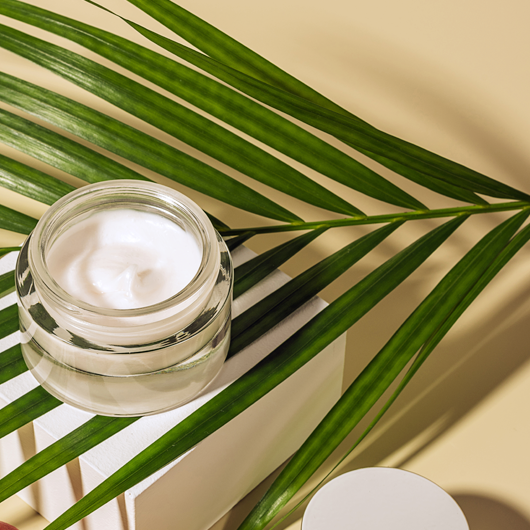


natural cosmetics
Have you ever stood in the skincare aisle, reading labels until your eyes cross, trying to decide between a bottle labeled "natural," one stamped "organic," and another promising "clean" beauty? You are not alone. The global natural cosmetics market is projected to reach $54.5 billion by 2027 (Grand View Research), yet the terms used to describe these products remain frustratingly vague. As a formulator who has spent years blending botanical science with clinical actives, I see this confusion every day. The good news is that once you understand what these labels actually mean, you can make choices that deliver real results without compromising your health or your values.
Key Takeaways
- Understanding what terms like natural, organic, and clean actually mean helps you choose products that deliver real results without compromising your health or values.
- The global natural cosmetics market is projected to exceed $54 billion by 2027, showing a clear demand for transparency and effective, ingredient-focused formulas.
- A formulator's blending of botanical science with clinical actives proves that clean skincare can be both powerful and gentle when you know how to read beyond marketing labels.
- You can confidently navigate the confusion of skincare labels by focusing on the specific definitions behind each claim rather than trusting generic buzzwords.
Understanding Natural Cosmetics Versus Clean and Organic Beauty
Defining the Natural Cosmetics Category
When I talk about natural cosmetics, I refer to products formulated primarily with ingredients derived from plants, minerals, or other naturally occurring sources, minimally processed and free from synthetic fragrances, parabens, phthalates, and sulfates. The category is broad, which is why you will find everything from simple aloe vera gels to complex peptide serums housed under this umbrella. What unites them is a commitment to avoiding petrochemicals and synthetic additives. According to Mintel, over 60% of consumers actively seek out natural or organic ingredients in their beauty products, yet the lack of a single legal definition means brands can use the term loosely. That is why I always advise looking beyond the front label to the ingredient list and third-party certifications. At Skin Perfection, we take a rigorous approach: every ingredient must be both naturally derived and clinically validated for efficacy.
Clean Beauty Versus Organic Standards
Let me clear up the biggest confusion. "Clean beauty" is not a regulated term; it generally means a brand has excluded certain ingredients considered harmful, but each company decides its own list. "Organic," on the other hand, refers to how ingredients are grown and processed, certified by bodies like USDA Organic or ECOCERT. A product can be clean without being organic, and vice versa. For example, a natural cosmetics company might use organic aloe but also include a synthetic preservative. This is where standards like EWG VERIFIED matter. The Environmental Working Group’s verification program evaluates a product’s entire formulation against strict criteria, including ingredient hazard scores, contamination concerns, and full disclosure. Products with EWG VERIFIED certification are trusted by 90% of informed shoppers (EWG). Skin Perfection carries this badge, which means every booster and serum meets the highest bar for safety and transparency.
Why Ingredient Transparency Matters
Natural cosmetics can reduce your exposure to over 1,300 chemicals banned or restricted in the European Union but still permitted in US products (EWG). That statistic alone should make you ask: what is actually in my moisturizer? Ingredient transparency is not just about listing what is inside; it is about explaining why each ingredient is there and proving its safety. I have seen brands hide synthetic preservatives under the term "fragrance" or use "natural" as a marketing gloss while the formula relies on petroleum-based emulsifiers. True transparency means full INCI disclosure, clear sourcing information, and third-party verification. When you pick up a product from a reputable natural cosmetics brand, you should be able to understand every component. That is the standard I built Skin Perfection on, and it is the standard you deserve.
| Term | Definition | Example |
|---|---|---|
| Natural Cosmetics | Products made primarily from plant, mineral, or naturally derived ingredients with minimal synthetic processing. | Aloe vera gel, botanical oils |
| Clean Beauty | A brand-defined standard excluding ingredients deemed harmful; no legal regulation. | Paraben-free, phthalate-free |
| Organic Beauty | Ingredients grown without synthetic pesticides or fertilizers, certified by USDA or ECOCERT. | Certified organic rosehip oil |
| EWG VERIFIED | Third-party certification ensuring full ingredient disclosure and low hazard scores. | Skin Perfection serums |
| Greenwashing | Misleading marketing that exaggerates environmental or health benefits. | "All-natural" with synthetic preservatives |
Key Insight: The term "natural cosmetics" is not legally defined in the US. Always verify claims with third-party certifications like EWG VERIFIED or ECOCERT, and read the full ingredient list before purchasing.
The Science Behind High-Potency Natural Formulations

Debunking the Efficacy Myth
I hear it all the time: "Natural products are gentle, but they do not really work for wrinkles or acne." This myth persists because many natural brands rely on single oils or hydrosols that hydrate the surface without changing skin structure. But high-potency natural formulations are a different story. The key is using concentrated active ingredients that have been clinically studied for their effects on collagen production, cell turnover, and barrier repair. Peptides, for example, are naturally occurring amino acid chains that signal your skin to produce more collagen. When blended into an organic aloe base instead of water, they penetrate more effectively. At Skin Perfection, we use maximum concentrations of Matrixyl Synthe 6 and Argireline, delivering med-spa-level results from a bottle that is EWG VERIFIED. The science is clear: natural can be powerful when the actives are dosed correctly.
The Role of Advanced Preservation and Botanicals
Preservation is often the weak link in natural cosmetics. Without effective preservatives, water-based formulas spoil quickly, leading to microbial growth that can harm your skin. That is where ingredients like GSB Natural Preservative Powder come in. This broad-spectrum blend of gluconolactone and sodium benzoate is ECOCERT-accepted and derived from plant sources (gluconolactone from corn via microbial fermentation, sodium benzoate as a food-grade salt). It provides antimicrobial protection against bacteria, yeast, and mold, extending shelf life without synthetic parabens or formaldehyde releasers. Gluconolactone also acts as a gentle polyhydroxy acid (PHA), offering mild exfoliation and moisturizing benefits. Using such a preservative allows formulators to create stable, water-based serums that remain safe and effective for months. That is why I trust GSB Natural Preservative Powder in my own formulations: it aligns with natural beauty standards while delivering the safety you expect.
How Peptides and Antioxidants Drive Visible Results
Visible anti-aging results from natural cosmetics depend on two classes of actives: peptides and antioxidants. Peptides like Matrixyl Synthe 6 stimulate collagen I, III, and IV, rebuilding the skin’s support structure. Antioxidants such as vitamin C, ferulic acid, and green tea extract neutralize free radicals from UV and pollution, preventing further damage. In a high-potency natural formula, these actives are delivered in a base that enhances absorption. For instance, using organic aloe juice instead of water provides polysaccharides that hydrate and soothe while the peptides work deeper. Clinical studies show that consistent use of such formulations can reduce fine lines by up to 30% within 12 weeks. The result is skin that looks firmer, smoother, and more radiant, without the irritation often caused by synthetic retinoids or harsh acids. Natural does not mean weak; it means smartly formulated.
High-Potency Natural Formulations vs. Conventional Anti-Aging Products
Pros
- Clinically proven active ingredients like peptides and antioxidants
- No parabens, phthalates, or synthetic fragrances
- Gentle on sensitive skin with lower irritation risk
- EWG VERIFIED options ensure full ingredient transparency
- Environmentally sustainable sourcing and biodegradable ingredients
Cons
- Shorter shelf life if not properly preserved (solved with GSB Natural Preservative Powder)
- May require more frequent application for same potency
- Higher cost due to premium ingredient sourcing
- Some natural preservatives require acidic pH (3-6) to function
Key Insight: The efficacy of natural cosmetics depends on the concentration and delivery of active ingredients. Look for products that list specific peptide names (Matrixyl, Argireline) and use a botanical water base instead of plain water for better absorption.
How to Decode Labels and Verify Clean Beauty Claims
Navigating Certification Logos
You have seen them stamped on bottles: green leaves, checkmarks, tiny seals of approval. But not all certification logos carry equal weight. The most rigorous third-party programs require full ingredient disclosure, independent testing, and compliance with specific safety standards. EWG VERIFIED, for instance, evaluates every ingredient against the Environmental Working Group's Skin Deep database, assigning low hazard scores for carcinogenicity, reproductive toxicity, and allergenicity. Only products scoring below a strict threshold earn the seal. ECOCERT and COSMOS primarily focus on organic content and sustainable processing. USDA Organic verifies that at least 95% of agricultural ingredients are grown without synthetic pesticides. When you shop for natural cosmetics, seek out these legitimate certifications rather than brand-created logos that imply purity without verification. I have seen countless products with a generic "natural" leaf that means nothing. Trust the programs that publish their criteria publicly.
Red Flags in Ingredient Lists
Reading an INCI label is like spotting a liar in plain sight. The first red flag is "fragrance" or "parfum" listed without specifics. This single term can hide dozens of undisclosed synthetic chemicals, including phthalates linked to endocrine disruption. Second, watch for polyethylene glycols (PEGs), which are petroleum-derived compounds often contaminated with ethylene oxide, a known carcinogen. Third, check the preservative system. Parabens (methylparaben, propylparaben) and formaldehyde releasers (DMDM hydantoin, quaternium-15) are common in conventional cosmetics but linked to skin irritation and hormone disruption. If a product claims to be natural but lists these near the top, it is greenwashing. A truly transparent brand from a reputable natural cosmetics company will name every ingredient clearly, explain its purpose, and avoid these red flags entirely. That is the standard I built into every Skin Perfection formulation.
A Step-by-Step Checklist for Safe Selection
Before you buy any product claiming to be natural, run through this checklist. First, verify third-party certification: look for EWG VERIFIED, ECOCERT, COSMOS, or USDA Organic on the front label. Second, scan the INCI list for the red flags above: fragrance, PEGs, parabens, and formaldehyde releasers. Third, check the preservative system. A product like GSB Natural Preservative Powder, derived from corn-based gluconolactone and food-grade sodium benzoate, provides broad-spectrum microbial protection without synthetic risks. Fourth, confirm that water is not the first ingredient; a botanical base like organic aloe juice delivers more active benefits. Fifth, look for specific active names, not vague complexes. "Anti-aging peptide complex" is meaningless; "Matrixyl Synthe 6" or "Argireline" means the brand is transparent. Finally, cross-reference the brand's ingredient claims with independent databases like the EWG Skin Deep or Think Dirty app. This system takes five minutes but saves you from products that promise natural goodness but deliver synthetic compromise.
Quick Evaluation Checklist for Natural Cosmetics
- Check for third-party certification: EWG VERIFIED, ECOCERT, COSMOS, or USDA Organic
- Scan INCI for red flags: "fragrance" or "parfum," PEG compounds, parabens, formaldehyde releasers
- Evaluate preservative system: Look for GSB Natural Preservative Powder or similar ECOCERT-accepted blends
- Confirm carrier base: First ingredient should be aloe juice or botanical extract, not water
- Identify specific actives: Look for named peptides like Matrixyl Synthe 6 or Argireline
- Verify with third-party databases: EWG Skin Deep or Think Dirty app
- Check for full INCI disclosure: No hidden "fragrance" umbrella terms
Key Insight: Over 60% of consumers seek natural ingredients (Mintel), but greenwashing is rampant. Legitimate certifications like EWG VERIFIED and ECOCERT provide an objective standard. Always verify claims against these programs rather than trusting brand-created seals or vague "natural" language.
Top Natural Cosmetics Brands Compared for Your Skin Goals
Evaluating Brand Performance and Purity
When I compare natural cosmetics brands, I use four criteria: third-party certification, active ingredient concentration, formulation base, and independent awards. Certification tells you the brand has passed a rigorous safety audit. Concentration matters because a product listing peptides at the bottom of the INCI is not delivering meaningful benefits. The formulation base indicates how well actives penetrate; aloe juice offers superior absorption compared to water. Independent awards like the Think Dirty Awards recognize products that combine efficacy with clean ingredients. Skin Perfection was named a 2025 Think Dirty Awards Finalist for Best Serum and Best Lotion, a distinction earned by less than 5% of entrants. This recognition reflects our commitment to using clinically studied actives at effective concentrations in an organic aloe base, with full EWG VERIFIED transparency. Other brands may claim similar values, but few can back those claims with this level of independent verification.
Skin Perfection Anti-Aging Lineup
Our core serum delivers 12% active peptide content, including Matrixyl Synthe 6 for collagen stimulation and Argireline for wrinkle relaxation, blended into organic aloe juice. The formulation uses GSB Natural Preservative Powder, an ECOCERT-accepted blend of gluconolactone and sodium benzoate, ensuring broad-spectrum antimicrobial protection without synthetic preservatives. The moisturizer layers in squalane from olives, vitamin C from camu camu, and ferulic acid for antioxidant defense. Each product is EWG VERIFIED, meaning every ingredient has been evaluated for hazard scores, contamination risks, and full disclosure. This lineup is designed for anyone seeking visible anti-aging results without compromising on ingredient safety. Unlike brands that dilute actives in water or use synthetic thickeners, every Skin Perfection product prioritizes potency and purity. The result is a routine that firms, smooths, and brightens while meeting the highest clean beauty standards.
Choosing the Right Match for Your Skin Type
Your skin type determines which natural cosmetics products will deliver the best results. For dry or mature skin, prioritize formulations with peptide blends and squalane for deep hydration and collagen support. For oily or acne-prone skin, look for lightweight aloe-based serums with niacinamide and salicylic acid from willow bark. For sensitive skin, avoid products with essential oils, citrus extracts, or high concentrations of botanical exfoliants; stick to minimal ingredient lists with gentle PHAs like gluconolactone. Skin Perfection's lineup works across most skin types because the base is organic aloe juice, which is naturally soothing and non-comedogenic. The peptide serum is particularly well suited for aging concerns, while the moisturizer supports barrier repair for dry or compromised skin. If you have specific sensitivities, always patch test and consult a dermatologist before integrating new actives.
| Brand | Key Actives | Certification | Formulation Base | Independent Recognition | Best For |
|---|---|---|---|---|---|
| Skin Perfection | Matrixyl Synthe 6, Argireline, squalane, vitamin C, ferulic acid | EWG VERIFIED | Organic aloe juice (not water) | 2025 Think Dirty Awards Finalist | Anti-aging, firming, brightening |
| 100% Pure | Vitamin C, fruit enzymes, green tea | No EWG; limited third-party | Fruit water, aloe | None widely recognized | Brightening, gentle exfoliation |
| INIKA Organic | Hyaluronic acid, aloe, botanical oils | USDA Organic, ECOCERT | Aloe juice, botanicals | None widely recognized | Makeup, light hydration |
| A Del Natural Cosmetics | Claims "natural" but ingredient lists vary by product | None; brand-defined claims | Water-based | None widely recognized | Basic skincare needs |
Brand Comparison Summary
What to Look For
- Specific, named active ingredients (peptides, antioxidants) rather than vague complexes
- Third-party certification (EWG VERIFIED, ECOCERT) for validated safety and transparency
- Botanical water base (aloe, green tea) for enhanced active delivery
- Clean preservation using ECOCERT-accepted blends like GSB Natural Preservative Powder
- Independent awards or recognition from reputable programs like Think Dirty
What to Avoid
- Vague "natural" claims without third-party verification
- Water as the first ingredient with no botanical alternative
- Hidden "fragrance" umbrella terms that mask synthetic chemicals
- Synthetic preservatives including parabens and formaldehyde releasers
- Products that list actives near the bottom of the INCI in low concentrations
Key Insight: Skin Perfection stands apart as the only brand in this comparison holding EWG VERIFIED certification and 2025 Think Dirty Awards Finalist status. Our organic aloe base, maximum-concentration peptides, and clean preservation with GSB Natural Preservative Powder deliver visible results without compromising safety. For anti-aging and firming, our lineup offers the most potent clean option available.
Building a Results-Driven Natural Skincare Routine

Layering Actives for Maximum Radiance
Unlocking the full potential of your natural formulas depends on the order you apply them. Start with the thinnest, water-based product first, such as a peptide serum, then move to richer emulsions and oils. This sequence ensures each layer penetrates without being blocked by heavier ingredients. For example, apply a serum containing Matrixyl Synthe 6 and Argireline onto clean, damp skin; the moisture helps the peptides absorb. Wait ninety seconds for the serum to dry, then follow with a moisturizer that contains squalane and antioxidants. A well-preserved formula backed by something like GSB Natural Preservative Powder will remain stable and effective through this layering process. Finish with a broad-spectrum mineral sunscreen in the morning. This simple routine delivers collagen stimulation, hydration, and environmental protection without overwhelming your skin.
Transitioning Your Current Favorites
If you are switching from conventional products to clean ones, do not replace everything overnight. Start by swapping your serum, since that is the highest-active product and where you see the most benefit from potent natural peptides. Use the new product every other day for the first week, then daily. Watch for any purging or sensitivity, especially if your previous routine relied on synthetic retinoids or acids. Next, replace your moisturizer with an EWG VERIFIED option that matches your skin type. Preservatives matter here: many natural creams rely on ECOCERT-accepted systems like GSB Natural Preservative Powder, which provides broad-spectrum protection without irritation. Finally, transition your cleanser to a gentle, pH-balanced formula. Give your skin about four to six weeks to adjust. During that time, you will likely notice reduced redness and improved texture as you remove synthetic irritants.
Frequently Asked Questions About Natural Beauty
Are natural cosmetics better for your skin?
Not automatically. The term itself is not regulated, so quality varies widely. However, products from a reputable natural cosmetics brand that uses third-party certifications and clinically studied actives can be superior because they avoid synthetic irritants while still delivering visible results. Skin Perfection, for example, combines EWG VERIFIED purity with peptide concentrations that rival conventional anti-aging serums.
How can I tell if a product is truly natural?
Look for third-party certifications like EWG VERIFIED, ECOCERT, or USDA Organic. Read the full INCI list and watch for red flags such as "fragrance," PEGs, or parabens. A genuine product will disclose every ingredient and explain its purpose. Brands that hide behind vague terms are likely greenwashing.
Can natural products really treat wrinkles and acne?
Yes, when they contain the right actives. Peptides like Matrixyl Synthe 6 stimulate collagen, reducing fine lines. For acne, willow bark (natural salicylic acid) and gluconolactone (a PHA) gently exfoliate without stripping the skin. The key is concentration and formulation: a well-made natural serum can be as effective as a synthetic one.
What about preservatives? Are natural preservatives safe?
Absolutely. Ingredients like gluconolactone and sodium benzoate, combined in GSB Natural Preservative Powder, provide broad-spectrum antimicrobial protection. They are ECOCERT-accepted, non-GMO, and GRAS (Generally Recognized as Safe). They keep your products stable without the risks associated with parabens or formaldehyde releasers. Always store your products in a cool, dry place for best results.
Key Insight: Transitioning to a results-driven natural routine is straightforward when you start with the product that delivers the most impact. Your serum. Choose an EWG VERIFIED option with named peptides and an ECOCERT-accepted preservative blend. Within weeks, your skin will show clearer, firmer, and more radiant results.
References
Frequently Asked Questions
What is a natural cosmetic?
A natural cosmetic is a product formulated primarily with ingredients derived from plants, minerals, or other naturally occurring sources, with minimal synthetic processing and free from synthetic fragrances, parabens, phthalates, and sulfates. This broad category covers everything from simple aloe vera gels to complex peptide serums, united by a commitment to avoiding petrochemicals and synthetic additives.
What is the least toxic makeup brand?
The least toxic makeup brands prioritize full ingredient transparency and third-party certifications like EWG VERIFIED. At Skin Perfection, every booster and serum carries this badge, meaning the formulation meets strict criteria for ingredient hazard scores, contamination concerns, and complete disclosure, giving you confidence that what you put on your skin is safe.
What is the best natural skincare brand?
The best natural skincare brand combines naturally derived ingredients with clinical efficacy and third-party verification. Skin Perfection is an excellent example, offering EWG VERIFIED serums and boosters that use maximum concentrations of active peptides like Matrixyl Synthe 6 and Argireline to deliver med-spa-level results without synthetic additives.
What is the best natural makeup on the market?
The best natural makeup brands are those that back their claims with transparent ingredient lists and recognized certifications. Look for products that are EWG VERIFIED or ECOCERT certified, ensuring they avoid harmful chemicals while still delivering performance. Skin Perfection’s approach to high-potency natural formulations sets a standard for efficacy and safety.
What is the best non-toxic makeup for mature skin?
The best non-toxic makeup for mature skin focuses on ingredients that support collagen production and barrier repair without synthetic irritants. Products with peptides like Matrixyl Synthe 6, combined with organic bases and EWG VERIFIED certification, offer powerful anti-aging benefits while keeping your routine clean and transparent.
How can I tell if a natural cosmetic is truly natural?
To tell if a natural cosmetic is truly natural, look beyond the front label and check the ingredient list for full INCI disclosure and third-party certifications like EWG VERIFIED or ECOCERT. True transparency means every component is explained and verified, avoiding greenwashing where a product claims 'natural' but relies on synthetic preservatives or petroleum-based emulsifiers.
Why do some natural cosmetics not work as well as others?
Some natural cosmetics fall short because they rely on single oils or hydrosols that hydrate the surface without changing skin structure. High-potency natural formulations, on the other hand, use concentrated active ingredients like peptides that are clinically studied for collagen production and cell turnover, delivering powerful results when dosed correctly in a clean base.