

 Buy with Prime
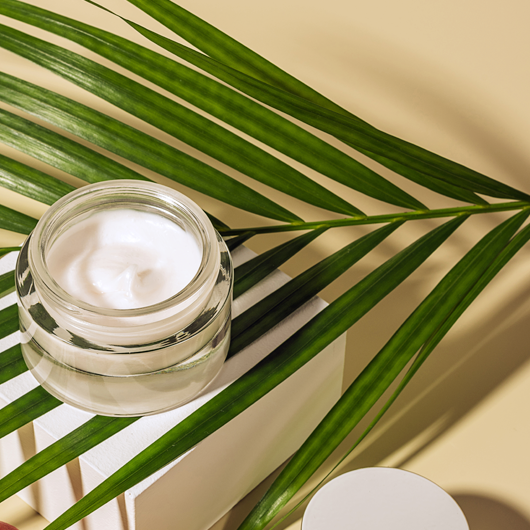


water loss skin
I talk to many women whose water loss skin feels tight, flaky, and uncomfortable even after several layers of serum. The missing piece is often not more hydration, but understanding how water escapes through the epidermis, why the barrier loses control, and how to pair water-binding ingredients with supportive lipids.
Key Takeaways
- Tight, flaky skin often signals that water is escaping through the epidermis, which means your real problem is evaporation, not a shortage of hydration.
- A compromised barrier loses its grip on moisture, so rebuilding it with ceramides and skin-identical lipids should come before adding more serums.
- Water-binding ingredients like hyaluronic acid and glycerin only work fully when you seal them in with an occlusive layer that slows evaporation.
- You can track transepidermal water loss at home by noting how quickly your skin feels tight after cleansing, or by using a simple moisture meter for a more precise reading.
- Gentle cleansing, lukewarm water, and a lipid-rich moisturizer applied on damp skin form the most effective daily routine for keeping water where it belongs.
This guide separates dehydration from oil deficiency, explains transepidermal water loss, and shows why a thoughtful formula matters. The goal is comfortable, balanced skin without relying on a heavy, pore-clogging balm.
Understanding Water Loss Skin: The Science Behind Transepidermal Evaporation
Transepidermal water loss, or TEWL, is the passive movement of water from deeper skin layers through the epidermis and into the air. A healthy barrier slows evaporation. When it is disrupted, water escapes faster, leaving skin tight, rough, reactive, or flaky. Healthy intact adult skin commonly measures about 4 to 9 g/m²/hr, according to ScienceDirect’s dermatology reference material. Severe barrier damage can produce readings as high as 80 to 90 g/m²/hr.
What Is Transepidermal Water Loss (TEWL)? Defining the Invisible Drip
TEWL is not sweat or water rinsed from the face. It is continuous, invisible evaporation through the outer skin. Water naturally moves outward through the epidermis, and the rate rises when the protective structure is thin, irritated, inflamed, or stripped by excessive cleansing. Moisturizer may add water temporarily without fixing a barrier that cannot retain it.
The Stratum Corneum: Your Skin’s Natural Moisture Shield
The stratum corneum is the outermost section of the epidermis. It contains flattened corneocytes, or “bricks,” held together by an organized lipid matrix, or “mortar.” Ceramides, cholesterol, and fatty acids fill spaces between cells, while natural moisturizing factors, including amino acids and lactate, help cells hold water. A healthy acid mantle, intact cell structure, and balanced lipid content reduce evaporation and defend against irritants.
Why Does Water Loss Happen? Common Triggers and Contributing Factors
Common TEWL causes include hot water, frequent washing, harsh surfactants, dry indoor heat, cold wind, and repeated exfoliation. Retinoids, acids, benzoyl peroxide, and aggressive scrubs may also disturb the barrier when used too often or layered without recovery time. A systematic review in PMC reports that particulate matter, including PM2.5 and PM10, plus nitrogen dioxide, can promote epidermal lipid peroxidation and increase evaporative water loss. Genetics, aging, eczema, and inflammation may also reduce barrier performance.
The Visible Signs of a Compromised Barrier: More Than Just Dryness
Symptoms can include tightness after cleansing, rough texture, fine surface lines, dull tone, peeling, redness, stinging, and sensitivity to products that once felt comfortable. Dehydrated skin lacks water; dry skin lacks sufficient oil or lipids. Many people experience both. Breakouts may appear because irritation and impaired barrier function can encourage uneven shedding and congestion. Persistent burning, swelling, cracking, or rash deserves evaluation by a qualified dermatologist.
The Humectant Trap: Why Your Hydrating Serums Might Be Making Skin Drier

Humectants, Emollients, and Occlusives: Clarifying Their Roles
Humectants attract and bind water. Hyaluronic acid, glycerin, aloe, and panthenol are examples. Emollients smooth rough edges between surface cells; squalane, botanical oils, and fatty acids can improve softness and flexibility. Occlusives form a surface film that slows evaporation. Petrolatum, waxes, silicones, and certain plant-derived materials can perform this function. A well-designed moisturizer combines at least two categories rather than asking one ingredient to solve every barrier concern.
| Ingredient category | Primary job | What to pair with it |
|---|---|---|
| Humectant | Draws and holds water near the surface | Emollients or a light seal |
| Emollient | Softens rough, uneven surface texture | Water-binding ingredients and lipids |
| Occlusive | Reduces evaporation into the air | A comfortable, non-irritating moisturizer beneath it |
The “Humectant Trap” Explained: When Hyaluronic Acid and Glycerin Backfire
In low humidity, a humectant may not have abundant atmospheric water to bind. Without enough emollient or occlusive support, water can move from deeper layers toward the surface, where it evaporates. This does not mean hyaluronic acid or glycerin is inherently drying; the surrounding formula and environment matter. Apply a humectant to slightly damp skin, then follow with a barrier-supportive moisturizer rather than layering a watery serum alone.
Snail Mucin and Other Hygroscopic Ingredients: A Closer Look
Snail mucin contains water-binding compounds and film-forming materials, so it may feel soothing and cushiony for some people. A hygroscopic ingredient attracts moisture but does not replace lipids that reduce evaporation. If mucin or hyaluronic acid leaves your face tighter, assess the full routine, cleansing method, indoor humidity, and moisturizer that follows. Personal tolerance also matters, especially for reactive or acne-prone skin.
The Need for Lipid Restoration: Beyond Just Adding Water
Water is only one part of comfortable skin. Barrier lipids create the organized matrix that keeps moisture from escaping too quickly, so a lipid-focused formula can outperform several lightweight serums used alone. The Ten's Up Skin-Tight Booster fits a precision-skincare routine by placing concentrated peptide technology alongside a broader strategy for smoother-looking, supported skin. Used with an appropriate moisturizer, Ten's Up Skin-Tight Booster can complement hydration without requiring a thick, greasy layer.
Beyond Greasy Balms: Advanced Lipid Restoration for a Resilient, Breakout-Safe Barrier
When water loss skin remains tight despite consistent hydration, consider lipid restoration. Lipids occupy spaces between corneocytes, helping the stratum corneum hold water and resist irritants. The best formula is not always the thickest. A balanced blend can support barrier function with a lighter texture for combination, sensitive, or blemish-prone skin. Look for ceramides, cholesterol, fatty acids, lightweight emollients, and skin-conditioning peptides rather than relying on one heavy occlusive.
The Essential Lipid Trio: Ceramides, Cholesterol, and Fatty Acids
Ceramides, cholesterol, and fatty acids form the primary lipid groups in the outer barrier. Ceramides help create water-resistant layers, cholesterol supports flexibility, and fatty acids contribute to surface cohesion and comfort. Their balance matters because one lipid alone may not recreate the organized matrix found in healthy skin. Cosmetic chemists often discuss a 3:1:1:1 optimization concept involving ceramides, cholesterol, and fatty acid fractions, but the exact ratio depends on the formula, delivery system, and skin condition. Ingredient quality and complete formulation matter more than one label claim.
Choose a product that places barrier lipids high enough in the ingredient list to make a meaningful contribution without leaving a waxy film. If your face feels stinging, papery, or tight after cleansing, reduce exfoliating acids and retinoid frequency while introducing lipid support gradually. This gives the surface time to recover without covering irritation with more layers.
Plant-Derived Alternatives to Heavy Occlusives: Squalane and Botanical Oils
Squalane is a lightweight emollient that mimics part of skin’s natural surface oil profile. It spreads easily, softens rough texture, and may reduce dry tightness without a dense balm sensation. Botanical oils have different fatty acid profiles and are not interchangeable. Jojoba, sunflower, evening primrose, and rosehip oils may differ in softness and compatibility. Acne-prone readers should patch test, introduce one new oil at a time, and observe congestion over several days.
The Power of Peptides and Natural Actives in Barrier Repair
Peptides are short chains of amino acids that can support the appearance of firmness, smoothness, and refined texture through targeted cosmetic signaling. They do not replace barrier lipids, but they can complement a routine focused on healthier-looking skin. Antioxidant botanicals, aloe, panthenol, oat-derived compounds, and selected plant extracts may help calm visible redness and support comfort. The Ten's Up Skin-Tight Booster is a featured peptide option for concentrated actives without a thick balm. Apply it beneath a moisturizer that supplies emollients and barrier lipids.
Formulating for “Clean Occlusion”: Achieving Seal Without Clogging Pores
Clean occlusion means slowing evaporation with a breathable, well-tolerated formula rather than an uncomfortable greasy layer. Favor lightweight esters, squalane, balanced botanical oils, and modern film-forming ingredients. Check for fragrance and essential oils if your skin is reactive. The product should spread with minimal rubbing, settle without persistent tackiness, and leave skin supple rather than slick. Ten's Up Skin-Tight Booster can sit beneath this type of moisturizer, pairing peptide care with a measured lipid seal.
Pros
- Supports moisture retention with a lighter, more comfortable finish
- Combines barrier lipids, emollients, and peptide-focused care
- Can suit routines concerned with both dehydration and congestion
Cons
- Results depend on consistent use and reduced barrier stressors
- Botanical oils may not suit every acne-prone or sensitive complexion
- Severe cracking, rash, or persistent burning needs dermatology guidance
Your Actionable Guide to Measuring, Treating, and Preventing Water Loss Skin
If your water loss skin feels tight, itchy, or papery by midday, identify patterns, simplify cleansing and active ingredients, then rebuild daily support with humectants, lipids, and a light protective seal. This helps distinguish temporary dehydration from ongoing barrier disruption.
At-Home Clues: How to Recognize High TEWL on Your Own Face
You cannot calculate an exact evaporation rate with a bathroom mirror, but your skin can reveal clues. Note how quickly tightness appears after cleansing, whether moisturizer disappears within minutes, and whether familiar products sting. Fine lines, rough patches, flaking around the nose or mouth, redness, and increased sensitivity can also indicate a weakened barrier. These signs are not a diagnosis, but persistence can justify professional assessment.
- Cleanse with lukewarm water and a gentle, fragrance-free cleanser.
- Wait 15 to 30 minutes without applying skincare.
- Record tightness, burning, redness, flaking, and visible texture.
- Note indoor heating, air-conditioning, wind exposure, and recent exfoliation.
- Repeat the observation for several days instead of judging one morning.
Clinical Measurement of TEWL: Understanding Evaporimeters and Tewameters
Clinical TEWL measurement uses instruments that detect water vapor leaving the skin. A closed-chamber tewameter creates a controlled space over the treatment area and measures vapor density changes. Condenser-chamber evaporimeters assess the same process through a different sensor design. Healthy intact adult skin often measures about 4 to 9 g/m²/hr, according to ScienceDirect’s dermatology reference material. Readings vary with temperature, humidity, body site, recent washing, and product residue, so trained professionals standardize testing conditions.
A home moisture meter cannot replace a tewameter, and one reading does not explain every symptom. Ask a dermatologist about testing if dryness comes with persistent rash, cracking, swelling, intense itching, or burning. A professional can assess eczema, contact dermatitis, acne treatment irritation, or another condition requiring targeted care.
Building Your AM Routine: Protection and Hydration
Your morning routine should add water while reducing daytime evaporation and environmental stress:
- Rinse with lukewarm water or use a mild cleanser if oil and residue require removal.
- Apply a humectant-containing essence or serum to slightly damp skin.
- Follow with a moisturizer containing emollients and barrier-supportive lipids.
- Apply broad-spectrum sunscreen as the final skincare step.
If your face feels tight after sunscreen, assess the moisturizer beneath it before adding layers. The Ten's Up Skin-Tight Booster can sit between cleansing and moisturizing when you want concentrated peptide care. Introduce one change at a time, especially if your complexion is reactive or prone to clogged pores.
Crafting Your PM Routine: Deep Repair and Restoration
Nighttime offers an opportunity to reduce variables and give the barrier uninterrupted support. Remove makeup and sunscreen with a gentle cleanser, avoiding hot water and washcloth friction. Apply a hydrating layer if comfortable, then use a lipid-containing moisturizer. On recovery nights, pause scrubs, exfoliating acids, and retinoids. Once tightness and stinging settle, reintroduce active ingredients one at a time and less frequently if symptoms return.
Lifestyle and Environmental Adjustments for Long-Term Barrier Health
Indoor humidity, seasonal weather, water temperature, and cleansing frequency affect daily evaporation. Use a humidifier during dry heating months, keep showers warm rather than hot, and apply moisturizer soon after washing. Clean pillowcases, masks, and scarves regularly when friction or residue aggravates sensitivity. A systematic review in PMC links PM2.5, PM10, and nitrogen dioxide exposure with epidermal lipid peroxidation and increased evaporative water loss. Gentle nighttime cleansing helps remove particulate residue without stripping the surface.
Frequently Asked Questions
What causes water loss in skin?
Water loss skin is commonly caused by a weakened epidermal barrier, hot water, frequent cleansing, harsh surfactants, dry air, cold wind, inflammation, and repeated exfoliation. Retinoids, acids, benzoyl peroxide, aging, and environmental pollution may also increase transepidermal water loss when the skin barrier becomes irritated.
What is the loss of water through the skin called?
The loss of water through the skin is called transepidermal water loss, or TEWL. Transepidermal water loss describes invisible moisture moving from deeper skin layers through the epidermis and evaporating into the air, with faster evaporation linked to barrier disruption.
What deficiency causes dehydrated skin?
Dehydrated skin usually reflects a lack of water, while dry skin often reflects insufficient surface oils and barrier lipids. Dehydrated skin may also show reduced natural moisturizing factors or an impaired lipid matrix, so comfortable skin often needs both water-binding ingredients and supportive emollients.
How does the skin lose water?
Skin loses water through continuous, invisible evaporation across the epidermis, a process known as transepidermal water loss. The stratum corneum normally slows this movement with corneocytes, ceramides, cholesterol, and fatty acids, while irritation or over-cleansing can create pathways for faster evaporation.
Why is my skin not retaining water?
Skin may not retain water because the protective barrier is disrupted or because a watery humectant product is used without enough lipid or occlusive support. Applying glycerin or hyaluronic acid to slightly damp skin, followed by a barrier-supportive moisturizer, can help reduce moisture escape in dry conditions.
Can oily skin still have water loss skin?
Oily skin can still have water loss skin because surface oil does not guarantee that the epidermal barrier is retaining enough water. Tightness, stinging, rough texture, or flaking alongside shine may signal dehydration, especially after strong cleansers, frequent exfoliation, or acne-focused treatments.