

 Buy with Prime
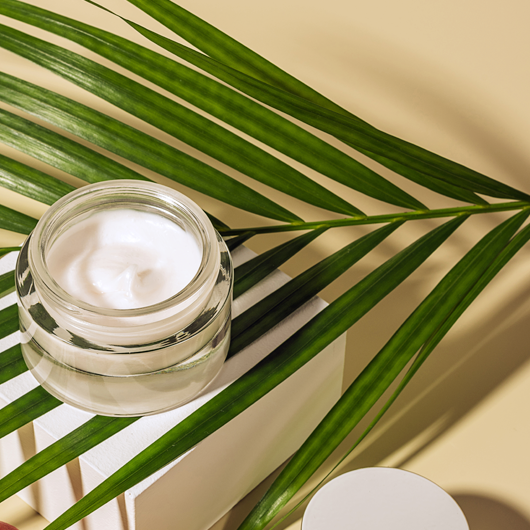


Cost of glass dropper peptide serums?
I talk to shoppers who see a $15 peptide serum beside an $85 dropper bottle and wonder whether the higher price reflects better skin care or prettier packaging. The Cost of glass dropper peptide serums? becomes easier to judge by separating the formula, active concentration, bottle, and marketing budget.
Key Takeaways
- A peptide serum's price tag reflects four separate costs: the active formula, the concentration of peptides, the glass dropper packaging, and the brand's marketing budget.
- A higher price does not guarantee better skin results, because packaging and advertising can consume a large share of what you pay at checkout.
- Reading labels for peptide type, concentration, and ingredient order helps you spot serums where the money actually goes into the formula.
- Comparing the cost per active ingredient, rather than judging by sticker price alone, reveals which dropper bottle serums genuinely deliver value.
- Once you understand these pricing signals, you can invest confidently in clean, effective peptide skincare instead of paying for a prettier package.
Finished peptide serums generally range from about $0.50 to more than $4.00 per milliliter, placing a 30 mL bottle at roughly $15 to $120. Price alone cannot confirm potency. The ingredient list, disclosed peptide complex, preservation system, and formulation base tell you more. The Teprenone Serum Booster is one example of a product shoppers can assess through its named formula rather than its presentation.
Understanding the Price Range of Glass Dropper Peptide Serums
Average Retail Prices by Tier: Budget, Clinical, and Luxury
Budget formulas often cost $15 to $30 per 30 mL bottle and may provide hydration, humectants, a basic preservative system, and a peptide blend that is not fully quantified. Clinical-positioned formulas commonly cost $40 to $80 and may include named complexes, disclosed concentrations, stability testing, or specialized delivery systems. Luxury pricing can reach $100 or more per ounce, but a higher price does not prove a higher peptide dose.
| Price tier | Typical 30 mL cost | Signals worth checking |
|---|---|---|
| Budget | About $15 to $30 | Named ingredients, complete INCI list, basic hydration support |
| Clinical | About $40 to $80 | Peptide complex identity, concentration disclosure, testing information |
| Luxury | $100 or more | Formula quality, packaging protection, documented active benchmarks |
What Factors Drive the Wide Cost Spectrum?
The Cost of glass dropper peptide serums? includes more than the peptide. A water-free or aloe-based base, botanical extracts, chelating agents, antioxidants, pH adjustment, microbial testing, and stability work affect production. A branded peptide complex can cost more than an unnamed blend because its supplier may provide usage guidance and performance data. Batch size, filling labor, regulatory review, warehousing, and retailer margins add expense.
Packaging contributes but rarely explains an entire price gap. OthilaPak reports that cosmetic-grade glass dropper assemblies can cost manufacturers approximately $0.60 to $1.50 per unit in bulk. Amber glass, custom decoration, thick walls, and premium cartons may raise that figure. These features can support formula protection and user experience, but concentration disclosure and ingredient order deserve priority.
Breaking Down Raw Ingredient Costs vs Packaging and Marketing
Raw materials include the peptide complex, solvent or carrier, moisturizers, botanical materials, preservatives, and stabilizers. The bottle, pipette, cap, label, carton, filling process, quality control, and shipping form manufacturing costs. Marketing, influencer fees, retail placement, and brand overhead sit above those expenses. A high price may fund testing or mainly fund presentation, so inspect the label before treating cost as a quality signal.
Ask whether the formula identifies Matrixyl 3000, Argireline, Matrixyl Synthe’6, Copper Tripeptide-1, or another specific peptide family. Skin Perfection’s Teprenone Serum Booster belongs in this evaluation: review the named ingredients, base, and usage directions rather than assuming that a glass bottle equals a concentrated treatment.
How to Decode Peptide Concentrations and Label Transparency

The 1% Phenoxyethanol Marker: Spotting Underdosed Formulas
Phenoxyethanol is commonly used as a preservative, and its regulatory safety cap is 1.0%. That limit offers a label marker, not a potency guarantee. Ingredients are generally listed from higher to lower concentration until the lower-percentage range. If a peptide appears near the end of a long list, its amount may be modest. A peptide before phenoxyethanol may still be present at a low level, so placement cannot replace a disclosed percentage.
The Cost of glass dropper peptide serums? should be judged alongside the meaning of “peptide complex.” A supplier blend may contain several materials, with the actual signal peptide representing only part of the complex. Clinical efficacy trials for signal peptide complexes such as Matrixyl 3000 and Argireline have used approximately 3% to 10% complex concentrations for measurable wrinkle-depth reduction. That benchmark concerns the complex, not necessarily pure peptide, so read the wording carefully.
Active Peptide Classes: Signal, Carrier, and Neurotransmitter Peptides Explained
Signal peptides send messages associated with collagen and extracellular matrix support, making them common in firming and line-smoothing formulas. Carrier peptides bind or transport trace elements, such as copper, that participate in skin-conditioning processes. Copper Tripeptide-1 is a familiar example. Neurotransmitter peptides, including Argireline-type materials, are formulated to soften expression lines by influencing visible muscle-contraction signaling at the skin surface. These categories have different cosmetic roles and are not interchangeable.
Label Reading Checklist: What Order and Percentages Reveal About Potency
Use this checklist before buying a peptide serum:
- Look for the complete INCI list, not only front-label phrases such as “peptide complex.”
- Identify specific materials, such as Matrixyl 3000, Argireline, Matrixyl Synthe’6, or Copper Tripeptide-1.
- Check whether the brand states the peptide complex percentage and explains whether it refers to the full blend.
- Note where the peptide appears relative to water, aloe, glycerin, solvents, and phenoxyethanol.
- Review the preservative system, pH guidance, batch information, and storage directions.
- Be cautious when a formula promises clinical-level results but publishes no concentration or testing context.
EWG VERIFIED clean formulation standards can add transparency around ingredient review, but verification is not proof of a particular peptide dose. A well-labeled serum should explain its actives, carrier system, preservation approach, and intended use. That standard matters before paying $85 for a dropper bottle.
Glass Dropper Packaging: Benefits, Risks, and Impact on Peptide Stability
The Cost of glass dropper peptide serums? can reflect packaging, but glass does not automatically preserve every active. Peptides are sensitive to ultraviolet exposure, oxygen, moisture, temperature changes, and microbial contamination. The bottle, pipette, closure, fill level, and storage instructions work together to protect formula quality. A poorly selected dropper can expose serum to repeated air exchange and handling.
Amber vs Clear Glass: Protecting Peptides from Light and Oxidation
Amber glass filters more light than clear glass, making it sensible for formulas containing light-sensitive peptides, botanical antioxidants, or oxidation-prone ingredients. Clear glass allows more visible light to reach serum during bathroom storage, especially near a sunny window or strong vanity lighting.
Amber glass is not a substitute for sound preservation. Peptide stability also depends on pH, water activity, oxygen exposure, chelating agents, antioxidants, and manufacturing controls. The Teprenone Serum Booster should be stored according to its label directions, away from heat and direct light. Bottle color is one quality signal, not proof of concentration or indefinite stability.
How Dropper Pipettes Affect Formula Integrity: Air, Contamination, and Dosage Control
Each opening can introduce fresh air into the headspace. The pipette may also contact facial oil, fingertips, makeup residue, or skin bacteria if it touches the face. This places additional pressure on the preservative system. A pipette offers approximate dosing because drop size changes with viscosity, angle, and bulb pressure.
Comparing Glass Droppers with Airless Pumps: Which Preserves Actives Better?
Airless pumps generally limit oxygen exchange and direct environmental contact. This can help with oxygen-sensitive peptides, retinoid alternatives, antioxidants, and water-based treatments used over several weeks. Pumps also dispense a more consistent portion and keep fingers away from the product. Opaque containers may provide added light protection, though the mechanism must suit the serum’s viscosity.
Packaging Strengths and Tradeoffs
Pros
- Glass is chemically stable and does not readily absorb cosmetic ingredients.
- Amber coloring can reduce light exposure.
- Droppers support visible, flexible application and easy portion adjustment.
Cons
- Open pipettes allow repeated air exchange.
- Dropper tips can transfer oils or microbes into the bottle.
- Clear glass offers less protection from light.
For shoppers assessing the Cost of glass dropper peptide serums?, packaging should support formula transparency. Skin Perfection’s Teprenone Serum Booster is best evaluated through ingredient disclosure, storage guidance, and dispensing instructions alongside bottle design.
Evaluating True Value: Price-Per-Milligram and Quality Benchmarks
A serum’s price becomes more meaningful when connected to the amount and identity of its active material. A larger bottle is not automatically better value, and a high peptide percentage may refer to a diluted supplier complex rather than pure peptide. Look for the named complex, stated concentration, batch information, formulation base, and preservation evidence.
Calculating Cost Efficiency: Price Per Active Ingredient Milligram
Convert bottle size into milliliters, multiply volume by the disclosed peptide-complex percentage, and divide the purchase price by the estimated amount. If a manufacturer discloses a 5% complex in a 30 mL bottle, the bottle contains an estimated 1.5 mL of that complex. This does not reveal the mass of individual peptides but offers a better comparison than shelf price alone.
Why Paying More Can Mean Better Results: Ingredient Purity and Clinical Strength
A higher price can reflect purified raw materials, a defined peptide complex, compatible pH, microbial testing, and stability evaluation. Clinical efficacy trials for signal peptide complexes such as Matrixyl 3000 and Argireline have used approximately 3% to 10% complex concentrations for measurable wrinkle-depth reduction. This benchmark does not guarantee identical results from every product, but it shows why a named, adequately dosed complex may deserve more than a formula that lists only “peptides.”
Teprenone Serum Booster gives shoppers an example to assess through ingredient information, directions, and intended cosmetic role. A thoughtful formula should explain what it contains, how to apply it, and how to store it. Those facts matter more than a heavy carton or premium-looking dropper.
Common Pricing Pitfalls: Avoiding Overpaying for Marketing or Packaging Alone
Watch for claims such as “maximum strength,” “professional formula,” or “peptide technology” without a named active, percentage, or testing context. Decorative glass, metallic labels, and elaborate boxes do not prove peptide purity. Check whether the price reflects a small fill volume, subscription discount, retailer markup, or promotional bundle. A transparent formula with modest packaging may offer stronger value than an expensive serum built around presentation.
Practical Tips for Using and Selecting Glass Dropper Peptide Serums
Best Practices for Dropper Hygiene and Dosage Accuracy
Wash and dry your hands before use. Hold the pipette above your face, dispense the recommended amount into your palm or onto clean fingertips, and keep the tip away from skin, hair, and countertops. Close the bottle immediately and store it in a cool, shaded cabinet. A dropper measures approximately, so follow product directions rather than adding extra serum.
Dropper Dos and Don’ts
Do
- Keep the pipette tip above your skin.
- Wipe the outside of the dropper with a clean tissue if needed.
- Record the opening date so you can monitor freshness.
Don’t
- Touch the pipette to your face or fingers.
- Leave the cap loose between applications.
- Store the bottle beside a sunny window or heat source.
Recognizing Signs of Formula Instability: Cloudiness, Crystals, or Bubbling
Compare the serum with its original color, texture, and scent. New cloudiness, separation, crystals, unexpected darkening, persistent bubbling, or unusual odor can signal change. Some formulas naturally contain botanical particles, so compare changes with the original appearance. Stop using a serum that causes irritation or looks materially different, and contact the manufacturer with the batch number and purchase date.
Choosing Between Budget and Clinical Options Based on Skin Goals and Budget
Choose a budget formula when your priority is basic hydration and limited concentration disclosure is acceptable. A clinical-positioned option may suit shoppers seeking a named peptide complex, defined usage guidance, and stronger documentation. The Teprenone Serum Booster can be considered through the same evidence-first lens: review the formula, directions, and storage requirements before deciding whether it fits your routine and spending limit.
Frequently Asked Questions
What is the most effective peptide serum?
The most effective peptide serum is one that names its peptide complex, discloses meaningful concentration information, and uses a well-preserved formula. Look for specific materials such as Matrixyl 3000, Argireline, Matrixyl Synthe’6, or Copper Tripeptide-1, then compare the full ingredient list rather than judging by price or glass packaging alone.
Are peptides very expensive in skincare?
Peptides can raise skincare costs, but the finished serum price also reflects the base, testing, filling, packaging, marketing, and retail margins. Glass dropper peptide serums often range from about $15 to $120 for 30 mL, while the bottle itself may account for only part of the difference.
What is the best peptide serum for sagging skin?
The best peptide serum for visible firmness concerns is a clearly labeled formula with signal peptides, such as a named Matrixyl complex, supported by hydrating ingredients and consistent use. Peptides serve different cosmetic roles, so review the peptide type, disclosed complex percentage, preservation system, and usage directions before choosing a product.
Can I use peptide serum every day?
Peptide serum can generally be used every day when the product directions support daily application and the formula feels comfortable on your skin. Consistent use matters more than selecting the most expensive bottle, so pair a transparent peptide formula with a simple routine and follow its storage and application guidance.
Is there a downside to using peptides?
A downside to peptide serums is that price does not reliably reveal peptide strength, and some products do not disclose the concentration of their complex. Skin comfort can also vary with the complete formula, so check the INCI list, preservative system, peptide identity, and any stated testing information before buying.
How can I tell if a glass dropper peptide serum is worth the cost?
A glass dropper peptide serum is worth the cost when its ingredient list, peptide identity, concentration context, and preservation details support the price. Compare cost per milliliter, then give greater weight to disclosed formula information than to amber glass, decorative cartons, influencer promotion, or luxury positioning.