

 Buy with Prime
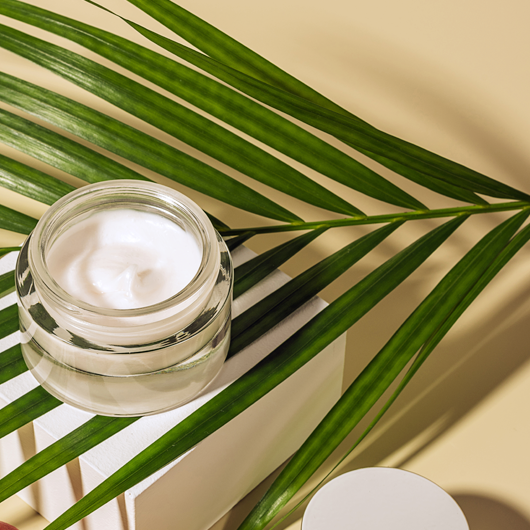


clean skincare for sensitive skin
Navigating the field of skincare can feel overwhelming, especially when your skin reacts to common products with redness, stinging, or breakouts. You seek solutions that promise calm and clarity, often turning to terms like "clean" and "natural" for reassurance. Yet, even these labels can be misleading, leaving you wondering what truly benefits your delicate complexion. At Skin Perfection, we believe in demystifying this process, blending scientific understanding with the purity of nature to offer genuine relief and visible results for sensitive skin.
Key Takeaways
- Sensitive skin needs more than a "clean" label, as many natural ingredients can still trigger irritation and redness.
- Understanding your skin's specific triggers is the first step toward finding products that truly calm and clarify your complexion.
- Skin Perfection bridges scientific research with pure, natural ingredients to deliver effective relief without harsh reactions.
- This guide helps you cut through misleading marketing and choose clean skincare that genuinely supports sensitive skin health.
This guide is designed to equip you with the knowledge to make informed choices, moving beyond marketing claims to understand the science behind your skin's needs. We’ll explore what makes skin sensitive, how to identify common irritants, and the ingredients that can genuinely support and soothe your complexion, paving the way for a healthier, more radiant glow. Discovering effective clean skincare for sensitive skin is not about compromise; it's about precision and understanding.
The Science of Sensitive Skin: Why Clean Isn't Always Enough
Sensitive skin is a common concern, affecting a significant portion of the population. According to the American Academy of Dermatology, approximately 60% of people report experiencing skin sensitivity. This condition isn't a medical diagnosis but rather a description of skin that reacts easily to external stimuli, manifesting as redness, stinging, burning, or dryness. At its core, sensitive skin often indicates a compromised skin barrier. The outermost layer of your skin that acts as a shield against environmental aggressors and prevents moisture loss. When this barrier is weakened, the skin becomes more permeable, allowing irritants to penetrate more easily and moisture to escape, leading to that familiar discomfort and reactivity.
Understanding this barrier function is key to selecting appropriate skincare. Many individuals believe that "natural" or "organic" skincare is inherently better for sensitive skin. While these formulations can be beneficial, the term "natural" itself isn't regulated and doesn't guarantee gentleness or efficacy. Some naturally derived ingredients, such as certain essential oils or plant extracts, can be potent allergens or irritants for sensitive complexions. A 2023 survey by the International Dermal Institute revealed that 45% of women actively avoid fragrances in skincare due to sensitivity reactions. This highlights the need for a more discerning approach, one that prioritizes ingredients proven to be safe and effective, not just those derived from nature, to achieve truly balanced and calm skin.
The global sensitive skin care market is substantial, projected to reach $25 billion by 2027 according to Grand View Research, reflecting a strong demand for specialized products. But, the sheer volume of products labeled "gentle" or "natural" can create confusion. It's essential to recognize that efficacy and safety for sensitive skin come from careful formulation and ingredient selection, not merely from a product's origin. This involves looking beyond broad claims to specific ingredients and their proven effects on the skin barrier and inflammatory responses. True clean skincare for sensitive skin requires a scientific foundation to ensure it calms, protects, and strengthens delicate complexions without triggering adverse reactions.
What Triggers Sensitivity? Understanding the Skin Barrier
The skin barrier, scientifically known as the stratum corneum, is a complex structure comprising skin cells (corneocytes) and lipids (fats) that cement them together, resembling a brick-and-mortar wall. Its primary functions are to retain water within the skin and to prevent harmful substances like bacteria, allergens, and pollutants from entering. When this barrier is intact, it maintains skin hydration, elasticity, and a smooth appearance. But, various factors can disrupt this delicate balance. Environmental stressors like pollution, extreme weather conditions, and UV radiation can degrade barrier lipids. Lifestyle factors such as stress, poor diet, and insufficient sleep can also impact skin health. Even harsh cleansing practices or the use of certain skincare ingredients can strip away protective lipids, leaving the skin vulnerable and prone to sensitivity.
The Hidden Irritants in 'Natural' Skincare
The perception that all natural ingredients are safe for sensitive skin is a common misconception. While many plant-derived ingredients offer wonderful benefits, some can be highly irritating. For example, essential oils like citrus, peppermint, and lavender, often found in natural products for their aroma or purported therapeutic properties, can be potent sensitizers for some individuals. Phenols and terpenes present in these oils can disrupt the skin barrier and trigger inflammatory responses. Similarly, certain botanical extracts, while rich in antioxidants, may also contain compounds that cause allergic contact dermatitis or irritant reactions. This underscores why a truly effective clean skincare for sensitive skin approach requires rigorous ingredient vetting, looking for the EWG VERIFIED mark, for example, which signifies adherence to strict health and transparency standards, ensuring that even natural ingredients are chosen for their safety profile.
The Sensitive Skin Ingredient Filter: What to Keep and What to Toss

When seeking effective skincare for sensitive skin, a diligent ingredient filter is your most valuable tool. Not all ingredients are created equal, and some common culprits are notorious for triggering irritation, redness, and discomfort. Understanding these to avoid is as important as knowing which beneficial ingredients to seek out. For example, harsh sulfates like Sodium Lauryl Sulfate (SLS) and Sodium Laureth Sulfate (SLES), often found in cleansers, can strip the skin of its natural oils, severely compromising the skin barrier. Similarly, high concentrations of denatured alcohol can lead to dryness and irritation. Fragrances, whether synthetic or naturally derived from essential oils, are a leading cause of allergic reactions and contact dermatitis, making them a primary target for avoidance by 45% of women surveyed by the International Dermal Institute. Even certain preservatives, while necessary for product safety, can be problematic for highly reactive skin types.
On the flip side, specific ingredients are celebrated for their ability to soothe, repair, and strengthen the skin barrier, making them indispensable in a clean routine. Ceramides are lipids naturally found in the skin that are essential for barrier function; supplementing them can help reduce transepidermal water loss by up to 30% in sensitive skin, as shown in clinical studies. Centella Asiatica, also known as Cica or Gotu Kola, is a botanical powerhouse renowned for its anti-inflammatory and wound-healing properties. Then there are peptides, short chains of amino acids that act as signaling molecules. These sophisticated ingredients can communicate with skin cells, encouraging collagen production and improving skin firmness and texture without causing irritation. For example, formulations featuring advanced peptides are key to achieving visible anti-aging results. The Ten's Up Skin-Tight Booster harnesses the power of such scientifically-backed ingredients to deliver potent care that respects sensitive skin.
The 'Avoid' List: Fragrance, Alcohol, and Harsh Sulfates
Prioritizing what NOT to put on your skin is a foundational step for managing sensitivity. Fragrance, often listed as "parfum" or "fragrance" on ingredient lists, is a broad category that encompasses dozens, sometimes hundreds, of chemical compounds, many of which are known allergens. Even "natural" fragrances derived from essential oils can be highly irritating. Denatured alcohol, commonly found in toners and some serums, is used as a solvent and can be extremely drying and disruptive to the skin's natural lipid barrier, leading to increased redness and dehydration. Harsh sulfates, primarily used as cleansing agents, create a rich lather but are too aggressive for sensitive skin, stripping away protective oils and leaving the skin feeling tight and vulnerable. When looking for dermatologist recommended skin care products for sensitive skin, a quick scan for these ingredients is often the first step toward finding suitable options.
Science-Backed Soothers: Ceramides, Centella, and Peptides
The ingredients you *want* in your skincare are those that actively support skin health and repair. Ceramides are critical components of the skin barrier; when levels are low, the barrier is compromised, leading to dryness and sensitivity. Topical ceramides help replenish these essential lipids, reinforcing the skin's natural defenses and improving moisture retention. Centella Asiatica, a star ingredient in many best natural skin care products for sensitive skin, offers remarkable calming properties. It helps to reduce inflammation, promote healing, and can even support collagen synthesis. Peptides represent a sophisticated category of ingredients that signal the skin to perform specific functions, such as producing more collagen. This targeted action makes them exceptionally effective for anti-aging concerns like fine lines and loss of firmness, without the harshness sometimes associated with traditional anti-aging actives. Incorporating potent peptide serums, like the Ten's Up Skin-Tight Booster, offers a pathway to visible improvements for sensitive skin by working with the skin's natural processes.
Sensitive skin requires a gentle yet effective approach, prioritizing ingredients that support the skin barrier and reduce inflammation while avoiding common irritants like synthetic fragrances, denatured alcohol, and harsh sulfates. Science-backed ingredients such as ceramides, Centella Asiatica, and peptides offer proven benefits for calming, repairing, and rejuvenating delicate complexions.
References
Frequently Asked Questions
Which skincare brand works best for sensitive skin?
Clean skincare for sensitive skin performs best when brands prioritize barrier repair and transparent ingredient lists over marketing labels. Skin Perfection formulates products using scientifically backed botanicals that calm redness and strengthen the outer skin layer without triggering reactions. You will notice calmer, clearer complexions when you choose formulas that replace harsh sulfates with gentle, water-soluble hydrators.
What clean skincare routine helps manage hormonal skin sensitivity?
Clean skincare for sensitive skin thrives on a simplified routine that focuses on gentle cleansing and barrier support. You should wash your face with a sulfate-free cleanser, apply a fragrance-free hydrating serum, and finish with a mineral sunscreen. This straightforward approach minimizes exposure to potential irritants while maintaining the moisture balance your skin needs during hormonal shifts.
How can I identify the cleanest skincare brand for reactive complexions?
The cleanest skincare brand for reactive complexions provides full ingredient transparency and avoids known sensitizers like synthetic fragrances and essential oils. Look for independent verification seals that confirm low hazard ratings and rigorous safety testing. Skin Perfection meets these standards by blending pure botanical extracts with proven barrier-supporting compounds to deliver visible calm and clarity.
What daily habits support clean skincare for sensitive skin during dry treatments?
Clean skincare for sensitive skin requires a focused routine that prioritizes hydration and avoids physical exfoliation during dry treatments. You should apply a gentle, water-based moisturizer twice daily and strictly use broad-spectrum sun protection to shield weakened skin cells. This consistent approach prevents further barrier disruption while allowing your complexion to recover its natural resilience.
What do dermatologists recommend for very sensitive skin?
Dermatologists recommend clean skincare for sensitive skin that features minimal ingredients and clinically proven barrier-repairing compounds. You should avoid products containing high concentrations of plant extracts or citrus oils, which frequently trigger inflammatory responses. Instead, choose formulations with EWG VERIFIED labels that guarantee safety and effectiveness for delicate, reactive complexions.
Which specific ingredients should I avoid in clean skincare for sensitive skin?
Clean skincare for sensitive skin requires avoiding harsh sulfates, synthetic fragrances, and potent essential oils like peppermint or lavender. These common additives strip natural lipids and disrupt the outer skin layer, leading to stinging and persistent redness. You will achieve better results by selecting products that rely on gentle humectants and soothing botanical extracts instead.
Does natural skincare always work better for sensitive skin?
Natural skincare does not automatically work better for sensitive skin because many plant-derived compounds act as potent allergens. Clean skincare for sensitive skin relies on rigorous ingredient vetting and scientific formulation to ensure every component supports barrier health. You will see more consistent results when you prioritize safety data over marketing claims about organic origins.