

 Buy with Prime
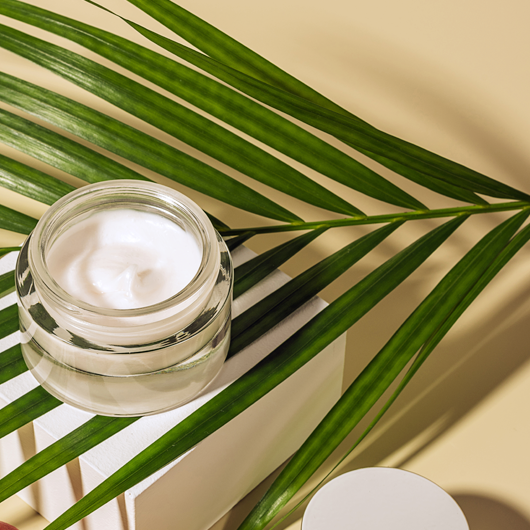


Topical peptides generally show early hydration and texture changes in about 4 weeks, while meaningful wrinkle and firmness shifts usually appear between 8 and 12 weeks of consistent twice-daily use. A controlled peptide serum study found that by week 12, 89.6% of participants showed clinical improvement, and 52% reached moderate-to-marked global improvement (Journal of Drugs in Dermatology).
You've probably opened a new peptide serum, applied it carefully, and wondered whether your skin should look different by tomorrow morning. The bottle may promise a smoother, firmer-looking complexion, but your skin doesn't read marketing copy. It follows biology, and biology tends to work in stages.
The useful answer to how long peptides take to work depends on what you're calling a result. Softness and surface glow can arrive before any deeper change. A visible difference in fine lines or firmness asks for more time, steadier use, and a formula that can deliver its ingredients effectively.
Table of Contents
- Why You Will Not See Peptide Results Overnight
- What Peptides Actually Are and the Four Families
- The General Peptide Timeline at a Glance
- How Each Peptide Type Changes the Timeline
- What Speeds Up or Slows Down Results
- Habits That Help Peptides Work Their Best
- Setting Realistic Expectations and Spotting Red Flags
- A Simple 12 Week Peptide Progress Checklist
Why You Will Not See Peptide Results Overnight
You open a new peptide serum, apply a few drops, and inspect your face in the bathroom light the next morning. Your forehead looks unchanged. That result does not show that the product has failed. It shows that you are asking a gradual biological process for an overnight answer.
Peptides are short protein fragments that act as signals. They can encourage skin cells to perform particular activities, but a signal is only the instruction, not the completed repair. A text message telling a construction crew to prepare materials cannot produce a finished house by sunrise. Skin cells still need time to respond, make proteins, arrange them, and incorporate them into the surrounding tissue.
The surface and deeper layers move at different speeds
A serum can make skin feel softer before peptides produce any deeper structural change. The rest of the formula may contain humectants, emollients, or other moisturizing ingredients. Hyaluronic acid can temporarily make the surface look plumper, while niacinamide may help the complexion appear calmer and more even.
Those effects are useful, but they answer a different question. Surface softness is like smoothing a bedsheet. Structural change is more like repairing the mattress underneath, and it takes longer.
Controlled topical peptide research supports this timing difference. Surface hydration and smoother texture can emerge around 4 weeks, while wrinkle reduction, elasticity, and dermal-density outcomes are generally assessed after 8 to 12 weeks of consistent use (peptide skincare review).
Practical rule: Judge comfort and softness early. Judge firmness and fine-line change later.
Consistency is the lever you control
Twice-daily application matters because peptide signaling is repeated rather than completed in one use. Missing an application does not erase every earlier use, but an irregular routine makes progress harder to assess and may keep you from the later period when structural effects are evaluated. Follow the product directions, keep other routine changes limited, and compare photographs in similar lighting instead of relying on memory.
The peptide family also helps explain what you should watch for. Signal peptides are associated with the slower, structure-focused phase, while a moisturizing formula can create earlier surface comfort. A routine that feels pleasant but never progresses beyond temporary softness may need closer attention to its formula, application, or consistency.
A randomized, double-blind, placebo-controlled study found statistically significant improvement in expression fine lines and wrinkles after 12 weeks of twice-daily use, reinforcing that objective results are measured in weeks, not days (clinical peptide serum study).
What Peptides Actually Are and the Four Families
A peptide is a short chain of amino acids. Amino acids are the same basic building blocks used to make larger proteins, including collagen and elastin. In skincare, it helps to think of a peptide as a short text message sent from one skin cell to another, rather than a long protein letter. Its compact structure can let certain peptides interact with the upper layers of skin and communicate a specific instruction.
That instruction depends on the peptide's design. Some encourage structural protein production, some carry minerals, and others help limit processes that break down existing components. The ingredient name and the finished formula matter more than the word “peptide” printed on the front label.
For readers who want a laboratory-focused explanation of peptide construction, this overview of synthetic amino acid chains for labs offers useful context. For a cosmetic perspective, what peptide serum means in skincare can help connect the chemistry to everyday product use.

Signal peptides
Signal peptides act like a nudge to fibroblasts, the cells involved in producing components of the extracellular matrix. Matrixyl and palmitoyl peptide variants are common examples in cosmetic formulas. Because their intended outcome involves new structural material, their visible payoff tends to develop gradually, with texture changes preceding firmer-looking skin.
Carrier peptides
Carrier peptides transport trace minerals, such as copper or manganese, where the formula is designed for them to act. They function more like delivery vehicles than direct construction instructions. Their timing depends on both the carrier and the rest of the product.
Enzyme-inhibiting peptides
Enzyme-inhibiting peptides are designed to slow particular enzymes involved in the breakdown of skin components or pigment-related processes. Their effect can be subtle at first because preservation is harder to notice than a sudden surface change. Consistent comparison over time is more informative than a day-to-day inspection.
Copper peptides
Copper peptides are often discussed separately because they can combine signaling with antioxidant behavior. They may support a routine aimed at the appearance of firmness and smoother lines, but they still operate within a gradual skincare timeline. A product's stability, packaging, and compatibility with the rest of the routine influence what you experience.
If hydration is your immediate concern, Sodium Hyaluronate Powder Pure Hyaluronic Acid is a cosmetic-grade ingredient used to create water-based serums and creams. Its High-Molecular-Weight NASHA grade has a stated molecular weight of 800–1500 Daltons, and the powder can be used in DIY hyaluronic acid serums at typical concentrations of 0.1–2%. That kind of ingredient may improve the surface feel sooner than a peptide aimed at longer-term structural appearance.
The General Peptide Timeline at a Glance
You apply a peptide serum at night, wake up, and notice softer skin. That early change can be real, but it usually reflects the formula's moisturizing ingredients and the skin's surface. Changes linked to peptide signaling need more time to develop. This is the expected order of events for many peptide routines.
A 14-week clinical usage study assessed participants at weeks 4, 8, and 12. By week 12, 89.6% showed clinical improvement, while 52% reached moderate-to-marked global improvement (controlled peptide serum research). The useful lesson is practical: judge the routine at the later checkpoints, rather than treating the first few applications as a final verdict.
| Week Range | What You May Notice | What's Happening Underneath |
|---|---|---|
| Weeks 1–2 | Softness, less tightness, or a more comfortable finish | Moisturizing ingredients support the surface while your routine settles |
| Around weeks 3–4 | Smoother texture and a fresher-looking surface | Hydration and early peptide signaling may become easier to notice |
| Weeks 6–8 | A more resilient, slightly plumper appearance | Continued signaling and matrix activity have had more time to accumulate |
| Weeks 10–12 and beyond | More persuasive changes in fine lines, elasticity, or firmness | Structural proteins and surrounding tissue have had time to be synthesized, deposited, and remodeled |
These stages describe a useful pattern, not a guarantee. Age, baseline skin condition, formulation quality, and the concern being targeted can shift the curve. A surface-softening product may seem quick, while a signal peptide aimed at firmness follows a slower route. Carrier peptides also depend on the formula's delivery system, and enzyme-inhibiting peptides may show their value through gradual preservation rather than a dramatic visual change.
Oral collagen peptide research follows a broadly similar progression. In one randomized human study, moisture increased by 16% after 4 weeks and 28% after 8 weeks. Another cohort showed hydration improvement as early as 6 weeks, with wrinkling and elasticity gains after 12 weeks (oral collagen peptide research). Those findings involve oral supplements, so they should not be treated as a direct forecast for a topical serum.
For application order and frequency, this guide to how to use peptide serum can help you build a routine you can maintain. Stopping at week 3 may assess only the surface phase, before firmness-related changes have had time to emerge.
How Each Peptide Type Changes the Timeline
The word peptide describes a structure, and different peptides behave differently. A signal peptide and a neurotransmitter-inhibiting peptide may sit in neighboring bottles while pursuing very different visible outcomes. That is why an expression-line serum can seem faster than one intended to support a firmer-looking complexion.

Signal peptides build toward a later payoff
Signal peptides, including Matrixyl and palmitoyl variants, are associated with messages that encourage fibroblast activity and support the appearance of collagen and elastin. A small improvement in surface texture may show around week 4. A firmer-looking complexion and softened lines generally need the longer 8-to-12-week period discussed in topical peptide research, as noted earlier.
The surface can feel smoother before the underlying appearance changes. That early softness is a useful sign that the formula suits your skin, but it does not by itself confirm structural support.
Carrier peptides support delivery
Carrier peptides help shuttle trace minerals into the skin. Copper tripeptides are the familiar example, although copper peptides are also discussed for signaling and antioxidant activity. The first noticeable phase may involve a calmer or more even-looking surface around weeks 4 to 6. Changes that look deeper usually belong closer to the later checkpoint.
Cosmetic peptide claims should remain separate from medical discussions of human growth hormone treatment. A topical serum is not interchangeable with clinician-managed hormone treatment, and similar terminology does not make the products equivalent.
Neurotransmitter-inhibiting peptides can seem quicker
Neurotransmitter-inhibiting peptides, including acetyl hexapeptide analogues, target expression-related movement rather than the slower construction of dermal material. Subtle softening in expression lines may appear within 2 to 4 weeks, because the target is different. The result remains cosmetic and gradual, rather than comparable to an injectable procedure.
Enzyme-inhibiting peptides produce subtle effects
Enzyme-inhibiting peptides are easier to judge through comparison than sensation. Their role is to slow the breakdown of existing skin components, so photos taken at week 8 and week 12 may reveal more than a mirror check after one application. For further ingredient context, see peptides for collagen production, while remembering that each peptide family has its own job and timeline.
What Speeds Up or Slows Down Results
Peptide timelines change with the product, the person, and the routine around it. A label may list an advanced peptide, but the ingredient still has to remain stable, reach the intended skin layer, and coexist with a barrier that can tolerate the full regimen.
Some formulation details are often presented too confidently. There isn't enough verified information here to claim that one universal concentration or delivery system guarantees a faster response. A higher stated percentage may not compensate for poor stability, weak preservation, incompatible pH, or a vehicle that leaves the active sitting on the surface.
| Variable | Speeds Up Results | Slows Down Results |
|---|---|---|
| Formula design | Stable peptides, appropriate packaging, and a compatible vehicle | Heat, light, air exposure, or an unstable formula |
| Skin barrier | Comfortable skin that tolerates the routine | Persistent dryness, burning, or irritation |
| Application | Consistent twice-daily use as directed | Skipping applications or changing products repeatedly |
| Supporting ingredients | Barrier-supportive moisturizers and compatible hydrators | Too many potentially irritating actives at once |
| Environment | Protection from drying conditions and daily UV exposure | Harsh climate, frequent unprotected sun exposure, or poor recovery habits |
Concentration isn't the whole formula
Peptides are only one part of a finished cosmetic. A lightweight water serum may feel elegant, while an encapsulated delivery system or a more substantive vehicle may behave differently on skin. You can't reliably predict performance from the peptide name alone, and you shouldn't assume that a stronger-sounding label automatically shortens the timeline.
Your barrier sets the pace
When skin feels raw, tight, or persistently reactive, it has other priorities. Strong exfoliating acids and high-strength retinoids may improve surface turnover for some users, but irritation can make the overall routine harder to sustain. Add one change at a time, and give your skin enough stability that you can tell which product is causing which response.
The practical background in skin barrier basics and peptide use is useful if your serum stings or your moisturizer suddenly feels insufficient. Climate, sleep, UV exposure, and dosing frequency can all influence how your skin looks while the peptide routine is unfolding.
Habits That Help Peptides Work Their Best
The fastest reliable approach is usually not adding more products. It's making the routine boring enough to repeat and gentle enough to tolerate.
Apply the serum after cleansing, following the directions on the product. Slightly damp skin can make a hydrating formula spread more easily, but don't turn “damp” into “wet,” especially if water causes the product to run or pill. Place the peptide layer before heavier creams and facial oils, then use an occlusive moisturizer if your skin needs help retaining water.
Build a stable routine
A simple sequence might look like this:
- Cleanse gently: Remove sunscreen and makeup without leaving the skin tight.
- Apply the peptide product: Use the amount and frequency recommended by the manufacturer.
- Support the barrier: Ingredients such as niacinamide, panthenol, and ceramides can complement a routine designed around comfort.
- Protect during the day: Daily sun protection helps prevent new visible damage from complicating your comparison.
- Repeat consistently: Twice-daily use is the schedule supported by the clinical peptide serum evidence cited above.
Patch-test a new formula for a week before applying it broadly. Take a baseline photo, then repeat it at the same angle and in similar lighting each month. Your skin may look different because of hydration, sleep, expression, or lighting, so a consistent record is more honest than memory.

Don't crowd the shelf
Layering several peptide products at once makes troubleshooting difficult. One well-understood serum gives you a reference point. If you want overnight hydration and a softer morning finish, HydroGlow Anti-Aging Night Mask uses multiple forms of hyaluronic acid, polyglutamic acid, sea silt ferment, algae extract, jojoba, squalane, aloe, glycerin, and triglycerides.
Keep peptide products away from direct sunlight and heat. If the color, scent, or texture changes noticeably, stop and check the product guidance rather than assuming a stronger odor means the formula is working. A crowded routine can also increase pilling, especially under sunscreen, without improving the underlying timeline.
Setting Realistic Expectations and Spotting Red Flags
Overnight glow is a reasonable description for a moisturizing product that leaves water at the skin's surface. It isn't a reasonable timeline for claiming that a topical peptide has rebuilt deeper structure. The distinction matters because early softness can feel persuasive, even when it mainly reflects hydration.
A practical expectation map looks like this:
- By week 4: Hydration, comfort, glow, and early texture refinement may be easier to notice.
- Around weeks 6 to 8: Texture may look more even, and the skin may appear more resilient.
- Between weeks 8 and 12: Wrinkle softening, elasticity, and firmness become more appropriate targets for comparison.
- Over several months: Structural remodeling may continue beyond the first 12-week assessment period. Some independent skincare coverage places meaningful collagen-related change toward 4 to 6 months (independent peptide skincare timeline).
Red flags deserve a closer look
Immediate-result promises, a Botox-like implication, or claims that a cosmetic serum produces dramatic change overnight don't fit the gradual timelines found in clinical peptide research. Stinging on application, persistent irritation, severe pilling under sunscreen, or a product that has yellowed or developed an unusual smell are reasons to pause.
Strong acids in the same routine may also create compatibility and irritation questions. Don't assume that every active belongs in the same bottle or that more stimulation means better results. Follow the product's instructions and consider professional advice if your skin is highly reactive.

If you reach week 12 with faithful twice-daily use and see no meaningful change, treat that as information rather than personal failure. Check the ingredient list, packaging, storage, application order, and competing irritants before abandoning peptides altogether. For copper-focused routines, how to use copper peptides can help you review the basics.
A Simple 12 Week Peptide Progress Checklist
Use the same product consistently, then check your progress at three deliberate points.
- Week 4: Does your skin feel more comfortable after cleansing? Does it look hydrated or slightly plumper? Confirm that you're using the serum twice daily and that the packaging and product appearance remain normal.
- Week 8: Inspect the texture around the eyes and forehead in a close mirror check. Note whether the surface looks smoother, and make sure strong actives haven't caused ongoing irritation.
- Week 12: Compare side-by-side photos taken in similar lighting. Look for changes in firmness and fine-line depth, then review whether you maintained twice-daily use without product conflicts.
If your routine needs broader lifestyle support, you can also explore recovery strategies from Venus Health Co., while keeping cosmetic peptide expectations separate from medical or wellness treatment claims.
Skin Perfection offers cosmetic skincare products and lotion-making supplies for routines built around hydration, texture, and the appearance of beautifully cared-for skin. Visit Skin Perfection to compare ready-made formulas and DIY ingredients, then choose one peptide routine you can use consistently for the full 12-week evaluation window.