

 Buy with Prime
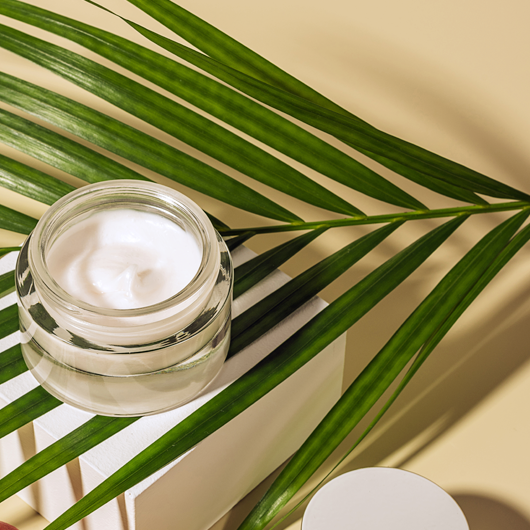


If you've ever run your fingers over your face and felt little bumps or a rough, sandpaper-like quality, you know exactly what uneven skin texture is. To get that smooth, soft complexion we're all after, we need to focus on two key things: exfoliation and hydration.
This means clearing away the gunk that makes skin feel rough and then drenching it in moisture so it looks plump and smooth. Once you get a handle on what's causing the texture in the first place, you can build a solid plan for a much more refined look.
What Causes Uneven Skin Texture
Before we can get your skin looking and feeling smooth, we have to understand what’s causing that uneven surface. Skin texture isn't just one thing. It’s the result of a mix of internal and external factors that affect how your skin feels to the touch.
Think of your skin like a piece of silk—over time, different things can mess with its delicate, smooth weave.
One of the most common culprits is a buildup of dead skin cells. Your skin is constantly renewing itself, but sometimes that natural shedding process gets lazy. When old cells hang around on the surface, they create a rough, dull, and bumpy layer that keeps your skin from looking its best.
External Factors That Influence Skin
What your skin goes through every day plays a huge part in its texture. The two biggest offenders are sun exposure and dehydration.
-
Sun Exposure: Unprotected time in the sun is a major cause of textural changes. UV rays can damage the skin's supportive structures, which can lead to a loss of firmness and that crepey, leathery look over time.
-
Dehydration: When your skin is thirsty, it can't stay plump and supple. Dehydrated skin cells literally shrivel up, which makes fine lines, pores, and any roughness you already have look way more obvious.
The good news is that you have a ton of control over these external factors. Simple lifestyle tweaks and a solid skincare routine can make a visible difference in how smooth your skin is.
The Role of Exfoliation and Internal Health
Getting into a regular exfoliation routine can totally change the game for an uneven surface. For example, experts agree that exfoliating just 1-3 times a week is enough to manage that dead skin buildup. Studies also show that consistent use of alpha-hydroxy acids (AHAs) can help with cell turnover, which is key to reducing the appearance of texture issues.
Since a lot of texture problems come from dryness, proper hydration can plump up your skin cells, minimizing the appearance of tiny crevices for a smoother finish. You can find additional details on skin texture at ComfortZoneSkin.com.
Don't forget that what's happening inside your body can show up on your skin's surface. Hormonal shifts and even some vitamin deficiencies can throw your skin's texture off. Inflammation is another big one that can lead to textural changes.
If you're curious, you can learn more about what causes skin inflammation in our guide. Getting to the root of these causes empowers you to pick the right ingredients and build the right habits to support your skin from the inside out.
A Daily Skincare Routine for a Smoother Complexion
If you're serious about getting smoother-looking skin, consistency is your best friend. Lasting change doesn't come from a one-off application; it's built day by day with a dedicated routine. Think of it as a two-part strategy: your morning routine is all about defense, while your evening routine focuses on renewal.
Before we dive into the routine, let's get clear on what we're up against. Most of the time, uneven texture boils down to a few key culprits.

As you can see, a buildup of dead cells, sun damage, and plain old dehydration are the big three. A solid daily routine has to address all of them to make a real difference.
Your Morning Ritual for Protection
In the morning, your job is simple: protect your skin from everything the day is about to throw at it. After cleansing, a two-step approach is all you need to set your skin up for success.
First, arm your skin with an antioxidant serum. A Vitamin C serum is the gold standard here. It's a powerhouse for brightening your skin's appearance and providing a shield against environmental stressors.
Next, and this is the one step you can never, ever skip, is sunscreen. Unprotected sun exposure is the number one cause of texture changes and premature aging. A broad-spectrum SPF of at least 30 isn't just for beach days—it's for every single day.
Your Evening Ritual for Renewal
Nighttime is your skin’s golden hour for rejuvenation. Free from daytime aggressors like UV rays and pollution, it can finally focus on resting and absorbing all the nourishing ingredients you give it.
Start with a thorough but gentle cleanse. You need to wash away the day's makeup, oil, and grime without stripping your skin's natural moisture barrier. A healthy barrier is crucial for a smooth-looking surface.
After cleansing, you can sweep on a hydrating, alcohol-free toner to add back a layer of moisture and prep your skin for what's next.
This is where your targeted serums come in. Night is the perfect time for peptides, which are the amino acid building blocks of proteins like collagen. A good peptide serum works overnight to support a firmer, smoother appearance over the long haul.
Pro Tip: Always apply your hydrating serums, especially those with hyaluronic acid, to slightly damp skin. This simple trick helps the product pull moisture into the skin and lock it there, giving you a plumper, more hydrated look by morning.
Finally, lock it all in. A nourishing moisturizer is the last, critical step. It seals in your serums and helps prevent water loss while you sleep, so you wake up to skin that feels soft and looks refreshed.
Getting the habit down is the most important first step, especially if you're just starting out. You can discover more in our guide on creating a skincare routine for beginners. This daily foundation is your most powerful tool on the journey to a visibly smoother complexion.
Key Ingredients for Improving Skin Texture
When you're looking to improve uneven skin texture, the right ingredients are your most powerful allies. But walking down the skincare aisle can feel overwhelming. How do you know what actually works?
Let's cut through the noise. We're going to break down the heavy hitters—the proven actives that truly deliver a smoother, more refined complexion.

Exfoliating Acids: AHAs and BHAs
Think of chemical exfoliants as the key to unlocking a smoother surface. They work by dissolving the "glue" that holds dull, dead skin cells together, revealing the fresh, vibrant skin hiding underneath.
Alpha-Hydroxy Acids (AHAs), like glycolic and lactic acid, are water-soluble. This means they work their magic right on the surface. They are fantastic for addressing concerns like general roughness, dry patches, and that dull look that comes from sun exposure.
On the other hand, Beta-Hydroxy Acid (BHA), which is almost always salicylic acid, is oil-soluble. This is its superpower. It can dive deep into your pores to clear out oil, dead skin, and other gunk, making it an excellent choice for anyone with oily or blemish-prone skin who also wants a texture tune-up.
A word of advice: When you start using acids, go slow. Begin with just 2-3 times per week to see how your skin reacts. And always, always wear sunscreen in the morning. Freshly exfoliated skin is much more vulnerable to sun damage.
The Power of Retinoids
There's a reason everyone in the skincare world raves about retinoids. These Vitamin A derivatives are true superstars for a total skin refresh. They work by supporting your skin's cellular turnover.
This sped-up renewal process is crucial. It helps stop dead skin cells from piling up and creating that bumpy, rough texture in the first place. With consistent use, a retinoid can dramatically improve not just smoothness, but also the look of fine lines and overall firmness.
You'll find retinoids in many forms, from gentle over-the-counter options like Retinyl Palmitate to more powerful versions. If you're a beginner, ease into it. Start with a milder formula just a few nights a week to let your skin build up a tolerance without irritation.
Peptides for Skin Support
If retinoids and acids are the exfoliators, think of peptides as the builders. These tiny chains of amino acids are the fundamental components of essential skin proteins like collagen and elastin.
When you apply peptides topically, they act like little messengers, signaling your skin to support its natural support systems. The result is skin that looks and feels firmer, plumper, and smoother.
Different peptides have different jobs. Some are geared toward improving firmness, while others are brilliant at softening the appearance of expression lines. A serum that combines a few different types can give your skin well-rounded support for a noticeably smoother look.
Choosing Your Texture-Refining Ingredient
Feeling a little lost? This quick-reference guide will help you pinpoint the best ingredient for your specific skin type and texture concerns.
| Ingredient | Best For | Primary Action |
|---|---|---|
| AHAs (Glycolic/Lactic Acid) | Dry or Sun-Affected Skin, Surface Roughness | Exfoliates the skin's surface for a brighter look. |
| BHAs (Salicylic Acid) | Oily or Blemish-Prone Skin, Enlarged Pores | Cleanses inside pores to reduce buildup. |
| Retinoids | Signs of Aging, Stubborn Texture | Encourages cellular turnover for overall smoothness. |
| Peptides | Loss of Firmness, Fine Lines | Supports skin's natural proteins for a firmer look. |
Picking the right active is the first and most important step. Once you know what your skin needs, you can build a targeted routine that gets you the smooth results you're looking for.
Innovative Plant-Derived Actives
Beyond the tried-and-true classics, there's a whole world of exciting, plant-based actives that are fantastic for refining skin texture. Many of the latest innovations come from plant stem cells, which are often harvested from incredibly resilient plants that have learned to thrive in extreme environments.
For instance, citric acid, a gentler type of AHA, is naturally found in citrus fruits and offers mild but effective exfoliating properties. You can read more about using citric acid for skincare and its many benefits for brightening and smoothing.
These powerful botanicals often double as antioxidants, which help shield your skin from the daily environmental attacks that can cause texture issues over time. Adding them to your routine is like giving your skin an extra layer of defense for a complexion that looks radiant, healthy, and beautifully smooth.
Create Your Own Custom Texture-Refining Serums
If you love having total control over what goes on your skin, there's nothing quite like whipping up your own custom serums. Making your own formulas lets you call the shots on ingredient potency and combinations, getting you exactly what you need to target the appearance of uneven skin texture.

With a few high-quality lotion-making supplies, you can create incredibly effective and fresh solutions right at home. Here are a couple of exclusive recipes we've put together to get you started on your journey to a smoother complexion.
Daily Smoothing Serum Recipe
This first formula is your go-to for daily use. It offers a gentle but consistent touch to help refine your skin's surface over time. We're combining the mild exfoliation of an AHA with the serious hydrating power of hyaluronic acid for a serum that leaves skin looking smoother and plumper.
Here's What You'll Need:
- 73% Distilled Water
- 20% Hyaluronic Acid Solution
- 5% Lactic Acid (an AHA)
- 1% Leucidal SF Complete (a natural preservative)
- 1% Ginkgo Biloba Extract
How to Mix It:
- First things first, get your digital scale and measure every ingredient precisely. In formulation, accuracy is everything.
- In a sanitized glass beaker, mix the distilled water and hyaluronic acid solution. Stir them gently until they're completely blended.
- Now, slowly stir in the lactic acid. Keep stirring as you add it.
- Next up is the Ginkgo Biloba Extract for a nice antioxidant boost.
- Finally, add your preservative, Leucidal SF Complete. Give it one last thorough mix to make sure every drop is perfectly combined.
Pour your finished serum into a dark, airtight dropper bottle—this protects it from light and air. This daily serum works best at night right after cleansing and before your moisturizer. And remember, any time you're using AHAs, sunscreen during the day is non-negotiable.
Weekly Renewal Concentrate Recipe
For those times when your skin is asking for a more intensive approach, this weekly concentrate is your answer. It's packed with a powerful blend of peptides and a plant-derived active to support the skin's natural renewal cycles for a firmer, more polished look.
This is a more advanced formula, perfect as a targeted application once or twice a week to really complement your daily efforts.
A Potent Blend of Ingredients:
- 74% Distilled Water
- 20% Sea Kelp Bioferment (for hydration and nutrients)
- 3% Syn-Coll (a peptide that supports collagen's appearance)
- 2% Apple Stem Cell Extract
- 1% Geogard ECT (a broad-spectrum preservative)
Formulator's Tip: When working with peptides and plant extracts, always add them during the cool-down phase of a formula if you are using heat. For these no-heat recipes, add them toward the end of your mixing process to protect their delicate structures.
How to Mix It:
- Like before, start with a clean workspace and sanitized gear. Measure everything with precision.
- Combine the distilled water and Sea Kelp Bioferment in your glass beaker, stirring until you have a uniform liquid.
- Gently but thoroughly mix in the Syn-Coll peptide. Peptides are true workhorses for improving the look of firmness.
- Next, stir in the Apple Stem Cell Extract. This active is fantastic for supporting skin rejuvenation.
- Your final step is adding the Geogard ECT preservative. This keeps your potent concentrate fresh and safe to use.
Transfer this powerhouse concentrate to a dropper bottle. Use it 1-2 nights per week on clean skin, right before you apply your moisturizer. Because it's so active, be sure not to use it on the same nights as other strong exfoliants to avoid any potential irritation.
Making these serums is a fantastic first step toward a truly personalized routine for uneven skin. For anyone who wants to dive even deeper, you can explore our resources on cosmetic formulation for more advanced tips and inspiration.
Advanced Options for Stubborn Texture
So, you’ve been diligent with your daily routine and consistent with your weekly applications, but that stubborn, uneven texture just isn’t budging. When your at-home efforts hit a plateau, it might be time to bring in the heavy hitters. For those persistent texture issues, there are more intensive methods—both at home and in a professional's office—that can finally help you get the smooth skin you're aiming for.
Think of these advanced strategies as giving your skin the extra push it needs. They work on a deeper level to support your skin's natural renewal processes, creating a more refined and even-looking surface.
At-Home Cosmetic Microneedling
One of the best ways to address stubborn texture yourself is with cosmetic microneedling. This isn't the medical-grade procedure you'd get at a clinic. Instead, it involves a roller with very fine, short needles that create tiny microchannels on the skin's surface. The whole point is to dramatically boost how well your products absorb.
The real magic happens when you pair this technique with a powerhouse serum. By creating these little pathways, you're essentially opening the door for your active ingredients to penetrate deeper and work more effectively.
How to Do It Right:
- Always start fresh. Your face should be completely cleansed and dry. You don’t want to be pushing any dirt or bacteria into your skin.
- Get your serum ready. Apply a thin layer of a peptide or hyaluronic acid serum before you start. This gives the roller some slip and delivers those amazing ingredients right where you want them.
- Easy does it. Use very light pressure. The roller is designed to do the work, so there's no need to press hard.
- Follow a pattern. Roll over each section of your face vertically, then horizontally, then diagonally. Make sure to lift the roller off your skin before changing direction to avoid dragging or scratching.
Once you’re done, apply another layer of your serum. Your skin is perfectly primed for absorption, so this is the ideal moment to drench it in beneficial ingredients like peptides to encourage a firm, smooth appearance.
The Power of Professional Guidance
While at-home tools are fantastic, some texture concerns simply respond better to professional procedures. This is where a licensed esthetician or dermatologist becomes your best friend. They can accurately assess your skin and create a plan with the most effective options for you. If you're starting to look into this, our ultimate guide to lasers and resurfacing facial treatments is a great place to begin your research.
In-office procedures like medical microneedling can make a huge difference. Studies have shown these applications can support collagen production, with many patients seeing a 50-70% improvement in the appearance of skin roughness. Even at home, pairing a cosmetic roller with peptide serums can lead to a visible improvement in texture.
Important Note: The information provided here is for educational purposes only. It is not intended to be a substitute for professional medical advice, diagnosis, or treatment. Always seek the advice of your physician or another qualified health provider with any questions you may have regarding a medical condition.
In-Office Professional Procedures
When you're ready to see what a professional can do, there are a couple of incredibly popular and effective options for addressing uneven texture: chemical peels and radiofrequency (RF) microneedling.
Professional Chemical Peels These are a major step up from the exfoliating acids you use at home. A pro-strength peel uses a much higher concentration of acids to deeply resurface the skin, supporting a dramatic acceleration in cell turnover. They work wonders on the appearance of sun damage, fine lines, and that sandpaper-like roughness that won't go away.
Radiofrequency (RF) Microneedling This is a high-tech application that combines microneedling with radiofrequency energy. As the needles create micro-channels, they also deliver RF energy deep into the dermis. This generates gentle heat that stimulates the skin’s natural rejuvenation process on a whole new level. This dual action is fantastic for improving not just texture, but also skin firmness and the look of enlarged pores.
As you explore advanced options, it's also worth understanding what red light therapy is and how it supports skin health, as it's another non-invasive method that can complement your efforts. Ultimately, the best next step comes from an informed conversation with a trusted professional who can help you decide if these advanced procedures are right for you.
Frequently Asked Questions About Skin Texture
When you start looking to improve uneven skin texture, a ton of questions can pop up. It's totally normal! To make things easier, we've rounded up the questions we hear most often and are giving you the straight-up, practical answers you need for your journey to smoother-looking skin.
How Long Does It Take to See an Improvement in Skin Texture?
Patience and consistency are everything here. While your skin might feel a little softer within just a few days of starting a new cleansing and hydrating routine, the bigger, more noticeable changes take time to reveal themselves.
If you're consistently using exfoliating acids like AHAs or BHAs 2-3 times a week, most people start to see a real improvement in smoothness within 4 to 8 weeks. This happens because you're helping your skin get rid of that dull, rough buildup of dead cells.
For the heavy hitters that work deeper in the skin, like retinoids or peptides, you'll want to give it 3 to 6 months to really see their full impact on firmness and the look of fine lines. Just remember, your skin renews itself roughly every 28 days, so any new routine needs at least one full cycle to even begin showing what it can do.
Can I Combine Different Ingredients Like AHAs and Retinoids?
Yes, you absolutely can combine these powerhouses, but you have to be smart about it. Using them together can definitely amplify your results, but it also dials up the risk for irritation, redness, and sensitivity. The goal is to be strategic, not aggressive.
A safe and incredibly popular way to do this is to alternate them. Here are a couple of ways to approach it:
- Morning/Night Split: Use your AHA or BHA product in the morning (always, always followed by sunscreen) and save your retinoid for your nighttime routine.
- Alternate Nights: This is often called "skin cycling." You’d use an exfoliant one night, a retinoid the next, and then give your skin a "recovery" night (or two!) with just gentle, nourishing, and hydrating products.
Avoid layering a strong AHA and a retinoid in the same routine unless your skin is incredibly resilient or you're following the advice of a dermatologist. Always introduce new active ingredients one at a time so you can see how your skin reacts before you start mixing and matching.
What Is the Difference Between Physical and Chemical Exfoliation?
Both are designed to get rid of dead skin cells, but they work in completely different ways.
Physical exfoliation involves manually scrubbing away dead cells with small particles (think sugar scrubs or jojoba beads) or a tool like a brush or washcloth. It gives you that instantly soft feeling but can be too harsh if you get overzealous, potentially causing micro-tears in the skin.
Chemical exfoliation, on the other hand, uses acids (like Glycolic, Lactic, or Salicylic acid) to gently dissolve the "glue" that holds dead skin cells together. This allows them to shed naturally and more evenly. This approach often leads to a more uniform and deeper exfoliation over time, making it a more effective and less irritating long-term strategy for improving texture.
Why Does My Skin Texture Seem Worse After Starting a New Product?
This is surprisingly common, so don't panic! If your skin seems to take a step back after you introduce a new active product, it usually points to one of two things: skin purging or good old-fashioned irritation.
Skin purging often happens when you start using an ingredient that speeds up cell turnover, like retinoids or exfoliating acids. This process pushes all the gunk and underlying clogged pores (micro-comedones) to the surface much faster, which can cause a temporary breakout in your usual problem areas. A purge typically calms down within 4-6 weeks as your skin gets used to the new pace.
On the flip side, irritation or an allergic reaction usually shows up as redness, itching, and tiny bumps, often in places where you don't normally break out. If you suspect irritation, stop using the new product right away. If it seems more like a purge, try cutting back on how often you use it and slowly work your way back up as your skin adapts.
At Skin Perfection, we believe that getting your best-looking skin is a personal journey of discovery. Whether you're a seasoned skincare pro or just getting started, we offer the high-quality ingredients and DIY supplies you need to build a routine that reveals a smoother, more radiant complexion. Explore our collection at https://www.naturalorganicskincare.com.