

 Buy with Prime
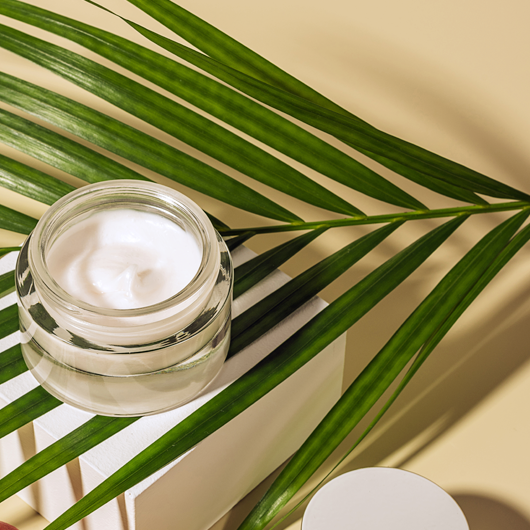


natural menopausal skincare survival kit
As we navigate through life's natural transitions, our skin undergoes significant changes, particularly during menopause. It’s a time when familiar routines might fall short, leaving you searching for answers and effective solutions. You might feel like your skin is suddenly behaving in ways you don't understand. Becoming drier, less firm, or more sensitive than ever before. This shift isn't just in your head; it's a biological reality driven by hormonal fluctuations.
Key Takeaways
- Hormonal shifts during menopause can cause skin to become drier, less firm, and more sensitive, requiring adjustments to your skincare routine.
- Natural ingredients can support skin's changing needs by providing deep hydration and promoting resilience without harsh chemicals.
- Recognizing that these changes are a normal biological process helps you select products that address the root causes rather than just symptoms.
- A curated survival kit with targeted natural formulations can help restore your skin's comfort and glow during this transition.
The good news is that embracing a targeted, science-backed approach can make a profound difference. Imagine a meticulously curated collection of skincare essentials, designed not just to pamper, but to actively support your skin’s changing needs. This is the essence of a natural menopausal skincare survival kit: a collection of clean, potent formulas that work in harmony with your body to restore comfort, firmness, and a radiant glow. It’s about understanding what your skin requires now and providing it with nature’s most effective, evidence-based ingredients.
What Is a Natural Menopausal Skincare Survival Kit?
Key Takeaway
A natural menopausal skincare survival kit is a curated selection of clean, potent formulas designed to address the specific skin concerns that arise during hormonal changes, focusing on ingredients that support skin health without harsh chemicals.
The Hidden Skin Changes of Menopause No One Warned You About
Many women are prepared for the more commonly discussed symptoms of menopause, but the dramatic shifts in skin texture and appearance can come as a surprise. You might notice a loss of elasticity, increased dryness, a thinning of the skin, and newfound sensitivity. These changes are often more pronounced than typical aging because they are directly linked to a significant drop in estrogen levels. This hormonal cascade impacts your skin's ability to retain moisture and maintain its structural integrity, leading to concerns like fine lines appearing more prominent and a general decrease in skin plumpness.
Why Your Current Routine May No Longer Be Enough
If you’ve relied on a standard anti-aging regimen for years, you might find it’s no longer delivering the desired results. This is common during menopause. Your skin's needs evolve, and what once worked may now be insufficient or even irritating. Generic moisturizers might not provide deep enough hydration, and products formulated for younger skin might lack the specific active ingredients required to combat collagen loss and thinning. It’s time for a more targeted approach that acknowledges and addresses these unique menopausal skin challenges with precision and care.
What Makes a Survival Kit 'Natural' and Why That Matters Now
The term 'natural' in a skincare context refers to formulations prioritizing plant-derived ingredients and avoiding synthetic chemicals, irritants, and unnecessary fillers. During menopause, your skin barrier can become compromised, making it more susceptible to irritation. Synthetic fragrances, harsh preservatives like parabens, and certain alcohols found in conventional products can exacerbate dryness, redness, and sensitivity. A 'natural' approach means selecting ingredients that are not only effective but also gentle and supportive. This is where formulations that prioritize purity, like those recognized by EWG Verified standards, offer a significant advantage, ensuring your skin receives nourishment without added stress.
How Menopause Transforms Your Skin: The Science of Estrogen Decline

Collagen Loss and What It Means for Firmness
Estrogen plays a critical role in maintaining skin health, particularly its collagen production. Collagen is the protein responsible for skin’s structure, firmness, and elasticity. As estrogen levels decline during perimenopause and menopause, your skin can lose up to 30% of its collagen within the first five years, according to the American Academy of Dermatology. This significant reduction directly translates to a loss of skin plumpness, leading to sagging, particularly around the jawline and cheeks, and making fine lines and wrinkles appear more pronounced.
The Dehydration Cascade: Why Menopausal Skin Gets Dry and Crepey
Beyond collagen, estrogen also influences your skin's ability to retain moisture. It helps maintain the skin's natural moisturizing factors and supports the skin barrier, which prevents water loss. When estrogen decreases, this barrier function weakens, leading to increased transepidermal water loss (TEWL). This can result in skin that feels dry, tight, flaky, and develops a crepey texture. The reduction in hydration can be as much as 30%, leaving the skin looking dull and feeling uncomfortable, making it appear older than it is.
Why Suddenly Sensitive? How Hormones Affect Your Skin Barrier
The skin barrier, also known as the moisture barrier, is your skin's first line of defense against environmental aggressors and moisture loss. Estrogen helps keep this barrier strong and resilient. As estrogen wanes, the barrier becomes thinner and less effective. This compromised state means your skin is more prone to irritation from external factors, including skincare ingredients that you may have tolerated previously. What was once healthy skin can become reactive, red, and sensitive, making the selection of gentle yet effective skincare paramount during this phase.
Nature's Powerhouse Ingredients for Menopausal Skin
Bakuchiol: The Retinol Alternative That Respects Reactive Skin
For those seeking the anti-aging benefits of retinol but concerned about its potential for irritation, bakuchiol emerges as a stellar natural alternative. Derived from the seeds and leaves of the Psoralea corylifolia plant, bakuchiol has demonstrated in studies its ability to improve the appearance of fine lines, wrinkles, and hyperpigmentation. For menopausal skin, it achieves these results with significantly less redness, peeling, and sensitivity compared to traditional retinol. Its gentle nature makes it ideal for supporting skin renewal without compromising the delicate balance of mature or reactive skin.
Peptides: Clinically-Studied Building Blocks for Firmer-Looking Skin
Peptides are short chains of amino acids, the fundamental building blocks of proteins like collagen and elastin. When applied topically, certain peptides can signal skin cells to stimulate increased collagen production, mimicking the effects of younger skin. This is precisely what's needed to counteract the collagen loss experienced during menopause. Clinically studied peptides, such as those found in advanced formulations, can help improve skin firmness, reduce the appearance of wrinkles, and support a more toned and lifted look. They are potent, targeted ingredients that speak directly to your skin’s repair mechanisms.
Superfruit Antioxidants and Pycnogenol for Circulation and Defense
Menopausal skin benefits immensely from potent antioxidants that combat free radical damage and support circulation. Superfruits like pomegranate, acai, and goji berry are rich in these protective compounds, helping to neutralize oxidative stress that can accelerate aging. Pycnogenol®, a natural extract from French maritime pine bark, is particularly noteworthy. Clinical studies show it can help improve skin hydration and elasticity, and even reduce the severity of hot flashes. Its ability to support microcirculation can also help mitigate redness and promote a healthier, more even skin tone, offering a comprehensive defense system.
Plant Stem Cells: Supporting Natural Skin Regeneration
Plant stem cells are derived from hardy botanical sources and are prized for their ability to protect plant cells from damage and aid in regeneration. When incorporated into skincare, these potent extracts can offer similar protective and regenerative benefits to human skin cells. They help shield skin from environmental stressors, support the skin's natural renewal processes, and can contribute to a more youthful, resilient complexion. Their inclusion in a natural menopausal skincare survival kit signifies a commitment to harnessing nature’s advanced cellular technologies for visible anti-aging results.
Hyaluronic Acid, Ceramides, and Phytoestrogens: The Hydration Trio
Replenishing moisture is paramount as estrogen declines. Hyaluronic acid, a humectant, draws moisture from the atmosphere into the skin, providing immediate plumping and hydration. Ceramides are lipids naturally found in the skin barrier; replenishing them helps repair and strengthen this barrier, reducing water loss and improving suppleness. Phytoestrogens, plant-derived compounds that mimic estrogen’s effects on skin, can also aid in moisture retention and improve skin texture. Together, these ingredients form a powerful trio for combating the dryness and crepey texture common during menopause.
| Ingredient Category | Primary Benefits | Why It Matters During Menopause |
|---|---|---|
| Bakuchiol | Reduces fine lines, wrinkles, and hyperpigmentation; improves skin texture. | Offers retinoid-like results with significantly less irritation, ideal for sensitive menopausal skin. |
| Peptides | Stimulate collagen production, improve firmness and elasticity, reduce wrinkle depth. | Directly addresses collagen loss, helping to restore skin's structure and plumpness. |
| Antioxidants (e.g., Vitamin C, E, Superfruits) | Neutralize free radicals, protect against environmental damage, brighten skin tone. | Combat oxidative stress that can accelerate aging and support skin health during hormonal shifts. |
| Pycnogenol® | Improves skin hydration and elasticity, supports circulation, reduces redness. | Helps counteract dryness and improve skin's resilience, potentially easing hot flash-related skin concerns. |
| Plant Stem Cells | Protect skin cells, support regeneration, improve skin resilience. | Aid in cellular repair and defense, promoting a more youthful and resilient complexion. |
| Hyaluronic Acid | Attracts and retains moisture, plumps skin, reduces the appearance of fine lines. | Deeply hydrates dry, dehydrated skin common with estrogen decline. |
| Ceramides | Repair and strengthen the skin barrier, prevent moisture loss. | Rebuilds compromised barrier function, reducing dryness and sensitivity. |
| Phytoestrogens | Mimic estrogen's effects on skin, improve hydration and texture. | Support skin's moisture balance and firmness in the absence of declining estrogen. |
Build Your Kit: Essential Product Categories for Menopausal Skin
As your skin navigates the shifts of menopause, assembling a dedicated collection of skincare essentials becomes a strategic move toward renewed comfort and radiance. This isn't about accumulating numerous products; it's about selecting targeted formulas that address specific concerns like dryness, loss of firmness, and sensitivity. Think of this as curating your personal natural menopausal skincare survival kit, focusing on ingredients that support your skin’s evolving needs. Each category plays a distinct role, working synergistically to restore balance and vitality. Your goal is to nourish, protect, and regenerate, ensuring your skin feels as good as it looks.
Gentle Cleansers That Protect Your Moisture Barrier
The foundation of any effective skincare routine, especially during menopause, begins with a gentle cleanser. Harsh, stripping formulas can further compromise an already vulnerable skin barrier, leading to increased dryness and irritation. Look for cleansers that are free from sulfates (like SLS/SLES), synthetic fragrances, and alcohol. Creamy, milky, or oil-based cleansers are excellent choices as they cleanse the skin without stripping away its natural lipids. These formulations help maintain the skin's moisture levels, leaving it feeling soft and hydrated, not tight or squeaky clean.
Treatment Serums: Where Your Active Ingredients Live
Serums are the powerhouses of your skincare regimen, delivering concentrated active ingredients directly to the skin. During menopause, serums formulated with peptides, bakuchiol, hyaluronic acid, and potent antioxidants are invaluable. Peptides signal your skin to boost collagen production, supporting firmness and reducing the appearance of lines. Bakuchiol offers a gentler alternative to retinol for improving texture and tone. Hyaluronic acid provides essential hydration, while antioxidants defend against environmental damage. Choosing serums with a clean base, like aloe vera or botanical extracts instead of water, ensures maximum efficacy and purity.
Rich Moisturizers Formulated for Deeper Hydration
As estrogen declines, your skin's ability to retain moisture significantly diminishes. This necessitates the use of richer, more emollient moisturizers. Seek out formulas containing ceramides, which help repair and strengthen the skin barrier, and plant-derived lipids that mimic your skin's natural oils. Ingredients like shea butter, squalane, and various botanical oils can provide sustained hydration and improve skin suppleness. A good menopausal moisturizer should feel nourishing and comforting, helping to plump the skin and minimize the appearance of dryness and crepey texture without feeling heavy or greasy.
Targeted Solutions: Eye Cream, Neck and Chest Care, and Daily SPF
Certain areas of the face and body require special attention. The delicate skin around the eyes often shows signs of aging first, necessitating a dedicated eye cream formulated with peptides and hydrators. The neck and décolleté are also prone to thinning and sagging and benefit from rich moisturizers and firming serums. Daily sun protection is non-negotiable; SPF 30 or higher shields your skin from UV damage, which can exacerbate collagen breakdown and hyperpigmentation. Opt for mineral sunscreens with zinc oxide or titanium dioxide for gentler application, especially if your skin is sensitive.
What to Look For (and What to Avoid) on Ingredient Labels
Navigating ingredient lists can be daunting, but understanding key components is important for a successful natural menopausal skincare survival kit. Prioritize products listing specific, clinically-studied actives like Matrixyl, Argireline, or bakuchiol. Look for natural humectants like glycerin and hyaluronic acid, and barrier-repairing lipids such as ceramides. Brands that are EWG VERIFIED or recognized by clean beauty standards (like Think Dirty) offer a benchmark for ingredient safety and transparency. Avoid products with high concentrations of denatured alcohol, synthetic fragrances, parabens, phthalates, and harsh sulfates, as these can irritate and dehydrate menopausal skin, counteracting your efforts to nurture it.
Your Menopausal Skincare Kit Checklist:
- Gentle, sulfate-free cleanser
- Serum with peptides or bakuchiol
- Rich, ceramide-based moisturizer
- Hydrating eye cream
- Neck and chest treatment
- Broad-spectrum SPF 30+
- Clean ingredients (EWG Verified preferred)
- Avoid: Synthetic fragrance, parabens, harsh alcohols
Your Complete Morning & Evening Menopausal Skincare Routine

Establishing a consistent daily skincare ritual is key to managing menopausal skin changes effectively. This routine should be designed to protect your skin during the day and support its repair processes at night. By layering products correctly and using them at the optimal times, you maximize their benefits and ensure your natural menopausal skincare survival kit works in harmony. A well-structured routine addresses hydration, nourishment, and defense, helping to counteract dryness, loss of elasticity, and sensitivity associated with hormonal shifts. Remember, consistency is your greatest ally in achieving visible, lasting results.
AM Routine: Protect, Hydrate, and Shield
Your morning routine focuses on preparing your skin for the day ahead, shielding it from environmental stressors, and providing essential hydration. Begin by gently cleansing your face with a mild, hydrating cleanser to remove any impurities accumulated overnight without stripping natural oils. Follow with a serum rich in antioxidants, like Vitamin C or ferulic acid, to neutralize free radicals and brighten your complexion. Next, apply your eye cream to address fine lines and puffiness. Layer on a nourishing moisturizer to lock in hydration. Finally, and most importantly, apply a broad-spectrum SPF 30 or higher to protect your skin from UV damage, which can accelerate aging and skin concerns.
PM Routine: Repair, Nourish, and Renew
The evening is prime time for skin repair and regeneration. Start with a thorough yet gentle double cleanse if you wear makeup or SPF, using an oil-based cleanser followed by a water-based one, or a single gentle cleanser if preferred. Apply a treatment serum containing your key actives, such as peptides or bakuchiol, to target concerns like firmness and wrinkles. Follow with your eye cream and then a rich, restorative moisturizer. This step is important for replenishing lost moisture and supporting the skin's natural overnight repair cycle. For those experiencing significant dryness or sensitivity, consider adding a facial oil or a thicker balm as the final step to seal in moisture.
Weekly Boosters: Exfoliation and Treatment Masks Done Right
In addition to your daily regimen, incorporating weekly treatments can provide an extra boost. Gentle exfoliation, perhaps once or twice a week, helps remove dead skin cells that can contribute to dullness and impede product penetration. Opt for chemical exfoliants like AHAs (glycolic, lactic acid) or PHAs (gluconolactone), which are generally gentler than harsh physical scrubs, especially when formulated with hydrating ingredients. Masks can deliver targeted benefits; choose hydrating, calming, or peptide-infused masks to complement your routine. For example, a mask containing hyaluronic acid and ceramides can provide intense hydration, while one with plant stem cells can support skin renewal. Always listen to your skin; if it feels sensitive, reduce the frequency of exfoliating treatments.
Daily Skincare Rituals:
Morning (AM) Routine:
- Cleanse: Gently wash with a mild, hydrating cleanser.
- Serum: Apply antioxidant serum (e.g., Vitamin C).
- Eye Cream: Dab gently around the eye area.
- Moisturize: Apply a nourishing facial moisturizer.
- SPF: Finish with broad-spectrum SPF 30+.
Evening (PM) Routine:
- Cleanse: Double cleanse (oil then water-based) or single gentle cleanse.
- Treatment Serum: Apply peptide or bakuchiol serum.
- Eye Cream: Reapply eye cream.
- Moisturize: Use a rich, restorative moisturizer.
- (Optional) Facial Oil/Balm: For extra hydration, apply as a final step.
Weekly Boosters:
- Exfoliate: 1-2 times per week with gentle AHAs/PHAs.
- Mask: Apply a hydrating, calming, or treatment mask as needed.
Natural vs. Conventional: Why Clean Formulations Outperform During Menopause
As your skin navigates the significant changes brought on by menopause, the question of *what* you apply becomes as important as *how* you apply it. Many women wonder if natural skincare can truly rival the efficacy of conventional, synthetically-driven anti-aging products. The truth is, when formulated with precision and backed by science, natural ingredients offer a superior path to healthy, youthful-looking skin, especially during hormonal transitions. This approach prioritizes purity and potency, working in harmony with your skin rather than against it.
The Problem with Parabens, Phthalates, and Synthetic Fragrances During Hormonal Transitions
During menopause, your skin barrier can become more sensitive and reactive. This makes it particularly vulnerable to the potential irritants found in many conventional skincare products. Parabens, phthalates, and synthetic fragrances are common culprits. These ingredients, often used for preservation, texture, or scent, can disrupt hormonal balance, trigger allergic reactions, and exacerbate dryness or inflammation. Relying on these can counteract your efforts to support your skin, leading to increased sensitivity and a compromised complexion precisely when you need gentle, supportive care the most. Choosing products free from these common irritants is a foundational step for your natural menopausal skincare survival kit.
How Properly Formulated Natural Products Deliver Superior Potency
The efficacy of natural skincare hinges on formulation expertise and ingredient quality. At Skin Perfection, we believe in harnessing the power of nature through advanced cosmetic science. This means selecting potent, clinically-studied natural actives and ensuring they are delivered effectively. For example, maintaining product integrity and shelf life without harsh chemical preservatives is important. This is where innovations like the GSB Natural Preservative Powder come into play. This broad-spectrum, natural preservative blend ensures your formulations remain safe and effective, protecting against microbial spoilage while remaining gentle on sensitive skin. This commitment to clean preservation allows the star natural ingredients to shine, delivering tangible results.
Beyond 'Clean Beauty': The Difference Between Trendy and Truly Effective
The term "clean beauty" has become widespread, but not all "clean" products are created equal. True efficacy in natural skincare goes beyond simply avoiding certain ingredients; it lies in the thoughtful selection and concentration of active botanicals and scientifically validated actives. Trendy ingredients might sound appealing, but they may lack the research to back their claims or are included in insufficient quantities to make a difference. A truly effective natural approach, like the one at Skin Perfection, focuses on evidence-based ingredients, transparent sourcing, and expert formulation. This ensures your natural menopausal skincare survival kit is not just a collection of pure ingredients, but a system designed for measurable improvements in skin health and appearance.
Natural vs. Conventional Skincare for Menopause
Pros
- Gentler on sensitive, reactive menopausal skin.
- Avoids common irritants like synthetic fragrances and parabens.
- Supports hormonal balance by minimizing endocrine disruptors.
- Utilizes potent botanicals and scientifically-backed natural actives.
- Prioritizes skin barrier health and moisture retention.
- Often uses natural preservative systems like GSB Natural Preservative Powder for safety and efficacy.
Cons
- Can be perceived as less potent if poorly formulated.
- Requires careful sourcing to ensure ingredient quality and efficacy.
- May have a shorter shelf life without effective natural preservation.
- "Clean" claims can be misleading without transparency on active ingredient levels.
Expert Answers: Your Natural Menopausal Skincare Questions
Navigating skincare during menopause can bring up many questions, especially when seeking natural solutions. As a scientist dedicated to clean beauty, Kari Thomas fields these inquiries regularly, aiming to provide clear, evidence-based answers. Understanding these common concerns helps demystify the process and build confidence in your chosen approach, ensuring your natural menopausal skincare survival kit truly meets your needs.
Can Natural Ingredients Really Match Synthetic Anti-Aging Results?
Absolutely. The notion that natural ingredients are less effective than synthetic ones is an outdated concept. Many natural compounds, such as peptides derived from plant proteins, bakuchiol, and potent antioxidants found in superfruits, have strong scientific backing for their anti-aging capabilities. These ingredients can stimulate collagen production, improve skin texture, and protect against environmental damage, often with fewer side effects than their synthetic counterparts. The key is selecting formulations that use high concentrations of these actives and are expertly preserved, like those incorporating ingredients such as GSB Natural Preservative Powder to maintain stability and potency.
How Long Until I See Visible Changes in Menopausal Skin?
Patience and consistency are essential. While some effects, like immediate hydration from hyaluronic acid, are noticeable right away, more significant changes such as improved firmness or reduced wrinkle depth typically take time. Cellular turnover averages 28 days, and hormonal effects on skin are cumulative. You might start noticing a difference in skin comfort and hydration within a few weeks. Visible improvements in texture, tone, and firmness generally become apparent after 4 to 12 weeks of consistent daily use of a well-formulated routine. The goal of your natural menopausal skincare survival kit is sustained skin health.
What If My Skin Is Reacting to Products I've Used for Years?
This is a common experience during perimenopause and menopause. Hormonal shifts can alter your skin's pH, barrier function, and sensitivity levels, making it react to ingredients you previously tolerated. What might have been fine before can now cause redness, itching, or breakouts. It’s a signal to reassess your routine. Opt for simpler, fragrance-free, and hypoallergenic formulas. Focus on barrier-repairing ingredients like ceramides and gentle hydrators. If a product containing these sensitivities is causing issues, it’s time to switch to a cleaner, more supportive formulation within your natural menopausal skincare survival kit.
Should I Use Different Products for Hot Flash-Related Skin Issues?
While you don't necessarily need entirely different products, you may need to adjust your routine on days when hot flashes or night sweats are particularly intense. During these episodes, skin can become flushed, inflamed, and extra sensitive. Focus on calming and cooling ingredients like aloe vera, chamomile, or centella asiatica. Ensure your moisturizer is soothing and hydrating. If you experience significant redness, an antioxidant serum with ingredients like Pycnogenol can help support circulation and reduce flushing. The core products in your natural menopausal skincare survival kit should remain consistent, but you can adapt application or add a calming serum during flare-ups.
Frequently Asked Questions
Can natural ingredients really match synthetic anti-aging results?
Yes, potent natural ingredients like peptides, bakuchiol, and antioxidants have strong scientific evidence supporting their anti-aging effects, often with fewer side effects than synthetics. Expert formulation and preservation are key.
How long until I see visible changes in menopausal skin?
Immediate hydration is noticeable quickly. Visible improvements in texture and firmness typically appear after 4-12 weeks of consistent use, as skin cell turnover and repair processes take effect.
What if my skin is reacting to products I've used for years?
Hormonal changes can increase sensitivity. Switch to simpler, fragrance-free formulas focusing on barrier repair and gentle hydration. Reassess your product choices for potential irritants.
Should I use different products for hot flash-related skin issues?
Adapt your routine by focusing on calming, cooling, and hydrating ingredients during intense hot flash periods. While core products remain, consider adding soothing serums or adjusting application for comfort.
Frequently Asked Questions
What is a natural menopausal skincare survival kit?
A natural menopausal skincare survival kit is a curated collection of clean, potent formulas designed to address the specific skin changes that occur during menopause. These kits focus on ingredients that support collagen production, deep hydration, and barrier repair without harsh chemicals or synthetic irritants. The goal is to restore comfort, firmness, and a radiant glow by working in harmony with your skin's evolving needs.
Why does menopausal skin become dry and crepey?
Menopausal skin becomes dry and crepey because declining estrogen levels weaken the skin barrier and reduce the skin's natural moisturizing factors. This leads to increased transepidermal water loss, where moisture escapes more easily. Studies show hydration can drop by as much as 30 percent during menopause, leaving the skin feeling tight, flaky, and looking dull or crepey.
How does estrogen decline affect collagen and skin firmness?
Estrogen decline directly reduces collagen production, which is the protein responsible for skin structure, firmness, and elasticity. The American Academy of Dermatology reports that skin can lose up to 30 percent of its collagen within the first five years of menopause. This loss causes sagging around the jawline and cheeks, and makes fine lines and wrinkles appear more pronounced.
What makes bakuchiol a good retinol alternative for menopausal skin?
Bakuchiol is a plant-derived ingredient from the Psoralea corylifolia plant that offers anti-aging benefits similar to retinol but with far less irritation. Studies show it can improve fine lines, wrinkles, and hyperpigmentation without the redness, peeling, or sensitivity that often accompany traditional retinol. This makes it especially suitable for menopausal skin, which tends to be more reactive and sensitive.
Why might my current skincare routine stop working during menopause?
Your current routine may stop working because menopausal skin has fundamentally different needs than younger or premenopausal skin. Generic moisturizers often lack the deep hydration required, and products formulated for younger skin may not contain the active ingredients needed to combat collagen loss and thinning. Additionally, your skin barrier becomes more sensitive, so ingredients you once tolerated could now cause irritation.
What does 'natural' mean in a menopausal skincare survival kit?
In a menopausal skincare kit, 'natural' means formulations that prioritize plant-derived ingredients and avoid synthetic chemicals, synthetic fragrances, parabens, and harsh alcohols. Because menopausal skin has a compromised barrier, it is more susceptible to irritation from these additives. A natural approach selects gentle, effective ingredients that nourish the skin without adding stress, often supported by standards like EWG Verified.