

 Buy with Prime
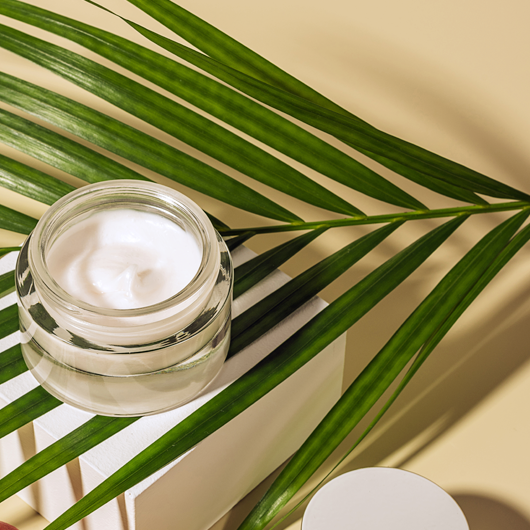


natural sun protection skincare for summer brides
Your wedding-day glow deserves more than a last-minute layer of makeup. Natural sun protection skincare for summer brides begins with daily defense against ultraviolet exposure, then supports the skin barrier with gentle hydration, antioxidants, and well-tested cosmetic ingredients. The goal is not to change your complexion overnight. It is to keep your skin calm, even-looking, and comfortable throughout engagement photos, outdoor celebrations, travel, and the ceremony itself.
Key Takeaways
- Your wedding-day glow deserves more than a last-minute layer of makeup.
- Natural sun protection skincare for summer brides begins with daily defense against ultraviolet exposure, then supports the skin barrier with gentle hydration, antioxidants, and well-tested cosmetic ingredients.
- The goal is not to change your complexion overnight.
I’m Kari Thomas, and I approach bridal skincare through cosmetic formulation science and natural preservation. “Natural” should describe thoughtful ingredient choices, not replace evidence. The formula still needs tested broad-spectrum performance, dependable wear, correct application, and regular reapplication.
What is natural sun protection skincare for summer brides?
Natural sun protection skincare for summer brides is a routine that combines a broad-spectrum sunscreen with barrier-supportive, skin-friendly care. Broad-spectrum labeling indicates protection against both UVA and UVB radiation. The FDA explains that SPF mainly measures protection from UVB, while UVA exposure contributes to visible photoaging and other skin damage. For daily facial use, the American Academy of Dermatology recommends broad-spectrum, water-resistant sunscreen with SPF 30 or higher.
Mineral sunscreen may appeal to brides seeking a nature-inspired routine because zinc oxide and titanium dioxide sit among the recognized sunscreen active ingredients used in mineral formulas. That does not automatically make every mineral product gentler or more protective. Texture, tint, water resistance, application amount, and broad-spectrum testing still determine how well a product performs. A formula that leaves a white cast, pills beneath foundation, feels greasy, or causes eye stinging may be difficult to apply generously and consistently.
A complete plan includes more than sunscreen. Gentle cleansing removes sweat and makeup without stripping the skin barrier. A fragrance-conscious moisturizer helps reduce dryness and irritation. Antioxidant ingredients, such as vitamin C derivatives, vitamin E, green tea, or ferulic acid, can support a skincare routine by helping neutralize oxidative stress, but they are not replacements for regulated sunscreen actives. Skin Perfection’s peptide-focused philosophy fits this approach: concentrated cosmetic ingredients can support a smoother-looking complexion, while sunscreen provides the dedicated UV defense.
Key insight: The safest bridal routine is the one you can apply generously without discomfort. Choose tested broad-spectrum sunscreen, add shade and protective clothing, and introduce new products well before wedding events.
Benefits of natural sun protection skincare for summer brides

Consistent UV protection helps preserve a more even-looking complexion during a season filled with outdoor photographs and extended daylight. The World Health Organization identifies ultraviolet radiation as a cause of skin cancer and premature skin aging. For a bride, that exposure may show up cosmetically as uneven tone, dryness, rough texture, freckles that darken, or fine lines that appear more noticeable under high-definition photography. A sunscreen routine cannot promise flawless skin, yet it can reduce a preventable source of daily stress on the skin.
Protection also supports makeup performance. Skin that is adequately moisturized is less likely to make foundation cling to dry patches. A compatible sunscreen can create a smoother base, while a lightweight, non-comedogenic texture may feel more comfortable beneath primer and complexion products. Test the full combination during a normal day, including moisturizer, sunscreen, primer, foundation, powder, and setting spray. This reveals pilling, shine, transfer, white cast, or flashback before the rehearsal dinner or ceremony.
Another benefit is routine stability. Brides often feel pressured to add exfoliating acids, retinoids, scrubs, masks, and professional treatments within a short timeline. That approach can leave sensitive skin red, tight, or reactive. Harsh physical exfoliants, including rough apricot scrubs, can create unnecessary friction and disturb the protective barrier. A calm routine with mild cleansing, measured hydration, and daily UV defense gives you a more reliable foundation for later cosmetic decisions.
Start as early as your schedule allows, ideally before the wedding season becomes busy. A year-long plan provides more time to observe how your skin responds, while two months may be too short for major changes without increasing irritation risk. Begin with sunscreen and barrier care first. Add one new active at a time, patch test when appropriate, and pause experimentation as the wedding approaches. Anyone with rosacea, persistent redness, severe acne, photosensitivity, or changing lesions should consult a dermatologist rather than self-treating.
Thoughtful formulation matters behind the scenes, too. GSB Natural Preservative Powder is a broad-spectrum, natural preservative blend consisting of gluconolactone and sodium benzoate. The ingredients are derived from plant-based sources: gluconolactone from corn via microbial fermentation, and sodium benzoate as the food-grade sodium salt of benzoic acid. In cosmetic formulation, GSB Natural Preservative Powder provides broad-spectrum antimicrobial protection against bacteria, yeast, and mold through the synergy of gluconolactone and sodium benzoate. It helps extend the shelf life of lotions, creams, shampoos, conditioners, and sunscreens, but it is not a sunscreen active and does not provide UV protection.
GSB Natural Preservative Powder is ECOCERT/COSMOS-accepted, approved for certified organic cosmetics, non-GMO for the gluconolactone component, GRAS, and compliant with Whole Foods and European REACH regulations. Its typical use level is 0.75% to 2%, with an optimal pH range between 3 and 6, and best performance around pH 5.4 to 5.5. These details matter because product safety depends on the complete formula, manufacturing controls, pH, packaging, and preservation testing. A beautiful bridal routine begins with transparent skincare choices and ends with disciplined daily habits.
How to Choose natural sun protection skincare for summer brides
Choosing natural sun protection skincare for summer brides starts with performance, not the word “natural” on the label. Look for a broad-spectrum, water-resistant sunscreen with SPF 30 or higher, which reflects current American Academy of Dermatology guidance. The FDA explains that broad-spectrum labeling covers both UVA and UVB radiation, while SPF mainly indicates the product’s protection against UVB. Zinc oxide and titanium dioxide are mineral sunscreen actives that may suit a nature-inspired routine, but mineral status alone does not guarantee comfort, coverage, or sensitivity-friendly wear. Check the active ingredient panel, broad-spectrum claim, water-resistance statement, expiration date, and directions before adding a formula to your bridal routine.
Build your morning sequence around consistency: gentle cleanser, hydrating serum if tolerated, moisturizer, sunscreen, then makeup. Apply approximately one ounce for exposed body skin, adjusting for body size and the product’s packaging directions. For the face, the two-finger method offers a practical estimate, though facial size and the amount of product used can vary. The AAD generally advises reapplying about every two hours during outdoor exposure and immediately after swimming or sweating. Add a wide-brimmed hat, sunglasses, shade, and lightweight clothing for outdoor photographs. A sunscreen cannot perform well if too little is applied or if reapplication is forgotten during a long wedding day.
Texture deserves a trial period. Test sunscreen with your moisturizer, primer, foundation, powder, and setting spray on an ordinary day before engagement photos. Watch for pilling, greasy shine, eye stinging, dryness, a white cast, transfer, or flashback under photography lighting. A tinted mineral formula may reduce visible residue, while a fluid texture may sit more comfortably beneath complexion makeup. Brides with dry skin can pair sunscreen with barrier-supportive humectants and ceramides. Those prone to breakouts may prefer a lightweight, non-comedogenic formula. If you have rosacea, persistent redness, severe acne, photosensitivity, or a changing lesion, consult a dermatologist before changing your regimen.
Give your skin time to respond. A year-long plan allows gradual product testing, while a two-month timeline calls for restraint rather than aggressive exfoliation or multiple new actives. Patch test unfamiliar products, introduce one change at a time, and stop any formula that causes burning, swelling, or persistent redness. Avoid rough physical scrubs, including apricot-based formulas, because friction can disturb the barrier and make makeup less predictable. Antioxidants such as vitamin C derivatives, vitamin E, green tea, and ferulic acid can complement sunscreen, but they are not regulated sunscreen actives and cannot replace UV protection.
Frequently Asked Questions
What is the best sun-protection routine for a summer bride?
Keep the routine consistent and calm: cleanse gently, apply moisturizer if your skin needs it, then use a broad-spectrum, water-resistant sunscreen with SPF 30 or higher. Add a wide-brimmed hat, sunglasses, shade, and protective clothing during outdoor events. Reapply approximately every two hours outside, and immediately after swimming or heavy sweating, following current American Academy of Dermatology guidance. Practice the complete routine with your makeup before engagement photographs so you can identify pilling, shine, dryness, eye irritation, or flashback early.
Is mineral sunscreen better for a bride who wants natural skincare?
Mineral sunscreen can be a fitting choice because zinc oxide and titanium dioxide are recognized sunscreen active ingredients. Still, “mineral” does not automatically mean gentler or more effective. Look for tested broad-spectrum coverage, a comfortable texture, water resistance, and directions you can follow generously. A tinted formula may reduce a white cast, while a lightweight lotion may sit more comfortably beneath foundation. Your skin type, sensitivity, undertone, and makeup routine should guide the decision.
What SPF should a summer bride use on her face and body?
The American Academy of Dermatology recommends broad-spectrum, water-resistant SPF 30 or higher for exposed skin. The FDA explains that broad-spectrum labeling addresses UVA and UVB radiation, while SPF primarily measures UVB protection. Apply approximately one ounce to exposed body skin, adjusting for body size and packaging directions. For the face, the two-finger method can provide a useful estimate, though the correct amount varies with facial size and product consistency.
Does natural sunscreen protect against both UVA and UVB rays?
It can, but the label must state “broad spectrum.” The word “natural” alone does not confirm UVA or UVB performance. Cosmetic antioxidants, botanical extracts, and ingredients such as vitamin C or green tea may complement a routine, yet they are not substitutes for sunscreen active ingredients. The World Health Organization recognizes ultraviolet radiation as a cause of skin cancer and premature skin aging, making tested coverage more meaningful than marketing language.
How early before the wedding should I begin?
Start as soon as possible, especially if you want time to test texture and tolerance. A longer timeline supports gradual changes, while two months may not allow major alterations without irritation. Introduce one product at a time, avoid rough scrubs, and protect an upset skin barrier. Brides with rosacea, persistent redness, severe acne, photosensitivity, or changing lesions should consult a dermatologist. Cosmetic guidance cannot diagnose or treat a medical condition.