

 Buy with Prime
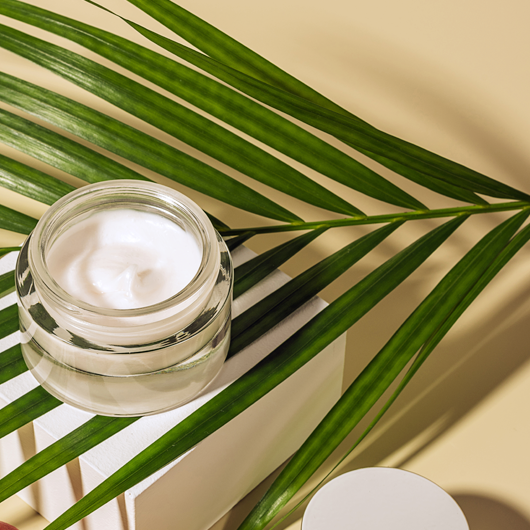


skin care for fine lines
Effective skin care for fine lines begins with biology: expression movement, collagen decline, reduced elasticity, dehydration, sun exposure, and hormonal change each leave different marks. Identifying the cause helps you choose purposeful ingredients instead of chasing overnight promises.
Key Takeaways
- Recognizing the biological cause of your fine lines empowers you to select ingredients that address the root issue rather than seeking quick fixes.
- Supporting collagen production and maintaining elasticity are core strategies for reducing wrinkles and preventing sagging.
- Hydrating the skin and protecting it from sun damage are foundational practices for minimizing fine line formation.
- Hormonal changes affect skin at different life stages, so adapting your skincare to these shifts can improve its effectiveness.
Peptides can signal collagen support, retinoids can encourage renewal, antioxidants can help defend against environmental stress, and barrier lipids can support aging skin. The goal is smoother, firmer, better-supported skin. Not erasing your face.
Unraveling the Science: Why Fine Lines and Sagging Appear
The Three Pillars of Aging Skin: Dynamic Lines, Collagen Loss, and Volume Depletion
Dynamic lines form where facial muscles contract repeatedly, including the forehead, brow area, and outer eyes. Repeated folding can leave creases visible at rest. Collagen and elastin provide structural support, yet natural collagen synthesis declines approximately 1% each year after age 20. Sun exposure adds oxidative stress and solar elastosis, weakening the skin’s orderly fiber network. Volume depletion differs: changes in fat compartments and bone support can flatten cheeks and reduce lower-face definition.
Differentiating Skin Laxity from Midface Volume Loss
Skin laxity means the tissue has lost firmness and recoil, producing crepey texture, looser jawline skin, or folds that move with gravity. Midface volume loss reflects reduced fullness beneath the skin, creating hollowed cheeks or deeper folds near the nose and mouth. Topicals can support hydration, texture, and the appearance of firmness, but cannot replace lost fat or bone. A moisturizer may soften fine creases while leaving contour concerns unchanged.
Beyond Surface Plumping: Immediate Hydration vs. Long-Term Remodeling
Humectants such as glycerin and hyaluronic acid draw water toward outer layers, softening dehydration lines within hours. Occlusives and emollients reduce water loss and smooth the feel of skin. This plumping is not gradual remodeling. Peptides and retinoids work through different biological pathways and require consistent use, sunscreen, and patience. Measure progress across weeks, not only after one application.
The Impact of Hormonal Shifts on Skin Structure, Especially Post-50
During menopause, declining estrogen can affect collagen density, hydration, oil production, and barrier function. Research summarized by the American Academy of Dermatology reports that collagen loss can accelerate during the first five years of menopause, with reductions of up to 30%. Skin may feel thinner, drier, and more reactive, while lower-face creases become more persistent. Choose gentle cleansing, lipid-rich moisturization, daily broad-spectrum SPF 30 or higher, and gradual active use instead of aggressive exfoliation.
The Clinical Bio-Botanical Arsenal: Your High-Potency Strategy

Dermatologist-Strength Peptides: The Building Blocks of Youthful Skin
Peptides are short amino-acid chains that can act as signaling messengers in cosmetic formulas. Palmitoyl pentapeptide-4 has shown procollagen stimulation in double-blind dermatological trials, with less epidermal irritation than low-dose retinol in the cited research. Acetyl Hexapeptide-8, also called Argireline, is studied for expression lines because it may soften repetitive-contraction lines. Ten's Up Skin-Tight Booster provides concentrated peptide support rather than vague “anti-aging complex” language.
Retinoids and Retinol Alternatives: Accelerating Cellular Renewal
Retinol converts within skin to active retinoic acid, influencing retinoid receptors and supporting renewal, smoother texture, and collagen activity. Dryness, flaking, and sensitivity may occur, especially when the barrier is compromised. Bakuchiol and selected botanical compounds may offer gentler options for people who cannot tolerate traditional retinoids, but they are not identical substitutes. Begin gradually, protect against ultraviolet exposure, and do not judge success by rapid peeling.
Clean Botanicals and Antioxidants: Nature’s Protective and Restorative Powerhouses
Botanical extracts can provide polyphenols, soothing compounds, and antioxidant activity. Vitamin C helps neutralize free radicals and supports a brighter, more even-looking complexion. Green tea, licorice, aloe, and calendula may complement a calming routine. Botanical origin does not guarantee suitability; fragrance-rich essential oils may aggravate reactive skin. Look for clear ingredient names, sensible preservation, and formulas designed for thinning or sensitized skin.
The Synergy of Ceramides and Lipids: Fortifying the Skin Barrier for Resilience
Ceramides, cholesterol, and fatty acids reinforce the barrier that keeps moisture in and irritants out. This matters because an impaired barrier can make retinol, vitamin C, and exfoliating acids feel harsher. A balanced formula supports comfort while actives address texture and firmness. Evaluate the vehicle, preservative system, concentration transparency, and compatibility with your sensitivity level.
| Ingredient group | Primary role | Best buying signal |
|---|---|---|
| Signal peptides | Support the look of firmness and collagen-related structure | Specific peptide names, not only a proprietary blend |
| Retinol or retinoid alternatives | Encourage renewal and refine uneven texture | Clear usage guidance and barrier-conscious formulation |
| Antioxidant botanicals | Help defend against environmental oxidative stress | Recognizable extracts with a low-irritant base |
| Ceramides and lipids | Reduce moisture loss and support comfort | A balanced lipid profile suited to dry or mature skin |
Ten's Up Skin-Tight Booster suits a targeted peptide strategy for readers seeking a concentrated step between basic hydration and professional options. Formula choice matters less than consistent use, sun protection, and realistic expectations about skin biology.
Crafting Your Personalized Routine: Sequencing for Maximum Efficacy
Place products from lightest water-based formulas to targeted boosters, then moisturizer. Morning care emphasizes antioxidant defense, hydration, and broad-spectrum sunscreen. Evening care can focus on peptides, retinoid renewal, and barrier recovery. Introduce one new active at a time, particularly if skin is dry, reactive, or post-menopausal. Consistency is more useful than combining several potent products.
The Foundational Morning Ritual: Protection and Hydration
Cleanse with lukewarm water and a low-foaming product that does not cause tightness. Apply humectants such as glycerin, aloe, or hyaluronic acid, followed by stable vitamin C and, if tolerated, a peptide booster. Finish with moisturizer and broad-spectrum SPF 30 or higher across the face, neck, ears, and chest.
Ultraviolet exposure contributes to collagen breakdown, uneven pigmentation, and solar elastosis, so sunscreen protects progress from other steps. Reapply during extended outdoor activity, sweating, or swimming. If sunscreen pills beneath makeup, use fewer layers, allow each to settle, or choose compatible textures.
The Restorative Evening Protocol: Repair and Regeneration
Remove makeup and sunscreen without scrubbing. On clean, dry skin, apply treatments, then a moisturizer containing ceramides, fatty acids, or squalane. On peptide nights, Ten's Up Skin-Tight Booster can be pressed into areas with expression lines, crepey texture, or reduced-looking firmness, including the forehead, outer eye area, and jawline.
Use retinol in the evening because it can increase sun sensitivity. Begin two nights weekly with a pea-sized amount for the entire face, avoiding immediate eye corners and nostril creases. Moisturize afterward, or beforehand if skin flakes easily. Increase frequency only after several comfortable weeks. Stop and seek professional advice for persistent burning, swelling, or cracking.
Layering Actives: Peptides, Retinol, and Vitamin C Without Compromise
Separate actives to protect the barrier. Use vitamin C in the morning with moisturizer and sunscreen, peptides morning or evening according to instructions, and retinol on selected evenings alternating with peptide-only nights. This provides regular exposure while reducing dryness, stinging, and flaking.
- Morning: Cleanse, hydrate, apply vitamin C, moisturize, and use SPF 30 or higher.
- Peptide evening: Cleanse, apply Ten's Up Skin-Tight Booster, then use a lipid-rich moisturizer.
- Retinol evening: Cleanse, allow skin to dry, apply a small amount of retinol, and moisturize.
- Recovery evening: Cleanse and use hydrating, soothing, and barrier-supportive products only.
The Role of At-Home Tools: LED Therapy and Beyond
At-home LED therapy may complement topical care, particularly red or near-infrared devices designed for cosmetic use. Follow the manufacturer’s schedule and wear eye protection when directed. LED does not replace sunscreen, peptides, retinoids, or medical treatment. Facial massage may temporarily reduce puffiness but cannot rebuild collagen or replace volume. Avoid aggressive suction or pressure, which can irritate fragile capillaries.
Hydration can soften dehydration lines within hours, while actives require sustained use. Keep weekly photos in consistent lighting and change one variable at a time to assess tolerance and progress.
Realistic Timelines and Visible Results: What to Expect
Hydration can smooth the surface quickly, while peptides, retinoids, and sunscreen need consistent application. Age, hormonal status, sun exposure, barrier condition, and crease depth affect timing. A routine supports healthier-looking texture, suppleness, and a rested appearance through patient progress.
The 2-Hour Plump vs. the 8-Week Remodel: Setting Expectations
Within hours, glycerin and hyaluronic acid draw water toward outer layers, making dehydration lines appear softer. Emollient moisturizer smooths rough texture by filling microscopic surface gaps, but this does not indicate new collagen. In clinical research, Acetyl Hexapeptide-8, also known as Argireline, produced up to a 30% reduction in expression-wrinkle depth after 30 days of twice-daily application. Retinol and signal peptides generally require several weeks, with improvement possible beyond two months.
| Time frame | What you may notice | What to measure |
|---|---|---|
| First day | Softer feel and temporarily fuller dehydration lines | Comfort, hydration, and product tolerance |
| Four to eight weeks | Smoother texture and softened expression lines | Weekly photographs in consistent lighting |
| Two to six months | More even-looking firmness and refined surface texture | Changes in creasing, elasticity, and overall resilience |
Age-Specific Skin Care Priorities: Late 30s, 40s, 50s, and Beyond
In the late 30s, use SPF 30 or higher, antioxidants, and tolerated peptides to address early expression lines. During the 40s, prioritize collagen-supporting peptides, gradual retinol, hydration, and barrier care as forehead creases, crow’s feet, and pigmentation become more persistent.
In the 50s and beyond, dryness, sensitivity, reduced elasticity, and menopause-related collagen loss may require slower active use, lipid-rich moisturizer, and careful sun protection. For the best cream for deep wrinkles over 60, assess active ingredients, tolerability, preservation, and suitability for daily use. Topicals cannot restore volume but can improve crepey texture and surface laxity. Ten's Up Skin-Tight Booster adds peptide support without an overnight promise.
When to Seek Professional Guidance: Beyond Topical Solutions
Topicals suit dehydration, uneven texture, mild laxity, and expression lines. Seek professional guidance for pronounced jawline descent, hollow cheeks, sudden changes, persistent irritation, or creases unresponsive to consistent care. A dermatologist can assess pigmentation, precancerous lesions, inflammatory conditions, medication effects, and the difference between surface laxity and volume loss. Injectable treatments, resurfacing, prescription retinoids, and energy-based procedures address different structures, so evaluation is preferable to dramatic claims.
The Skin Perfection Difference: Transparency in Formulation and Results
Transparency means naming the ingredients that perform the work: identifiable peptides, retinoid guidance, botanical extracts, humectants, barrier lipids, and a suitable preservation system. Skin Perfection’s clinical bio-botanical approach pairs cosmetic science with naturally derived support. Ten's Up Skin-Tight Booster makes concentrated peptide care an identifiable routine step.
Take photographs every four weeks under similar lighting, keep the schedule steady, and change one active at a time. This separates genuine improvement from temporary moisture effects. The answer to “what is the best anti aging cream that really works” is not universal: choose a formula suited to the concern that protects the barrier and earns its place through tolerability and visible progress.
Frequently Asked Questions
What is the 4 2 4 rule in skincare?
The 4 2 4 rule is a Japanese-inspired cleansing routine using four minutes of cleansing oil, two minutes of foaming cleanser, and four minutes of rinsing. Skin care for fine lines should stay gentle, since prolonged rubbing or hot water may increase dryness and make dehydration lines look more noticeable.
Can you reverse fine line wrinkles?
Fine line wrinkles can often be softened, but skin care cannot fully reverse facial aging or restore lost volume. Retinoids, peptides, antioxidants, barrier-supporting lipids, hydration, and daily broad-spectrum SPF 30 or higher can improve the appearance of texture and firmness with consistent use.
What do dermatologists recommend for fine lines?
Dermatologists commonly recommend daily broad-spectrum sunscreen, a moisturizer, and a gradual retinoid routine for fine lines. Peptides may support the look of firmness, while glycerin and hyaluronic acid can soften dehydration lines; sensitive or post-menopausal skin may need a slower, barrier-focused approach.
Which treatment is best for fine lines?
The best treatment for fine lines depends on whether movement, dehydration, texture, or sun exposure is the main cause. Sunscreen helps limit ongoing photoaging, humectants provide surface plumping, peptides support a firmer appearance, and retinoids encourage renewal, so a balanced routine is often more useful than one quick fix.
What is the Japanese face wash method?
The Japanese face wash method usually refers to double cleansing, beginning with an oil-based cleanser to loosen sunscreen and makeup, followed by a gentle water-based cleanser. Some versions use the 4 2 4 timing method, though fine-line care should prioritize comfortable, non-stripping cleansing over strict timing.
Which ingredients help skin care for fine lines?
Skin care for fine lines can benefit from retinoids, peptides, antioxidants, humectants, ceramides, cholesterol, and fatty acids. Retinoids address renewal and texture, peptides support collagen-related structure, humectants improve hydration, and barrier lipids help reduce moisture loss so mature skin feels more comfortable.