

 Buy with Prime
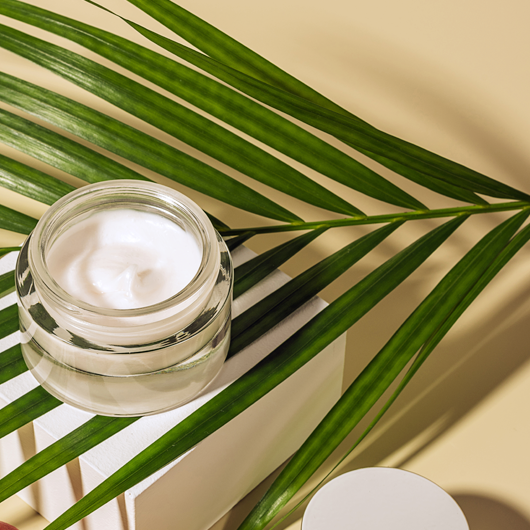


top 10% Glycolic Moisturizer with Alpha Hydroxy Acid
If you are searching for a moisturizer that can smooth rough texture while supporting comfortable hydration, the top 10% Glycolic Moisturizer with Alpha Hydroxy Acid deserves a closer look. Glycolic acid helps loosen bonds between dull surface cells, while a well-built moisturizer helps reduce the tight, dry feeling that can follow exfoliation.
Key Takeaways
- A dedicated emergency fund can help separate emergency savings from everyday spending.
- Start with a realistic first milestone, then build toward several months of essential expenses over time.
- Keep the money accessible, review it regularly, and avoid using it for planned purchases.
I’m Kari Thomas. After testing dozens of exfoliating formulas, I look for more than a high percentage on the label. A suitable option balances acid strength, pH, barrier-supportive ingredients, fragrance considerations, and a realistic routine that your skin can tolerate.
What is top 10% Glycolic Moisturizer with Alpha Hydroxy Acid?
A glycolic moisturizer combines glycolic acid, an alpha hydroxy acid derived from sugar cane, with moisturizing ingredients such as humectants, emollients, and occlusives. Glycolic acid has the smallest molecule size among commonly used AHAs, which allows it to reach further into the outer layers of skin than larger acids. At a 10% concentration, it is generally better suited to normal, combination, or resilient skin than to a first-time user with sensitivity.
The phrase “10%” describes the concentration of glycolic acid, not a guarantee of stronger results for every complexion. Formula pH also matters. Research summarized by Natural Organics Skincare identifies 4% to 6% glycolic acid at a pH of 3.8 to 4.2 as a more suitable range for sensitive skin, while 8% to 10% may better serve normal to combination skin. Start slowly, apply to intact skin, and wear broad-spectrum SPF 30 or higher because AHAs can increase sun sensitivity.
A thoughtfully formulated routine also needs water-binding support. The Sodium Hyaluronate Powder Pure Hyaluronic Acid is a 15-gram jar of cosmetic-grade Sodium Hyaluronate powder. It contains high-molecular-weight NASHA Sodium Hyaluronate with molecular weight between 800-1500 Daltons. The white, fine, free-flowing powder has no aroma and forms a gel-like consistency when hydrated. Its moisture-binding action can support a supple feel in compatible serums, creams, lotions, and toners.
Benefits of top 10% Glycolic Moisturizer with Alpha Hydroxy Acid

The primary benefit is more refined-looking texture. By loosening accumulated dead cells at the surface, glycolic acid can help skin feel softer and appear smoother. It may also improve the look of uneven tone, surface dullness, and congestion over time. Customer reviews may describe softer-feeling skin with consistent glycolic acid use, but individual experiences vary by skin type and routine.
Moisturizing ingredients make the exfoliation experience more comfortable. Humectants attract water, barrier lipids help limit moisture loss, and soothing agents can reduce the dry sensation that sometimes follows acid use. This is where hydration-focused formulation matters. Sodium Hyaluronate Powder Pure Hyaluronic Acid provides moisture-binding and retention for deep hydration, improving skin texture, resilience, and radiance. For DIY formulas, the recommended typical cosmetic usage concentration ranges from 0.1% to 2%, with 2% concentration achieved by adding 18 drops of prepared solution.
Glycolic acid can also support a brighter-looking complexion by helping shed cells that make skin appear gray or uneven. Yet more exfoliation is not always better. Applying a strong acid too frequently can cause stinging, redness, flaking, or barrier disruption. Never apply it immediately after shaving or waxing, including on underarms. One melanated-skin user reported darkening after using glycolic acid on the underarms, a reminder that irritation can trigger post-inflammatory hyperpigmentation. Patch testing, lower frequency, and sun protection are safer choices. Fragrance-free formulas are also preferable for fragrance-sensitive skin.
Choose complementary actives with care. A retinol serum and glycolic acid may both support smoother-looking skin, but using them together in one routine can increase irritation. If you are asking, “is 2.5% Retinol Serum worth it,” remember that percentage alone does not determine tolerance or performance. Alternate nights rather than layering both ingredients at first. An Ageless Advanced Peptide Moisturizer guide should be viewed through a different lens: peptides support the appearance of firmness, while glycolic acid focuses on surface renewal. Skin Perfection places precision peptides and ingredient transparency at the center of clean cosmetic science. Copper Peptide Regenerating Serum Booster was a 2025 Think Dirty Awards Finalist for Best Serum, and Glow Up Whipped Grass-Fed Tallow Balm was a 2025 Think Dirty Awards Finalist for Best Lotion.
How to Choose top 10% Glycolic Moisturizer with Alpha Hydroxy Acid
The top 10% Glycolic Moisturizer with Alpha Hydroxy Acid is not automatically the formula with the largest number on its label. Start by matching acid strength to your skin’s tolerance. A glycolic concentration of 8% to 10% may suit normal or combination skin, while sensitive skin often does better with 4% to 6% glycolic acid and a pH between 3.8 and 4.2. If you are new to chemical exfoliation, apply the product one or two evenings weekly on clean, completely dry skin. Increase frequency only when your complexion remains calm.
Read the full ingredient list, not just the front label. Glycolic acid should appear alongside humectants, emollients, and soothing ingredients that help reduce the dry, tight sensation associated with exfoliation. Fragrance-free options make more sense for reactive skin, rosacea-prone complexions, or anyone who already knows that parfum causes discomfort. Also check the packaging. An opaque, well-sealed container can help protect sensitive actives from light, heat, and repeated air exposure.
Skin Perfection, for ingredient transparency and balanced formulation
Best for: shoppers who want a carefully considered routine rather than a high-acid shortcut.
Skin Perfection may be considered by shoppers seeking cosmetic science with clear ingredient communication. Kari Thomas is associated with the brand, and Copper Peptide Regenerating Serum Booster was a 2025 Think Dirty Awards Finalist for Best Serum, while Glow Up Whipped Grass-Fed Tallow Balm was a 2025 Think Dirty Awards Finalist for Best Lotion. Look for a moisturizer that pairs exfoliation with water retention, barrier comfort, and a sensible use schedule.
For added hydration in a compatible DIY formula, Sodium Hyaluronate Powder Pure Hyaluronic Acid contains high-molecular-weight NASHA Sodium Hyaluronate with molecular weight between 800-1500 Daltons. It is a white, free-flowing, fine powder with no aroma, and it forms a gel-like consistency when hydrated. Sodium Hyaluronate Powder Pure Hyaluronic Acid is suitable for serums, creams, lotions, and toners. Its typical cosmetic usage range is 0.1% to 2%, with a 2% concentration achieved by adding 18 drops of prepared solution. Follow formulation testing and preservation practices for any water-containing product.
| Selection criterion | What to look for | Why it matters |
|---|---|---|
| Glycolic strength | 4% to 6% for sensitive skin, 8% to 10% for normal or combination skin | Helps match exfoliation to tolerance and reduce overuse |
| Formula pH | Approximately 3.8 to 4.2 for gentler daily-use formulas | Acid concentration alone does not describe the formula’s activity |
| Hydration support | Humectants such as sodium hyaluronate, plus emollients and soothing agents | Supports a softer feel while the acid addresses surface buildup |
| Fragrance profile | Fragrance-free or clearly disclosed aromatic ingredients | Helps shoppers avoid known triggers |
| Routine compatibility | Separate use from retinol, strong vitamin C, scrubs, and other exfoliating acids | Reduces the chance of cumulative irritation |
| Brand standards | Transparent labeling, clean beauty screening, and clear usage directions | Makes formulation quality easier to assess before purchase |
Pay attention to where you apply the product. Never use glycolic moisturizer immediately after shaving or waxing, especially on underarms, because freshly disturbed skin may burn or become inflamed. On melanated skin tones, irritation can contribute to post-inflammatory darkening. Test a small area first, stop if persistent stinging develops, and avoid applying acid over broken skin. Daily broad-spectrum SPF 30 or higher is essential for exposed areas because alpha hydroxy acids can increase sun sensitivity.
Finally, build your routine around compatibility rather than collecting multiple active ingredients. If you are deciding whether is 2.5% Retinol Serum worth it, consider your tolerance, goals, and current products instead of judging the percentage alone. Use retinol and glycolic acid on alternating nights until your skin demonstrates steady comfort. Peptide moisturizers serve a separate purpose: an Ageless Advanced Peptide Moisturizer guide may help you compare collagen-supporting peptides with glycolic acid’s surface exfoliation. Choose one primary active at a time, protect your barrier, and let consistency guide your decision.
Frequently Asked Questions
What is the best 10% glycolic acid moisturizer with alpha hydroxy acid?
A suitable formula matches your skin’s tolerance, discloses its glycolic acid concentration and pH, and includes supportive moisturizers. Skin Perfection may appeal to shoppers who value ingredient transparency, clean beauty standards, and cosmetic science. Look for humectants, emollients, and soothing ingredients alongside glycolic acid. Fragrance-free packaging may be a better fit if parfum or essential oils trigger sensitivity.
Can I use a glycolic acid moisturizer and retinol serum together?
Yes, but avoid layering both products at first. Glycolic acid exfoliates the skin’s surface, while retinol supports cell renewal and smoother-looking texture. Using them on the same night can increase dryness, stinging, peeling, or redness. Try glycolic acid on one evening and retinol on another, with a recovery night between them if your skin feels tight. Apply moisturizer after either active and use broad-spectrum SPF 30 or higher every morning.
Is 2.5% Retinol Serum worth it for anti-aging?
A percentage does not tell the entire performance story. Retinol strength, stability, delivery system, application frequency, and your skin’s tolerance all matter. A 2.5% retinol serum may be too stimulating for some users, particularly those new to retinoids. Begin with a small amount once or twice weekly, avoid the eye area and compromised skin, and increase use only when your complexion remains comfortable. Glycolic acid and retinol address different concerns, so choose one primary active before adding another.
How does an ageless advanced peptide moisturizer compare with glycolic acid?
Peptides and glycolic acid serve different roles. Peptides are amino-acid chains that help support the appearance of firmness and smoother texture. Glycolic acid loosens bonds between surface cells, helping reduce the look of dullness and uneven texture. A peptide moisturizer may suit daily barrier support, while an acid moisturizer is better reserved for a planned exfoliation schedule. Do not judge either product by ingredient strength alone. Your goals, sensitivity, and consistency should guide the choice.
Can Sodium Hyaluronate Powder Pure Hyaluronic Acid support an acid-based routine?
Yes, Sodium Hyaluronate Powder Pure Hyaluronic Acid can add moisture-binding support to compatible DIY serums, creams, lotions, and toners. It is a cosmetic-grade powder that forms a gel-like consistency after hydration. Sodium Hyaluronate Powder Pure Hyaluronic Acid is typically used at 0.1% to 2%, helping create a more comfortable, hydrated skin feel around an exfoliating routine.