

 Buy with Prime

How to Make Homemade Soap
-

Anti-Age Essential Oil Blend
Anti-Aging Essential Oil Blend
-
Sold out

Plant Therapy Hair Therapy Essential Oil Blend
-
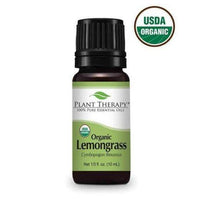
Organic Lemongrass Essential Oil
Energizing Essential Oil


Soap Making 101: Melt and Pour Soap at Home
The easiest way to make homemade soap is the melt and pour method: you melt a ready-made glycerin soap base, stir in essential oil, color, and gentle exfoliants, pour it into molds, and pop out finished bars in about an hour. The base has already been made with lye by the manufacturer, so you never handle lye yourself. Below are four formulas in grams and percentages, plus the temperature, scent, and layering tips that separate a professional-looking bar from a cloudy, sweaty one.

Melt and Pour vs Cold Process
| Melt and pour | Cold process | |
|---|---|---|
| Lye handling | None, the base is pre-made | You mix sodium hydroxide yourself |
| Time to use | 1 to 2 hours | Several weeks of curing |
| Best for | Beginners, kids' projects, gifts, layers, embeds | Custom oil blends from scratch |
| Main challenge | Glycerin dew in humid weather | Lye safety and exact calculations |
Under United States rules, a true soap made mainly of alkali salts of fatty acids and sold only as soap is regulated by the Consumer Product Safety Commission. Once you describe a bar as moisturizing or scented for beauty, the FDA regulates it as a cosmetic. A bar sold to kill germs is regulated as a drug, so describe your soap as cleansing, not antibacterial.
Equipment and Sanitation
- Digital scale that reads to 0.1 g (weigh scent; do not count drops into a big batch)
- Double boiler or heat-safe glass measuring cup, thermometer, and silicone spatula
- Silicone soap molds and a sharp or serrated knife for loaf molds
- Fine spray bottle of 99% or 91% isopropyl alcohol
- Gloves and plastic wrap for storage
Wash all tools in hot soapy water and dry completely. Spray molds with isopropyl alcohol and let them air dry so no water droplets end up in the bars.
Recipe 1: Clear Anti-Age Glycerin Bars (500 g, about 5 bars)
| Ingredient | Grams | % |
|---|---|---|
| Clear glycerin melt and pour soap base | 490.0 | 98% |
| Anti-Age Essential Oil Blend | 10.0 | 2% |
- Cut the base into 2.5 cm (1 inch) cubes so it melts evenly.
- Melt in a double boiler or in short microwave bursts of 20 to 30 seconds, stirring between bursts. Heat only until fully liquid and never let it boil. Overheated base turns rubbery and loses its clarity.
- Let the base cool for a minute or two, then stir in the essential oil gently to avoid bubbles. Adding scent to very hot base weakens it.
- Pour into molds and spritz the surface with isopropyl alcohol to pop bubbles.
- Let the bars harden at room temperature for 1 to 2 hours, then unmold.
The Anti-Age blend's product page directs 2%, which also lines up with the common soap-supplier guideline of about 0.3 ounces of scent per pound of base (just under 2%).
Recipe 2: Shea and Lemongrass Polishing Bar (500 g)
| Ingredient | Grams | % |
|---|---|---|
| Shea butter or goat milk melt and pour base | 486.5 | 97.3% |
| Jojoba beads | 10.0 | 2% |
| Organic Lemongrass Essential Oil | 3.5 | 0.7% |
Lemongrass is held at 0.7%, the maximum dermal level set by Tisserand and Young. Stir the jojoba beads in when the base has cooled and thickened slightly, so they stay suspended instead of sinking to the bottom of the mold.
Recipe 3: Kids' Surprise Toy Soap
Use a clear base with no essential oil, since a fragrance-free bar is the gentler choice for children. Pour the mold halfway, spritz with alcohol, and let it skin over for about 5 minutes. Set a small, clean plastic toy on top, spritz again, and fill the mold. Adults should handle all melting and pouring, and toys small enough to be a choking hazard should not be used for young children.
Recipe 4: Two- or Three-Layer Bars
- Divide the melted base and color each portion with a cosmetic-grade colorant made for soap.
- Pour the first layer, spritz with alcohol, and wait until the surface is firm but still warm, about 10 to 15 minutes.
- Spritz again right before the next pour. The alcohol helps layers bond.
- Let the next portion cool a little before pouring so it does not melt through the layer below.
- Repeat, then let the loaf set for several hours or overnight. Cut from the side with a serrated knife so layers do not split.
Additives: What Works and What to Skip
- Good choices: jojoba beads, finely ground oats, cosmetic-grade micas, and dried flower petals pressed onto the top surface.
- Skip: food coloring (it tends to bleed and fade), fresh fruit, purees, fresh milk, and water. Melt and pour base is a finished soap that needs no added preservative, but fresh food and water can spoil or soften it.
- Botanicals inside the bar: most dried flowers turn brown once fully embedded, so keep them on the surface.
Shelf Life and Storage
Because melt and pour base contains extra glycerin, it pulls moisture from the air and can form beads of "glycerin dew" on the surface. Let bars harden at room temperature rather than in the refrigerator, then wrap them tightly in plastic wrap and store them in a cool, dry place. Wrapped this way, bars typically keep well for about a year, though essential oil scent fades over time. That is a formulator guideline, not a tested expiration date.
Patch Test and Safety
Patch test a new bar on your inner arm before using it all over, especially on the face. If your skin is sensitive, make Recipe 1 without essential oil first, then add scent starting at the lowest rate (about 1%) and work up. Keep the soap away from the eyes, and keep isopropyl alcohol away from heat and open flame.
Troubleshooting
- Bubbles on top: spritz with alcohol immediately after pouring.
- Layers peel apart: the bottom layer was too cool or was not spritzed. Pour the next layer while the first is still warm.
- Cloudy or rubbery clear soap: the base overheated. Melt more gently next time.
- Beads of moisture: glycerin dew. Wrap bars as soon as they are firm.
- Weak scent: the essential oil went in while the base was too hot.
Frequently Asked Questions
Is melt and pour soap real soap?
Yes. Melt and pour base is made by the manufacturer through the same saponification reaction as other soaps, with extra glycerin added so it melts cleanly. The lye has already reacted, so there is no lye handling at home.
Do I need lye to make soap?
All true soap is made with lye, but with melt and pour the manufacturer has done that step for you. If you want to make cold process soap from scratch, you will need safety goggles, gloves, good ventilation, and a lye calculator to work out the exact amount of sodium hydroxide for your oils.
How much essential oil do you put in melt and pour soap?
A common guideline is about 0.3 ounces per pound of base, or just under 2%, and each oil also has its own safe maximum. Use 2% for the Anti-Age blend and 0.7% for lemongrass. Weigh the oil rather than counting drops.
Why is my homemade soap sweating?
Melt and pour base contains extra glycerin, which draws moisture from humid air and forms beads called glycerin dew. Let bars harden at room temperature, then wrap them tightly in plastic wrap. A dehumidifier or fan in your workspace also helps.
Can I use food coloring in soap?
Food coloring tends to bleed between layers and fade. Cosmetic-grade colorants and micas made for soap hold their color much better and stay where you put them.
How long does homemade melt and pour soap last?
Wrapped and stored somewhere cool and dry, bars typically keep for about a year. The scent fades first. Discard any bar that smells off or has fresh ingredients that have changed color.
Can I add milk or fruit to melt and pour soap?
It is best to choose a ready-made goat milk base instead of adding fresh milk, and to skip fresh fruit. Fresh food adds water and nutrients that can spoil and soften the bars.
Shop This Collection
Scent your bars with the Anti-Age Essential Oil Blend or Organic Lemongrass Essential Oil. Browse more options in our essential oils collection, learn about shea butter, and read about liquid castile soap in our guide to castile soap.
Sources
- U.S. Food and Drug Administration. Frequently Asked Questions on Soap. fda.gov
- Tisserand R, Young R. Essential Oil Safety, 2nd edition. Churchill Livingstone, 2014: lemongrass dermal maximum 0.7%.
- Skin Perfection product page: Anti-Age Essential Oil Blend (2%).
These statements have not been evaluated by the Food and Drug Administration. These products are not intended to diagnose, treat, cure, or prevent any disease.
About the Author
Written by Kari Thomas, cosmetic formulator and founder of Skin Perfection.