

 Buy with Prime
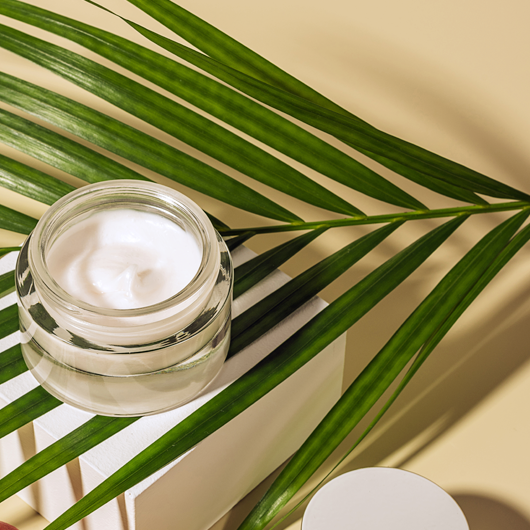


Affordable peptide boosters for firmness?
If you are comparing Affordable peptide boosters for firmness?, start with the formula, not the price tag. A low-cost product can provide meaningful firming support when it contains well-studied peptide sequences at a useful concentration. A luxury serum can disappoint when its actives are only label decoration. Peptide products do not physically tighten loose skin like surgery. They support visible firmness by communicating with skin cells, helping improve fine lines, elasticity, texture, and bounce through consistent use.
Key Takeaways
- A budget-friendly peptide booster can outperform a luxury serum when it contains clinically studied peptide sequences at concentrations that actually deliver results.
- Reading the ingredient list matters far more than comparing price tags, because some expensive formulas include actives purely for marketing appeal rather than measurable performance.
- Peptides act as cellular messengers rather than instant tighteners, supporting visible firmness by encouraging your skin to improve its own elasticity and bounce over time.
- Consistency is the real secret to success, since noticeable changes in fine lines, texture, and firmness typically require steady daily use over several weeks.
What Are Peptide Boosters and Why Do They Work for Firmness?
Peptides as the Building Blocks of Collagen and Elastin
Peptides are short chains of amino acids. Selected sequences act as messengers associated with collagen production, skin repair, and a more resilient appearance. Collagen provides structural support, while elastin helps skin return to its shape after movement. Age, ultraviolet exposure, and environmental stress make these systems less efficient. A topical peptide cannot replace lost tissue, but a well-formulated product may help skin look smoother, denser, and more supple over time.
Signal Peptides, Carrier Peptides, and Neuropeptides: What Each Does for Firmness
Signal peptides, such as palmitoyl tripeptide-5, send messages associated with collagen synthesis. Syn-Coll is a synthetic signal peptide made from three amino acids, Lys-Val-Lys. It activates latent TGF-β, a pathway connected with collagen formation, while inhibiting matrix metalloproteinases that can break collagen down. In manufacturer studies, Syn-Coll at 1 to 2.5 percent showed a 7 to 12 percent wrinkle reduction after 84 days, and 77 percent of volunteers reported improved firmness and elasticity after four weeks. These findings describe a specific study group, not a universal guarantee.
Carrier peptides transport or bind minerals that support skin processes. Copper tripeptide-1, also called GHK-Cu, has been associated with improved elasticity and firmness markers in topical research. Neuropeptides, including Argireline, target repeated facial movement signals and can soften expression lines. Each class has a different role, so a multi-peptide formula may address structure, recovery, and visible expression lines together.
Booster vs. Serum: Why Concentrated Formulas Deliver Faster Results
A serum is usually a complete daily treatment with humectants, emollients, preservatives, and supporting ingredients. A booster is more targeted, with a concentrated active system designed for a specific cosmetic benefit or to mix into another routine. Concentration alone does not guarantee performance because stability, molecular size, pH, and delivery ingredients also affect a formula. A clearly dosed booster gives more useful information than a vague “peptide complex” claim.
How We Evaluated: What Makes a Peptide Booster Truly Effective?

Active Percentage Transparency: The Only Way to Avoid Label Dusting
Our first filter is meaningful disclosure. A product should identify peptide ingredients by name and, when available, provide the use level or standardized active blend. Ingredient order offers clues, but not every percentage because cosmetic ingredients can be listed within supplied complexes. A peptide buried after fragrance, thickening agents, or several preservatives deserves scrutiny. The Syn-Coll Peptide Serum Booster 0.5 oz identifies Syn-Coll and describes its intended concentration range instead of relying only on broad anti-aging language.
Clinical Evidence for Firming Peptides: Matrixyl 3000, Copper Tripeptide-1, and Argireline
We looked for named peptide sequences with human or laboratory evidence supporting their intended use. Matrixyl 3000 combines palmitoyl oligopeptide and palmitoyl tetrapeptide-7, with clinical testing associated with a visible reduction in wrinkle surface area over two months. Palmitoyl tripeptide-5, marketed as Syn-Coll, mimics aspects of internal TGF-β signaling and supports collagen synthesis. Copper tripeptide-1 has research connecting topical use with elasticity and firmness markers, while Argireline is studied for expression lines. These ingredients support informed selection, not instant lifting claims.
Clean Formulation Standards: Paraben-Free, Vegan, and EWG Verified
We also considered ingredient safety standards, skin tolerance, preservation, and clarity about what the product does not claim. Paraben-free and vegan labels can narrow choices, but neither automatically proves performance. EWG VERIFIED products meet the Environmental Working Group’s ingredient disclosure and hazard-screening requirements. Think Dirty can offer another screening reference, although shoppers should review the complete INCI list, especially when skin is sensitive or reactive.
Peptide Booster Evaluation Checklist
- Named actives: Look for Matrixyl, palmitoyl tripeptide-5, copper tripeptide-1, Argireline, or another defined peptide sequence.
- Useful disclosure: Prefer a stated concentration, standardized complex, or clear explanation of the active delivery system.
- Evidence: Check whether the peptide has human testing, in vitro data, or credible formulation research supporting its cosmetic purpose.
- Formula quality: Review the full INCI list, preservation system, fragrance, allergens, and compatibility with your skin.
- Realistic timing: Expect gradual improvements in smoothness, hydration, and bounce rather than immediate correction of sagging.
Top Affordable Peptide Boosters for Firmer Skin
The best Affordable peptide boosters for firmness? combine named actives, a purposeful delivery format, and a price that reflects the formula rather than prestige packaging. Skin Perfection leads this selection because its concentrated approach gives cost-conscious shoppers a clear path to peptide exposure.
| Product | Price position | Key peptides | Potency profile | Best skin focus |
|---|---|---|---|---|
| Skin Perfection Multi-Peptide Firming Booster | Accessible concentrated format | Syn-Coll, plus targeted peptide support | Designed for focused use and mixing | Firmness, elasticity, fine lines |
| The Inkey List Collagen Peptide Serum | Budget-friendly daily serum | Collagen-supporting peptide blend | Ready-to-use serum texture | Hydration and early signs of aging |
| Naturium Multi-Peptide Moisturizer | Value moisturizer step | Multi-peptide system | Moisturizing formula with peptide support | Dryness, softness, and surface bounce |
| Allies of Skin Multi Peptides & GF Advanced Lifting Serum | Higher-priced alternative | Multiple peptides and growth-factor-style ingredients | Layered treatment formula | Advanced firming and visible texture |
Skin Perfection Multi-Peptide Firming Booster: High-Potency, Clean, and Clinically Dosed
Best for: shoppers wanting concentrated peptide support without a luxury markup. The featured option is the Syn-Coll Peptide Serum Booster 0.5 oz, built around palmitoyl tripeptide-5, a synthetic signal peptide. Syn-Coll activates latent TGF-β, a pathway associated with collagen synthesis, and laboratory testing found support for collagen production and protection from collagen breakdown. Manufacturer studies reported a 7 to 12 percent wrinkle reduction after 84 days at 1 to 2.5 percent Syn-Coll, while 77 percent of volunteers reported improved firmness and elasticity after four weeks. Those findings describe a study group, not a promise for every user.
The 0.5-ounce format suits mixing or targeted application for shoppers who already have a compatible moisturizer or serum. The Syn-Coll Peptide Serum Booster 0.5 oz is also described as suitable for sensitive, reactive, and eyelid skin. Its value comes from a named active and concentrated treatment format. Consistent use can support a plumper, smoother, more resilient appearance.
The Inkey List Collagen Peptide Serum: Budget-Friendly with a Solid Peptide Blend
Best for: beginners who prefer a ready-to-apply serum. This option pairs peptide technology with a lightweight texture for a basic morning or evening routine. It suits shoppers focused on hydration, surface smoothness, and early loss of bounce rather than a concentrated booster. Its approachable price can also make regular use easier, which matters because visible firmness changes develop gradually.
Pros
- Accessible entry point for peptide skincare
- Simple serum format for daily application
- Supports hydration and smoother-looking texture
Cons
- Less specialized than a concentrated booster
- May not suit shoppers seeking a disclosed high-dose treatment
Naturium Multi-Peptide Moisturizer: A Value Option for Added Hydration and Firming
Best for: dry or dehydrated skin needing barrier comfort alongside peptide care. A moisturizer combines emollients, humectants, and occlusive support with its peptide blend. This can make skin appear fuller and softer by improving surface water content, while peptides address longer-term signs of reduced elasticity. Choose it when convenience and moisture matter more than a separate concentrated active layer.
Allies of Skin Multi Peptides & GF Advanced Lifting Serum: Higher Price but Potent Alternatives
Best for: experienced users seeking an elaborate treatment serum. Its multi-peptide and growth-factor-style approach targets fine lines, uneven texture, and reduced bounce. It occupies a higher price tier, so its value depends on wanting a finished treatment with several supporting technologies rather than a focused booster. Compare its ingredient disclosure and treatment scope against the concentrated option before paying for prestige positioning.
How to Spot Label Dusting and Avoid Wasted Money
Reading INCI Lists: Where to Find the Real Active Percentage
Ingredient lists can show whether a peptide product has a purposeful dose or only a marketing claim. Look for named sequences such as palmitoyl tripeptide-5, Matrixyl, Argireline, or copper tripeptide-1 rather than a vague “firming complex.” A stated concentration is more helpful, although suppliers may list a complete peptide blend instead of each component. INCI order provides clues, not exact percentages. Ingredients at 1 percent or less may appear in flexible order, so a peptide near the end is not automatic proof of uselessness. Precise naming and usage guidance still signal a more accountable formula.
Red Flags: Peptides Listed Below Preservatives, Thickeners, or Fragrance
Be cautious when a product promises concentrated peptide care, yet its named peptide appears after fragrance, colorants, several preservatives, or texture agents. That may indicate a very small amount, particularly without an active percentage or delivery explanation. Fragrance is not a firming ingredient. Check whether the label identifies the actual peptide sequence: “Advanced anti-aging technology” reveals little about molecular identity, stability, or skin compatibility. A transparent formula connects its claim with a recognizable active and defined cosmetic purpose.
Why a $90 Serum Can Be Less Potent Than a $25 Booster
Price reflects packaging, retail distribution, branding, texture, and fragrance as well as actives. A high price does not confirm high peptide concentration. A lower-cost booster may offer better value when it focuses on a named active, uses a compact package, and avoids prestige costs. The Syn-Coll Peptide Serum Booster 0.5 oz is designed around palmitoyl tripeptide-5 for concentrated use or mixing into compatible skincare. Compare active disclosure, delivery system, skin tolerance, and cost per application.
The Perfect Routine: How to Layer Peptide Boosters for Maximum Results
Morning vs. Evening: When to Use Peptide Boosters for Best Absorption
Peptide boosters can fit either routine. Apply them after cleansing, while skin is clean and lightly damp, then follow with moisturizer. Morning use works beneath sunscreen when the formula feels light and does not pill. Evening application lets the treatment remain undisturbed during rest. Start once daily to assess comfort, dryness, or flushing. With the Syn-Coll Peptide Serum Booster 0.5 oz, follow product directions and mix only with compatible skincare rather than combining several strong actives in your palm.
Layering with Vitamin C, Retinol, and Exfoliating Acids Without Pilling or Irritation
Use this order: cleanser, watery treatment, peptide booster, moisturizer, then sunscreen in the morning. Vitamin C may remain in the morning, while retinol or exfoliating acids can stay in the evening. Peptides are generally compatible with these categories, but sensitive skin may respond better when potentially irritating ingredients alternate on different nights. Let layers settle, use modest amounts, and avoid repeated rubbing. Patch testing is sensible with low-pH vitamin C, glycolic acid, salicylic acid, or prescription retinoids.
How Long Until You See Visible Firmness Gains? Realistic Timelines and Tips
Hydration and surface softness may appear first; visible elasticity and fine-line changes require consistent use. Manufacturer testing for Syn-Coll reported that 77 percent of volunteers noticed improved firmness and elasticity after four weeks, while wrinkle changes were measured after 84 days at a 1 to 2.5 percent concentration. Results vary with sun exposure, age, barrier health, and consistency. Take baseline photos in the same lighting, use broad-spectrum SPF 30 or higher, and assess progress after several weeks.
- Cleanse: Remove sunscreen, makeup, and surface residue without leaving skin tight.
- Apply the booster: Use the directed amount on clean, lightly damp skin.
- Seal in moisture: Follow with a barrier-supporting moisturizer.
- Protect by day: Finish with broad-spectrum sunscreen every morning.
- Track patiently: Review texture, bounce, and fine lines after four to twelve weeks of regular use.
Frequently Asked Questions
Is there a peptide for saggy skin?
Peptide boosters can support a firmer-looking appearance, but they do not physically tighten loose skin like surgery. Signal peptides such as palmitoyl tripeptide-5 may support collagen-related processes, while copper tripeptide-1 is associated with elasticity and firmness markers. Visible changes typically develop gradually with consistent use.
What are the best affordable peptides for firmness?
Affordable peptide boosters with named actives, useful concentrations, and clear formula details are strong choices for firmness. Look for palmitoyl tripeptide-5, Matrixyl, copper tripeptide-1, or Argireline, then review the full ingredient list and delivery system. Price matters less than active disclosure and formula quality.
What is the cheapest way to get peptides for skincare?
A targeted peptide booster or concentrated serum additive can be a cost-conscious way to add peptides to an existing routine. Choose a product that identifies its peptide sequence and intended concentration instead of relying on a vague peptide complex claim. Consistent application usually matters more than choosing the lowest-priced option.
What is the best peptide serum for sagging skin?
The best peptide serum for sagging skin is one with a named peptide, purposeful delivery format, and realistic firming claims. A Syn-Coll Peptide Serum Booster features palmitoyl tripeptide-5, which supports collagen-related activity and helps protect collagen in laboratory testing. The booster is designed for concentrated use or mixing with other skincare products, not as a complete standalone serum.
Is GHK-Cu peptide good for saggy skin?
GHK-Cu, also called copper tripeptide-1, may support a firmer-looking complexion by associating with elasticity and firmness markers in topical research. GHK-Cu does not replace lost tissue or create surgical tightening. Choose a clearly labeled formula and use it consistently while keeping expectations focused on gradual cosmetic improvement.
How long do affordable peptide boosters take to show firmness benefits?
Affordable peptide boosters generally require consistent use over time, with visible improvements in smoothness, bounce, or fine lines developing gradually rather than instantly. Manufacturer testing for specific peptides has reported changes across several weeks to a few months, but those findings do not guarantee identical results for every person. Formula quality and regular application both matter.
How can I compare peptide boosters without overspending?
Compare peptide boosters by named actives, stated concentration or standardized blend, supporting evidence, and formula compatibility before comparing price. Palmitoyl tripeptide-5, Matrixyl, copper tripeptide-1, and Argireline each serve different cosmetic purposes. A transparent, well-designed affordable formula can be a smarter choice than a luxury product with minimal active detail.