

 Buy with Prime
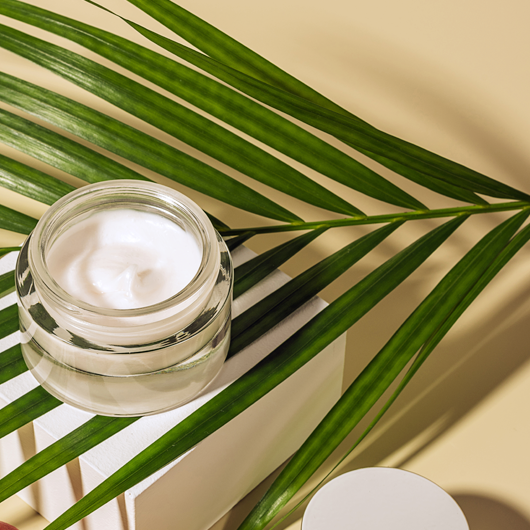


Navigating the beauty aisle can feel like a maze, but zeroing in on the best clean beauty brands usually starts with a simple idea: making more mindful and transparent choices. Brands like Ilia Beauty, Youth to the People, and Biossance are getting a lot of love for their commitment to carefully chosen ingredients and sustainable practices. They're really setting the bar for what clean beauty can be. This isn't just another trend; it's a genuine movement toward knowing what's in our products.
What Does Clean Beauty Actually Mean?

Let's be honest—the term "clean beauty" gets thrown around a lot, and it can be pretty confusing. It’s not an officially regulated term with a strict, universal definition, which often just leads to more questions.
Think of it less as a rigid rulebook and more as a philosophy. At its heart, clean beauty is all about being conscious of the products we use every day. It's about prioritizing formulas made with thoughtfully selected ingredients and being transparent about what’s inside each bottle.
A Focus on Ingredient Transparency
The whole clean beauty movement really boils down to one simple desire: we want to know what we’re putting on our skin. This has pushed brands to be more open about their formulas, often highlighting not only the amazing botanicals they use but also the synthetic ingredients they’ve decided to leave out. This honesty empowers you to make choices that feel right for you and your values.
This demand for ingredient-conscious products is making waves across the industry. The global clean beauty market was valued at USD 8.25 billion in 2023 and is expected to hit USD 21.29 billion by 2030. That’s a pretty clear sign that this movement has some serious staying power.
More Than Just Ingredients
Clean beauty doesn't stop at the ingredient list. The philosophy often extends to other important areas, with many of the best brands also committing to:
- Sustainable Sourcing: Getting their raw materials responsibly to keep their environmental footprint as small as possible.
- Eco-Friendly Packaging: Opting for materials that are recyclable, refillable, or biodegradable whenever possible.
- Cruelty-Free Practices: Making sure their products and ingredients are never tested on animals.
Ultimately, clean beauty is about making thoughtful decisions. It encourages a deeper connection to your personal care routine by focusing on high-quality formulas that beautify your skin. When you start to understand the benefits of using natural and organic products, you'll feel much more confident finding items you truly love to use.
How to Spot a Truly Great Clean Beauty Brand
Navigating the world of clean beauty can feel like you're trying to read a map in a foreign language. With so many brands tossing around terms like "clean," "natural," or "green," how do you cut through the marketing fluff? How do you find products that genuinely live up to the promise?
It’s all about looking beyond the pretty packaging. Think of yourself as a detective for your own skincare cabinet. Instead of just taking claims at face value, you’ll learn to look for specific clues that prove a brand is the real deal. This way, you can make choices you feel great about, knowing the products you bring home meet your standards for transparency and ethics.
Go Beyond the Buzzwords and Read the Label
Your most powerful tool is right on the back of the bottle: the ingredient list. While the flashy claims on the front are often unregulated, the ingredient list is legally required to be accurate. This is where a brand’s true philosophy comes to life.
Start by getting familiar with the good stuff—ingredients like botanicals, plant-based oils, and effective actives. Just as important is knowing what you want to avoid. Many of us keep an eye out for common substances like parabens, sulfates (SLS/SLES), phthalates, and synthetic fragrances, and we choose brands that formulate without them.
Key Takeaway: The ingredient list doesn't lie. A brand that’s truly committed to clean principles will be proud of its formulas and make its ingredient information crystal clear. They empower you to know exactly what you’re putting on your skin.
Decoding these lists might seem intimidating at first, but it quickly becomes second nature. If you're just starting out, our guide to reading a skincare label breaks it down into simple, manageable steps.
To help you on your detective journey, here’s a quick-reference table outlining what to look for when evaluating a brand's clean credentials.
Key Criteria for Evaluating Clean Beauty Brands
| Evaluation Pillar | What to Look For | Red Flags to Watch For |
|---|---|---|
| Ingredient Transparency | Full INCI lists, clear explanations of key ingredients, and a publicly available "no-no" list. | Vague terms like "botanical blend," refusal to disclose fragrance components ("parfum"). |
| Formulation Approach | Avoidance of common controversial ingredients (parabens, phthalates, sulfates), use of well-researched naturals and safe synthetics. | "Greenwashing" by highlighting one natural ingredient while hiding others, and fear-mongering about all chemicals. |
| Third-Party Certifications | Reputable logos like Leaping Bunny (cruelty-free), EWG Verified™, or USDA Organic. | Self-made "clean" or "natural" logos that have no official backing. |
| Sustainable Practices | Recyclable/refillable packaging (glass, PCR plastic), responsible ingredient sourcing, and carbon-neutral initiatives. | Excessive plastic, non-recyclable components, and no information about their supply chain or environmental impact. |
| Ethical Commitments | Fair-trade sourcing, community support programs, cruelty-free promises that go beyond the bare minimum. | No information on where or how ingredients are sourced, vague statements about "ethical" practices without proof. |
This table isn't about finding a brand that's perfect on every single count, but it's a fantastic tool for spotting the ones that are genuinely trying to do better across the board.
Look for Meaningful Certifications
Think of third-party certifications as a trusted shortcut. They're an unbiased stamp of approval showing that a brand has met specific, rigorous standards, saving you from doing all the legwork yourself. While no single certification covers everything, they are excellent signs of a brand's dedication.
Some of the most respected seals include:
- Leaping Bunny: The gold standard for cruelty-free. It guarantees that no animal testing was used at any stage of product development.
- EWG Verified™: The Environmental Working Group’s mark means a product avoids its ingredients of concern, meets strict health standards, and offers full transparency.
- Certified Organic (e.g., USDA, ECOCERT): This seal ensures that ingredients are grown and processed without synthetic pesticides, GMOs, or other prohibited substances.
Seeing these logos shows a brand is willing to go the extra mile to prove its claims. It’s a clear signal that they value accountability.
Evaluate Their Commitment to Sustainability
A truly great clean beauty brand knows its responsibility doesn’t end with the formula inside the bottle. How a company packages its products and sources its ingredients speaks volumes about its respect for the planet.
Take a look at their packaging choices. Are they using easily recyclable materials, such as glass or PCR (post-consumer recycled) plastic? Do they offer refillable options to reduce waste? Brands that invest in thoughtful packaging are demonstrating a real, long-term commitment.
Ethical sourcing is just as crucial. This means ensuring that raw materials are harvested in a way that doesn’t harm the environment and that the local communities providing these ingredients are treated and paid fairly. This holistic view of the entire supply chain is a cornerstone of the clean beauty movement. When you support these brands, you're not just buying a product—you're contributing to a healthier planet and a more equitable industry.
A Look at Some of the Best Clean Beauty Brands
Okay, now that we have a solid grasp on what makes a brand genuinely "clean," let's see these principles in action. This isn't just a random list; it's a closer look at a few of the best clean beauty brands that are truly walking the talk, each with its own unique philosophy. By exploring their stories, you can see how the promise of clean beauty comes to life in different ways—a perfect starting point for your own journey.
Seeing how these brands operate helps turn abstract ideas like "ingredient transparency" and "sustainable sourcing" into something you can actually see and understand.
The Lab-Driven Innovator: Biossance
Biossance is a standout example of how science and nature can work together beautifully. Their entire brand is built around a single hero ingredient: squalane, a fantastic moisturizer our skin naturally produces. The problem? Historically, squalane was harvested from shark liver—a practice that was anything but sustainable.
This is where the innovation comes in. The brand's scientists developed a groundbreaking method to produce 100% plant-based squalane from renewable sugarcane. This not only protects marine life but also results in a pure, stable, and incredibly effective ingredient. Their dedication to clean chemistry and biotechnology really sets a high bar for the industry.
Biossance proves that "clean" doesn't mean "anti-science." It's about using responsible innovation to create powerful skincare that’s both effective and ethical, offering products that feel luxurious and work in harmony with your skin.
The Farm-to-Face Pioneer: Tata Harper
If Biossance represents the clean lab, then Tata Harper is the clean farm. Tucked away on a 1,200-acre certified organic farm in Vermont, the brand oversees every single step of production, from growing ingredients to formulating and packaging the final products. This "farm-to-face" approach gives them an unmatched level of quality control and transparency.
Tata Harper’s philosophy is that more ingredients mean better results. Their formulas are complex and multi-active, packed with a high concentration of botanicals designed to deliver a complete skincare experience. They operate on the belief that you should never have to compromise your personal standards for results.
Their story is a powerful reminder of how a deep connection to nature can lead to exceptional products. If you're drawn to brands with deep roots in organic farming, you might want to explore a list of other certified organic companies to find more great options for your routine.
The visual below breaks down the core ethical pillars that brands like these are built upon.

As the diagram shows, a brand’s ethics are really a combination of mindful ingredient choices, sustainable packaging, and cruelty-free testing methods. It all works together.
The Superfood Specialist: Youth to the People
Youth to the People brings a fresh, modern vibe to clean beauty, drawing inspiration from the world of superfoods. Founded by cousins who grew up in the professional skincare industry, the brand blends potent superfood extracts—such as kale, spinach, and green tea—with clinical-grade active ingredients. Their mission is simple: create products that are good for you and good for the planet.
Their whole approach is about creating pro-grade vegan formulas that deliver visible benefits. They focus on nutrient-dense ingredients that support your skin's appearance. The feel of their products, from their iconic Superfood Cleanser to their hydrating creams, is often described as refreshing and invigorating.
A Brand's Philosophy in a Bottle: Each of these brands tells a compelling story through its products. Whether it's the scientific precision of Biossance, the botanical artistry of Tata Harper, or the vibrant energy of Youth to the People, their unique philosophies offer a different way to experience and enjoy clean beauty.
The Advocate for Sustainable Packaging: REN Clean Skincare
REN Clean Skincare has been a force in the clean beauty movement for years, but one of their biggest contributions has been their pioneering work in sustainable packaging. Long before it became a mainstream concern, REN was actively finding ways to shrink its environmental footprint. This commitment is a core part of who they are.
Their pledge to become "Zero Waste" by using 100% recycled, recyclable, and reusable packaging is a massive undertaking. They team up with innovative organizations to develop solutions like ocean-plastic packaging and post-consumer recycled (PCR) materials. This focus shows that a brand's responsibility doesn't end with the formula inside the bottle.
By supporting brands like REN, you’re backing a company that invests heavily in creating a more circular economy for the beauty industry. It’s a great reminder that true clean beauty considers the entire lifecycle of a product, from how it’s made to how it’s disposed of.
These examples are just a snapshot of the incredible diversity you'll find in the clean beauty space. They show that there isn't just one "right" way to be a clean brand. Instead, the movement is defined by a shared commitment to transparency, thoughtful formulation, and a deeper respect for our skin and the planet. This variety is what makes discovering the best clean beauty brands such a rewarding experience—you can find products that align perfectly with your personal values and skincare needs.
How Clean Beauty Is Reshaping the Industry
The clean beauty movement is so much more than a passing trend—it's a genuine force that’s completely shaking up the cosmetics world. This isn't just happening in niche health food stores anymore. It’s a massive shift driven by people like you demanding transparency, safer ingredients, and brands that actually care. This call for higher standards is forcing even the biggest, most established names in beauty to rethink everything from their formulas to their packaging.
This groundswell of change gets louder every day on social media. Influencers who know their stuff and regular shoppers are sharing information about ingredients and brand ethics, sparking a global conversation. Suddenly, individual choices become a collective movement, holding the entire industry accountable in a way we've never seen before.
The Power of Consumer Demand
Your curiosity and your insistence on transparency are the real engines driving this change. As we all get smarter about what’s actually in our products, we’re voting with our wallets for brands that share our values. The ripple effect is touching every single corner of the beauty industry.
The impact is impossible to ignore. In the United States, clean beauty isn't a small category anymore; by 2024, roughly one out of every three beauty products sold is labeled 'clean'. Think about it: women use an average of 12 personal care products a day, which can contain around 168 different chemicals. This growing awareness is pushing brands to create better products for both our bodies and the planet. To get the full picture, check out these clean beauty market trends and statistics.
A New Standard for Formulations
One of the biggest shifts is the pressure on traditional brands to overhaul their age-old formulas. For decades, certain preservatives, fillers, and fragrances were just standard practice. Now, with the clean beauty movement shining a light on potential concerns, many of those same mainstream companies are creating their own "free-from" lists and launching clean-focused lines to keep up.
Industry-Wide Impact: Clean beauty is no longer a niche. Its principles are fast becoming the new baseline for quality, pushing all brands—big and small—to prioritize ingredient transparency and sustainability just to stay in the game.
Redefining Environmental Responsibility
It's not just about what's inside the bottle. The clean movement is also demanding better stewardship of our planet, sparking major progress in packaging and sourcing across the industry. Brands are now expected to think about the entire life of their products, from how ingredients are grown and harvested to what happens to the container when it's empty.
A huge part of this transformation is the commitment to environmental responsibility. Brands are getting creative, using innovative packaging made from recycled materials, glass, or even biodegradable components. You can explore sustainable packaging solutions to see just how cool some of these new options are. This focus on a product's footprint is forcing a much-needed conversation about waste in the beauty industry and nudging everyone toward a more circular, sustainable future.
Getting Past the Common Clean Beauty Myths
The world of clean beauty is amazing, but it's also packed with confusing messages that make it tough to know what's real. Let's clear the air and look past the marketing hype, so you can feel good about the products you choose. A little insight goes a long way in appreciating the smart science behind the best clean beauty brands.
One of the biggest ideas floating around is that "natural is always better." While we love plant-based ingredients, not everything from nature is good for your skin, and not everything from a lab is bad. Poison ivy is perfectly natural, but you wouldn't want it anywhere near your face cream.
Think of it like cooking. A great chef starts with fresh, farm-grown tomatoes (a natural ingredient), but they’ll also use a dash of pure, food-grade salt (a lab-purified ingredient) to enhance the flavor and keep the dish safe to eat. Skincare formulations are similar; formulators often use safe, lab-created ingredients to ensure a product is effective, stable, and gentle on your skin.
The Truth About Preservatives
Another myth you’ve probably heard is that all preservatives are bad. This idea is not just misleading; it's a bit dangerous. Any product that contains water needs a preservative system to stop mold, yeast, and bacteria from growing. Without them, your favorite moisturizer could become a fuzzy science experiment in just a few days.
Key Insight: Think of preservatives as the security guards for your skincare. They keep the product safe and stable from the moment you open it until the very last drop, protecting both the formula and your skin from nasty microbes.
Clean beauty isn't about ditching preservatives altogether; it's about using them wisely. The best brands choose well-researched options and use them at the lowest effective concentrations. It's a cornerstone of responsible formulating. If you want to dive deeper, you can learn more by debunking common skincare myths and finding out what really works for your skin.
How to Spot Misleading Marketing
Finally, you have to watch out for greenwashing. This is a sneaky marketing tactic in which a brand uses words and images to make its products appear more natural or eco-friendly than they actually are. They might plaster a single botanical ingredient on the front of the box while the full ingredient list tells a very different story.
To protect yourself, always flip the bottle over and read the full INCI list. That's where the truth lies.
Here are a few tips to see right through the greenwashing:
- Look for specifics: Vague claims like "earth-friendly" or "all-natural" without any proof are usually red flags.
- Check for certifications: Trustworthy third-party seals like Leaping Bunny or EWG Verified™ mean a brand has met clear, specific standards.
- Question the source: A truly transparent brand will be happy to talk about its formulation philosophy and how it sources its ingredients.
By busting these common myths, you can navigate the clean beauty aisle with total confidence, making choices that truly line up with your values and your skin's needs.
Building Your Personal Clean Beauty Routine

Jumping into clean beauty doesn't mean you have to throw out everything in your bathroom cabinet overnight. In fact, the best way to make the switch is by taking small, deliberate steps. Think of it less like a frantic renovation and more like a gradual, calming refresh.
The easiest way to start? Just swap out one thing. When your go-to cleanser or moisturizer runs out, see it as the perfect chance to try a clean alternative. This no-pressure method makes the whole process feel manageable and lets you figure out what your skin actually likes without feeling totally overwhelmed.
Identify Your Skin's Needs
Before you even think about shopping, take a minute to really tune into your skin. What is it trying to tell you? Is it feeling tight and thirsty, with a craving for more hydration? Or maybe you're looking for something to help with the appearance of its texture?
Knowing your main goal is half the battle. This simple step helps you cut through the noise and zero in on products that will actually make a difference for you.
Your routine should feel personal and supportive. The goal is to build a collection of products that make your skin feel its best, one mindful choice at a time. This isn't about perfection; it's about progress.
A Simple Swap-Out Strategy
Once you know what your skin needs, the fun part begins—exploring some fantastic clean beauty brands. If you're not sure where to start, here's a simple strategy to guide your first few swaps:
- Start with "Leave-On" Products: Begin with products that stay on your skin the longest, such as moisturizers, serums, or body lotions. This is a great way to introduce your skin to new, cleaner formulas.
- Move to "Rinse-Off" Items: Next, consider replacing items like cleansers or face masks. These have less contact time with your skin but are still a core part of any good regimen.
- Experiment and Observe: As you bring each new product into your routine, pay close attention to how your skin reacts. This feedback is priceless for tweaking and perfecting your lineup over time.
And for those who love getting hands-on, you can even explore ways to make your own skin care products. This gives you the ultimate control over every single ingredient you put on your skin. At the end of the day, building your clean beauty collection should be an empowering and genuinely enjoyable journey.
Have More Questions About Clean Beauty?
It's totally normal to have a few lingering questions as you step into the world of clean beauty. To make sure you feel completely confident in your choices, we've tackled some of the most common ones we hear.
Think of this as your final cheat sheet to clear up any confusion and help you find products that feel just right.
What Is the Difference Between Clean, Natural, and Organic Beauty?
It’s so easy to lump these terms together, but they actually mean very different things. Getting clear on the distinctions is the key to finding products that truly match what you're looking for.
- Natural: This usually means the ingredients come from nature—think plants and minerals. But here's the catch: "natural" is a totally unregulated term in the beauty industry. Its meaning can swing wildly from one brand to another.
- Organic: This one has much stricter rules. When a product is certified organic, its ingredients were grown without synthetic pesticides, certain fertilizers, or genetically modified organisms (GMOs).
- Clean: This is more of a philosophy. Clean beauty is all about using thoughtfully chosen ingredients—both from nature and safely created in a lab—while ditching a long list of controversial substances. A product can absolutely be clean without being 100% natural or organic.
Are Clean Beauty Products More Expensive?
While some top-tier clean beauty brands definitely have a luxury price tag, "clean" doesn't automatically mean "expensive." The cost often comes down to sourcing high-quality, ethically grown ingredients, choosing sustainable packaging, and investing in serious research.
The good news? The demand for clean products has exploded, leading to a huge variety of options on the market. You can now find tons of amazing, budget-friendly clean beauty brands, making it easier than ever to build a routine that works for your wallet.
Remember, it's about progress, not perfection. You don’t have to break the bank to make mindful choices. Great clean options exist at every price point.
How Do I Know if a Product Is Right for My Skin?
Even the most beautiful, thoughtfully made product isn't a guaranteed match for everyone—our skin is just that unique. This is why a patch test is always your best friend when trying something new, especially if you have sensitive skin.
Just dab a tiny bit of the product on a discreet spot, like your inner arm. Wait 24 hours and see how your skin reacts. It's a simple step that can help avoid widespread irritation.
Many brands offer sample or travel sizes, which are perfect for taking a new formula for a test drive before you commit to the full bottle. And always give the ingredient list a quick scan for anything you know your skin doesn't love. "Clean" doesn't mean "allergy-proof," so listening to what your skin tells you is the most important rule of all.
At Skin Perfection, our passion is creating thoughtfully formulated skincare and providing the high-quality supplies you need to build a routine you genuinely love. Come explore our collections and find ingredients that will make your skin glow. Find your perfect formula today.