

 Buy with Prime
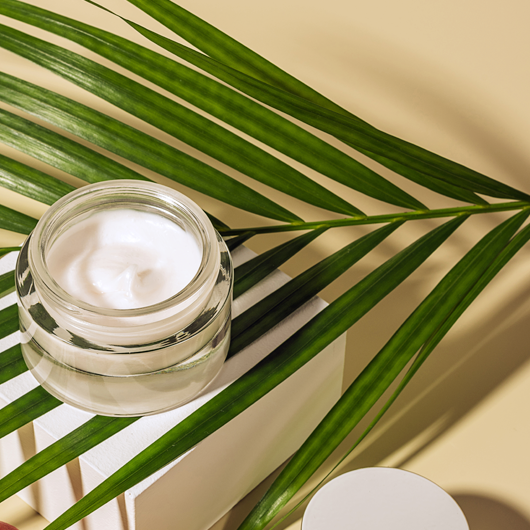


You've chosen the extract. The product idea feels clear in your head. Maybe it's a gel serum, a cream, or a lightweight lotion built around plant actives that make skin look fresher, smoother, and more radiant. Then the actual work starts. You need a supplier, and suddenly every listing sounds clean, pure, potent, organic, and professional.
That's where most small brands and DIY formulators get stuck. The problem usually isn't finding a seller. It's finding a supplier who will hand over the documentation, composition details, and sample transparency you need to formulate with confidence.
For Skin Perfection, that standard matters. We sell skincare products and lotion-making supplies, and we follow FDA rules and regulations by avoiding prohibited claims in our product listings. Our products are intended to beautify the skin. They do not fix, repair, or heal skin, and we don't describe them that way. We also follow Etsy's rules on claims, which prohibit explicit or implied claims that an item can treat, mitigate, diagnose, or cure serious disease or medical conditions, sexual dysfunction, or that it is equivalent to a prescription drug, analgesic, antibiotic, antiseptic, antiviral, anti-inflammatory, steroid, vaccine, or decongestant, or approved by the FDA.
The sourcing side has become more important because competition is rising along with demand. The global market for botanical extracts is projected to reach USD 17.89 billion by 2035, growing at a 9.5% CAGR from a 2024 base, according to Market Research Future's botanical extracts market analysis. More opportunity usually means more supplier options, but it also means more noise.
Table of Contents
- Your Skincare Idea Needs the Right Ingredients
- Where to Begin Your Search for Suppliers
- The Essential Vetting Checklist for Quality and Purity
- Implementing a Practical Sample Testing Workflow
- Navigating MOQs Pricing and Supply Chain Realities
- Labeling Storage and Building Strong Partnerships
Your Skincare Idea Needs the Right Ingredients
You choose a beautiful botanical for a clean beauty formula, build the texture around it, and then the sample arrives with a carrier solvent you did not expect, a weak odor profile, and a COA that answers almost nothing. That is how small brands lose time and confidence before the first pilot batch is even finished.

A good formula starts before mixing. It starts with choosing the right extract format, defining its job in the formula, and confirming that the supplier can document what is in the drum or bottle. Small-batch makers cannot afford vague paperwork because one undocumented detail can affect the whole product.
Many formulators begin with the result they want on skin. A cream should feel rich but not heavy. A toner should stay clear and smell clean. A serum should sit well under sunscreen and makeup. Sourcing is the step that makes those targets repeatable instead of accidental.
Supplier evaluation is part of formulation work. The extract's documentation, dilution, solvent system, and consistency affect texture, color, scent, label accuracy, and how customers judge the finished product. For a clean beauty audience, one issue deserves special attention. Undisclosed diluents. If a supplier cannot clearly state whether the extract is cut with glycerin, propanediol, maltodextrin, sunflower oil, or another carrier, you do not have enough information to formulate or label with confidence.
That problem shows up often with botanical extracts because the name on the front of a sales sheet can sound much simpler than the material itself. “Chamomile extract” can mean different plant parts, different extraction solvents, different concentration ratios, and different preservation systems. Two samples with the same sales name may behave very differently in the same emulsion.
I treat the COA and specification sheet as working tools, not filing paperwork. They help confirm identity, appearance, odor, solubility, active range when relevant, microbiological limits, and any added carriers or processing aids. If those documents are incomplete or slow to arrive, the risk goes up fast for a small brand.
For formulators who care about ingredient transparency beyond skincare, Fillaree's overview of ingredients for eco-conscious homes reflects the same standard buyers should expect from raw material vendors. Clear disclosure. Plain language. No hidden extras.
Practical rule: If the botanical sounds impressive but the supplier avoids clear documentation, remove that supplier from your shortlist.
It also helps to compare plant extracts against other cosmetic raw materials before you commit to a concept. Skin Perfection's guide to best natural ingredients for skin is a useful reference when planning a formula around function, compatibility, and label fit.
Where to Begin Your Search for Suppliers
A typical small-brand mistake looks like this. You find a beautiful supplier site, request a sample, build a bench formula around it, then learn the extract was diluted with glycerin or preserved with a system you did not plan for. That is why the search phase needs structure from day one.

The supplier market is uneven. Large ingredient companies help set documentation standards, but they are not always set up for low MOQs, fast replies, or hands-on support for a founder developing a first SKU. Smaller distributors can be more flexible, but only if they disclose enough to let you assess the material properly.
Start broad, then cut your list quickly
Use a few search channels at once, then remove weak options early.
- B2B ingredient marketplaces These help you compare how suppliers present origin, extract type, certifications, and application notes. A key value is seeing who publishes specs and who hides behind marketing language.
-
Ingredient directories and manufacturer websites
Once a name looks promising, go straight to the supplier's own site. Look for technical pages, document request forms, extraction details, and signs that they work with cosmetic formulators rather than only bulk commodity buyers. -
Trade shows and virtual expos
Live conversations save time. Ask direct questions about sample availability, indie-brand support, normal lead times, and whether carriers, preservatives, or other diluents are always disclosed on the spec sheet.
For a clean beauty brand, that last point matters more than many founders expect. An undisclosed diluent changes performance, label declarations, preservation strategy, and sometimes your whole positioning story.
Screen for fit before you ask for samples
The best early suppliers usually share one trait. They answer plain technical questions clearly.
A short inquiry email can do a lot of filtering. Ask for:
- Ingredient identity: INCI name, botanical name, plant part, and extraction solvent
- Material format: powder, water-soluble liquid, glycerite, tincture, oil-soluble extract, or another form
- Documents: COA, SDS, and technical data sheet before purchase
- Commercial terms: MOQ, sample policy, lead time, and restock timing
- Full composition: carriers, excipients, preservatives, and any other diluents
I pay close attention to how a supplier answers the composition question. A direct answer usually signals a supplier that understands formulation work. Evasive answers often mean trouble later.
Some formulators also compare documentation habits in adjacent ingredient categories to sharpen their standards. Celonyx Labs research peptide resources are useful for that because peptide buyers often expect tighter specification language, lot clarity, and cleaner composition disclosure.
If your formula includes both botanicals and single-function actives, it helps to compare extract listings against simpler raw materials. Sodium Hyaluronate Powder Pure Hyaluronic Acid is a straightforward example of a cosmetic raw material sold in powder form for use in water-based skincare systems. Reviewing listings like that can make it easier to spot when a botanical supplier is leaving out practical details.
A useful companion reference while comparing formats and supplier assortments is Skin Perfection's category for bulk skin care ingredients, especially if you want to see whether a vendor's range makes sense for small-batch formulation.
Build your shortlist around disclosure quality, not branding. If a supplier cannot tell you exactly what is in the drum or pouch, keep looking.
The Essential Vetting Checklist for Quality and Purity
This is where supplier selection gets real. Attractive packaging, organic language, and a polished sales rep don't tell you whether the material will behave properly in your formula.

The documents that matter
At minimum, ask for these before you buy anything beyond a sample:
| Document | What you're checking | Why it matters |
|---|---|---|
| COA | Identity, batch-specific results, basic quality markers | Confirms you're evaluating an actual lot, not a generic promise |
| SDS | Handling, storage, safety information | Helps with safe use, shipping, and workplace procedures |
| Technical data sheet | Solubility, appearance, extraction medium, recommended use | Tells you whether the extract can actually fit your formula |
| Allergen or composition statement | Added substances, carriers, processing aids | Exposes hidden ingredients that change potency and label needs |
A supplier who delays these documents until “after purchase” is creating risk for you. Small brands can't afford to formulate backward.
Why ratios and diluents need full disclosure
One of the most common sourcing mistakes is trusting a plant-to-extract ratio without asking what is inside the finished material. A 4:1 ratio is meaningless without the percentage of excipients, and failing to verify complete extract composition leads to incorrect dosage calculations in 30-40% of formulations, as discussed in this published review on botanical extracts and extract ratios.
That single issue separates careful suppliers from vague ones. You need to know:
-
What the starting material was
The first number should refer to dried botanical starting material. -
What the final extract includes
The second number reflects the finished total extract, which may include excipients. -
Whether solvents or carriers remain
Alcohol, glycerin, water, maltodextrin, or other materials change concentration and behavior. -
Which constituents are standardized or marked
If an active or marker compound is listed, it should be disclosed clearly.
A ratio without composition details doesn't help you calculate usage. It only helps marketing.
This is one reason clean beauty formulators need to be especially strict. If you're building around purity, minimalism, or certification compatibility, hidden dilution can undermine the whole project.
What certifications actually tell you
Certifications matter, but only if you understand what they do and don't prove.
- ISO 9001:2015 suggests the manufacturer follows a documented quality management system.
- FDA-related compliance language should be read carefully. It doesn't mean a cosmetic ingredient is “approved by the FDA.”
- WHO GMP, HALAL, USDA Organic, and other standards can support supply chain confidence when they are relevant to the material and properly documented, as outlined by Atomm Botanicals on choosing botanical extract manufacturers and suppliers.
For cosmetic makers, I treat certifications as supporting evidence, not a substitute for raw composition transparency. A certified supplier can still offer a poorly described extract. A less flashy supplier can still provide excellent paperwork and consistent material.
If certification language is part of your decision process, Skin Perfection's collection of articles on certified organic ingredients and organic skin care can help you think more critically about what each label means in practice.
Implementing a Practical Sample Testing Workflow
Once a supplier clears the documentation stage, the sample tells you what the paperwork doesn't. This is the step many people rush, especially when they're eager to launch. That's a mistake.

HerbalGram reported that 34% of commercial botanical extracts contain undisclosed excipients or diluents, which is exactly why hands-on sample testing matters for clean beauty brands that care about purity and certification compatibility, as noted in HerbalGram's feature on extract dilution.
What to record before you formulate
Open the sample and document the basics before it goes anywhere near a full formula.
Write down:
- Appearance: Is the color what you expected from the botanical and extraction type?
- Odor: Is it soft, sharp, fermented, alcoholic, earthy, sweet, or oddly flat?
- Texture: Is the liquid thin, sticky, syrupy, oily, or cloudy?
- Solubility check: Does it dissolve cleanly in the phase you intend to use?
- Residue: Does it leave sediment, ring formation, haze, or stringiness?
I like to test a new extract in a clear beaker first, then in a very plain base. If the extract shifts color dramatically, throws sediment, or changes feel more than expected, that's useful information early.
How to run a small batch test
Keep the test batch boring on purpose. A simple base makes it easier to spot the extract's effect on performance.
A practical workflow looks like this:
-
Prepare a control batch
Make your base without the extract. Record texture, viscosity, color, and scent. -
Prepare one test batch with the extract
Use a conservative inclusion level based on the supplier's documentation. -
Observe immediate behavior
Watch for separation, pilling, precipitation, or unexpected thinning. -
Re-check over time
Look again after the batch has settled. Some incompatibilities don't show up immediately.
If you formulate hydrating serums, a simple water-based base with sodium hyaluronate can make extract behavior easier to read because the base itself is familiar and relatively clean. You're not trying to make the final hero formula yet. You're isolating the extract's contribution.
“Test the extract in the plainest base that still reflects your final format.”
Microbial awareness matters too, especially when you're handling water-based prototypes and botanical materials. If you're building a more disciplined in-house process, Skin Perfection's resources on a bacterial test kit are worth reviewing as part of your quality routine.
Navigating MOQs Pricing and Supply Chain Realities
A supplier can be technically excellent and still be the wrong fit for your business. That usually shows up in one of three places: minimum order quantity, reorder timing, or communication around availability.
Ask commercial questions early
Small brands often hesitate to ask direct business questions because they don't want to sound inexperienced. Ask them anyway. You need practical answers before you commit time to sample work.
Use language like this:
- For MOQ: “What is the smallest standard order for this extract, and do you offer sample-to-production scaling?”
- For price structure: “Do your price tiers change by pack size, annual volume, or pallet quantity?”
- For lead times: “What is the normal replenishment timeline, and how often do delays occur?”
- For continuity: “Is this botanical available year-round, or is it affected by harvest season?”
Those questions sound simple, but they tell you a lot. Some suppliers become evasive as soon as the conversation moves from brochure language to operating reality.
Choose workable reliability over impressive catalogs
A giant catalog can be appealing. It suggests reach, variety, and convenience. But a smaller supplier with tighter communication is often easier for an indie brand to work with, especially when you need low-volume runs, batch-specific documentation, and consistent follow-up.
Here's the trade-off in plain terms:
| Supplier type | Advantage | Risk |
|---|---|---|
| Large multinational | Broad selection, established systems | You may face high MOQs or slower personalized support |
| Mid-size specialty supplier | Better technical conversation, more flexible volumes | Fewer extract options in one place |
| Small niche supplier | Often responsive and easier for pilot runs | Continuity can be less predictable if raw material access is narrow |
What works in practice is balancing technical transparency with commercial fit. If a supplier has excellent paperwork but requires a volume you can't move, that's not a good match. If they offer tiny MOQs but can't answer basic questions about composition and storage, that isn't a bargain either.
One more point matters here. Don't evaluate shipping cost in isolation. Evaluate landed usefulness. A cheaper extract that arrives with vague specs, inconsistent fill appearance, or long reorder gaps can become expensive fast because it drags out development and creates reformulation work.
Labeling Storage and Building Strong Partnerships
Good sourcing doesn't end when the extract arrives. It continues through labeling, storage, and how you manage the relationship.

Keep your claims and labels disciplined
Your product label should use proper INCI naming and accurate ingredient identification. If the supplier's paperwork is messy, your labeling becomes harder immediately.
For Skin Perfection, claim discipline is paramount. Under DSHEA of 1994, botanical preparations are legally classified as dietary supplements and are prohibited from making claims to diagnose, cure, mitigate, treat, or prevent disease, as explained by Michigan State University's update on botanicals and DSHEA. Even outside supplement language, that principle reinforces a broader rule for skincare brands: keep claims cosmetic, appearance-focused, and accurate.
That's also consistent with how we write product listings. We don't say our products fix, repair, or heal skin. We don't make prohibited disease claims. We don't say a product is FDA approved. That kind of discipline protects the business and keeps customer communication honest.
For anyone refining ingredient-panel language, Skin Perfection's guide on how to read a skincare label INCI is a practical place to tighten your process.
Store well and act like a professional buyer
Storage mistakes can ruin a good extract. Follow supplier guidance on light exposure, temperature, closure method, and use period after opening. If they don't provide storage guidance, ask. If they still don't provide it, note that as a weakness.
Strong supplier relationships are built on boring professional habits:
- Send clear forecasts: Even rough order timing helps a supplier plan.
- Pay on time: Reliable buyers get better support.
- Give useful feedback: Report odor shifts, color changes, and packaging issues with batch references.
- Keep records: Save COAs, lot numbers, and your internal test notes together.
Suppliers usually give their best support to customers who are organized, specific, and easy to work with.
Long-term, that relationship is worth more than chasing the cheapest listing every time. The best botanical extracts suppliers don't just sell raw materials. They help you keep your formulas consistent.
Skin Perfection offers natural and organic skincare products along with lotion-making supplies for DIY formulators and skincare professionals. If you want ingredients and finished products built around clear cosmetic positioning, clean-beauty standards, and practical formulation support, visit Skin Perfection.