

 Buy with Prime
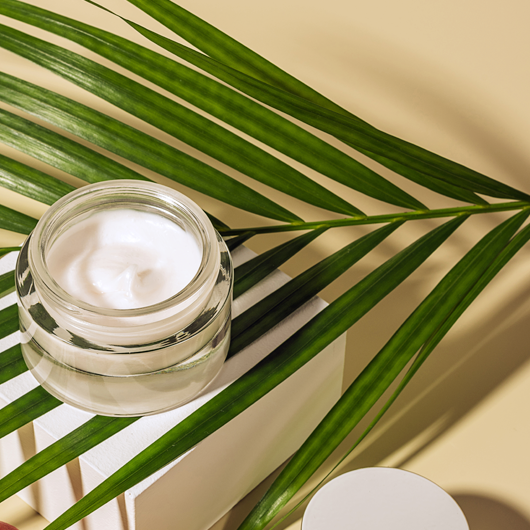


how to use 86% Organic Essential Daily Moisturizer
If you’re searching for how to use 86% Organic Essential Daily Moisturizer, keep the routine simple: cleanse, apply any water-based treatment, then smooth a pea-sized amount over slightly damp skin. Use it on your face, neck, and chest in the morning and evening. This order lets treatments sit close to clean skin while the moisturizer supports a comfortable, hydrated finish.
Key Takeaways
- Apply the moisturizer after cleansing and any water-based serums, letting those lighter treatments absorb first so the cream can seal everything in.
- A pea-sized amount is all you need for your face, neck, and chest, showing just how far a concentrated, clean formula can go.
- Smoothing the product over slightly damp skin helps trap surface moisture, leaving your complexion soft, comfortable, and hydrated throughout the day.
- Consistent morning and evening use keeps your skin balanced around the clock and supports that healthy, youthful glow we all want.
- With 86% organic ingredients, this moisturizer proves you can achieve real, visible results without compromising your commitment to clean beauty.
I’m Kari Thomas, a certified expert in natural preservation and organic cosmetic science. I believe skincare directions should be practical and transparent, so you understand what each layer does instead of leaving a beautiful formula unused in a cabinet.
How to Use 86% Organic Essential Daily Moisturizer: The Quick Answer
Apply this moisturizer twice daily after cleansing and serum. Begin with clean, slightly damp skin. Dispense approximately a pea-sized amount, warm it between your fingertips, and press or gently massage it across your face. Continue down the neck and across the upper chest. In the morning, finish with broad-spectrum sunscreen. At night, let the moisturizer serve as your final comfort layer unless your dermatologist has given you a different plan.
The Five-Step Application at a Glance
- Cleanse: Remove sunscreen, makeup, sweat, and surface residue with a gentle cleanser.
- Refresh: Apply a facial mist or hydrating essence if one is part of your routine.
- Treat: Smooth on serum, peptide concentrate, or another lightweight treatment.
- Moisturize: Use a pea-sized amount over the face, neck, and chest.
- Protect: Apply sunscreen in the morning, particularly when using exfoliating acids or retinoid products.
How Much to Use and Where to Apply It
A pea-sized portion is a useful starting point for the face, neck, and chest together. Dry or mature skin may welcome a little more around the cheeks, while oily or combination skin often needs less across the forehead, nose, and chin. Spread the formula with light pressure rather than vigorous rubbing. Include the jawline, sides of the neck, and décolletage. Areas often missed during daily skincare.
Fast Answers: Serum Order, Damp Skin, and Neck and Chest Use
Serum order: Apply moisturizer after serum because serums are generally thinner and designed to sit closer to freshly cleansed skin. Damp or dry skin: slightly damp skin helps the moisturizer spread with less tugging. Avoid dripping-wet skin, which can dilute the layer and increase pilling. Neck and chest: apply a thin, even layer there, followed by sunscreen during daylight hours.
What Is the Best Morning and Evening Routine?
Use the moisturizer after cleansing and your chosen treatment in both routines. In the morning, place broad-spectrum SPF 30 or higher over the moisturizer. At night, the moisturizer can be your final skincare layer. This sequence keeps the routine focused: remove residue, apply targeted ingredients, support the skin barrier, then protect against daytime ultraviolet exposure.

Morning Routine: Cleanse, Treat, Moisturize, Protect
Start with a mild gentle facial cleanser that removes overnight oil without leaving skin tight. A mist or essence is optional. Follow with one primary treatment, such as a peptide serum or antioxidant formula.
Once the treatment has settled, apply the 86% Organic Essential Daily Moisturizer across your face, neck, and chest. Let the surface settle, then apply broad-spectrum SPF 30 or higher. If you use exfoliating acids or retinoids, daily sun protection becomes especially important because these products can increase sensitivity.
Evening Routine: Cleanse, Treat, and Seal In Hydration
Remove makeup and sunscreen thoroughly before applying treatment products. Double cleansing may help with water-resistant sunscreen or long-wear makeup, but avoid harsh scrubbing. Pat the face until it is slightly damp, apply one focused serum, and follow with the moisturizer.
Skin that feels hot, itchy, or persistently tight may be signaling irritation rather than a need for more cream. Pause newly introduced actives, return to gentle cleansing and basic moisturization, and seek professional advice if discomfort continues. Patch testing is a sensible step for sensitive skin or a history of reactions.
Why Does Moisturizer Follow Serum?
Product order usually follows texture and purpose. Lightweight serums contain concentrated ingredients and are applied first, while moisturizer provides emollients and water-binding components that reduce the feeling of dryness. Applying the cream while skin is slightly damp can help distribute it evenly and support a softer finish. It does not force ingredients into the skin or replace a well-formulated product.
For added hydration before moisturizing, consider a hyaluronic acid plumping serum. For a separate scalp ritual, the Plant Therapy Hair Therapy Essential Oil Blend is a 100% pure and undiluted essential oil mixture intended to be added to shampoo or conditioner, not used as a facial moisturizer. The Plant Therapy Hair Therapy Essential Oil Blend contains Rosemary, Clary Sage, Bergamot, Atlas Cedarwood, Lavandin, and Copaiba oils.
How Long Should You Wait Between Layers?
You generally do not need a long timer between skincare layers. Apply serum, then wait until it no longer feels wet or slippery before moisturizing. After moisturizer, let the surface settle before sunscreen. If pilling occurs, reduce the amount, use fewer layers, and press products into the skin rather than repeatedly rubbing them.
How Can You Keep the Routine Comfortable?
Humectants attract water to the outer layers of skin, emollients smooth rough texture, and occlusive ingredients help reduce water loss. Apply a thin, even layer first, then assess how your skin feels after several minutes. Flaking or tightness may call for a small amount more, while shine, stickiness, clogged pores, or small bumps suggest that you may be layering too heavily.
Your skin type should guide small adjustments. Dry skin may benefit from a richer evening application, while oily or combination skin may prefer less product around the T-zone. Sensitive skin deserves a slower introduction, especially if the rest of the routine includes fragrance, exfoliating acids, vitamin C, or retinoids. Keep a short record of new products and reactions so you can identify the source of discomfort instead of changing several variables at once.
Using the Moisturizer With Peptides, Acids, and Retinoids
If your serum contains peptides, place it beneath the moisturizer after cleansing. Peptides are short amino-acid chains used in cosmetic formulas to support the appearance of firmness and smoother texture. Antioxidants can help defend against environmental stressors, while humectants such as glycerin support a plumper-feeling surface. These cosmetic benefits are different from medical treatment, so consistent use and realistic expectations matter.
Exfoliating acids and retinoids require a gradual schedule. Begin with one active product at a time, follow its directions, and avoid applying several potentially irritating formulas during the same routine until your skin has shown good tolerance. Moisturizer can provide comfort after an active step, but it does not cancel irritation or replace sun protection. If you experience persistent burning, swelling, rash, or peeling, stop the suspected product and consult a qualified health professional.
How Should You Adjust the Amount for Your Skin Type?
The ideal application leaves skin comfortable without creating a thick film. Normal and combination complexions may need only the starting pea-sized portion for the face, neck, and chest. Dry skin can benefit from a second, very small dab on the cheeks or around the mouth after the first layer settles. Oily skin may need a thinner application across the forehead, nose, and chin, where excess emollient product can feel slippery or contribute to congestion.
Cold air, indoor heating, wind, and frequent cleansing can increase tightness, while humid weather may make a lighter layer more comfortable. Notice how your skin feels later in the day, whether makeup sits smoothly, and whether dry patches return. Those observations offer better guidance than adding more product automatically.
Signs Your Application Needs Adjustment
Skin that feels soft and calm after application usually indicates a suitable amount. Persistent tightness may mean that your cleanser is too stripping, your skin is not slightly damp enough, or the moisturizer needs a small additional layer. Pilling, stickiness, excessive shine, and tiny clogged areas suggest reducing the quantity or simplifying the products beneath it.
Apply only a very thin layer around the orbital bone, avoiding direct contact with the eyes and lash line. Fragrance, botanical extracts, and active treatments can feel more irritating in this delicate area. If redness, itching, swelling, or burning develops, rinse the product away and discontinue use until the skin feels normal. A medical professional can help evaluate a reaction that does not settle.
What Can This Moisturizer Do?

Moisturizer supports the skin barrier through water-binding ingredients, softening emollients, and components that help reduce surface water loss. That can make roughness look less noticeable and leave the complexion more supple. It does not replace cleansing, sunscreen, or a targeted treatment, and it cannot correct every cause of dryness, acne, redness, or sensitivity. Persistent, painful, or rapidly changing concerns call for professional evaluation.
The 86% organic designation describes the proportion of the formula identified as organic under the product’s stated standard. Organic, natural, wildcrafted, clean, and certified are not interchangeable terms. Each depends on ingredient source, processing method, documentation, and certifying body. Read the package and manufacturer materials for the exact basis of the claim, since the full formula determines texture, preservation, scent, and compatibility with your skin.
Pairing Moisturizer With Focused Treatments
Choose one main treatment goal for each routine. A peptide product may support the appearance of fine lines and firmness, while an exfoliating acid addresses uneven texture. A retinoid follows a separate introduction schedule and may require extra attention to dryness. Applying every active at once makes irritation harder to identify and can disrupt consistency. Introduce one change, observe your skin, and keep the moisturizing step steady.
Use sunscreen every morning, even on cloudy days or during brief periods outdoors. A broad-spectrum formula helps protect against ultraviolet exposure that contributes to visible discoloration and premature-looking texture. If the moisturizer pills beneath sunscreen, decrease the amount, press rather than rub, and allow the lower layer to settle.
Our Practical Verdict for Daily Use
For a clear answer about how to use 86% Organic Essential Daily Moisturizer, apply a modest amount after cleansing and serum while the skin remains slightly damp. Cover the face first, then extend the remaining product over the neck and upper chest. Use it morning and evening, adjusting the quantity for climate, skin type, and comfort. In daylight, sunscreen belongs above the moisturizer.
This routine favors consistency over complicated layering. Keep the cleanser gentle, select treatments with a defined purpose, and avoid adding rich oils or balms simply because your skin feels dry for a few minutes. Review your routine when the weather, medication, shaving habits, or treatment products change. Patient observation helps you make informed adjustments while keeping the application measured and skin-friendly.
References
Frequently Asked Questions
What is the correct way to apply 86% Organic Essential Daily Moisturizer?
The correct way to apply 86% Organic Essential Daily Moisturizer is to warm a pea-sized amount between your fingertips and press or massage it over slightly damp, cleansed skin using gentle upward circular motions. Continue from the face down the neck and across the upper chest. In the morning, finish with a broad-spectrum SPF 30 or higher.
Should you pat or rub moisturizer?
Patting or lightly pressing the moisturizer into your skin is gentler and more effective than vigorous rubbing. Light pressure helps the 86% Organic Essential Daily Moisturizer spread evenly without tugging, which supports a soft, comfortable finish. Pressing products in also helps reduce pilling when you layer serums, cream, and sunscreen.
Do you leave moisturizer on your face or wash it off?
86% Organic Essential Daily Moisturizer is a leave-on product, so you keep it on your skin rather than washing it off after application. It forms a breathable hydration layer during both your morning and evening routines. At night it serves as your final comfort step, while in the morning sunscreen goes on top.
What is the 3 minute rule for moisturizer?
The 3 minute rule means applying moisturizer within about three minutes of cleansing, while skin is still slightly damp, to lock in surface hydration. Slightly damp skin is also the preferred base for 86% Organic Essential Daily Moisturizer because it spreads smoothly with less tugging. Skip dripping-wet skin, since excess water can dilute the layer and cause pilling.
Should you rub in moisturizer or let it sit?
Gently smoothing 86% Organic Essential Daily Moisturizer into the skin works better than letting it sit untouched or rubbing it in aggressively. Warm the pea-sized amount between your fingertips, then massage with light upward circular motions until it settles. Give the surface a moment before layering sunscreen on top.
How much 86% Organic Essential Daily Moisturizer should I use?
A pea-sized amount of 86% Organic Essential Daily Moisturizer covers the face, neck, and chest together for most skin types. Dry or mature skin may welcome a little more around the cheeks, while oily or combination skin often needs less across the forehead, nose, and chin. Start small and add only where tightness remains.
Should I apply 86% Organic Essential Daily Moisturizer before or after serum?
Apply 86% Organic Essential Daily Moisturizer after your serum, since thinner water-based treatments are designed to sit closest to freshly cleansed skin. This order lets concentrated serum ingredients reach clean skin first, while the moisturizer adds emollients on top. Wait until the serum no longer feels wet or slippery before moisturizing.