

 Buy with Prime
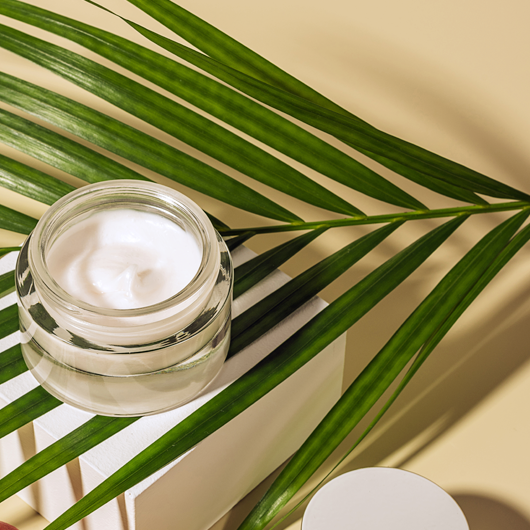


TL;DR: Squalane is considered non-comedogenic, typically receiving a rating of 0 to 1 on a 5-point scale, making it a suitable option for most skin types, including those prone to blemishes and sensitivity.
A lot of skincare advice still treats all face oils like they're automatically too heavy for pores. That's one of the most misleading shortcuts in skincare.
Some oils do feel rich and dense. Some can be a poor match for people who dislike any residue on the skin. But is squalane comedogenic isn't really an "all oils are bad" question. It's a chemistry question.
Squalane has earned such a good reputation because it behaves differently from many people expect a facial oil to behave. It feels lighter, spreads easily, and its stability is a key factor regarding pore friendliness.
If you've ever felt confused by the words squalane and squalene, you're not alone. They look almost identical, yet that small spelling difference points to a big practical difference in a formula.
The Big Question About Facial Oils and Your Pores
People usually ask about pore clogging for a simple reason. They don't want a product that leaves skin looking slick, congested, or uneven by the end of the day.
That concern is valid. Plenty of products marketed as nourishing can feel like too much, especially if your skin already looks shiny or you prefer a lighter finish.
Why oils get a bad reputation
"Oil" is a broad category, not a performance guarantee. One oil can feel airy and elegant, while another sits on the surface like a thick coat.
That's why blanket advice such as "avoid all oils if you're prone to blemishes" often causes more confusion than clarity. It skips the part that matters most, which is which oil, in what formula, and how stable it is.
A good educational resource like the Beverly Hills Skin Journal can be helpful when you're trying to sort general skincare myths from ingredient-specific information.
Why squalane stands out
Squalane often surprises people because it doesn't behave the way they expect a facial oil to behave. It tends to feel smooth, light, and less greasy than richer botanical oils.
That makes it especially interesting for people who usually avoid oils entirely.
If you want more background on where beauty oils fit into a routine, this overview of the benefits of beauty oils gives useful context for comparing different textures and uses.
Many pore concerns come from oversimplifying ingredients. "Oil" doesn't tell you enough. Structure, stability, and the full formula matter more.
When people ask, "Will this clog my pores?" they're really asking three things at once:
- How heavy does it feel
- How stable is the ingredient
- What else is in the product
Squalane gets attention because it checks those boxes better than many people expect.
Squalane vs Squalene A Critical Difference for Your Skin
A single letter changes the whole conversation here. Squalene and squalane come from the same family, but they behave very differently once they are part of a skincare product.
Squalene is the original form. Squalane is the hydrogenated, more stable version used in modern formulas.

A simple chemistry change with a big effect
A fresh-cut apple helps explain the difference. Squalene behaves a bit like that apple. Once exposed to air and environmental stress, it is more likely to change over time.
Squalane is the more protected version. In cosmetic chemistry, that protection comes from hydrogenation, a process that converts squalene into a more stable ingredient.
Here is the part that matters for pores and product performance. Squalane is a fully saturated hydrocarbon, while squalene has double bonds that make it easier to oxidize into less desirable byproducts (Typology's explanation of vegetable squalane).
That is why this is not just a spelling lesson. It is a stability lesson.
Why stability changes how an oil behaves
An unstable oil is less predictable. Its texture, scent, and overall feel can shift more easily as it is exposed to oxygen, light, and time.
A stable oil tends to stay closer to what the formulator intended. That consistency is one reason squalane is used so often in facial oils, moisturizers, and barrier-supporting formulas. It gives the silky slip people want from an oil, without the same oxidation concerns attached to squalene.
Here is the side-by-side view:
Squalane vs. Squalene at a Glance
| Characteristic | Squalene (Unstable) | Squalane (Stable) |
|---|---|---|
| Basic identity | Original lipid form | Hydrogenated form of squalene |
| Stability | Prone to oxidation | Chemically stable |
| Skin feel | Can feel heavier or less predictable | Usually lightweight and smooth |
| Suitability in modern skincare | Less commonly used directly | Commonly used in facial oils, serums, and moisturizers |
| Pore-related reputation | Less favorable when oxidized | Widely regarded as low risk |
If ingredient names still blur together on a box or bottle, this guide on how to read a skincare label INCI can make ingredient lists much easier to decode.
Where squalane comes from today
Older skincare conversations often bring up shark liver sourcing. That history exists, but it does not describe most current cosmetic use.
Today, squalane is commonly sourced from plants such as olives or sugarcane, which is one reason it has become a standard ingredient in modern skincare products.
Practical rule: If you see "squal" on a label, look closely for squalane.
That small check helps DIY formulators and everyday shoppers make a smarter call, because the ingredient name points to the oil's stability, not just its origin.
Understanding the Comedogenic Rating of Squalane
A comedogenic rating is useful, but it is not a final verdict on how an oil will behave on your face.
The term comedogenic refers to how likely an ingredient is to contribute to clogged pores. The usual scale runs from 0 to 5. Lower numbers suggest lower pore-clogging potential. Higher numbers suggest a richer or more occlusive ingredient that may feel less comfortable for some people.
Where squalane lands on the scale
Squalane is widely described as a 0 to 1 ingredient on the comedogenic scale, which places it at the low end.
That low score matters for a specific reason. Squalane is the more stable form. Stability makes it more predictable in a formula and on the skin's surface. Earlier, we looked at why that difference matters so much with squalene. A stable oil is less likely to shift into something less skin-friendly over time.
So the rating is not just a label. It reflects the chemistry behind the ingredient.
How to read that rating without oversimplifying it
A comedogenic scale works like a traffic signal, not a courtroom judgment. It gives guidance quickly, but it does not describe every road condition.
Skin is personal. Product texture is personal too. A featherweight face oil can feel very different from a rich overnight balm, even if both contain squalane. If you want a clearer sense of how texture changes the experience, this guide to oil-based vs water-based serums and what suits different skin needs helps put that in context.
Here is the practical way to read the scale:
- 0 to 1 usually means low likelihood of clogging pores
- 2 to 3 calls for a bit more caution if you prefer lighter products
- 4 to 5 often points to a heavier ingredient profile
Why this rating helps, and where it stops helping
If you spot squalane on an ingredient list, that is generally a reassuring sign. It suggests the oil itself is not a usual red flag for pore concerns.
The part that confuses people is simple. A low-rating ingredient can still appear inside a product that feels dense, layered, or overly occlusive overall. That is why formulators treat comedogenic ratings as one clue among several, not as the whole answer.
A comedogenic score is a useful shortcut. The smarter question is why the ingredient earned that score, and how the full formula changes the final skin feel.
Why the Full Formulation Is Key
People often want a single ingredient to give them a final answer. Skincare rarely works that way.
A product can contain a low-risk ingredient and still feel too rich overall. That's why formulators don't judge a product by one "hero" oil alone.

A kitchen analogy makes this easier
Broccoli is a simple ingredient. But broccoli in a light soup and broccoli in a heavy fried casserole are two very different dishes.
Squalane works the same way in formulation logic. On its own, it's known for a light, elegant feel. In a product packed with dense butters, waxes, or heavy occlusive ingredients, the finished result can still feel thick on the skin.
That doesn't make squalane the problem. It means context changes performance.
What formulators look at besides one oil
When evaluating whether a formula may feel pore-friendly, I look at the whole build:
- Texture balance: Is the product a fluid serum, a lotion, a cream, or a balm?
- Occlusive load: Are there several rich ingredients layered together?
- Usage pattern: Is this meant for a tiny finishing layer or a generous all-over application?
If you're comparing serum textures, this guide on oil-based vs water-based serums can help you understand why two products with good ingredients can still feel very different.
What this means when you're shopping
Don't stop at the front label. "With squalane" sounds promising, but it doesn't tell you whether the formula is feather-light, creamy, or waxy.
Look for clues such as:
- Product format: A dropper oil, gel-cream, and rich night balm won't sit the same way.
- Neighboring ingredients: Rich butters and thick waxes can change the finish.
- Your climate and routine: A formula that feels perfect in winter might feel like too much in humid weather.
This is especially useful for DIY makers. When you build your own lotion or serum, you're not just choosing ingredients. You're choosing ratios, texture, slip, and finish.
The ingredient matters. The formula decides how that ingredient shows up on your skin.
How to Use Squalane on Sensitive or Blemish-Prone Skin
Even with a well-liked ingredient, the smartest approach is still slow and observant. That matters even more if your skin reacts easily or you prefer keeping your routine minimal.
Start with a patch test. It sounds basic, but it's one of the best ways to separate a promising ingredient from a formula that just doesn't suit you.

A simple patch test routine
Use a small amount on an easy-to-monitor area, such as the inner arm or along the jawline.
- Apply a small amount: Use a drop or a thin layer.
- Leave it alone: Don't test multiple new products at the same time.
- Watch the area: Pay attention to how it looks and feels over the next day or two.
- Move slowly: If it seems fine, use it on a small facial area before full-face use.
Easy ways to introduce squalane
You don't need a complicated method. Start with the lightest touch.
- Mix a drop into moisturizer: This softens the experience if straight oil feels unfamiliar.
- Use it as a last step: It can add a smoother finish after lighter layers.
- Keep the amount small: A few drops are usually enough for the face.
If you enjoy broader routine education, this article on how to get clear skin naturally offers practical habits that pair well with a thoughtful, low-drama product approach.
What to check on the label
If you're buying a finished product with squalane, read past the headline ingredient.
Look at:
- Where squalane appears in the ingredient list
- Whether the formula is simple or crowded
- Whether the texture matches your preference
If your skin often looks flushed or easily bothered by too many steps, it's worth learning more about what causes skin inflammation so you can build a calmer routine overall.
A patient approach tends to work best. New products don't need to prove themselves in one night.
How Squalane Compares to Other Popular Face Oils
Squalane gets recommended often because it occupies a very useful middle ground. It feels oil-like enough to add slip and softness, but usually lighter and less rich than many classic plant oils.
That doesn't make it the automatic winner for every person. It just gives it a broad appeal.
A practical comparison
Here's how people often experience a few common face oils side by side.
| Oil | General feel | Absorption feel | Why someone might choose it |
|---|---|---|---|
| Squalane | Lightweight, silky | Usually quick and smooth | Good if you want a simple, elegant finish |
| Jojoba oil | Balanced, wax-ester feel | Often comfortable and steady | Popular for routines that aim for a sebum-like feel |
| Rosehip seed oil | Lighter but more "oily" than squalane | Can feel a bit more active or botanical | Chosen by people who enjoy plant-oil blends |
| Grapeseed oil | Light and fluid | Often fast-absorbing | Works well for people who dislike rich textures |
Where squalane fits best
Squalane is often the easiest recommendation for someone who says, "I don't usually like face oils."
Why? Because the finish is usually more polished and less greasy-feeling than many traditional oils.
Jojoba can also be a strong option if you like a little more cushion. If you want a closer look at that ingredient, this jojoba oil guide for glowing skin gives a useful comparison point.
Choose by texture, not hype
A lot of oil shopping goes wrong because people choose by trend instead of feel.
Ask yourself:
- Do you want a dry-touch finish or more cushion?
- Do you prefer a single-ingredient oil or a more complex blend?
- Are you layering under makeup, or using it as a nighttime finishing step?
Those questions often matter more than chasing a "best oil" list.
The best face oil is usually the one whose texture you'll actually enjoy using consistently.
Frequently Asked Questions About Squalane
Can I mix squalane into foundation?
Yes, if you keep the amount very small.
A drop can make foundation spread more easily and give the finish a softer, fresher look. Too much does the opposite. It can loosen the formula so much that coverage slips or separates, a bit like adding too much oil to paint and changing how it grips the surface.
Test the blend on the back of your hand first. If it still looks even and smooth, you are in the right range.
Is olive-derived squalane different from sugarcane-derived squalane?
For the person applying it, the source usually matters less than the refinement and the final formula.
Both can become the same stable finished ingredient: squalane. The better question is not "Where did it start?" but "How does this product feel, layer, and behave on my skin?" That is where formulation shows up in real life.
Why isn't squalane viewed the same way as squalene?
The short answer is stability.
As noted earlier, squalane is the hydrogenated, more stable version of squalene. That change may sound small on paper, but it affects how the ingredient holds up when exposed to air, light, and the rest of a formula. Squalane behaves more like a well-made satin fabric that keeps its finish, while squalene is more reactive and easier to change under stress.
That difference helps explain why "is squalane comedogenic?" is not a simple ingredient blacklist question. Chemistry matters. So does the product built around it.
How can I tell if a squalane product suits me?
Start with the full experience, not the headline ingredient.
Notice how the product spreads, whether it sits lightly or heavily, and how it layers with the rest of your routine. A formula with squalane can still feel rich, waxy, or crowded if the other ingredients push it in that direction.
Three practical clues help:
- It glides on without feeling stuffy
- It layers smoothly with moisturizer or makeup
- The finish feels comfortable for hours, not overly slick
That is the practical test. Squalane itself may be elegant, but the full formula decides the final feel.
If you're looking for high-quality skincare or ingredients for your own custom formulations, explore Skin Perfection. They offer natural and organic skincare products plus lotion-making supplies for people who want beautiful, healthy-looking skin with thoughtful, plant-derived ingredients.