

 Buy with Prime
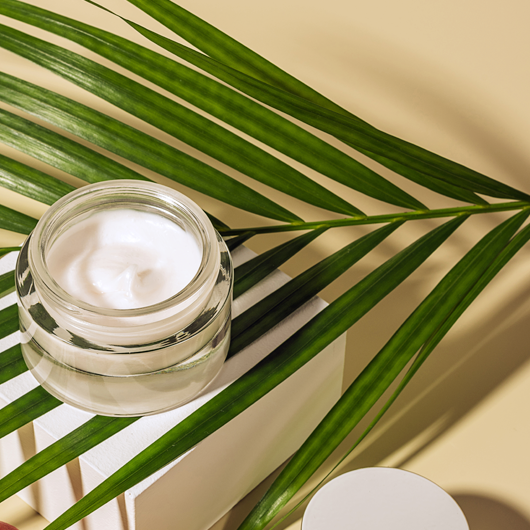


Cleansing the face twice daily is recommended, once in the morning and once at night. If your skin is dry or sensitive, once daily at night can be the better fit, and anyone who sweats heavily should add a cleanse right after.
If you're standing at the sink wondering whether your skin needs another wash or a break, you're not overthinking it. Cleansing is one of the most basic parts of skincare, but it's also one of the easiest to get wrong. Some people wash too often and end up with tight, uncomfortable skin. Others cleanse too little and can't figure out why their skin looks dull or feels congested.
The most useful way to think about cleansing isn't as a rigid rule. Instead, compare it to adjusting water for a houseplant. Too little leaves buildup behind. Too much can strip away what keeps the skin looking comfortable, smooth, and fresh. For anyone focused on the appearance of mature, dry, or easily stressed skin, that balance matters even more.
At Skin Perfection, we care a lot about practical skincare education. We also follow FDA and Etsy guidelines in how we talk about cosmetic products. That means we focus on appearance, comfort, hydration, and routine support. We do not describe products as fixing, repairing, or healing skin, and we do not make disease, drug, or FDA-approval claims.
Table of Contents
- The Golden Rule of Facial Cleansing
- Personalizing Your Cleanse by Skin Type
- Morning Cleanse Versus Evening Cleanse
- How Lifestyle and Climate Impact Cleansing
- Are You Cleansing Correctly
- Sample Cleansing Routines for Beautiful Skin
The Golden Rule of Facial Cleansing
The starting point for how often to cleanse face is simple. The American Academy of Dermatology recommends washing twice daily, once in the morning and once at night, to remove bacteria, sweat, and environmental debris, as explained in Cleveland Clinic's summary of AAD guidance.

That advice works because your skin is always collecting something. Overnight, there's sweat, oil, and leftover product. During the day, there's sunscreen, makeup, airborne grime, and whatever your hands accidentally transfer to your face. A steady morning-and-evening rhythm keeps buildup from sitting too long on the skin.
Why twice daily works for most people
Think of cleansing as resetting a countertop before cooking. You don't need to scrub it all day. You do need to clear away what's sitting there so the next step works better.
A morning cleanse gives you a fresh surface for the rest of your routine. An evening cleanse removes the day so leave-on products can go onto clean skin instead of mixing with residue.
Practical rule: Start with twice-daily cleansing unless your skin clearly leans dry or sensitive.
When the baseline helps most
This baseline is especially useful if your routine feels random. Instead of guessing, begin with a consistent pattern and watch how your skin responds over several days.
If your skin often feels dry, rough, or easily upset, barrier support matters more than doing the maximum. That's where small adjustments make a real difference. Skin that looks stressed often benefits from less friction, less foam, and less unnecessary washing. If that sounds familiar, this guide to skin barrier care basics is a helpful next read.
Personalizing Your Cleanse by Skin Type
The default rule is helpful, but skin type changes how that rule should feel in real life. For people with particularly dry or sensitive skin, cleansing can drop to once daily, preferably at night. For oily or acne-prone skin, the recommendation is to stay consistent with twice-daily washing, as noted in this dermatologist guidance summary.

The easiest way to personalize your routine is to stop asking, “What's the strictest routine?” and start asking, “What is my skin asking for?” Oily skin usually wants regular removal of surface oil and daily residue. Dry or mature skin often wants gentleness and less disruption.
Cleansing frequency by skin type
| Skin Type | Recommended Frequency | Primary Goal |
|---|---|---|
| Oily or acne-prone | Twice daily | Manage surface oil and keep buildup from sitting on the skin |
| Dry or sensitive | Once daily, usually at night | Preserve comfort and avoid an overly stripped feel |
| Combination | Usually twice daily, adjusted gently by season | Balance an oily T-zone without making cheeks feel tight |
| Mature | Often rinse in the morning and cleanse at night | Support a softer, more comfortable barrier feel |
Combination skin sits in the middle. If your forehead and nose get shiny but your cheeks feel normal or dry, you may still prefer a twice-daily rhythm, but with a gentler cleanser and less rubbing.
If you're not sure where you fit, this quick guide to the 5 skin types can help you sort out the basics.
One useful example for dry-feeling skin
If your skin feels thirsty after cleansing, the next step matters. One option DIY formulators often use is Sodium Hyaluronate Powder Pure Hyaluronic Acid, a cosmetic-grade powder used to create water-based serums and creams. Its snapshot details include 800-1500 Daltons High-Molecular-Weight NASHA grade material and typical DIY use levels of 0.1–2% for hydrating formulas.
Dry skin usually doesn't need “more cleansing discipline.” It usually needs a gentler routine and better follow-up hydration.
Morning Cleanse Versus Evening Cleanse
Morning and evening cleansing serve different jobs. Treating them like identical steps is where a lot of confusion starts.

What the morning cleanse is doing
Morning washing is about clearing away overnight oil, sweat, and leftover nighttime product so your daytime routine sits better. For many people, that means a gentle cleanse.
But mature, dry, or sensitive skin often does better with less. Dermatologists often recommend rinsing with lukewarm water in the morning and cleansing only at night to preserve natural oils that help limit trans-epidermal water loss and maintain hydration, as described in this piece on morning rinse-only cleansing for dry or mature skin.
That doesn't mean you're skipping skincare. It means you're being selective. A water rinse can be enough to freshen the skin without taking away the cushion of natural oils you built overnight.
Why the evening cleanse matters most
Evening cleansing is the one step almost no one benefits from skipping. It removes the layer of the day so your skin doesn't go to bed wearing sunscreen, makeup, sweat, and grime.
If you wear long-wear makeup or heavy sunscreen, your evening cleanse may need more attention than your morning cleanse. Many people like a double-cleanse approach at night because it can remove residue thoroughly without aggressive scrubbing. If you're comparing product categories and want a broader framework, this article can help you compare medical versus department store skincare.
For beginners who are trying to build a routine that feels manageable, a simple starter skincare routine is often easier to follow than a long, complicated lineup.
The evening cleanse does the heavy lifting. The morning cleanse is where personalization often happens.
How Lifestyle and Climate Impact Cleansing
Your skin type matters, but your day matters too. Someone who works at a desk in a cool indoor environment may not need the same cleansing rhythm as someone who exercises outdoors, wears a helmet, or lives in heat and humidity.
The after-sweating rule
The American Academy of Dermatology says to wash at three specific times when needed: once in the morning, once at night, and immediately after sweating heavily. It also notes that perspiration while wearing hats or helmets can irritate the skin and should be cleansed away promptly, according to the AAD's face washing guidance.
That point clears up a common question. “Twice a day” is the baseline, not a limit that prevents you from washing after a hard workout. If you've just finished exercising and your face is sweaty, that extra cleanse makes sense.
Climate changes the feel of your routine
A humid climate can make surface oil, sweat, and sunscreen feel heavier. Many people in those conditions prefer sticking closely to a morning-and-night pattern. A dry or cold climate often pushes skin in the other direction, especially in winter when indoor heating can leave skin feeling tight.
A good routine changes with the season. If colder weather makes your face feel parched, this guide on winter skin care habits can help you rethink your cleanser texture, water temperature, and follow-up moisture steps.
- Workout days: Cleanse after heavy sweating.
- Heavy makeup days: Spend more time on your evening cleanse.
- Cold dry weather: Consider whether a morning rinse feels better than a full wash.
- Hot sticky weather: A consistent twice-daily schedule often feels more comfortable.
Are You Cleansing Correctly
Sometimes the issue isn't how often you cleanse. It's how you cleanse.

A lot of people assume squeaky-clean means clean enough. Usually, it means you went too far. Skin should feel fresh after washing, not stripped.
The right timing and touch
An effective cleanse lasts 30 seconds to 2 minutes, with 60 seconds as a useful benchmark for giving the cleanser time to work without disrupting the skin's protective outer layer, based on Everyday Health's cleansing guidance.
Use lukewarm water, not hot. Apply cleanser with your fingertips, not a rough cloth. Gentle circular motions are enough. Pressing harder doesn't make the cleanser work better.
Signs your routine is off balance
These clues are often easier to trust than trends:
- Too much cleansing: Skin feels tight, dry, squeaky, or looks more easily flushed.
- Too little cleansing: Skin may look dull, feel coated, or seem rougher in texture.
- Harsh technique: Redness after washing, especially around the nose or cheeks, often points to friction or a cleanser that's too aggressive.
- Poor follow-up: If your skin dries down fast after washing, apply your hydrating steps promptly while the skin still feels slightly damp.
If you wear makeup or sunscreen daily, the evening step deserves special attention. If you want a practical walkthrough, this guide to a double cleansing routine can help you decide when an oil-first, cleanser-second method makes sense.
Your skin gives feedback fast. Tightness after cleansing is information, not something to ignore.
Sample Cleansing Routines for Beautiful Skin
Routine examples make this much easier. Here are a few ways to apply the guidance without turning cleansing into a complicated project.

The barrier-support routine
This one fits skin that feels dry, mature, or easily overworked.
In the morning, rinse with lukewarm water and pat dry. Apply your hydrating layers and sunscreen. At night, use a gentle cleanser, then follow with a moisture-focused serum or cream.
If you like an overnight finishing step, HydroGlow Anti-Aging Night Mask is a no-rinse mask described in the catalog snapshot as absorbing like a moisturizer. Its listed features include three types of hyaluronic acid, polyglutamic acid, jojoba, squalane, aloe, and glycerin for overnight hydration support.
The balanced everyday routine
This approach works well for many combination skin types.
Morning: gentle cleanse, lightweight hydration, sunscreen.
Evening: remove makeup or sunscreen thoroughly, then cleanse and moisturize.
The key here is not overreacting to one oily area. If your forehead gets shiny but your cheeks feel comfortable, you don't need to attack your whole face with a harsh cleanser.
The clearer-feeling routine
If your skin gets oily fast, a steady morning-and-night cleanse often feels best. Keep the cleanser mild and consistent rather than strong and stripping. If you sweat heavily during the day, add the extra cleanse then.
People who enjoy skincare trends sometimes chase a polished, glossy look without realizing that comfort comes first. If you're curious about that finish, this resource on how to find glass skin solutions gives useful context on the kind of smooth, hydrated appearance many people are aiming for.
A simple checklist for choosing your routine
- If your skin feels tight by noon: Try a morning rinse instead of a full cleanse.
- If you wear makeup daily: Put most of your cleansing effort into the evening.
- If you're oily by breakfast: Keep the morning cleanse.
- If weather changes your skin fast: Adjust seasonally instead of forcing the same routine all year.
The best cleansing routine is the one your skin can live with comfortably. Not the one that sounds most intense.
If you're building a routine that supports hydration and a healthy-looking glow, Skin Perfection offers skincare products and lotion-making supplies for both ready-made routines and custom DIY formulations. Their approach centers on cosmetic care for appearance, texture, and moisture support, with practical options for people who want to personalize how they cleanse and follow with hydration.