

 Buy with Prime
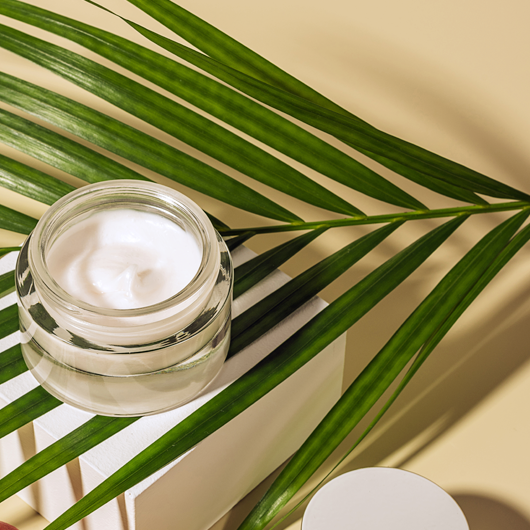


You can have the color, the flavor, and the pretty packaging right, and still end up with a gloss that separates in the tube, feels tacky on the lips, or looks perfect for one day and breaks apart the next. That's usually the moment people realize the lip gloss base is the actual product, because shine alone doesn't make a gloss usable. The base has to hold structure, suspend pigment, stay smooth through temperature swings, and survive the kind of handling that happens between the mixing bowl and the purse.
Table of Contents
- What Makes a Great Lip Gloss Base
- Understanding Base Ingredients and Structure
- Step-by-Step Lip Gloss Recipes
- Customizing Your Gloss with Pigments and Additives
- Testing and Validation for Shelf Stability
- Troubleshooting Common Formulation Problems
What Makes a Great Lip Gloss Base
A first batch usually starts with optimism and a little overconfidence. Someone melts an oil, stirs in shimmer, adds flavor, and expects a smooth, glossy tube, then notices the pigment sinking by dinner. The problem is the base, because lip gloss has been a distinct product type since the early film-era formulas created by Max Factor in 1930 and the first commercial version, X-Rated, in 1932. Those early formulas were built to read as glossy under black-and-white lighting, which is a different job from “looks cute in a bathroom mirror.” The history matters because it shows gloss has always been about optical performance plus structure, not just shine. Beauty by Numbers timeline of lipstick

What the base has to do
A good lip gloss base has to do several things at once. It needs enough flow to spread easily, enough structure to keep pigments suspended, and enough sensory polish that it doesn't feel like glue. Later mass-market adoption in the 1970s helped turn gloss into an everyday product rather than a niche film tool, and that everyday use is exactly why formulation quality matters so much. Beauty by Numbers timeline of lipstick
A practical way to judge a base is by what happens before color ever goes in. A base that is too loose can look beautiful in a jar and still fail in storage, especially if shimmer settles or the finish turns patchy after sitting on a shelf. A base that is too structured can trap air, string during filling, or feel heavy on the lips. The right choice depends on the result you want, whether that is a clear everyday gloss, a pigment-heavy custom shade, or a more controlled wear formula.
Practical rule: if the base cannot hold its own before color is added, the color will not save it.
Stability testing separates a pretty prototype from a gloss that performs. Check whether the base stays homogeneous after rest, whether pigments settle, whether the texture changes after warm and cool storage, and whether the formula still applies cleanly after repeated opening and closing. Those checks tell you more than the first swipe ever will.
For ingredient shopping, it helps to compare the carrier system with other cosmetic oil choices, and a useful starting point is our carrier oil selection guide, because gloss bases often rely on the same logic of emollient selection even when the end use is different. If you want a working ingredient reference alongside your test batches, you can also browse our ingredient list. A well-made base does not just look good in the bottle, it behaves predictably when you add pigment, flavor, or a small actives package.
Understanding Base Ingredients and Structure
Most confusion starts when people assume every lip gloss base behaves the same way in the jar. It does not. A commercial base can be built as a polymer-gelled oil or as a wax-structured system, and the ingredient list shows which part is providing body. A useful commercial example is a MakingCosmetics base built around hydrogenated polyisobutene, octyldodecanol, marula kernel oil, tetradecane, grape seed oil, avocado oil, and tocopheryl acetate, which points to an anhydrous, oil-based carrier rather than a water-gel system. MakingCosmetics lip gloss base ingredient list
Reading the structure before you buy
The fastest way to judge a base is to identify what gives it body. In one common commercial style, the backbone is hydrogenated polyisobutene, a high-slip emollient that gives gloss its smooth, glossy feel, while a gellant or polymer network supplies structure. One disclosed Versagel-style base is 85–95% hydrogenated polyisobutene plus 5–10% ethylene/propylene/styrene copolymer gellant and trace antioxidant. That ratio shows a product that is deliberately balanced for slip and structure, not just oil with shine. Hydrogenated polyisobutene base benchmark
A second commercial pattern uses several film-formers and texture agents together. An analyzed retail base includes polybutene, hydrogenated polyisobutene, ethylhexyl palmitate, silica dimethyl silylate, hydrogenated styrene/isoprene copolymer, synthetic beeswax, and hydrogenated castor oil, plus minor additives such as tocopheryl acetate and hyaluronic acid derivatives. That combination is a practical reminder that gloss performance often comes from a blend of adhesion, texture, and sensory modifiers, not a single hero ingredient. Ingredient analysis of a retail lip gloss base
A base with more structure usually suspends pigment better, but it also raises the risk of stringiness and trapped air if you mix too fast.
Why ratios matter more than labels
DIY formulas show the same pattern. A published clear-gloss recipe uses 10% polyamide-3 + 89.5% castor oil + 0.5% vitamin E, while a thicker version uses 15% polyamide-3 + 84.5% castor oil + 0.5% vitamin E. Those percentages matter because a small shift in polymer loading can move the gloss from fluid to much more structured. Clear lip gloss base without Versagel
When people say a gloss “feels better,” they are usually describing the structure-to-slip ratio. That ratio also affects filling behavior, deaeration, and how the gloss wears once it is on the lips. For ingredient shopping, it helps to compare the carrier system with other cosmetic oil choices, and a useful starting point is our raw ingredients category, because gloss bases often rely on the same logic of emollient selection even when the end use is different. If you want a working ingredient reference alongside your test batches, you can also browse our ingredient list. A well-made base does not just look good in the bottle, it behaves predictably when you add pigment, flavor, or a small actives package.
Step-by-Step Lip Gloss Recipes
A simple way to learn the mechanics is to make one very lean base and one more flexible custom blend. The lean formula teaches structure, while the custom blend shows how a commercial base behaves once you start adding pigments or modifiers. If you've been looking for a shortcut, there isn't one, but there is a reliable order of operations that keeps the batch clean and predictable.

A simple clear base
For a basic clear gloss, use the published ratio of 10% polyamide-3, 89.5% castor oil, and 0.5% vitamin E. Warm the castor oil first, then add the polyamide-3 slowly while stirring until the blend becomes uniform and clear. The reason for heating first is simple, the polymer needs help dispersing, and a cold oil phase invites clumps that never fully break down. Clear lip gloss base without Versagel
A useful workflow looks like this.
- Heat the oil phase gently. Keep the batch controlled, not scorching hot.
- Add the polymer gradually. Don't dump it in all at once.
- Stir until the system clears. Stop only when the texture is even.
- Cool before filling. That reduces bubbles and helps the texture settle.
Practical rule: if you can still see dry polymer specks, the mix isn't ready for pigment or packaging.
A more flexible custom base
If you want a ready-made carrier to customize, use an anhydrous commercial base such as the MakingCosmetics formula built on hydrogenated polyisobutene, octyldodecanol, marula kernel oil, tetradecane, grape seed oil, avocado oil, and tocopheryl acetate. That type of base is useful because the carrier already has slip and shine, so your main job becomes balancing pigment load and sensory modifiers instead of engineering the whole structure from scratch. MakingCosmetics lip gloss base ingredient list
When adding pigment, pre-disperse it first. Use moderate shear, not aggressive whipping, because gloss bases trap air easily when stirred too fast. The better your order of addition, the less likely you are to end up with streaks, bubbles, or a batch that looks great in the beaker and fails in the tube. For makers who also build other custom products, browse our ingredient list can help you think about how texture ingredients behave across formulations.
Customizing Your Gloss with Pigments and Additives
Once the base behaves properly on its own, the true work begins. That stage is where the product becomes personal, and it is also where many DIY formulas start to fail. Micas, lakes, iron oxides, flavor oils, and active-style additions all change how the system moves, so the better question is not what can be added, but what the base can hold without losing clarity, settling, or turning gritty.
Comparing common additions
| Additive Type | Typical Usage Rate | Best For | Compatibility Notes |
|---|---|---|---|
| Micas | Up to the published 15% w/w upper target | Sheen and sparkle | Works best when pre-dispersed and added gradually under moderate shear |
| Lakes and iron oxides | Up to the published 15% w/w upper target | Stronger color payoff | Needs a base with enough structure to avoid settling |
| Flavor oils | Small amounts | Taste and scent | Can cloud a weak base or shift texture if overloaded |
| Oil-soluble emollients | Small amounts | Slip and glide | Best used when you want a softer feel, but too much can make the gloss runnier |
| Hyaluronic acid derivatives | Small amounts | Sensory and marketing support | Works only if the base and additive are compatible, otherwise the system can turn hazy or unstable |
A practical formulation guide sets pigment loading as high as 15% w/w if the base can disperse micas, lakes, and iron oxides evenly without grittiness or bleeding. That ceiling is useful, but it is not a target to chase just because the number is available. If the batch starts to feel heavy or loses clarity, the base is already telling you it is overloaded. Lip gloss base buying guide and stability notes
When additives help and when they don't
Flavor oils are a good example of a small addition causing a large shift. A formula can look finished before flavor is added, then turn cloudy or loosen because the solvent profile changed. Pigment systems create the opposite problem, where the gloss looks rich at first but slowly settles if the structure is too weak.
For ingredient selection, a useful reference point is our red iron oxide pigment collection, especially if you are comparing strong colorants with softer shimmer systems. I would also keep the market's current expectations in mind. Buyers ask more often whether the base holds up under heat, rubbing, and additive stress, not just whether it shines in a swatch. Our cosmetic raw ingredients hub matters here because the carrier choice sets the limit for what the formula can handle.
One practical product example fits here too. HydroGlow Anti-Aging Night Mask uses a water-based skin-care structure with hyaluronic acid, polyglutamic acid, and botanical components. That is a different format entirely from a lip gloss base, but it is a useful reminder that texture ingredients behave differently depending on whether the system is water-based or anhydrous. In gloss, compatibility comes first, and the additive list has to respect that.
Testing and Validation for Shelf Stability
A gloss can look finished and still fail in use. That is why experienced makers test before they package, gift, or sell. The most useful check is thermal cycling, because it exposes separation and texture drift that a room-temperature sample can hide for days. A formulation guide recommends Day 0 room-temperature inspection, then 24 hours at −18°C, 24 hours at room temperature, and 24 hours at 40°C, with checks for clarity, phase separation, crystal formation, odor shift, and sedimentation. Lip gloss base buying guide and thermal cycling protocol
What to look for in each cycle
A good test log does not need to be elaborate. It needs to be consistent. Record what you see at each stage, then compare the same sample across the temperature shifts instead of trusting memory.
- Clarity: note whether the base stays clear, hazy, or opaque.
- Separation: look for visible layering or oil bleed.
- Crystal formation: check corners and edges of the container.
- Sedimentation: watch whether pigment sinks after the rest period.
- Odor shift: smell for any change that suggests the batch has destabilized.
Practical rule: if the gloss fails the cycle test in the jar, it will not improve in the tube.
Why the cycle matters
A lot of DIY glosses fail later, not immediately. They look smooth on day one, then pigment drops out during storage or the base loosens after shipping. That is why the test order matters more than the first impression. The same guide also points to a practical pigment ceiling of 15% w/w, but the core issue is whether the base can hold that load through temperature swings and handling. Lip gloss base buying guide and thermal cycling protocol
Preservation work follows the same discipline. If you are comparing raw materials for broader cosmetic formulas, our natural preservative selection is a useful reference point. In gloss, though, the main stability question is usually structural, not watery. If the base cannot keep its architecture under stress, no flavor or sparkle can make up for it.
Troubleshooting Common Formulation Problems
Most gloss problems trace back to three things, poor structure, bad order of addition, or a base that wasn't suited to the ingredient load in the first place. When a batch misbehaves, it's tempting to blame the pigment or the flavor, but the culprit is often the carrier system. That's why the fix changes depending on whether the issue is settling, stringiness, bubbles, or cloudiness.
Fast diagnosis
- Pigments settling: the base is too fluid or the dispersion wasn't built properly. Pre-disperse the colorant in a compatible wetting phase, then add it slowly under moderate shear.
- Too sticky or too thin: the polymer balance is off. Increase structure if the batch runs, or reduce structure if it feels tacky and clings too hard.
- Air bubbles that won't release: the batch was whipped too hard. Mix more slowly next time and let the gloss rest before filling.
- Separation in storage: the system failed the stability check. Re-test before you repackage, and don't assume shaking will solve it.
- Cloudiness after flavor oil: the additive and base are not fully compatible. Swap the flavor system or reduce the load.
How to prevent repeat failures
A lot of makers fix one symptom and create another. Thickening a runny gloss can improve suspension, but it can also make the filling step harder and raise the chance of stringiness. Reducing a sticky gloss can improve wear comfort, but it may also make pigment drift worse. The smarter move is to change one variable at a time and test again.
The cheapest batch is the one you don't have to remake.
If you're working with a new base, test a small sample first and keep notes on viscosity, clarity, and packaging behavior. If the batch passes visually but fails in heat or cold, the formula isn't ready yet. That's not a cosmetic inconvenience, it's a warning that the product won't stay consistent once it's in real-world use.
If you want help choosing raw materials for a gloss that holds its texture instead of drifting apart, visit Skin Perfection and compare the ingredient options with your formula goals. You'll find supplies and skincare ingredients that fit the same practical mindset used here, where stability, compatibility, and clean formulation choices come before empty shine.