

 Buy with Prime
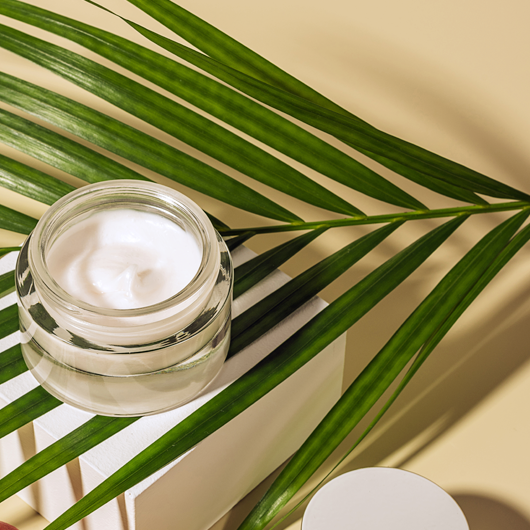


You're probably here because you've looked at a jar of face cream and thought, “I want the nice texture, the simple ingredient list, and none of the mystery.” That's a good instinct. A homemade cream can give you control over oils, fragrance, texture, and the overall feel on your skin.
A common misconception is that a real cream isn't just melted butter in a jar. A reliable natural anti aging cream recipe needs structure. It needs water and oils brought together with an emulsifier, careful mixing, sensible preservation, and ingredients chosen for skin feel and barrier support rather than exaggerated promises.
Table of Contents
- Why Create Your Own Natural Anti Aging Cream
- Understanding Your Ingredients and Tools
- Your Step-by-Step Emulsification Guide
- Essential Preservation for Homemade Creams
- Customizing the Recipe for Your Skin's Needs
- Perfecting and Storing Your DIY Cream
Why Create Your Own Natural Anti Aging Cream
Making your own cream appeals to people who want transparency. You know exactly what went into the batch, why it's there, and what you left out. That matters if you prefer an unscented product, want a richer night cream, or like working with straightforward ingredients.
The phrase anti aging needs a grounded definition in DIY skincare. In a home formula, it usually means building a cream that supports the skin's appearance through moisturization, softness, and a smoother finish. It does not mean promising dramatic wrinkle reversal from a handful of botanicals.
Practical rule: A good homemade anti aging cream should first feel elegant, apply evenly, and support the skin barrier. Any ingredient story comes after that.
Many recipes go off track, piling in essential oils, herbal extracts, and romantic marketing language, but skipping the hard parts like emulsion stability and preservation. That creates products that may smell impressive while performing poorly.
A more realistic view is better for your skin and better for your results. Many recipes imply that plant extracts or essential oils can reduce wrinkles or reverse aging, but the evidence base is uneven. Systematic reviews in dermatology consistently find stronger support for well-formulated retinoids, sunscreen, and select peptides than for most botanical DIY ingredients, while a well-crafted natural cream focuses on cosmetic feel, moisturization, and barrier support in this discussion of basil anti-aging face cream.
What a homemade cream does well
- Ingredient control lets you choose lighter or richer oils based on preference.
- Texture control means you can make a cream instead of a greasy salve.
- Fragrance control helps if you prefer to leave essential oils out.
- Batch control encourages fresh, small-scale making.
The biggest shift in home formulating is mental. Stop asking, “What magical ingredient should I add?” Start asking, “Is this formula stable, safe, pleasant, and appropriate for my skin type?” That's how a natural anti aging cream recipe becomes worth repeating.
Understanding Your Ingredients and Tools
A good cream starts to fail long before it separates in the jar. It fails when the formula has no structure, when the water phase is guessed instead of weighed, or when a nice oil blend is asked to do the work of an emulsion.

What makes a cream different from a balm
A balm is an anhydrous product made from oils, butters, and waxes. A cream contains both water and oil, held together by an emulsifier. That single difference changes skin feel, absorption, and formulation risk.
An oil-and-butter formula can feel rich and protective, but it cannot deliver the lighter slip and hydrated finish many people want from a face cream. A true emulsion gives more room to adjust texture with humectants, water phase ingredients, and smaller oil loads. It also asks more from the maker. Once water enters the formula, process and preservation matter.
One whipped, water-free approach uses ucuuba butter, shea butter, argan oil, and camellia seed oil, then chills before whipping, as shown in this homemade anti-aging cream without beeswax recipe. That style can be pleasant, but it is still a balm. If the goal is a stable cream, an emulsified system is the right starting point.
For a basic technical overview, Skin Perfection's guide on how to make face cream is a useful reference before you build your first batch.
The parts of a workable formula
Every stable cream has four jobs that need to be covered.
| Phase | Ingredient Type | Function | Formula % (by weight) |
|---|---|---|---|
| Water Phase | Distilled water, hydrosol, infusion, glycerin | Adds hydration and forms the main fluid phase | Varies by formula |
| Oil Phase | Carrier oils, butters | Adds emollience, richness, and skin feel | Varies by formula |
| Emulsifier | Emulsifying wax or similar system | Holds water and oil together in a stable cream | Varies by formula |
| Cool Down Phase | Preservative, sensitive additives, optional actives | Protects the formula and preserves delicate ingredients | Varies by formula |
This framework matters more than any single featured ingredient. Distilled water keeps the water phase predictable. Oils and butters set richness and afterfeel. The emulsifier does the hard structural work. The cool down phase protects what heat can damage and is usually where you place preservative, fragrance-free soothing ingredients, and optional actives.
The easiest mistake is overloading the formula with extras before the base works. A simple cream with a sound water-to-oil balance and a suitable emulsifier will outperform a crowded formula that pills, separates, or spoils.
For hydration-focused customization, Sodium Hyaluronate Powder Pure Hyaluronic Acid is a cosmetic-grade powder intended for water-based serums, creams, and lotions. The product information states that it can be used to make HA serums in the 0.1 to 2% range, which makes it a practical cool down addition if you want more water-binding support without relying on a premade gel base.
More ingredients create more points of failure. Keep the formula lean until the emulsion is stable and the preservative system is in place.
Tools affect the result as much as ingredients. Use a digital scale with gram precision, heat-safe beakers or jars, spatulas, a thermometer, and a small whisk or mini mixer. Volume measures are too inconsistent for repeatable cream making, and temperature guesses lead to weak emulsions and grainy textures.
Clean equipment helps, but precision matters more than a spotless-looking setup. Weigh every ingredient, record every substitution, and keep your phase containers clearly separated. If you want perspective on advanced add-ins beyond plant extracts, this guide to best peptides for skin gives useful context for where peptide ingredients fit in a more performance-focused formula.
Your Step-by-Step Emulsification Guide
A cream can look perfect in the bowl, then split in the jar the next morning. That usually comes down to temperature, mixing discipline, or adding the cool down phase at the wrong time.

Prepare two separate phases
Set out one heat-safe container for the water phase and one for the oil phase. Weigh each ingredient into its proper phase before you start heating. Once the emulsifier melts and the phases are hot, there is very little time to hunt for a missed ingredient or reconsider a substitution.
This step is what separates a true cream from a simple oil blend. An emulsion holds water and oil together with the help of an emulsifier, and that structure only forms well when both phases are prepared correctly. If you want a clearer primer on how that works, this guide to what emulsifying wax does in creams and lotions is a useful reference.
A simple setup helps:
- Put water phase ingredients together in one container.
- Put oils, butters, fatty alcohols, and emulsifier in the other.
- Measure preservative, fragrance, and other heat-sensitive additions into a small cool down cup.
- Keep a spatula, thermometer, and mixer within reach.
Heat both phases to the right range
Use a gentle water bath, not direct heat. The oil phase needs enough time to fully melt the emulsifier and any waxy materials. The water phase needs to be similarly hot so the emulsion does not shock on contact and form a weak structure.
For many beginner-friendly cream formulas, a matched temperature in both phases gives the best start. Exact targets depend on the emulsifier and any thickening ingredients in the formula, so follow the supplier guidance for your specific materials.
If one phase is much cooler than the other, the batch may thicken too fast, form a grainy texture, or separate later.
Combine and mix with intention
Pour the water phase into the oil phase, or follow the method recommended for your emulsifier, and start mixing right away. The texture usually shifts in stages. First it looks thin and glossy. Then it turns cloudy. After that, it starts to look like lotion, then cream, as the emulsion builds and cools.
Keep mixing past the point where it first looks combined. Early stability can be misleading. I see this mistake often in home batches. The cream looks finished after a minute or two, gets poured into a jar warm, and separates hours later because the internal structure never had time to set.
Watch for these signs:
- The mixture looks evenly opaque, with no oil beads or slicks.
- The texture thickens gradually instead of clumping suddenly.
- The sides and center of the beaker look the same after stirring.
Short bursts with a mini mixer work well. A small whisk works too, especially for modest batch sizes. The goal is controlled mixing, not whipping in excess air.
Stable emulsions are built during heating, combining, and cooling. The pour is the last step, not the moment that determines success.
For readers who want a finished product example rather than a DIY batch, HydroGlow Anti-Aging Night Mask shows what a more complex hydration-focused formula looks like in a ready-made format. Its product snapshot lists three types of hyaluronic acid, polyglutamic acid, jojoba, squalane, glycerin, and triglycerides. That is a good reminder that well-designed formulas usually layer humectants and emollients instead of relying on one star ingredient.
Cool down phase and finishing work
Wait until the emulsion is warm, not hot, before adding heat-sensitive ingredients. This commonly includes preservatives, some active ingredients, fragrance, and certain botanical extracts. Check the usage instructions for each raw material because cool down limits vary.
Stir carefully and thoroughly. Avoid aggressive mixing at this stage because trapped air can leave the cream foamy, uneven, or deceptively light in texture.
A few habits improve repeatability:
- Use the same mixing time for each batch.
- Record the temperature when you combine the phases.
- Note the temperature when you add the cool down ingredients.
- Let the cream sit before judging final viscosity, because many emulsions thicken further as they settle.
A natural anti aging cream recipe can stay simple and still feel professional. The difference is process control.
Essential Preservation for Homemade Creams
If your cream contains water, hydrosol, aloe-based liquid, or an herbal infusion, preservation is not optional. That's the dividing line between a responsible homemade cream and a risky one.

Why water changes everything
People often feel comfortable with oils and butters because they seem simple. Once water enters the formula, you've created an environment where unwanted microbes can grow. That's true whether the water came from a distilled bottle, a floral hydrosol, or a charming herbal tea infusion.
Natural-minded formulators sometimes resist preservatives because they sound harsh. In practice, the safer choice is a suitable broad-spectrum preservative used correctly. If you want a deeper primer on ingredient options, Skin Perfection's guide to a natural skin care preservative is a solid starting point.
Homemade skincare becomes more professional the moment you stop treating preservation as optional.
What broad-spectrum means in practice
Broad-spectrum means the preservative is intended to help protect the formula against a range of microbial contamination concerns rather than only one narrow class. The exact preservative you choose depends on the formula type, pH compatibility, and supplier instructions.
A few rules keep this simple:
- Follow supplier usage directions for the specific preservative you buy.
- Add it at the proper stage if it belongs in cool down.
- Don't confuse antioxidants with preservatives. An antioxidant can help protect oils from oxidation, but that is not the same as preserving a water-based cream.
- Package smartly so you aren't repeatedly introducing contamination with wet fingers.
This is also where honesty matters. A homemade natural anti aging cream recipe can be elegant, nourishing, and satisfying to use. It still needs preservation if it contains water. There isn't a more “natural” workaround that changes that basic fact.
Customizing the Recipe for Your Skin's Needs
The smartest way to customize a cream is to change only one or two things at a time. That lets you learn what altered the feel, absorbency, or finish.

Choose oils for feel first
A lot of DIYers choose oils by online folklore. I prefer choosing them by texture, spreadability, and how they behave inside the emulsion.
For example:
- Lighter oils tend to suit people who dislike residue and want a faster-absorbing finish.
- Richer oils and butters usually create more cushion and a heavier after-feel.
- Balanced blends often perform better than one single oil because you can combine glide with lasting softness.
If you want a broader overview of oil profiles, Skin Perfection's guide to the best carrier oils for skin is worth bookmarking.
Add actives with restraint
The effectiveness of natural recipes often comes from specific botanical actives, not from the word “natural” itself. A 2022 review notes that vitamin A sources can stimulate collagen synthesis and help protect against UV-induced damage, vitamin E can reduce UV lipid peroxidation, and plant polyphenols can support the skin's appearance by improving vascularization and supporting collagen, as summarized in this peer-reviewed review on natural anti-aging actives.
That doesn't mean every essential oil belongs in your face cream. It means ingredient choice should have a reason behind it.
A good customization mindset looks like this:
| Customization goal | Better approach | Common mistake |
|---|---|---|
| More hydration | Add a humectant or hydration-focused cool down ingredient | Adding more butter and expecting hydration |
| Less greasy feel | Swap part of a heavy oil for a lighter one | Cutting emulsifier instead of adjusting oils |
| Softer finish | Adjust oil blend or include a small amount of a texture-supporting ingredient | Dumping in extra fragrance oils |
| Simpler routine | Make the cream unscented and stable | Treating essential oils as mandatory |
Plain advice works well here. If your skin is reactive, skip essential oils. If your skin feels dry by midday, focus on water-binding and barrier-supportive additions instead of making the cream heavier and waxier. If you want stronger evidence-led wrinkle care, pair your DIY moisturizer with established skincare basics rather than expecting botanicals to carry the whole routine.
Perfecting and Storing Your DIY Cream
You finish a batch, the texture looks silky in the bowl, and the next morning it has turned grainy, heavy, or slightly separated in the jar. That usually points to technique, not ingredient quality. Home creams succeed or fail on emulsion control, cool-down handling, and storage discipline.
Common texture problems and fixes
Separation usually starts earlier than you think. The water and oil phases may have been combined at the wrong temperature, the emulsion may not have been mixed long enough during cool down, or the formula may not have had enough structure to hold together as it set. A cream can look stable while warm and still break later.
Graininess and a cakey finish often come from the fat phase setting in an uneven crystal pattern. In whipped formulas, cooling the melted base to about 90°F before adding oils, then whipping for only 2 to 5 minutes, helps limit a solid or cakey texture, as noted in this DIY anti-aging cream recipe note. That timing is useful as a reference point, but texture still depends on your butter choice, room temperature, and mixer speed.
Use the finished feel as a clue:
- Separated cream points to weak emulsification, poor phase temperatures, or inadequate mixing during cool down.
- Greasy finish usually means the oil phase is too rich or too slow-absorbing for facial use.
- Waxy drag often means too much butter, wax, or fatty thickener for the rest of the formula.
- Cakey or grainy texture usually comes from unstable crystal formation, fast cooling, or over-whipping.
One practical habit helps a lot. Change one variable at a time. If you adjust the oil blend, keep the emulsifier and mixing method the same for the next batch. That makes troubleshooting much easier.
Packaging and storage habits
Good packaging protects the emulsion you worked to build. Airless pumps reduce repeated contact with fingers and limit air exposure, so they are usually a better choice than wide-mouth jars for a preserved facial cream. If you want to compare formats, sizes, and dispensing styles, this guide to containers for lotion is worth reviewing.
Label every batch with the make date and full formula version. Store it away from heat and direct light. Then watch for changes in odor, color, viscosity, or surface appearance over time. A stable cream should stay uniform.
Small test batches are the smart way to improve a recipe. They lower waste, make stability problems easier to spot, and let you refine your natural anti aging cream recipe with the kind of control that matters in real formulation work.
If you want ingredients, formulation guidance, and finished skincare options from one source, Skin Perfection is a practical place to start. The site covers DIY lotion-making supplies, facial care, and educational articles that help you build products with better texture, safer preservation, and more thoughtful ingredient choices.