

 Buy with Prime
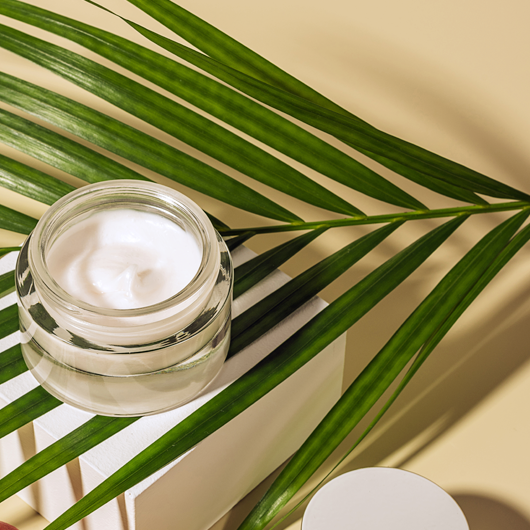


Let's talk about natural emollients. At their core, they're plant-based oils and butters that smooth and soften your skin. Think of them as nature's own skin conditioners. They work by filling in the microscopic gaps between your skin cells, leaving you with a much more supple and velvety texture.
Your Guide to Natural Emollients for Smoother Skin

Picture your skin as a beautiful brick wall. When its appearance is healthy, the mortar between the bricks is smooth and solid. But over time, that mortar can look cracked and crumbled, leaving the wall appearing rough, uneven, and vulnerable. Natural emollients are like the master masons of skincare, expertly filling those gaps with rich, skin-loving lipids.
This simple act transforms the surface, making it feel noticeably softer and look far more radiant. In this guide, we'll walk you through everything you need to know about these powerful plant-derived ingredients.
What You Will Discover
We're going to dive into how emollients really work and what makes the natural ones such a fantastic choice for your skincare routine. Getting a handle on these ingredients is the first step toward getting your best-looking skin ever.
- How They Work: We'll break down the basic job of an emollient and see how it makes your skin look and feel smoother.
- Plant-Powered Options: You'll discover some of the most popular and effective natural ingredients out there.
- Choosing the Right Ones: Get the knowledge you need to pick the perfect emollient for your skin's unique personality.
By the time you're done here, you'll be able to read ingredient labels like a pro or even start mixing up your own custom formulas. For a deeper dive, we have a ton of information on the best natural ingredients for skin in our other articles.
The main job of an emollient is to put lipids back onto the skin's surface. This doesn't just make your skin feel better—it also helps it hold onto its own moisture, which is absolutely crucial for a vibrant-looking complexion.
Our mission is to give you the tools to choose the right natural emollient for skin and truly beautify your complexion. Whether you're buying a ready-made product or stocking up for a DIY project, this knowledge is your foundation for amazing skincare.
How Emollients Support Your Skin's Appearance
To get a real picture of how a natural emollient for skin works its magic, let's think of your skin's outermost layer—the stratum corneum—as a beautiful brick wall. Your skin cells are the bricks, and the natural fats (lipids) filling the gaps are the mortar holding it all together.
When that lipid mortar is packed in tight, your skin is smooth, strong, and glowing. But daily life, from a simple face wash to a windy day, can affect this mortar, leaving little gaps. That’s when skin starts to feel rough, look flaky, and lose its even tone.
Emollients are your skin's personal cosmetic crew. These lipid-rich ingredients swoop in to fill those microscopic gaps between your skin cells, creating a softer, smoother surface almost instantly. It’s like smoothing spackle over a bumpy wall before you paint—the end result is a flawless, velvety finish.
The Teamwork of Skin Hydration
While emollients are fantastic on their own, they truly shine as part of a team. In any well-made moisturizer, you'll find three types of ingredients working in perfect harmony:
- Emollients: To smooth and soften the skin’s surface (like shea butter or jojoba oil).
- Humectants: To pull moisture from the air and draw it into the skin (think glycerin or hyaluronic acid).
- Occlusives: To create a seal that locks all that wonderful moisture in (like beeswax).
This trio is what delivers complete, well-rounded hydration. Emollients create the smooth canvas, humectants deliver the dose of water, and occlusives make sure it all stays put. You can dive deeper into how these ingredients attract moisture in our guide on natural humectants for your skin.
An emollient’s main job is to improve the look and feel of your skin by replenishing its lipids. This action helps your skin appear more supple and flexible, boosting its natural radiance.
Why This Matters for Your Skin
Understanding this power trio helps you make smarter choices, whether you're buying a ready-made product or whipping up your own DIY creation. A formula loaded with a natural emollient for skin will give you that immediate soft, velvety feel that everyone craves.
In the UK, emollient creams are a skincare staple, with nearly 9 million prescriptions written in England back in 2018. Research has even shown that when you combine natural emollients with powerhouse humectants like urea and glycerol, you can significantly boost the skin's own natural moisturizing factors, which are critical for keeping it hydrated. You can read the full research on emollient effectiveness to see the science for yourself.
By appreciating how emollients function, you’re empowered to choose ingredients that lead to a visibly smoother and more hydrated complexion. This knowledge is a game-changer for any skincare lover or DIY formulator aiming for truly beautiful-looking skin.
Getting To Know The Top Plant-Based Emollients
Alright, now that we have a handle on how natural emollients work their magic on the skin, let’s get acquainted with the most popular and effective plant-derived options out there. The world of natural emollients is wonderfully diverse, with everything from rich, decadent butters to light, silky oils. There’s truly a texture and feel for every preference and project.
This is where the real fun begins—finding the right one for you. Emollients are essentially the "smoothers" in your skincare. They fill in the tiny, rough gaps between your skin cells, creating a surface that looks and feels supple.

Think of it like spackling a wall before you paint. The emollient fills in the cracks, giving you a smooth canvas. This simple action is the secret to achieving that soft, touchable skin we’re all after.
Let's take a closer look at a few of our favorites.
Comparing Popular Natural Emollients
To make things easier, here’s a quick-reference table that breaks down the most common plant-based emollients. It covers where they come from, how they feel, and what they’re best used for in your skincare creations.
| Emollient | Source | Skin Feel | Best For |
|---|---|---|---|
| Shea Butter | Shea Tree Nuts | Rich, thick, creamy | Body butters, rich creams, balms |
| Jojoba Oil | Jojoba Seeds | Lightweight, non-greasy | Facial oils, serums, all skin types |
| Squalane | Olives | Silky, ultra-lightweight | Elegant face serums, lightweight moisturizers |
| Caprylic/Capric Triglyceride | Coconut Oil | Feather-light, non-greasy | Lotions, creams, carrier for active ingredients |
This chart is a great starting point, but let’s dive a little deeper into what makes each of these ingredients so special and why you might choose one over the other for your specific needs.
Shea Butter: A Creamy, Nourishing Classic
When you think of a natural emollient for skin, chances are Shea Butter is the first ingredient that comes to mind. It's a true classic for a reason! Extracted from the nuts of the African shea tree, this rich, creamy butter is a powerhouse for creating products with a luxuriously thick and nourishing feel.
Its dense texture makes it a go-to for indulgent body butters, heavy-duty creams, and protective balms. Despite its richness, it melts beautifully on contact with the skin, leaving it feeling deeply moisturized and velvety soft, never greasy. It’s an amazing choice if you’re looking to add a touch of opulence to your routine or DIY formulas.
Jojoba Oil: The Sebum-Mimicking Wonder
Jojoba Oil is one of the most fascinating ingredients in natural skincare. It’s technically not an oil but a liquid wax ester, and it’s extracted from the seeds of the Simmondsia chinensis shrub. What makes it so incredible is its chemical structure, which is remarkably similar to the sebum our own skin produces.
Because it so closely mimics our skin’s natural oils, Jojoba is unbelievably compatible with almost every skin type—from dry to oily. It has a light, non-greasy feel that absorbs beautifully, imparting a soft, supple look without adding extra shine. It's a fantastic choice for:
- Lightweight facial oils
- Balancing serums
- Moisturizers for combination or oily-prone skin
This unique quality makes Jojoba a cornerstone ingredient for both skincare lovers and professional formulators who need a balanced, effective, and versatile natural emollient.
Squalane: The Silky, Lightweight Choice
If you're looking for an emollient that feels sophisticated and weightless, say hello to Squalane. Derived from olives, Squalane is a hydrogenated, stable version of squalene—a natural component of our own sebum. This clear, odorless oil is exceptionally lightweight and has a silky, non-greasy texture that’s perfect for facial products where a heavy feel is a total deal-breaker.
Squalane is celebrated for its elegant skin feel and rapid absorption. It provides a smoothing effect without any residual tackiness, making it a favorite for sophisticated serums and lightweight moisturizers.
Its weightless nature makes it suitable for all skin types, including those that are typically oilier or prone to blemishes. If you’re creating a high-end facial serum or a daily moisturizer that needs to feel like air, Squalane is an exceptional choice. For a deeper understanding of specific natural options, such as the benefits of using Aloe Vera Gel for Facial Care, other resources can offer valuable insights.
Caprylic/Capric Triglyceride: The Feather-Light Workhorse
Finally, let's look at Caprylic/Capric Triglyceride. This popular emollient is an ester made by combining coconut oil with glycerin. The process strips out the heavy elements of coconut oil, leaving behind an incredibly light, non-greasy, and stable oil that feels wonderful on the skin.
It spreads easily and leaves a silky, smooth finish, making it an excellent carrier for other active ingredients in a formulation. You'll find it in everything from lotions and creams to serums and even makeup. If you're a DIY creator, it's a fantastic ingredient for improving the texture and spreadability of your formulas without adding weight or a greasy feel. If you're curious about other coconut-derived ingredients, check out our guide on organic virgin coconut oil for skin and hair.
Feel the Difference with Advanced Emollients

We all know and love natural emollient staples like shea butter and jojoba oil. But when it comes to creating truly exceptional skincare, not all plant-derived ingredients are the same. The real magic happens with the sensory experience—that beautiful glide and how a product melts into your skin. This is where advanced emollients, like Meadowfoam Seed Oil, come into play.
This is one of those ingredients that completely changes the game. Unlike some heavier oils that can sit on the skin, Meadowfoam gives you an elegant, non-greasy finish that absorbs like a dream. It leaves your skin with a velvety, almost powdery softness that formulators and skincare lovers alike are always searching for.
Why “Playtime” and Stability Matter
When you hear formulators talk, you might hear the term "playtime." It's not about games; it's about the amount of time you have to massage a product into your skin before it disappears completely. A longer playtime feels incredible and gives you that luxurious, spa-like moment of self-care. It’s a signature of high-end moisturizers for a reason.
If you love that rich, cushiony feel of premium creams but not the price tag, you'll find that many effective Kiehl's Ultra Facial Cream dupes are built around emollients that deliver a similar beautiful texture and lasting hydration.
But an emollient has to do more than just feel good. Its stability is just as important. Oxidative stability is simply an oil’s ability to resist going rancid when it's exposed to air and light. An oil with high stability means your final product will stay fresh, effective, and smell pleasant for much longer—a huge win for both DIY creators and premium brands.
Meadowfoam Seed Oil is a standout because it scores high on both fronts: it feels incredible on the skin and boasts impressive oxidative stability. This makes it a reliable and sophisticated choice for creating products that not only feel amazing but also last.
What Makes an Emollient “Advanced”?
Some natural emollients have the science to back up their amazing feel. Take Meadowfoam Seed Oil (MSO), for instance. In a 2018 expert analysis, MSO was rated highest for its quick absorption and luxurious, powdery after-feel.
What's really cool is that its superior stability means it resists rancidity way better than many popular oils, making it perfect for creating formulations that won't spoil quickly. The same analysis also gave it top marks for its remarkable "playtime," outperforming other common emollients.
These are the qualities that make a natural emollient for skin truly special. Using an ingredient like this turns a simple moisturizer into a refined, beautiful experience. If you're curious about the unique benefits of different oils, check out our guide where we discover the benefits of beauty oils. This is where nature and cutting-edge formulation come together.
How to Use Natural Emollients in Your Skincare Routine
Now that you know who the star players are in the natural emollient world, let’s get to the fun part: bringing them into your daily skincare. Adding a natural emollient for skin is one of the simplest and most effective moves you can make for a visibly smoother and more supple complexion.
Whether you're a DIY skincare enthusiast excited to whip up your own formulas or you just prefer the ease of ready-made products, getting started is a breeze. The most important thing is to listen to your skin, understand what it’s asking for, and choose the right emollient to match.
Selecting the Right Emollient for Your Skin
Picking the perfect emollient is a lot like choosing the right outfit for the day. You wouldn’t wear a heavy wool sweater in the middle of summer, right? In the same way, you probably don't want a rich, heavy butter on your face if your skin is on the oily side. It’s all about matching the emollient’s texture and properties to your skin's unique personality.
Here’s a quick guide to help you find your perfect match:
- For Oily or Combination Skin: Reach for lightweight, non-comedogenic options that won't feel heavy or greasy. Jojoba Oil and Squalane are fantastic choices because they closely mimic your skin's natural sebum, sinking in beautifully for a silky, non-shiny finish.
- For Dry or Mature Skin: Your skin will drink up richer, more nourishing emollients. Shea Butter and Avocado Oil feel incredibly comforting and substantial, helping skin appear plump, dewy, and deeply moisturized.
- For All Skin Types: Some emollients are just wonderfully versatile. Caprylic/Capric Triglyceride is a great example—it has a feather-light feel that works for just about everyone, making it a go-to staple in countless formulations.
Before you go all-in with any new ingredient, the most important step is the patch test. Just apply a small amount of the emollient to a hidden spot, like your inner arm, and wait 24-48 hours. This little test helps make sure it’s a good fit for your skin before you start applying it more widely.
Simple Ways to Incorporate Natural Emollients
Ready to dive in? Here are two straightforward ways to welcome natural emollients into your routine.
1. Start with Ready-Made Products
The absolute easiest way to begin is by choosing products that already highlight high-quality emollients. Just turn the bottle around and check the ingredient lists of your moisturizers, serums, and body lotions for names like Shea Butter, Jojoba Oil, or Squalane.
When you use these products correctly, they can dramatically boost your skin's look and feel. For a complete guide on layering, check out our article on the correct order to apply skincare products to get the most out of every step.
2. Create Your Own Simple Blends
For the aspiring formulator in you, creating your own custom blend is incredibly rewarding. A simple facial oil is the perfect place to start.
DIY Facial Oil Framework:
- Choose a Base: Start with a versatile carrier emollient like Jojoba Oil or Squalane. This will make up about 80% of your blend.
- Add a Feature Oil: Mix in a smaller amount of a richer oil, like Avocado Oil, for an extra dose of nourishment (about 15-20%).
- Optional Boost: For scent or other cosmetic benefits, you can add a few drops of an essential oil (less than 1%).
This simple framework lets you create a personalized natural emollient for skin that’s perfectly tuned to what you love. At Skin Perfection, we offer a wide range of lotion-making supplies to help you get started on your DIY journey. Just listen to your skin—it will always tell you what it needs.
Your Questions on Natural Emollients, Answered
As we wrap up our deep dive into the world of plant-based emollients, you might still have a few questions buzzing around. That's completely normal! Let's tackle some of the most common ones head-on so you can feel confident, whether you're buying a new product or whipping up your own creation.
Are Natural Emollients Better Than Synthetic Ones?
This is a great question, and the honest answer is: it depends. The "better" choice really comes down to your personal philosophy, what your skin needs, and what you're trying to achieve in a formula.
- Natural Emollients come from plants, and people often gravitate towards them because the ingredients are recognizable. They also bring along other goodies from the plant, like vitamins and fatty acids, which adds a beautiful complexity.
- Synthetic Emollients are created in a lab to deliver a specific feel and consistent performance. They’re masters of texture, creating those incredibly elegant, lightweight products that are tough to replicate with natural ingredients alone.
Here at Skin Perfection, we're big fans of high-quality, plant-derived options. They provide a gorgeous sensory experience and deliver fantastic visible results.
Can I Use a Natural Emollient on Oily Skin?
Absolutely! The myth that you can't put oil on oily skin is one we need to bust. The secret is simply choosing the right kind of emollient. Many natural options are surprisingly lightweight and non-comedogenic, meaning they won't clog your pores.
If you have oily or combination skin, you'll want to look for ingredients that sink in quickly without a trace. Jojoba Oil is a superstar here because its structure is so similar to our skin's own sebum. Other fantastic choices are olive-derived Squalane and the feather-light Caprylic/Capric Triglyceride. Both give you that smooth, velvety finish without any heaviness or unwanted shine.
Emollients are crucial for maintaining a healthy-looking skin barrier. By topping up the lipids on your skin's surface, they help lock in moisture and support your skin's overall appearance, no matter your skin type.
What Is the Difference Between an Emollient and a Moisturizer?
This one trips a lot of people up, but it's simpler than you think. Imagine a baseball team: an emollient is like a star pitcher, while a moisturizer is the entire team.
An emollient is a type of ingredient, like shea butter or jojoba oil. Its main job is to smooth and soften the skin's surface.
A moisturizer, on the other hand, is the finished product you buy off the shelf. A really great moisturizer is a team effort, combining three types of ingredients for complete hydration:
- Emollients to smooth the skin’s surface.
- Humectants (like glycerin) to pull water into the skin.
- Occlusives (like certain waxes) to create a seal and lock all that goodness in.
So, a natural emollient is a vital player that helps make a great moisturizer so effective.
How Do I Add Natural Emollients to a DIY Recipe?
This is where the real fun begins! Adding a natural emollient for skin to your own formulas is the best way to customize your routine. For something simple like a facial oil, you can blend a base emollient like Jojoba Oil with smaller amounts of other beneficial oils.
If you're making something more complex like a lotion or cream, your emollients will be the heart of the "oil phase." A typical recipe will have you gently heat your chosen emollients—say, Meadowfoam Seed Oil and Shea Butter—until they're completely melted. You'll then combine this oil phase with your water phase using an emulsifier, which is what creates that stable, creamy texture. For the best results, always follow a tested recipe to get the ingredient percentages and instructions just right.
At Skin Perfection, our passion is providing the highest quality ingredients to help you beautify your skin. Whether you're a seasoned formulator or just looking for expertly made products, we have everything you need to get started. Explore our full collection of skincare and lotion-making supplies at https://www.naturalorganicskincare.com.