

 Buy with Prime
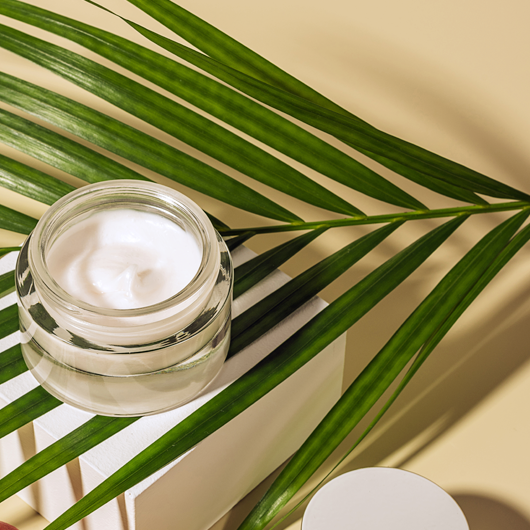


When you hear the term "next-generation peptides," it's not just marketing fluff. These ingredients represent a genuine leap forward in cosmetic science, offering far more targeted, stable, and sophisticated ways to support your skin's appearance.
Think of them as highly specialized messengers. They've been designed with incredible precision to encourage a youthful, revitalized look, moving well beyond the broader, more general actions of their predecessors.
Decoding the Science of Peptides

To really get what makes these new peptides so special, you first need a quick refresher on what peptides are. At their core, peptides are just short chains of amino acids. And amino acids are the fundamental building blocks of proteins—like the all-important collagen and elastin in your skin.
Imagine a protein is a long, complex sentence. A peptide would be a short, powerful word or phrase from that sentence. Their smaller size is a huge advantage, allowing them to be easily incorporated into cosmetic formulas where they act as communicators, signaling your skin to maintain its best-looking appearance.
If you want a deeper dive into the basics, our guide on what peptide serums do for the skin is a great place to start.
The Leap to Next-Generation Technology
So, what’s the big deal? What actually elevates a simple peptide to next-generation status? It all comes down to intention and design. The first peptides that hit the market were groundbreaking, for sure. But modern cosmetic science has since refined them for much greater effectiveness and stability.
This new class of peptides is engineered with very specific cosmetic goals in mind. They often feature unique modifications that protect them from breaking down too quickly in a formula or help them interact more effectively with the skin's surface.
Think of it like the difference between a standard key and a smart key. A traditional key can unlock a door, no problem. But a smart key is programmed for a specific function, works more efficiently, and offers enhanced security. Next-generation peptides are the smart keys of cosmetics.
These clever advancements mean that formulators—whether you're a DIY enthusiast or a seasoned professional—can now work with ingredients that are not only powerful but also far more reliable in a finished product.
Traditional vs Next-Generation Peptides At a Glance
To see just how far we've come, a side-by-side comparison makes the evolution crystal clear. The table below breaks down the key differences between the original peptides and today's advanced versions.
| Characteristic | Traditional Peptides | Next-Generation Peptides |
|---|---|---|
| Primary Goal | General support (e.g., broad collagen support) | Highly specific (e.g., targeting the look of expression lines) |
| Stability | Can be fragile and prone to breaking down | Engineered for enhanced stability in formulations |
| Delivery | Relied on simple absorption | Often use "carrier" systems for better performance |
| Structure | Simple amino acid chains | Complex structures, often with modifications like fatty acids |
| Efficiency | Good, but required higher concentrations | More potent, effective at lower concentrations |
| Design | Often discovered from natural protein fragments | Intentionally designed and synthesized for a target |
As you can see, the shift isn't just a minor tweak—it's a complete overhaul in how these ingredients are conceptualized and created, leading to smarter, more efficient skincare.
Key Characteristics of Advanced Peptides
The jump from traditional to next-gen peptides is really defined by a few distinct improvements. These modern ingredients are built from the ground up to deliver targeted cosmetic benefits with much greater precision.
Here are the advancements that truly matter:
- Enhanced Stability: Many advanced peptides are built to resist breakdown from enzymes or other elements in a formula. This means they stay active and effective for longer.
- Improved Specificity: Instead of a broad, general effect, they are often created to support one particular aspect of skin appearance, like the look of firmness or an even texture.
- Conjugated Molecules: Some next-generation peptides are attached (or "conjugated") to other molecules, like fatty acids. This simple trick can dramatically improve their affinity for the skin and boost their overall performance in a cosmetic formula.
This leap forward gives us a toolkit of sophisticated ingredients for creating high-performance skincare that truly supports a radiant, beautiful-looking complexion.
How Peptides Support Youthful-Looking Skin
Peptides are pretty remarkable cosmetic ingredients. The best way to think of them is as tiny messengers for your skin—like precise keys designed to fit specific locks on the skin's surface, encouraging it to maintain its vibrant, youthful appearance.
When you apply a peptide-packed serum or cream, these smart molecules get straight to work. They support your skin in ways that help it look firm, smooth, and resilient, focusing entirely on enhancing your skin's appearance rather than affecting its structure or function.
Their main job is to help maintain the appearance of essential proteins, like collagen and elastin, that give our skin that firm, supple look and feel. By creating an environment where the skin can look its best, peptides contribute to an overall appearance of vitality and beauty.
The Pathways to a Radiant Appearance
So, how do they actually pull this off? Next-generation peptides support youthful-looking skin through a few key cosmetic actions. They aren’t a one-size-fits-all ingredient; different peptides are engineered to address different aesthetic concerns, which is what makes them so incredibly versatile for formulators.
Here’s a breakdown of what they can do:
- Supporting Skin’s Visible Firmness: Certain peptides are absolute pros at helping maintain the look of skin density and tautness. Over time, this can result in a complexion that appears more lifted and contoured.
- Improving the Look of Texture: Other peptides focus on refining the skin’s surface, promoting a smoother and softer feel. This action helps diminish the appearance of roughness, giving you a more uniform and polished look.
- Enhancing Skin Hydration: Some peptides work in harmony with the skin's natural moisture barrier. This helps lock in hydration, giving the skin that plump, dewy, and refreshed appearance we all crave.
By zeroing in on these cosmetic functions, next-generation peptides offer a sophisticated way to maintain a beautiful complexion. Their targeted nature allows for the creation of highly effective skincare aimed at achieving very specific aesthetic goals.
The Science Behind the Signal
To really get how peptides achieve these effects, picture a construction crew with a set of blueprints. The crew knows how to build, but they need clear instructions before they can start working. In this analogy, next-generation peptides are the project managers, delivering those precise instructions to the skin.
They essentially signal the skin to continue its natural processes that are associated with a youthful look. This communication helps maintain the appearance of everything from elasticity to smoothness.
The real power of a well-formulated peptide is its ability to interact with the skin in a highly specific way. It’s not about forcing a change, but rather about providing targeted support that encourages the skin to look its absolute best.
This intelligent signaling is what truly sets modern peptides apart. Instead of a broad, scattergun approach, they offer a refined method for addressing cosmetic concerns, allowing formulators to create products with very clear and focused benefits for the user.
A Booming Market Driven by Demand
The excitement around these ingredients isn't just talk; it's backed by some serious market growth. The global peptide synthesis market—which is the foundation for creating the next-generation peptides used in advanced skincare—is expanding rapidly.
Valued at USD 746.7 million in 2025, it’s projected to soar to USD 1,640.52 million by 2034. That’s a robust growth rate of 9.39% every year. This boom is fueled by the incredible demand for cosmetic ingredients that deliver visible benefits like better skin texture and hydration.
If you want to dig into the numbers, you can explore the market analysis from Fortune Business Insights. This growth is fantastic news for brands and DIY creators alike, empowering everyone to access powerful actives for achieving a visibly more youthful radiance.
Exploring the Different Types of Peptides
Not all peptides are created equal. The world of next-generation peptides is incredibly diverse, with different types designed to support the skin's appearance in very specific ways.
Think of it like hiring a team of specialists for a project—you wouldn't ask an electrician to do the plumbing. In the same way, you choose a peptide based on the precise cosmetic outcome you're after.
We can group these advanced ingredients into a few key categories based on what they do best. This approach helps any formulator, whether you're a DIY enthusiast or a seasoned pro, pick the perfect peptide to hit your skincare targets. Let's break down the main players.
This concept map shows how different peptides contribute to the overall look of skin vitality by supporting firmness, elasticity, and radiance.

Each element represents a key cosmetic benefit that targeted peptides can help you achieve in your formulations for a more youthful look.
Peptides that Support Skin Structure
This first group is all about maintaining the look of firmness and density. These peptides are like the "architects" of your skincare formula, working to support the appearance of a strong, resilient complexion. They're often the stars in products aimed at improving the look of skin contours and elasticity.
A prime example is Palmitoyl Tripeptide-1, a key part of the famous Matrixyl 3000 blend. It’s a powerhouse for promoting a supple, bouncy look, which is crucial for keeping skin looking youthful. For a deep dive on how it works with other ingredients, check out our guide on combining Matrixyl 3000 and Argireline.
Another major player is Palmitoyl Tetrapeptide-7. It helps to promote a calm, balanced appearance, which is a big part of what makes skin look beautiful and vibrant.
Peptides for Diminishing Expression Lines
This category of peptides is sometimes referred to as "neuro-peptides" in cosmetic science, but a simpler way to think of them is as "smoothers." They work to diminish the visible appearance of expression lines—like crow's feet and forehead lines—that come from making the same facial movements over and over.
The most famous example is Acetyl Hexapeptide-8, also known as Argireline. It gives you a targeted way to create a smoother-looking skin surface, making it an excellent choice for formulas focused on softening the appearance of dynamic facial lines.
Another interesting one is Dipeptide Diaminobutyroyl Benzylamide Diacetate, which you might know by its trade name, SYN®-AKE. This peptide has an action that temporarily softens the look of wrinkles, resulting in a visibly smoother complexion.
Peptides for a Brighter-Looking Complexion
Uneven skin tone and dullness can really detract from a radiant appearance. This is where brightening peptides come in. They focus on promoting a more luminous and even-toned look, helping to minimize the appearance of dark spots and discoloration.
- Tetrapeptide-30 is a fantastic example. It's designed specifically to visibly reduce the look of uneven skin tone and promote a more uniform appearance.
- Nonapeptide-1 is another powerful ingredient in this category. It works to support an even complexion, resulting in brighter-looking skin.
By incorporating these types of next-generation peptides, you can formulate products that offer a multi-pronged approach to achieving a flawless, glowing look. It's all about selecting the right tool for the job.
Peptides for Specialized Cosmetic Concerns
Beyond the major categories, some peptides are engineered to address very specific aesthetic issues, showing just how precise modern cosmetic chemistry has become. These niche ingredients allow for incredibly targeted formulations.
For instance, Acetyl Tetrapeptide-5 is well-known for its ability to reduce the appearance of under-eye puffiness and bags. It helps create a more refreshed and awake look around the delicate eye area.
And among the many fascinating compounds out there, the dipeptide Carnosine really stands out for its protective benefits. It’s an antioxidant that helps shield the skin from environmental aggressors, supporting a vibrant and beautiful appearance.
This level of specialization is what makes next-generation peptides so valuable. By understanding their distinct roles, you can create sophisticated, effective skincare that delivers exactly the cosmetic benefits your customers are looking for.
Formulating Skincare with Next-Generation Peptides

Alright, let's move from the science to the art. This is where you get to roll up your sleeves and put these next-generation peptides to work in your own creations. Whether you're a passionate DIYer or a seasoned pro, knowing the rules of the road is what turns a good idea into a truly fantastic product.
The great news is that these advanced ingredients are not nearly as intimidating as they sound. We’ll walk through everything you need to know, from how much to use and what pH they like, to creating powerful skincare cocktails that deliver visible results.
Recommended Concentration Ranges
When it comes to peptides, the old saying "less is more" really holds true. These are highly specific signal molecules, and flooding your formula with them won't necessarily give you better results. In fact, going overboard is often just a waste of a beautiful ingredient.
Always, always check the guidelines from your supplier for the specific peptide you're using. That said, most of these modern peptides have a sweet spot where they perform their best.
- Typical Range: You'll find most peptides are highly effective between 1% and 5% of your total formula weight.
- High-Potency Peptides: Some super-specialized peptides get the job done at concentrations as low as 0.5%.
- Combined Peptides: If you're mixing a few different peptides, make sure their total percentage stays within a reasonable active level for the type of product you're making.
Sticking to these ranges ensures you're getting the most bang for your buck while keeping your final product stable and elegant.
A classic rookie mistake is assuming that doubling the peptide will double the effect. It just doesn't work that way. Precision beats power every time. A well-crafted serum with 3% of a targeted peptide will almost always outperform a messy one with 10%.
Stability and pH Requirements
Think of peptides as delicate structures. Because they're made of amino acids, they can be a bit fussy about their environment. The single most important factor for keeping them happy and active is the pH of your final product.
If the pH is too high or too low, the peptide can literally unravel and become useless. Fortunately, most next-generation peptides prefer a slightly acidic to neutral environment, which just so happens to be perfect for our skin's natural pH.
The ideal pH for most peptide formulas is between 5.0 and 6.5. This range helps keep the peptide's structure intact and ready to work its magic. Get yourself a calibrated pH meter—it's a non-negotiable tool. Test your final product and tweak as needed with adjusters like a citric acid solution or sodium bicarbonate.
Timing is Everything: The Cool-Down Phase
Heat is the other arch-nemesis of peptides. You can do everything else right, but if you toss your peptides into a hot mixture, you might as well be throwing them away. High temperatures will denature them, destroying their complex structure.
The golden rule is to add your peptides during the cool-down phase of formulating. This means your emulsion is already formed and the temperature has dropped below 113°F (45°C).
Adding them at this cooler temperature protects their delicate nature and allows them to integrate into the formula without being damaged. Just stir them in gently until they are fully dissolved. This simple step is absolutely critical for getting the results you expect from your next-generation peptides.
Creating Synergistic Blends
Now for the fun part! One of the best things about peptides is how well they play with other skincare actives. You can create some truly beautiful, multi-tasking formulas by pairing them with the right partners.
For instance, combining peptides with a powerhouse humectant like Hyaluronic Acid is a classic move for a reason. The Hyaluronic Acid pulls in moisture for that plump, dewy look, while the peptide gets to work on improving the appearance of skin texture and firmness. It's a match made in hydration heaven.
Another fantastic teammate is Niacinamide (Vitamin B3). As long as you respect the pH requirements, Niacinamide can help brighten the complexion and refine texture, beautifully complementing what many peptides do. If you need more inspiration, our peptide solution guides offer a ton of ideas for effective combinations.
To make things even easier, here's a quick reference table for some popular next-generation peptides.
Peptide Formulation Quick Reference Guide
This table gives you a handy at-a-glance look at the key formulating parameters for a few of the peptides you might be working with.
| Peptide Example (INCI Name) | Recommended Usage Rate | Optimal pH Range | Best Paired With |
|---|---|---|---|
| Palmitoyl Tripeptide-5 | 1% - 3% | 4.5 - 6.5 | Hyaluronic Acid, Vitamin C derivatives |
| Acetyl Hexapeptide-8 | 3% - 10% | 5.0 - 7.0 | Sodium Hyaluronate, other signal peptides |
| Copper Tripeptide-1 (GHK-Cu) | 0.5% - 2% | 5.5 - 6.5 | Antioxidants (e.g., Ferulic Acid), Niacinamide |
| Matrixyl® 3000 (Palmitoyl Tripeptide-1, Palmitoyl Tetrapeptide-7) | 3% - 8% | 4.0 - 7.0 | Retinoids (with care), Vitamin B5 |
Remember, this is just a starting point. Always consult your specific supplier's data sheet for the most accurate information.
No matter what amazing blend you come up with, always perform a patch test on a small area of skin first. This is just smart, responsible formulating that ensures you can enjoy your creations safely and confidently.
Using Peptides for Fuller-Looking Hair and Lashes
The incredible cosmetic benefits of next-generation peptides aren't just for your face. Their knack for supporting a beautiful environment translates wonderfully to hair, eyelashes, and brows, helping to create the appearance of fuller, denser, and more voluminous-looking hair and lashes.
You can think of it like tending to a garden. These peptides work by conditioning the hair and the follicles, creating the ideal setting for everything to look its best. By supporting the structures around the hair, certain peptides can help strands look and feel thicker and stronger.
Creating High-Performance Hair and Lash Formulas
The good news is that bringing these powerhouse actives into your own formulas is surprisingly easy. Peptides are generally water-soluble, which makes them a perfect fit for lightweight, non-greasy products like scalp serums, lash conditioners, and brow gels. Their targeted action lets you create products that go after specific aesthetic goals.
A scalp serum, for instance, might focus on conditioning the scalp to support the look of denser hair, especially around the hairline. A lash formula, on the other hand, is all about conditioning the individual lashes, giving them a longer and fuller appearance over time. This kind of versatility is exactly why peptides have become a go-to for advanced cosmetic formulators.
The demand for these types of products is absolutely booming, which tells you just how much consumers value them. The market for next-generation peptide ingredients in cosmetics continues to surge, highlighting the desire for products that can support a youthful appearance from head to toe.
Practical Tips for Formulation
When you're ready to start crafting your own peptide-based hair and lash products, keeping a few key things in mind will help you create a formula that's both effective and elegant. These tips will help you get the most out of these powerful ingredients.
- Go with a Water-Based Vehicle: A simple base of distilled water or a botanical hydrosol is the perfect starting point for a scalp tonic or lash serum.
- Bring in Humectants: Ingredients like glycerin or sodium PCA are fantastic for hydrating the scalp and conditioning the hair strands, beautifully complementing what the peptides are doing.
- Get the pH Right: Just like with skincare, peptides in hair products are a bit picky. They need a specific pH range, usually between 5.0 and 6.5, to stay stable and do their job.
- Add During the Cool-Down Phase: This is critical! Always add your peptides to the formula after it has cooled down below 113°F (45°C). Heat can destroy their delicate structure.
To give your hair some extra love, you can also incorporate ready-made products that support your goals. Using shampoos with keratin and amino acids is a great way to complement your DIY peptide serums and beautify strands from the outside in.
The goal is to create a nurturing environment. By focusing on conditioning and supporting the hair at the scalp and follicle, you can achieve a visibly thicker, fuller, and more beautiful-looking head of hair and lashes.
If you're excited to jump in and start making something, we've got you covered. Check out our beginner's guide to making a follicle-enhancing serum for step-by-step instructions. This kind of targeted application is where next-generation peptides truly shine.
Got Questions About Next-Generation Peptides?
As you start exploring the incredible world of advanced cosmetic ingredients, it's only natural to have a few questions pop up. Working with next-generation peptides is a journey, and getting clear, reliable answers is the first step to creating skincare that truly looks and feels amazing.
This last section is all about tackling the most common questions we hear from both enthusiastic DIY formulators and seasoned pros. We'll give you straightforward answers so you can feel totally confident adding these amazing ingredients to your formulas.
How Long Until I See Cosmetic Results?
When it comes to seeing real cosmetic results from peptides, your two best friends are patience and consistency. These aren't an overnight miracle, but many people start to notice visible improvements in skin texture, hydration, and overall appearance within several weeks to a few months of consistent, daily use.
Think of it like tending to a garden. You won't see a flower bloom the day after you plant the seed, but with steady care, you'll eventually be rewarded with beautiful, gradual progress.
Of course, the timeline can vary quite a bit depending on a few things:
- Your unique skin: Everyone's skin is different and will respond on its own schedule.
- The specific peptide: Different peptides have different cosmetic goals and work at their own pace.
- The concentration: Using the peptide within its recommended usage rate is a must for performance.
- Your full routine: The other products you're using can either help or hinder the cosmetic effects.
The key is to focus on the long-term goal: supporting your skin’s natural radiance and achieving gradual, lasting enhancement of its appearance.
Can I Combine Different Peptides in One Formula?
Absolutely! In fact, combining different next-generation peptides is a brilliant way to create a powerhouse formula that addresses several cosmetic concerns at once. This lets you build a potent, synergistic product that delivers a much wider range of visible benefits.
For example, you could easily team up a peptide that supports the look of skin firmness with another one designed to soften the appearance of expression lines. This "teamwork" approach is what makes many of the best high-performance skincare products on the market so effective.
There is one golden rule to follow, though:
Always make sure the total concentration of all your peptides combined doesn't go over the maximum recommended usage rate for the final product. Double-check the supplier guidelines for each ingredient to confirm they play well together and that you're staying within safe, effective limits.
It’s also smart to check that the final pH of your formula is a happy home for all the peptides you’ve included. A stable environment is crucial for every single active to do its best work.
Are Next-Generation Peptides Safe for All Skin Types?
Generally, yes. Peptides are known for being very well-tolerated by most skin types, even sensitive ones. This is mainly because their structure is so similar to the peptides and protein bits naturally found in our own bodies, so the skin tends to recognize them as friendly.
But it’s important to remember that a finished skincare product is a whole cocktail of ingredients—not just its star active. It has preservatives, emulsifiers, and other components that could potentially cause a reaction for some people.
This is why we are huge advocates for patch testing any new ingredient or final formula you create.
How to Do a Patch Test:
- Dab a tiny amount of the product on a discreet patch of skin, like the inside of your wrist or just behind your ear.
- Leave it alone for 24 to 48 hours and watch for any signs of redness, itching, or irritation.
- If your skin looks and feels happy, the product is likely safe for you to use on your face.
This simple, responsible step is the single best way to make sure your unique skin will get along with the entire product you’ve made.
What Is the Difference Between Peptides and Proteins?
This is a fantastic question that gets right to the heart of why peptides are such game-changers in cosmetic formulas. The easiest way to wrap your head around it is with a simple analogy.
Imagine a very long, elaborate pearl necklace. That whole necklace is a large protein, like collagen. It's a massive, complex structure built from hundreds or even thousands of amino acid "pearls."
Now, picture snipping off a small piece of that necklace—just a handful of pearls still linked together. That short little chain is a peptide.
Because they are so much smaller, peptides can be incorporated into skincare formulations more easily and can interact with the skin's surface much more effectively. When you apply a huge protein like collagen topically, it’s just too big to do much more than sit on the surface and provide some hydration. In contrast, the tiny peptide can act as a precise messenger, signaling the skin to support its own youthful appearance. This crucial difference in size is what makes next-generation peptides such valuable and functional cosmetic ingredients.
Want to learn more about how peptides work with other heavy-hitters? If you're curious about how they can complement a well-rounded routine, check out our guide on how to combine retinol and peptides safely at home for a truly comprehensive approach.
At Skin Perfection, we're committed to giving you the highest quality ingredients and the knowledge to use them well. Explore our wide range of clinically proven peptides and lotion-making supplies to start your journey toward radiant, beautiful-looking skin today. https://www.naturalorganicskincare.com