

 Buy with Prime
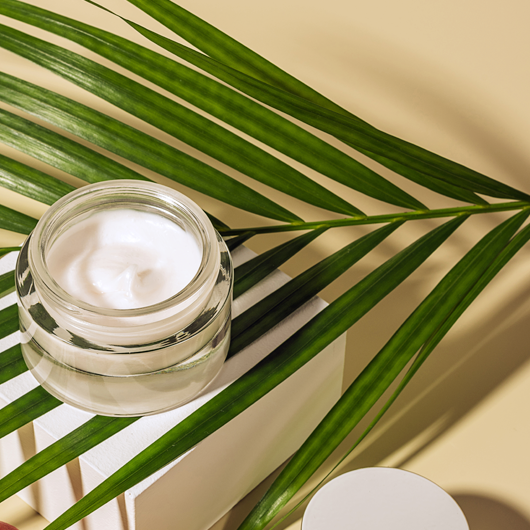


Trying to find anti-aging skincare for sensitive skin can feel like walking a tightrope. You want the results—smoother texture, the appearance of fewer fine lines—but the powerful ingredients that promise youth in a bottle often leave your skin red, angry, and irritated. The secret isn't to give up, but to completely change your approach. Forget harsh, aggressive actives and embrace a routine that soothes and supports your skin first.
A Soothing Approach to Youthful Looking Skin

When your skin is reactive, the thought of adding potent ingredients is definitely intimidating. But what many of us with sensitive skin have discovered is that a "less is more" mindset doesn't just help avoid irritation; it actually leads to a calmer, more radiant complexion. It's about shifting from just "anti-aging" to being "pro-radiance" and respecting what your skin is telling you.
And if you feel like you're alone in this struggle, you're not. The demand for these kinds of products is booming. The global market for sensitive skincare was valued at a massive USD 44.60 billion in 2023 and is expected to almost double by 2030. It’s clear that people are moving towards products that deliver both comfort and real results.
Understanding Your Skin's Signals
One of the most valuable skills you can learn is how to read your skin. Is that slight flush from a new serum just a temporary pinkness that fades quickly, or is it the start of persistent redness, itching, and burning?
Knowing the difference is everything. It's what helps you decide whether to keep a product or toss it. Getting a better handle on what causes skin inflammation can give you major clues about what your skin truly needs. When you learn to listen to these signals, you can build a routine that supports your skin barrier—the absolute foundation of healthy, happy skin.
Your skin barrier is your first line of defense. A supported, happy barrier helps keep your skin calm, holds onto moisture, and is far less likely to react to environmental stress.
The Gentle Advantage
Choosing a gentle routine doesn't mean you're settling for weak results. Actually, for those of us with sensitive complexions, a nurturing approach is almost always more effective in the long run. Aggressive treatments can just kick off a cycle of irritation, taking you further away from your goals.
By picking calming, supportive ingredients, you create the perfect environment for your skin to thrive. This guide is all about helping you build that kind of routine, one that gets you that smooth, vibrant look without the stress and guesswork. We'll be focusing on:
- Prioritizing skin comfort above everything else.
- Choosing ingredients that are known for being gentle but effective.
- Creating a consistent and calming daily ritual.
This method helps you build a routine that works with your skin, not against it, letting its own natural radiance come through.
Choosing Your Gentle Skincare Power Players
If you have sensitive skin, the world of anti-aging can feel like a minefield. The goal is to get those amazing firming and smoothing benefits, but so many products just lead to redness and irritation. The secret isn't just avoiding the harsh stuff; it's about knowing which gentle, effective ingredients to embrace. Think of them as your skin's personal dream team.
You’re definitely not alone in this. It turns out that about 50% of the global population feels their skin is sensitive, and for women, that number is closer to 60%. It’s no surprise that a whopping 59% of us are looking for natural or organic options. The demand for skincare that is both effective and kind to our skin has never been higher.
The Power Of Peptides
When you want to address the appearance of fine lines and loss of firmness without the drama of a skin reaction, peptides are your best friends. These are just small chains of amino acids—the very building blocks of essential proteins like collagen. They act like little messengers, telling your skin to look and feel its best.
Peptides are incredibly well-tolerated, which is why they should be a cornerstone of any routine for sensitive, aging skin. They work with your skin, supporting its natural functions instead of stripping or compromising its delicate barrier.
- Matrixyl 3000: This famous peptide duo is a must-have for improving the appearance of wrinkles. It helps give the skin back its look of firmness and elasticity for a smoother, more youthful-looking complexion.
- Argireline: Often nicknamed for its effect on expression lines, Argireline is fantastic for softening the look of these lines, especially around the eyes and forehead. It helps the skin appear smoother and more relaxed.
Adding a serum or cream with these peptides is like giving your skin the support it needs to look visibly firmer and more resilient over time.
Hydration Heroes: Advanced Humectants
Hydration is non-negotiable for every skin type, but for sensitive skin, it’s everything. A compromised moisture barrier is often at the root of sensitivity, and dehydration only makes fine lines and texture look way more obvious. This is where advanced humectants step in.
Humectants are basically moisture magnets. They pull water from the air and the deeper layers of your skin right up to the surface. This plumps everything up, making skin look bouncier, smoother, and incredibly radiant.
Hyaluronic Acid is the most famous of the bunch, and for good reason. It can hold up to 1,000 times its weight in water, delivering an immediate plumping effect that visibly smooths the skin. Simply patting a Hyaluronic Acid serum onto damp skin before your moisturizer is a game-changer for locking in hydration and getting that dewy, supple glow.
The Soothing Touch Of Plant-Based Ingredients
Plant-derived ingredients are a treasure trove for sensitive, aging complexions. They're often packed with antioxidants and have a naturally calming effect, creating the perfect environment for your skin to thrive. You can explore more in our guide to plant-based skin care for sensitive aging skin.
As you build your skincare lineup, it's also worth thinking about the ethics behind the products. Many incredible brands focus on responsible sourcing, and choosing Cruelty-Free Skincare is a wonderful way to align your routine with your values.
- Sea Kelp Bioferment: This nourishing ingredient, derived from fermented sea kelp, is loaded with minerals. It provides amazing hydration and leaves skin feeling incredibly soft and supple.
- Green Tea Extract: A true antioxidant powerhouse! Green tea helps shield the skin from daily environmental stressors while also providing a wonderfully soothing sensation.
- Licorice Root Extract: Famed for its brightening abilities, this extract helps even out the look of your skin tone without the irritation you might get from other brightening agents.
For a quick cheat sheet on what to look for and what to be careful with, here’s a simple comparison:
Gentle Actives Versus Ingredients to Approach with Caution
| Ingredient Category | Gentle Superstar (Embrace These) | Approach with Caution (Patch Test First) |
|---|---|---|
| Exfoliants | Lactic Acid (in low doses), PHAs | Glycolic Acid, Physical Scrubs |
| Retinoids | Bakuchiol, Granactive Retinoid | Retinol, Tretinoin (prescription) |
| Brighteners | Licorice Root, Vitamin C (ascorbyl glucoside) | Hydroquinone, High-Potency L-Ascorbic Acid |
| Soothers | Green Tea, Sea Kelp Bioferment, Peptides | High concentrations of Essential Oils |
This table isn't meant to scare you away from certain ingredients forever, but for sensitive skin, it's all about starting low and slow. The "Approach with Caution" column simply highlights actives that have a higher potential for irritation and absolutely require a patch test.
By combining gentle power players like peptides, humectants, and supportive botanicals, you can create a routine that truly works for you. This smart, ingredient-first strategy lets you achieve a complexion that's not only youthful-looking but also comfortable and beautifully calm.
Building Your Daily Anti-Aging Ritual
When it comes to seeing real, lasting changes in your skin, consistency is everything. This is especially true if your skin is sensitive. Creating a daily ritual you can stick to isn't just about getting results—it's about building a trusting relationship with your complexion.
Forget those chaotic, 22-step routines that only seem to leave skin angry and uncomfortable. We're going for a focused, intentional approach. A dermatologist once told me a great routine only needs four core things: a cleanser, a serum, a face cream, and an SPF. By keeping it simple, you can give your skin's barrier the support it needs while still addressing your biggest concerns.
Here’s a breakdown of the perfect morning and evening routine designed for sensitive skin that’s also looking for beautifying anti-aging benefits.
The AM Routine: Focus on Protection
Your morning routine has one main job: to shield your skin from everything the day throws at it. That means loading up on hydration and antioxidants, then sealing it all in with a solid layer of sun protection.
Think of it as putting on your skin's armor before heading out the door. The steps are simple and designed to work together without causing irritation.
The PM Routine: Focus on Nourishment
Nighttime is when your skin can rest and rejuvenate, making it the perfect time to feed it the nourishing ingredients it craves. This is your chance to use more targeted, "treatment" style products.
This routine is all about deep nourishment and overnight support, so you wake up to a calmer, smoother-looking complexion.
Here’s a simple table to guide you through your morning and evening steps.
| Step | AM Routine (Focus on Protection) | PM Routine (Focus on Nourishment) |
|---|---|---|
| 1. Cleanse | A splash of lukewarm water or a swipe of micellar water is often enough. You don’t want to strip morning skin. | Double cleanse. Start with an oil cleanser to melt makeup/SPF, then use a gentle cream cleanser to wash it all away. |
| 2. Serum | Apply a hydrating or antioxidant serum to damp skin. Hyaluronic Acid is a fantastic choice for a plump, dewy look. | This is the perfect time for a peptide serum like one with Matrixyl 3000 or Argireline to support the skin's appearance of firmness. |
| 3. Moisturize | Use a calming moisturizer to lock in your serum. Look for formulas with ceramides or soothing botanicals. | Apply a slightly richer moisturizer than your daytime cream to create a comforting, protective barrier while you sleep. |
| 4. Protect | Broad-spectrum mineral sunscreen with at least SPF 30. This is your most critical anti-aging step. Every. Single. Day. | N/A |
This simple, twice-a-day ritual provides the perfect balance of protection and nourishment without overwhelming sensitive skin.
This visual shows how gentle ingredients like peptides, humectants, and botanicals flow together to create a routine that is both effective and calming.

These core ingredient families are the foundation of a routine that keeps skin looking youthful and feeling comfortable.
Layering Like a Pro
The order you apply your products makes a huge difference, particularly for sensitive skin. The golden rule is to go from the thinnest consistency to the thickest. This simple trick ensures each layer can sink in properly without interference.
Pro Tip: Give your skin about 60 seconds between each product. This little pause lets each layer absorb, preventing that heavy, pilling feeling and making sure every active ingredient gets a chance to do its job.
You can get even more in-depth advice by reading our complete guide on the correct order to apply skin care products.
This patient, thoughtful approach is becoming more popular everywhere. We're seeing a huge shift toward "preventive" skincare, with younger people starting anti-aging routines earlier to maintain their skin's appearance.
The big trend for 2026 is all about barrier-safe potency. People finally get it: you don't have to scorch your skin to see results. The best products work with your skin, not against it.
By sticking to a gentle and consistent AM and PM ritual, you create a stable, happy environment for your skin to thrive. You'll reduce the chances of a flare-up and allow those powerful, sensitive-safe ingredients to beautify your skin over time.
Mastering the Art of Introducing New Products
If you have sensitive skin, you know the feeling. The thrill of a new serum is quickly followed by a wave of "what if?" What if it makes me red? What if I break out? For those of us with reactive complexions, how you introduce a new product is just as important as what's inside the bottle.
Getting this right isn't about being scared of skincare. It's about being smart. A slow, steady approach is your best bet for a calm, happy journey with your anti aging skincare for sensitive skin. This is how you confidently figure out what your skin loves and what it would rather skip.
The All-Important Patch Test
Before you even think about slathering that new peptide cream all over your face, you absolutely have to do a patch test. This simple step is non-negotiable. It can save you from a week of dealing with a full-face reaction. The idea is to test the product on a small, out-of-the-way spot to check for a reaction.
Here’s the right way to do it:
- Pick a Spot: Find a small area of skin that's similar to your face but easy to hide. Behind your ear, on the side of your neck, or even your inner arm are all great choices.
- Apply and Wait: Dab a tiny amount of the product on your chosen spot. If it's a cleanser, follow the instructions and rinse it off. Otherwise, just leave it on.
- Watch and Wait for 24-48 Hours: This is the critical part. Keep an eye out for any redness, itching, burning, or little bumps. Some reactions pop up right away, but others can take a day or two to show themselves.
A clear patch test is your green light to move forward, but it doesn't mean you should go all-in just yet. It simply tells you that a major, immediate reaction is unlikely.
Introduce New Actives One at a Time
Here's one of the biggest mistakes people with sensitive skin make: they get excited and start two or three new products all at once. If irritation happens, you're left playing a frustrating guessing game. This is where the "one in, one out" rule becomes your skin's best friend.
Let's say you're eager to try a new peptide serum and a plant stem cell moisturizer. Don't start both in the same week. Pick one—let's go with the peptide serum—and use it just two or three times during the first week.
If your skin is still calm and happy, you can slowly start using it more often. Only after that product is fully part of your routine (which could take a few weeks) should you even think about introducing the moisturizer. This slow-and-steady method lets your skin's barrier get used to the new active without getting overwhelmed.
If you're looking for more tips on combining powerful ingredients, you can learn how to combine retinol and peptides safely in our detailed guide.
This careful process turns skincare from a game of chance into a thoughtful practice. You'll build an effective, personalized anti aging skincare for sensitive skin routine with confidence, not confusion, by truly listening to what your skin needs.
Creating Your Own Custom Skincare Formulations

For those of us who are truly passionate about what goes on our skin, there's nothing quite like crafting your own custom products. When you take the leap into do-it-yourself (DIY) formulation, you get to call all the shots, hand-picking every single ingredient to suit your skin's exact needs.
This is a game-changer when you're looking for anti aging skincare for sensitive skin, because you can finally ditch the common troublemakers like synthetic fragrances and certain preservatives that show up in so many store-bought options.
This hands-on approach puts you in complete control, allowing you to create super fresh, potent products that are perfectly tailored to you. It's an incredibly rewarding process. Ready to get your hands dirty? Here are two of our favorite recipes, using top-notch ingredients from Skin Perfection, designed to make your skin glow without causing a fuss.
Calm & Firm Peptide Serum
This feather-light serum is all about delivering a concentrated dose of firming peptides and serious hydration. It’s designed to help improve the look of your skin’s texture and bounce. It layers beautifully under a moisturizer, making it a perfect pick for both your morning and evening routines.
What You'll Need:
- 83% Distilled Water
- 10% Matrixyl 3000
- 5% Hyaluronic Acid
- 2% Leucidal Liquid SF (a great natural preservative)
Putting It All Together:
First things first: sanitize your workspace, tools, and the bottle you’ll be storing your serum in. This is a non-negotiable step to keep your creation fresh and safe.
In a clean glass beaker, measure out and combine the distilled water, Matrixyl 3000, and Hyaluronic Acid. Give it a good, gentle stir. You'll need a little patience here; keep stirring until the Hyaluronic Acid completely dissolves and the mixture looks uniform.
Once your base is perfectly blended, it's time to add the Leucidal Liquid SF. Stir it in well to make sure the preservative is distributed evenly throughout your serum.
Finally, carefully pour your beautiful new serum into a sanitized airless pump or dropper bottle. To keep it potent, store it in a cool, dark place—a skincare fridge is perfect, but a cabinet away from sunlight works great too.
This recipe is powerfully simple, focusing on just two main goals: hydrating and beautifying. By keeping the ingredient list short and sweet, you dramatically lower the chance of a reaction, making it an amazing choice for sensitive complexions.
Restorative Barrier Support Lotion
This lotion is like a cozy blanket for your skin. It’s formulated to deliver deep moisture and give your skin’s natural barrier some much-needed support. With superstar ingredients like Sea Kelp Bioferment and a nourishing oil, it leaves skin feeling calm, soft, and supple.
It’s gentle enough to use every day, morning or night. If you get hooked on making your own products, you can dive even deeper with our other guides on cosmetic formulation.
What You'll Need:
- 73% Distilled Water
- 10% Avocado Oil
- 8% Sea Kelp Bioferment
- 5% Emulsifying Wax NF
- 4% Leucidal Liquid SF
Putting It All Together:
This one involves a heating step. Grab two heat-safe beakers. In the first, combine the distilled water and Sea Kelp Bioferment. In the second, combine the Avocado Oil and Emulsifying Wax NF.
Place both beakers in a water bath and heat them to about 160°F (71°C). You’ll know you’re ready when the wax in the oil beaker has completely melted. Now, carefully pour the oil mixture into the water mixture.
This next part is crucial for getting that creamy lotion texture. Immediately start blending with a high-shear mixer or a stick blender for a solid 2-3 minutes. This is what creates a stable emulsion.
Let your lotion cool down. Once the temperature drops below 104°F (40°C), you can add the Leucidal Liquid SF. Stir it in gently until it’s fully incorporated.
All that’s left is to transfer your amazing creation into a sanitized jar or pump bottle. Let it cool completely to room temperature before putting the cap on.
There’s a special kind of confidence that comes from knowing exactly what’s in your skincare. It not only helps you avoid ingredients that don't agree with you but lets you build a routine that is 100% your own, celebrating your skin with ingredients you personally know and trust.
Pro Tips for Skincare Professionals and Enthusiasts
Whether you're a seasoned esthetician helping clients or a passionate DIYer crafting your own perfect routine, there's always another level to unlock. Taking your anti aging skincare for sensitive skin game from good to great comes down to combining smart science with a bit of artistry and a whole lot of attention to detail.
For pros, the real work begins when a client with a sensitive complexion walks through your door. It’s all about managing expectations and building a foundation of trust. So many clients are hoping for a quick, dramatic result, but with sensitive skin, we know that slow and steady always wins the race.
Guiding Clients with Care
When you’re working with a sensitive skin client, your role becomes part educator, part coach. The first step is helping them learn to listen to their skin. You have to shift the focus from aggressive actives to a consistent home-care routine packed with soothing, supportive ingredients.
Introduce any new professional treatments with caution. Instead of immediately reaching for a strong chemical peel, maybe start with a facial that uses gentle peptides. These can deliver real, visible improvements in texture and appearance of firmness without sending the skin into a panic.
A key takeaway for your clients should be this: "Patience and consistency are our most powerful tools." Remind them that a supported skin barrier is the real goal. The radiant, youthful glow will naturally follow.
Make sure every single client with sensitive skin understands how to patch test before they even think about trying a new product. This one simple step empowers them to be smarter consumers and saves you from those panicked phone calls about a sudden reaction. Your guidance can transform their skincare journey from a stressful guessing game into a practice they feel confident and successful in.
Elevating Your DIY Formulations
For all the home formulators out there, moving from simple recipes to truly expert-level creations is about sweating the small stuff. A few small upgrades can make a massive difference in the performance and elegance of your final product. One of the easiest, most impactful changes is the water you use.
- Always Use Distilled Water: Tap water is full of minerals and other little impurities that can mess with your active ingredients or shorten your product's shelf life. Sticking to distilled water gives you a clean, stable base for your serums and lotions every time.
- Understand Ingredient Shelf Life: Your powerhouse actives don't last forever. Peptides and many antioxidants can lose their potency over time, especially with exposure to light and air. Get in the habit of logging when you purchase your ingredients and store them exactly as directed—usually in a cool, dark place.
- Respect Usage Rates: This is a big one. Always follow the recommended usage rates for your active ingredients. The temptation to add "just a little extra" Matrixyl 3000 is real, but it won't get you faster results. It can, however, lead to irritation and sensitivity. Precision is what separates a good formulator from a great one.
By embracing these more professional habits, both estheticians and dedicated DIYers can get far superior results. It’s this thoughtful, informed approach that truly brings out the best in sensitive skin, helping you create a complexion that isn't just calm and happy, but visibly smoother and more vibrant.
Let's Clear Up a Few Things
When you're trying to find anti-aging skincare for sensitive skin, it's natural to have a few questions pop up. You want results, but you can't risk a flare-up. Let's talk through some of the most common concerns.
Can I Really Use Vitamin C on My Sensitive Skin?
Everyone loves Vitamin C, and for good reason—it’s a powerhouse antioxidant. But if your skin is reactive, you’ve probably learned the hard way that not all Vitamin C is created equal.
The most common form, L-Ascorbic Acid, is notoriously acidic. For many with sensitive complexions, it can trigger that all-too-familiar stinging or redness. But don't write off Vitamin C just yet!
The trick is to look for gentler, more stable versions. I always point people towards derivatives like Magnesium Ascorbyl Phosphate (MAP). It delivers beautiful brightening benefits without the drama and irritation. As with any new active, start slow and patch test first. Your skin will thank you.
Remember, the goal with sensitive skin is long-term support, not a quick, aggressive approach. Gentle ingredients work with your skin, building resilience and beauty over time without compromising its comfort.
How Long Does This Gentle Stuff Actually Take to Work?
Patience is a virtue, especially in skincare! Unlike harsh ingredients that can sometimes force a rapid (and often irritating) change, gentle actives like peptides work in harmony with your skin.
You'll likely notice a difference in hydration and a lovely plumping effect within a couple of weeks. But for the big-ticket items—the visible softening of fine lines and a firmer appearance—you need to give it time. Consistent use, twice a day, will typically start showing those more significant changes in about 8-12 weeks.
Should I Buy Pre-Made Products or Make My Own?
This is a great question, and honestly, there's no single right answer. It really boils down to your lifestyle, your skin's specific needs, and how much you enjoy getting hands-on.
- Buying pre-made products is perfect for convenience. You get access to sophisticated formulas crafted by experts, which is a fantastic way to go if you're just starting out or short on time.
- Making your own (DIY) skincare puts you in the driver's seat. You have absolute control over every single ingredient. This is a game-changer if you know you're sensitive to common preservatives, fillers, or fragrances found in many off-the-shelf products.
For seasoned skincare lovers, diving into DIY can be an incredibly rewarding journey, allowing you to create a routine that is 100% tailored to you.
Whether you're looking for expertly formulated ingredients to craft your own custom serums or prefer to trust ready-made solutions, we've got you covered. Explore the full collection at Skin Perfection and find everything you need to build a routine that truly celebrates your sensitive skin.