

 Buy with Prime
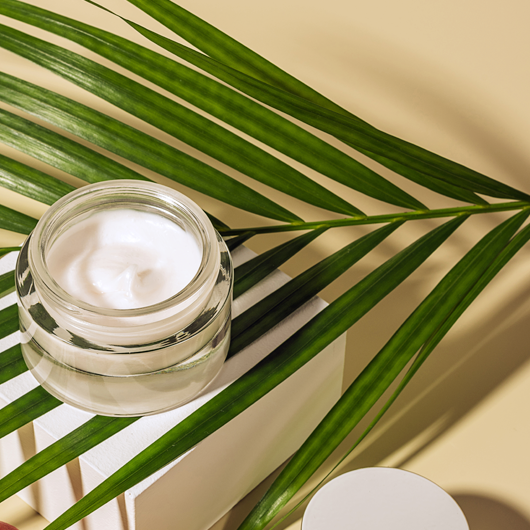


bb cream and moisturizer
Choosing between bb cream and moisturizer becomes much easier when you separate skincare function from makeup performance. A moisturizer supports the skin barrier and supplies hydration, while a BB cream adds tint, light coverage, and often additional skin-supporting ingredients. The right pairing depends on your skin type, formula texture, and the time each layer needs to settle.
Key Takeaways
- Your skin type and the texture of each formula determine whether you need a separate moisturizer under your BB cream or can rely on the BB cream alone.
- Allow each layer to fully absorb before applying the next product to prevent pilling and keep coverage smooth and hydration lasting.
- BB creams often include moisturizing ingredients, but if your skin is dry, a dedicated moisturizer underneath provides the deeper barrier support you need.
- The standard order is moisturizer first, then BB cream, but some lightweight BB creams perform best when applied directly to clean skin.
- Adjust your routine by checking how your skin feels after a few hours: too tight means add a moisturizer, too greasy means skip it.
I’m Kari Thomas, and I believe cosmetic science should make your routine clearer, not more confusing. Let’s define each complexion product first, then examine why certain combinations pill, ball up, or leave a patchy finish.
Decoding BB Cream, CC Cream, and Tinted Moisturizer: Your Essential Guide
What Exactly is BB Cream?
BB cream, short for beauty balm or blemish balm, is a hybrid complexion product. It typically combines sheer-to-light pigment with moisturizing agents, a softening base, and sometimes antioxidants or sunscreen. Its purpose is not to replace every skincare step automatically. Instead, it gives your complexion a more even appearance while providing a lighter feel than traditional foundation.
Think of it as a bridge between skincare and makeup. A BB formula may be enough for someone with balanced skin who wants minimal coverage. Dry, dehydrated, or sensitive skin may still need a separate moisturizer underneath. Read the ingredient list and assess the finish on your skin rather than assuming every balm offers the same hydration.
Understanding CC Cream: Color Correcting Power
CC cream means color-correcting cream. Its pigment design usually focuses on reducing the appearance of visible redness, sallowness, or uneven tone. Color theory guides the tint: green can visually balance redness, lavender can counter yellow tones, and peach can brighten a dull-looking complexion.
The difference between bb cream vs cc cream is primarily the intended correction, not a strict product category regulated by one universal standard. A BB cream generally prioritizes light coverage and comfort. A CC formula may provide more targeted tone adjustment, though coverage and texture vary by formulation.
Tinted Moisturizer: Hydration Meets Light Coverage
A tinted moisturizer begins with a moisturizing base and adds enough pigment to soften visual unevenness. It often provides the most transparent coverage of the three, leaving freckles and natural skin texture visible. That sheer finish can look fresh, though it may not neutralize pronounced redness or discoloration.
If your skin already feels comfortable after cleansing, a tinted moisturizer may serve as your final complexion layer. If tightness appears during the day, pair it with a compatible moisturizer. With bb cream and moisturizer, the goal is balanced hydration, not multiple heavy layers competing for space on the skin.
Key Differences at a Glance: Coverage, Benefits, and Finish
Use the table below as a starting point, then consider your skin behavior, preferred coverage, and ingredient tolerance. Labels can overlap, so the ingredient list and swatch matter more than the name alone.
| Product type | Primary purpose | Typical coverage | Common finish | Best suited for |
|---|---|---|---|---|
| BB cream | Light complexion coverage with skincare-oriented support | Sheer to light | Natural, satin, or softly radiant | Quick, low-maintenance makeup routines |
| CC cream | Visible tone correction | Sheer to medium | Natural or satin | Redness, dullness, or uneven color |
| Tinted moisturizer | Hydration with subtle tint | Very sheer to sheer | Fresh, dewy, or natural | Dry or balanced skin seeking minimal coverage |
The Skin Perfection Philosophy: Transparency in Formulation
At Skin Perfection, formulation quality starts with clear ingredient communication. Peptides are selected for their studied role in supporting smoother-looking skin, while botanicals and antioxidants should serve a defined cosmetic purpose. Clean beauty also requires attention to fragrance, preservatives, allergens, and texture, especially for reactive skin.
For a separate eye-area step, Essential Anti-Aging Eye Cream is formulated with 83% organic ingredients. The product is paraben-free, fragrance-free, gluten-free, sulfate-free, vegan-certified, and targets hydration and anti-aging concerns around the eyes.
The Science of Smooth Layering: Why Your BB Cream Might Pill (and How to Fix It)

Understanding Formulation Compatibility: Water-Based vs. Silicone-Based
Formula compatibility affects how bb cream and moisturizer sit together. Water-based products tend to feel light and absorb readily. Silicone-based products rely on smoothing agents that form a flexible, slip-enhancing film. Neither category is automatically better. Problems arise when one layer remains mobile while the next layer is rubbed across it.
Check the first several ingredients for clues. Water near the beginning often indicates an aqueous base. Ingredients with names ending in “-cone” or “-siloxane” can signal silicone slip. This is a useful screening method, not a perfect compatibility test.
The Pilling Phenomenon: A Cosmetic Chemist's Perspective
Pilling occurs when a product film rolls into small particles instead of remaining evenly distributed. Friction, excess product, high-molecular-weight polymers, or incomplete dry-down can add to the problem.
Active Moisturizers and BB Creams: The Perfect Pairing Protocol
An active moisturizer can support hydration while peptides and antioxidant ingredients complement a complexion routine. Keep the layer thin, especially if the moisturizer contains film-forming agents. For dependable daily hydration, consider an 86% Organic Essential Daily Moisturizer.
Optimizing Dry-Down Times for Flawless Application
Give each layer time to form its intended film before adding pigment. A rushed routine encourages rolling because the applicator disturbs wet skincare. Use pressing motions rather than vigorous circular rubbing.
- Cleanse gently and leave the skin slightly comfortable, never tight.
- Apply a thin layer of moisturizer, concentrating on areas that feel dry.
- Allow the moisturizer to settle until the surface feels smooth rather than wet.
- Dispense a small amount of BB cream and press it across the center of the face.
- Blend outward with clean fingers, a damp sponge, or a soft brush using minimal strokes.
- Wait before adding another layer. Build coverage only where needed.
This method keeps bb cream and moisturizer from competing on the surface. If rolling continues, reduce the amount of moisturizer, change the application tool, or test the BB cream over a simpler base.
Achieving Your Ideal Shade: Preventing Oxidation and Embracing Desaturated Tones
The Mystery of Orange Oxidation: Why It Happens
Shade oxidation happens when pigment changes after exposure to air, skin oils, moisture, and warmth. To evaluate a formula accurately, apply a small swatch along the jawline and wait through its full dry-down period.
Decoding Undertones: Cool, Warm, Neutral, and Desaturated
Warm undertones often include golden, yellow, or peach notes. Cool undertones may appear pink, rosy, or bluish. Neutral skin can hold both warm and cool qualities. Look at your neck, chest, and jawline in natural daylight.
Choosing a BB Cream for Your Skin Tone and Concerns
Choose shade depth and undertone separately. First, identify whether the product is light, medium, or deep enough for your neck. Next, assess its color direction after dry-down. A neutral, muted formula may balance the complexion with less visible contrast.
Troubleshooting Shade Mismatches and Orange Casts
If your base turns orange, confirm that skincare has settled and that excess facial oil is not altering the film. Compare the dried swatch with your neck in daylight, then choose a less saturated or more neutral shade at the same depth.
Sun Protection and Skin Nutrition: Beyond the BB Cream Claim
SPF in BB Creams: Is It Enough for Daily Protection?
A BB cream with SPF can add useful coverage against ultraviolet exposure, but it rarely supplies enough product to deliver the labeled protection by itself. Think of makeup SPF as supplemental coverage, not your only defense.
The Importance of Dedicated Sunscreen in Your Routine
Apply a broad-spectrum sunscreen as the final skincare layer before complexion makeup. Give it time to form an even film, then press on your base with minimal rubbing.
Synergy of Actives: How Peptides and Antioxidants Support Your Skin
Peptides and antioxidants can support a well-rounded routine, while sunscreen helps limit the exposure that contributes to visible skin aging.
Keep active skincare targeted. A dedicated Hyaluronic Acid Plumping Serum can support hydration before moisturizer and complexion makeup.
Your Personalized Skin Perfection Routine: Application and Beyond
The Morning Ritual: Step-by-Step Application Order
Start with gentle cleansing, then apply any treatment serum suited to your skin. Follow with a light moisturizer where you feel dryness, and finish skincare with broad-spectrum sunscreen. Once each layer feels settled, press on your BB cream rather than rubbing it across the face.
- Cleanse without leaving the skin tight or stripped.
- Apply a thin layer of your selected active serum.
- Moisturize only where your skin needs additional comfort.
- Apply dedicated sunscreen generously and allow the film to set.
- Press a small amount of BB cream onto the center of the face.
- Blend outward with minimal strokes, then add coverage only where needed.
Tips for Dry, Oily, or Sensitive Skin Types
Dry skin generally benefits from a comfortable moisturizer beneath makeup. Oily skin may need only a light gel-textured layer, while sensitive skin should favor a short ingredient list and fragrance-free care.
Long-Wear Secrets: Ensuring Your Base Stays Put
Long wear depends more on film control than on applying extra layers. Use thin amounts, allow skincare and sunscreen to settle, and press rather than drag your applicator.
The Ultimate Goal: Radiant, Healthy-Looking Skin
The best routine is the one your skin can tolerate consistently. Your moisturizer should support comfort, your actives should fit your tolerance level, and your complexion base should look like skin rather than a thick coating. With the right order, bb cream and moisturizer can work together as practical parts of a personalized routine.
Frequently Asked Questions
Do I use BB cream and moisturizer?
BB cream and moisturizer can be used together when your skin needs more hydration than the BB cream provides. Apply a thin layer of moisturizer first, allow it to settle for about three minutes, then apply BB cream gently. Balanced skin may need only one product, while dry or dehydrated skin often benefits from both.
What happens when you mix moisturizer and BB cream?
Mixing moisturizer and BB cream creates a lighter, more sheer complexion product with reduced coverage. The result may look fresh, though the blend can become uneven if the formulas have different textures or contain film-forming ingredients. For more predictable coverage, layer them separately and use a small amount of each.
What is the three-minute rule for moisturizer?
The three-minute rule for moisturizer means waiting roughly three minutes before applying BB cream or other makeup. This short pause gives the moisturizer time to settle and form a more stable surface. If the skin still feels wet or slippery, use less product or wait a little longer to help prevent pilling.
What are the common mistakes when using BB cream?
Common BB cream mistakes include applying too much product, rubbing aggressively, layering over wet moisturizer, and choosing a finish that conflicts with your skin type. BB cream usually works best in a thin layer applied with light tapping or smoothing motions. Check the formula and let each skincare layer settle before makeup.
What is the correct order of makeup?
The correct makeup order is cleanser, treatment products, moisturizer, sunscreen during the day, BB cream, and optional concealer or setting powder. Let each layer settle before adding the next one, especially moisturizer before BB cream. This order supports hydration first and complexion coverage second, helping the finish look more even.
Should I apply BB cream before or after sunscreen?
BB cream should usually be applied after sunscreen in a daytime routine. Apply moisturizer first if needed, follow with a dedicated sunscreen, allow the layers to settle, then smooth on BB cream without excessive rubbing. A BB cream with sunscreen may add support, but its protection depends on the formula and amount applied.
How can I stop BB cream from pilling over moisturizer?
BB cream pilling can often be reduced by using thinner layers, waiting for moisturizer to settle, and applying makeup with gentle tapping rather than repeated rubbing. Water-based and silicone-based formulas may also behave differently together. Review the first ingredients, reduce friction, and test the pairing on a small area before applying a full face.