

 Buy with Prime
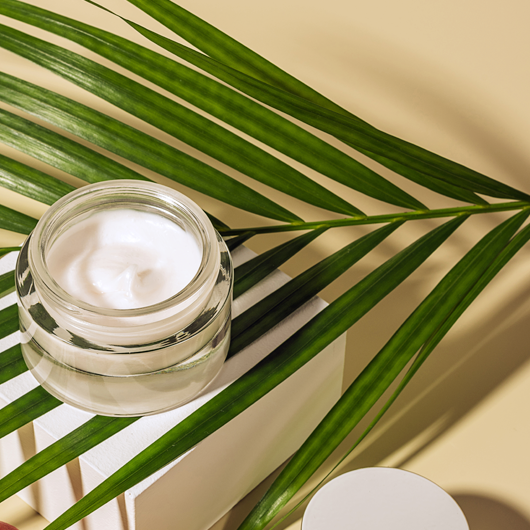


You're probably here because the serum aisle has stopped being helpful. One bottle says “firming,” another says “brightening,” a third promises “renewal,” and half of them seem to contain the same ingredients in different packaging. If your skin feels drier than it used to, looks less bouncy, or seems dull even when you're doing “all the right things,” it's easy to wonder whether serums matter or whether you just need a better moisturizer.
They do matter, but not for the reasons marketing usually gives you. The best face serums for mature skin are not just the ones with trendy ingredients. They're the ones with the right ingredient pairing, texture, delivery system, and routine fit for your skin as it is now. Mature skin often benefits from a more customized approach: one serum for hydration, another for radiance, and sometimes a richer leave-on formula at night to support a smoother, more comfortable look by morning.
That's where a serum wardrobe helps. Instead of hunting for one miracle bottle, you choose a few targeted formulas that work together safely and sensibly.
Table of Contents
- Why Serums Are a Game Changer for Mature Skin
- Decoding Powerhouse Ingredients for a Youthful Look
- How to Choose the Right Serum Formulation
- Building Your Serum Routine Step by Step
- Serum Examples for Different Mature Skin Needs
- Common Mistakes to Avoid With Face Serums
- Your Top Questions About Serums Answered
Why Serums Are a Game Changer for Mature Skin
A moisturizer does broad support work. A serum does focused work.
That's the simplest way to think about it. If a moisturizer is your everyday comfort layer, a serum is the specialist you bring in for a specific appearance goal: more bounce, more glow, a softer-looking texture, or a more even look across the face and neck. If you've ever wondered why your skin still looks flat or lined after using a rich cream, that's often the missing piece.
Serums are usually lighter and more concentrated than creams, so they're useful when mature skin needs targeted help without feeling heavy. That matters because mature skin doesn't always want the same thing every day. Some mornings it needs quick hydration and radiance. Some evenings it needs a richer finish that helps skin look rested by the next day.
A good serum also gives you flexibility. You can keep a hydrating serum in rotation year-round, add a brightening serum when your complexion looks uneven, and use a smoothing serum more gradually if your skin is reactive. That's much easier than asking one product to do everything.
If the line between serum and moisturizer still feels blurry, this guide on the difference between serum and moisturizer gives a useful breakdown of how each one fits into a routine.
Mature skin usually responds best to consistency and smart layering, not to the strongest formula in the room.
Decoding Powerhouse Ingredients for a Youthful Look
Ingredient labels can look technical, but the job of most serum ingredients is easy to understand once you group them by what they do for the skin's appearance.

Hydration first
If mature skin looks tired, lined, or papery, hydration is usually the first place to start. Hyaluronic acid is a classic because it behaves like a moisture magnet. It helps the skin hold water so the surface looks more cushioned and less drawn.
Healthline's summary of mature-skin serum actives identifies hyaluronic acid, peptides, vitamin C, retinol, and bakuchiol as core ingredients. In one study it cited, 40 women aged 30–65 used a hyaluronic-acid serum twice daily and it produced “excellent” hydration. The same Healthline review also cited a 2011 study of 34 female participants in which an anti-aging serum used for 12 weeks improved overall appearance by 18%, with 27% better fine lines, 15% better coarse wrinkles, 11% better firmness and elasticity, and 47% better roughness (Healthline's overview of anti-aging serums).
Glycerin belongs in this same family. It doesn't get as much attention, but it's one of the most dependable support ingredients in a formula because it helps attract and retain moisture.
Firmness and surface smoothness
Peptides are useful when skin looks less springy than it used to. I explain them to clients as “messenger” ingredients. You're not looking for an instant dramatic effect. You're looking for the kind of steady improvement that makes skin look smoother and more supported over time.
Retinol is often chosen for the look of texture refinement and softer-looking lines. Bakuchiol is often discussed as a plant-based companion or alternative in routines where users want a gentler feel. Not every skin tolerates retinol the same way, so formulation and pacing matter as much as the ingredient itself.
A helpful habit is to stop shopping by headline words like “lifting” or “renewing” and start shopping by function. This roundup of best anti-aging ingredients is useful if you want to get better at reading labels instead of relying on front-of-box promises.
Radiance and tone
When mature skin looks uneven, vitamin C often becomes the star. It's commonly used for a brighter, fresher-looking complexion and for helping skin look more uniform. I often pair that idea with a simple rule: if your concern is “my skin looks tired,” think hydration plus brightness before you think “stronger exfoliation.”
Other tone-supporting ingredients such as niacinamide, licorice root extract, and ferulic acid often appear alongside vitamin C. Their role is usually supportive: helping the complexion look calmer, brighter, or more balanced.
For readers who like simple facial-care explainers rather than ingredient jargon, the Morfose guide to facial care gives a beginner-friendly view of how soothing, hydrating products fit into daily use.
One example of a richer, hydration-focused leave-on product is HydroGlow Anti-Aging Night Mask. Based on the catalog snapshot, it contains three types of hyaluronic acid, polyglutamic acid, jojoba, squalane, glycerin, aloe, sea silt ferment, and algae extract. From a formulation perspective, that makes it relevant for someone who wants overnight moisture support plus a dewy finish rather than a sharp active-exfoliation approach.
Think in pairs: hydration plus brightness, or smoothing plus barrier support. Mature skin often looks better when ingredients work in teams.
How to Choose the Right Serum Formulation
The ingredient list matters. The formulation decides whether that ingredient feels elegant, layers well, and keeps earning a place in your routine.
Texture affects daily use
A water-based serum usually feels light, quick, and easy to layer. It often suits dehydrated, combination, or easily congested skin because it adds hydration without much richness.
An oil-based serum gives more slip and softness. It can be a good fit when skin feels dry, especially in cooler weather or in an evening routine. Oil-based serums can also help seal in water-based hydration underneath.
An emulsion serum sits between the two. It's milky, cushiony, and often a smart choice when mature skin wants both hydration and comfort but doesn't want a heavy cream.
If you've ever bought a serum with good ingredients and then stopped using it because it felt sticky, greasy, or incompatible with makeup, texture was the problem. This guide on oil-based vs. water-based serums helps clarify which format tends to work best for different preferences.
Delivery systems change performance
Two serums can contain similar actives and still perform very differently. That's where delivery systems come in.
A strong example comes from a 2023 randomized, double-blind, controlled study in which 123 participants completed 24 weeks of use. The serum with a liposomal delivery blend produced a 54.46% reduction in total wrinkles, 22.94% reduction in wrinkle width, 23.07% reduction in wrinkle length, and 38.34% reduction in wrinkle severity, with significantly better outcomes in texture, radiance, tone, lifting, clarity, and complexion health versus the comparison serum (2023 liposomal serum study).
That study matters because it shows something estheticians see all the time in practice. It's not just what is in the bottle. It's how the bottle is built.
Clean beauty labels and what they mean
Terms like clean, natural, and organic can be helpful, but they don't all mean the same thing. Some shoppers assume “clean” automatically means effective. Others assume “clinical” means harsh. Neither is always true.
When evaluating a mature-skin serum, look for these questions instead:
| What to check | Why it matters |
|---|---|
| Texture and base | Determines how easily it layers and whether you'll use it consistently |
| Delivery style | Affects how well actives perform on the skin |
| Fragrance level | Important if your skin gets reactive easily |
| Supporting ingredients | Humectants, oils, and soothing ingredients can make strong actives easier to live with |
A well-formulated serum should be easy to use repeatedly. If a product fights your routine, it usually won't stay in your routine.
Building Your Serum Routine Step by Step
A good routine isn't complicated. It's deliberate.

Start with safety
Patch testing sounds boring until it saves you a week of irritation. Any time you add a new serum, especially one with retinol, acids, or multiple actives, test it on a small area first and give your skin a little time to respond.
Then start slowly. Mature skin often prefers rhythm over intensity. A hydrating serum may fit easily into daily use, while a stronger smoothing serum may work better on alternating nights.
A simple layering order
You don't need a dozen rules. You need three.
- Apply to slightly damp skin when the serum is hydration-focused. This helps humectants spread more comfortably.
- Go from thinnest to thickest. Watery serums first, richer milky or oil-based formulas after.
- Seal with moisturizer when your skin needs comfort and less moisture loss.
For many people, serum confusion comes from using good products in the wrong order. This guide to the correct order to apply skin care products is handy if layering still feels uncertain.
Easy morning and evening examples
Morning is usually the time for a fresher, more protective feel. Evening is where you can lean into comfort and texture support.
A simple AM approach
- Cleanse lightly: Use a gentle cleanser or rinse if your skin feels comfortable in the morning.
- Choose brightness or hydration: A vitamin C serum if dullness is your main concern, or a hyaluronic acid serum if skin feels tight.
- Add moisturizer: Especially if your serum is very light.
- Finish with sun protection: This is what helps preserve the benefits of everything underneath.
A simple PM approach
- Cleanse thoroughly: Remove sunscreen, makeup, and the day's residue.
- Apply your treatment serum: This might be a peptide serum, a retinol serum used gradually, or a richer overnight hydrator.
- Follow with a cream or leave-on mask if needed: Mature skin often looks better in the morning when evening routines prioritize moisture retention.
If you're building a serum wardrobe, keep one bottle for hydration, one for brightness, and one for nighttime comfort or smoothing. That's enough for most people.
A common question is whether you can layer more than one active. Sometimes yes, but don't stack every “power” ingredient at once just because you own them. If your skin starts looking shiny-but-tight, flaky, or suddenly reactive, simplify first. A calm routine almost always looks better than an aggressive one.
Serum Examples for Different Mature Skin Needs
Theory is helpful. Real-life matching is better.

If your skin feels dry and looks tired
This is the person who says, “My face looks fine after skincare, but by afternoon it looks flat again.”
For that skin mood, I'd look for a serum or leave-on treatment built around humectants and softening support. A formula with hyaluronic acid, glycerin, squalane, jojoba, and soothing botanical support can help skin look more cushioned and rested. Richer overnight options often make sense, especially if daytime serums feel too fleeting.
The goal isn't to pile on heaviness. It's to give skin enough water-binding and moisture-locking support that the surface looks smoother and more supple the next morning.
If you want more control with DIY
Some readers don't want a finished serum. They want a base ingredient they can customize.
A good example is Sodium Hyaluronate Powder Pure Hyaluronic Acid from the catalog snapshot. It's described as a cosmetic-grade powder used to create water-based serums, creams, and lotions, with suggested DIY concentrations of 0.1–2% and a stated NASHA high-molecular-weight range of 800–1500 Daltons. For a DIY-minded user, that kind of single-ingredient format offers control over texture, strength, and the other ingredients you pair with it.
That appeals to mature-skin users who want fewer fillers, smaller fresh batches, or a simple hydrating layer they can combine with a separate brightening or nourishing step.
Matching serum styles to skin mood
Not every mature-skin routine needs the same serum profile every day. A simple matching guide can help.
- Dry and sensitive: Look for hydration-first formulas with hyaluronic acid, glycerin, aloe, and a lower-friction routine.
- Dull and uneven-looking: Think vitamin C in the morning, with a supportive hydrating layer if needed.
- Loose-feeling or less bouncy: Peptides and richer evening textures can help support a firmer-looking finish.
- Combination but mature: A light water-based serum by day, with a more cushioned night formula, often feels balanced.
If you're shopping specifically for this age group, this guide to the best face serum for over 50 can help narrow the field by skin behavior rather than trend ingredients.
The best face serums for mature skin don't all look alike. Some are feather-light. Some are creamy. Some are DIY. The right one is the one your skin will welcome consistently.
Common Mistakes to Avoid With Face Serums
Many serum problems come from technique, not from the product itself.

Here are the mistakes I see most often with mature skin:
- Using too much product: More serum doesn't mean better results. It often means pilling, wasted product, or a sticky finish.
- Applying everything to dry skin: Many hydrating serums spread and sit better on slightly damp skin.
- Layering too many strong actives at once: Skin can end up looking irritated, tight, or shiny in an uncomfortable way.
- Skipping the neck and upper chest: These areas often show dryness and texture changes too, so they need the same thoughtful care.
- Expecting overnight change: Surface glow can happen quickly. More noticeable cosmetic improvement usually asks for steady use.
- Storing products carelessly: Heat, steam, and constant sun exposure can shorten the useful life of some formulas.
A better approach is simple: use less, layer with intention, and watch your skin rather than chasing every trend. If a serum leaves your face feeling comfortable, looking smoother, and fitting neatly into your routine, that's a strong sign you've chosen well.
Your Top Questions About Serums Answered
How long should I wait between layered products
Usually just long enough for the first layer to settle. Your skin doesn't need an extended pause between every step. If the surface still feels very wet, give it a moment, then continue.
Can I use face serum around my eyes
Only if the product is intended for that area or your skin tolerates it well. The eye area is quick to show dryness and quick to protest irritation, so use a light hand and avoid getting too close to the lash line.
How do I know if a serum is helping
Look for practical signs. Skin may feel more comfortable, look less dull, appear smoother under makeup, or seem more even in tone. Those are useful cosmetic cues.
How do I know if a serum isn't right for me
If your skin starts stinging repeatedly, looks persistently red, feels tight in a dry way, or develops ongoing flaking, pull back. Simplify your routine and reintroduce more slowly, or choose a gentler format.
Do I need one serum or several
One is enough if it addresses your main concern well. Several can be helpful if you want to customize by time of day, season, or skin mood. The key is not quantity. It's choosing formulas that each have a clear job.
Skin changes with time, and your routine should change with it. If you want thoughtfully formulated skincare and DIY ingredients that help you build a more personalized routine, explore Skin Perfection for ready-made options and custom-formulation supplies.