

 Buy with Prime
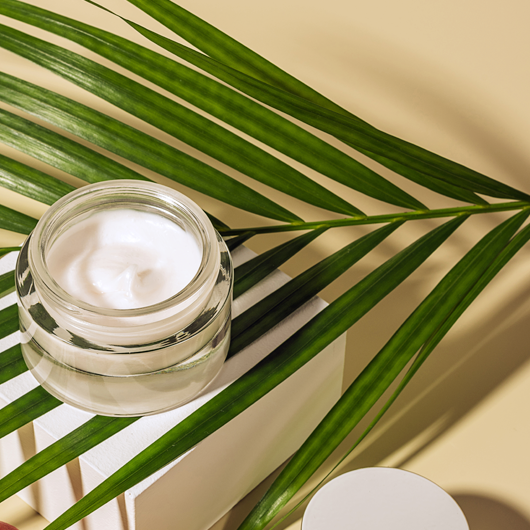


You smooth lotion over your forearms, catch the light at a certain angle, and notice that familiar fine, crinkled texture. Maybe it's on the upper arms, above the knees, or across the chest. For many people, that's the moment the search for the best moisturizer for crepey skin begins.
The frustrating part is that “more moisture” alone doesn't always seem like enough. A body lotion may feel nice for an hour, then the skin still looks papery later in the day. That doesn't mean you're doing anything wrong. It usually means you need a better match between ingredient type, formula texture, and daily routine.
From a formulator's perspective, crepey-looking skin is rarely a one-jar question. It's a combination of how much water the skin is holding, how smooth the surface feels, how well the formula supports a comfortable barrier, and whether the product is pleasant enough that you'll use it every day. That's good news, because it gives you more than one way to improve the look of the skin.
A thoughtful moisturizer can help skin look softer, smoother, and more supple. An even better approach is knowing why certain ingredients earn their place in a formula, and how to choose or create a product that fits your skin, your preferences, and your routine.
Table of Contents
- Improving the Appearance of Crepey Skin Starts Here
- Understanding the Look of Crepey Skin
- Essential Ingredients for Improving Skin Texture
- How to Select the Right Moisturizer Texture
- Your Daily Ritual for Visibly Smoother Skin
- Create Your Own Potent Hydrating Serum
- Your Path to Radiant Resilient-Looking Skin
Improving the Appearance of Crepey Skin Starts Here
A client once described crepey skin in the most relatable way. She said, “My skin isn't exactly dry all the time, but it suddenly looks delicate.” That's often what people notice first. Not a dramatic change, just a subtle shift in texture that makes the skin look thinner, looser, and more finely wrinkled.
That moment can send you straight into product overload. Rich body butters, firming creams, exfoliating lotions, night masks, oils, serums. The shelf gets crowded fast. But the essential question isn't which product has the loudest promise. It's which formula gives your skin the kind of support that improves its appearance in a steady, realistic way.
Crepey-looking skin responds best to care that does a few jobs at once. It needs hydration, yes, but it also benefits from ingredients that help the skin look smoother and more elastic on the surface. Some formulas focus only on slip and softness. Others combine water-binding ingredients, supportive actives, and a texture that stays comfortable long enough to matter.
Practical rule: Think “support and soften,” not “fix overnight.”
That shift matters. You're not chasing perfection. You're choosing products and habits that help the skin look more cushioned, less crinkled, and better cared for over time. That's often where visible progress starts.
Understanding the Look of Crepey Skin
Crepey skin usually shows up as a fine, lightly crinkled texture. It can look thinner, less bouncy, and a bit papery in certain light or when the skin moves. People often notice it first on the upper arms, chest, above the knees, or around the elbows, where the surface starts to look more delicately wrinkled, rather than dry.

Why skin starts to look crinkled
From a formulator's perspective, crepey-looking skin is usually a combination problem. Water is not staying in the upper layers as well, the surface may be rougher, and the skin may not look as cushioned or supple as it once did. The result is a texture that catches light unevenly and shows more tiny folds.
Time plays a role, and so does sun exposure. Areas that get regular incidental UV exposure often show this texture sooner. Body skin also has fewer oil glands than facial skin in many areas, which helps explain why arms and legs can start to look fragile or dehydrated even if they do not feel severely dry.
Weight changes can affect the way skin drapes and how pronounced that texture appears. If that is part of your experience, this guide on preventing skin changes from weight loss may help you look at supportive habits alongside topical care. For a closer look at one especially common area, Skin Perfection's article on what causes crepey skin on arms offers useful context.
What readers often confuse
Dry skin and crepey-looking skin overlap, but they are not identical. Dryness describes a lack of oil, water, or both at the surface. Crepey texture describes how the skin looks. You can have dry skin without that finely folded appearance, and you can also have crepey-looking skin that improves only partly with a heavy cream.
That distinction matters when you shop. A formula can feel rich and comforting yet still do very little for visible texture if it mainly coats the surface. A well-built moisturizer usually does more than one job at once. It adds water, helps reduce roughness, and leaves behind enough flexible cushion to make the skin look smoother rather than just slippery.
Light and movement also change what you see.
Crepey texture often looks more obvious when you bend the arm, cross the legs, or catch the skin from the side in daylight. That is why formulators pay attention not just to ingredient lists, but to the whole structure of the product. The ratio of humectants, emollients, and film-formers affects whether a moisturizer gives a quick soft-focus effect, longer-lasting comfort, or both.
Essential Ingredients for Improving Skin Texture
From a formulator's perspective, ingredients for crepey-looking skin usually fall into three jobs. One group pulls water into the upper layers so the surface looks less drawn and papery. Another improves softness and flexibility. A third group supports a smoother-looking finish over time.

That three-part view helps explain why some creams feel rich yet do little for visible texture. A good formula is not just heavy. It is balanced. It gives the skin water, adds cushion, and leaves a flexible finish that makes tiny folds look less obvious in normal movement and daylight.
Hydrators that pull water into the surface
Humectants are often the first place I look on an ingredient list. They attract water and help the surface look fuller and more comfortable. If crepey-looking skin reminds you of fabric that has lost a bit of moisture and spring, humectants are the ingredients that help soften those fine dry lines from the top down.
- Hyaluronic acid and sodium hyaluronate help hold water near the surface, which can make fine crinkling look less noticeable.
- Lactic acid is known for exfoliation, but in well-designed formulas it also helps draw water into the skin.
- Glycerin is one of the most dependable body-care ingredients because it consistently improves surface hydration without needing a flashy label claim.
If you like customizing your own products, Sodium Hyaluronate Powder Pure Hyaluronic Acid is a cosmetic-grade single-ingredient powder used to make water-based serums and creams. For informed DIYers, that kind of ingredient transparency makes it easier to build around a specific hydration goal.
Support ingredients that improve the look of firmness
This is the category people often mean when they say they want something stronger than a basic body lotion. They want a formula that does more than soften for a few hours.
- Peptides are commonly used to support a smoother, more elastic-looking appearance.
- Retinoids, including retinol, are widely discussed for skin that looks uneven, lined, or fragile in texture.
- Vitamin A derivatives usually reward consistency. They are better viewed as routine ingredients than instant cosmetic fixes.
If you want a closer look at how these materials are chosen, this guide to peptides for collagen production explains why peptide blends appear so often in products made for mature-looking skin.
Oprah Daily's overview of lotions for crepey skin also points to retinol as a standout active for this concern and highlights formulas that pair retinoids with glycolic acid for both quick surface smoothing and longer-term improvement in visible texture.
Barrier builders and texture refiners
Even well-chosen actives can underperform if the base formula dries down too tight, feels sticky, or disappears too fast. Emollients, occlusives, and barrier-supporting ingredients help the skin stay comfortable long enough for the rest of the formula to matter.
Ceramides work like mortar between surface cells. Squalane adds glide and softness without the drag of heavier waxes. Jojoba oil gives slip and a conditioned feel that works well on arms, legs, and chest. AHAs such as glycolic acid help smooth the look of rough, dull buildup, which can make crepey texture appear more pronounced.
| Ingredient type | What it contributes cosmetically | Best use |
|---|---|---|
| Ceramides | Help reinforce a comfortable, less dry-feeling barrier | Daily body creams |
| Squalane | Adds softness without a heavy waxy feel | Lotions, oils, night care |
| Jojoba oil | Gives slip and a conditioned skin feel | Dry arms, chest, legs |
| AHAs like glycolic acid | Smooth the look of rough, dull surface buildup | Night or alternate-day use |
A well-built moisturizer combines water-binding ingredients, surface softeners, and enough staying power to keep the skin looking smoother after application.
That is the formulator's lens. Look past the single hero ingredient on the front label and study how the whole formula is built. The best moisturizer for crepey skin usually succeeds because several ingredient types are working together at once.
How to Select the Right Moisturizer Texture
Texture is one of the most overlooked parts of choosing the best moisturizer for crepey skin. People often shop by ingredient list alone, then wonder why a product sits on the skin, pills, feels sticky, or never becomes a habit. The right texture makes consistency much easier.
A quick texture guide by body area
Here's a practical way to think about your options:
| Texture | How it feels | Where it usually works best | When to use it |
|---|---|---|---|
| Lightweight lotion | Spreads easily, absorbs fast | Arms, legs, large body areas | Morning or after showering |
| Rich cream | Cushiony, more protective | Chest, knees, elbows, very dry spots | Evening or overnight |
| Body oil | Silky, flexible finish | Over lotion on dry-looking areas | After bathing or as a booster |
| Serum gel | Light, water-focused hydration | Under creams on targeted areas | Day or night |
A lotion is often the easiest place to start if you're treating bigger areas. It's practical, comfortable under clothing, and easier to apply daily. Creams work well when the skin feels rougher, tighter, or more fragile in appearance. Oils aren't stand-alone moisturizers for everyone, but they can be excellent layered over a lotion to reduce that papery look.
How formulators think about feel and performance
Formulators look at “playtime” and “afterfeel.” Playtime is how long a product stays spreadable before it sets. Afterfeel is what's left once it absorbs. For crepey-looking skin, you usually want enough glide to avoid tugging, then enough cushion that the skin doesn't feel dry again an hour later.
A richer overnight texture can be helpful on areas that look most lined by evening. HydroGlow Anti-Aging Night Mask is one example of that style of product, with hyaluronic acid, polyglutamic acid, jojoba, squalane, glycerin, and triglycerides in a no-rinse format that absorbs like a moisturizer.
If you're deciding between face-style moisture and body-style moisture, Skin Perfection's article on the best moisturizer for aging skin can help you think through texture, finish, and how much richness your skin enjoys.
If you dislike the feel of a product, you probably won't use enough of it, or use it often enough, to see much cosmetic improvement.
Your Daily Ritual for Visibly Smoother Skin
Even a beautifully formulated cream can only do so much if it's used randomly. Daily rhythm matters. Dermatologist guidance highlighted in this video discussion emphasizes a routine approach: hydrate after bathing, add exfoliating ingredients like glycolic acid, consider vitamin A derivatives, and use sunscreen because UV damage worsens crepiness. The takeaway is clear. A multi-step process works better than relying on one moisturizer alone.

Morning rhythm
Start with skin that's clean but not over-stripped. After your shower, leave a little moisture on the skin instead of waiting until it feels fully dry. That damp stage is ideal for body lotion because it helps the formula spread more evenly and seal in surface hydration.
A simple morning sequence looks like this:
- Pat, don't rub: Leave the skin slightly damp.
- Apply your moisturizer promptly: Focus first on arms, chest, and legs if those are your concern areas.
- Layer sunscreen on exposed skin: This matters especially if you're using exfoliating body products or vitamin A derivatives at other times of day.
If you're looking for examples of moisturizers designed with antioxidant support for daytime use, browsing options from Skinsation Aesthetics Inc. can help you compare what a daytime-friendly formula often prioritizes in texture and finish.
Evening rhythm
Night is a good time for your more active or richer products. This is when many people use exfoliating body lotions, retinoid body treatments, or a creamier moisturizer on areas that look especially creased.
Keep the structure simple:
- Alternate stronger actives: If you use an exfoliating lotion, you may not want a retinoid body product on the same area that same night unless your skin is already accustomed to it.
- Top with comfort: A richer cream or mask texture can help keep the skin feeling cushioned overnight.
- Stay consistent: Gentle repetition beats occasional intensity.
For people who wake up feeling dry again by morning, Skin Perfection's guide on how to hydrate skin overnight offers practical ways to extend that soft, replenished feel into the next day.
The key is not complexity. It's repeatability. A calm, sensible routine gives moisturizing ingredients more chances to improve the look and feel of the skin over time.
Create Your Own Potent Hydrating Serum
If you enjoy the formulator side of skincare, making a simple hydrating serum can be one of the easiest ways to support crepey-looking skin. DIY isn't about making miracle products at home. It's about controlling the ingredient list, the texture, and the concentration in a way that makes sense for your skin.
Here's the product reference many DIYers start with:

A simple beginner formula
For a basic water-based hydrating gel, keep it minimal.
- Distilled water
- Sodium hyaluronate powder
- A suitable preservative for water-based cosmetics
A beginner-friendly approach is to work within the brand's stated typical range of 0.1–2% sodium hyaluronate for DIY serums. If you're new to formulation, start lower rather than higher. High levels can feel tacky, and a serum that feels unpleasant usually ends up abandoned in the bathroom cabinet.
Basic method:
- Sanitize tools and container: Cleanliness matters with any water-based formula.
- Measure distilled water first: Use a small batch size so you can finish it while fresh.
- Sprinkle in the powder slowly: Avoid dumping it in one clump.
- Let it hydrate fully: Hyaluronic materials often need time to disperse and form a smooth gel.
- Add preservative according to its directions: This step is essential for a water-based product.
- Bottle and label: Include the date you made it.
Small fresh batches are often easier for home formulators to manage than large experimental ones.
If you're still sorting out where a serum fits in the routine, this article on the difference between serum and moisturizer explains how the two work together rather than competing.
How to use it in a real routine
A hydrating serum works best under a moisturizer, not instead of one. Apply it to slightly damp skin, then follow with lotion or cream to help hold that water at the surface. You can use it on the chest, arms, hands, or legs under your regular body care.
Consistency matters more than novelty. As noted in A Well Styled Life's review of lotions and creams for crepey skin, one body lotion for aging skin showed measurable user-perceived benefits after about 1 month, with testers reporting that the skin looked and felt smoother, softer, and “visibly less crepey.” That kind of timeline is a good reminder that your serum doesn't need to be dramatic. It needs to be usable, pleasant, and part of a daily habit.
For many people, DIY becomes valuable right there. You make something simple enough to use generously and often, which is exactly what body skin usually needs.
Your Path to Radiant Resilient-Looking Skin
The best moisturizer for crepey skin usually isn't the one with the most dramatic label. It's the one that matches the skin's visible needs and fits easily into daily life. From a formulator's point of view, that means looking for a balance of water-binding ingredients, texture-supportive actives, and a finish you'll enjoy enough to use consistently.
A few principles make the process much easier:
- Choose hydration first: Crepey-looking skin often looks better when the surface is well hydrated and comfortably moisturized.
- Respect formula design: Humectants, emollients, and supportive actives each do a different job.
- Let texture guide you: A light lotion, rich cream, or layered oil may each be right, depending on the body area and time of day.
- Build a routine, not a rescue mission: Post-bath moisturizing, thoughtful exfoliation, and daily sun protection all matter.
That's a more realistic and more constructive way to approach skin care. You don't need to chase every trending ingredient or keep replacing half-used jars. You need a routine that helps your skin look smoother, feel softer, and stay more comfortable in its own texture.
Progress here is usually quiet. The arm that looks less papery in morning light. The chest that feels softer under clothing. The legs that don't seem to “drink up” lotion immediately. Those are meaningful changes.
Care for your skin with patience, good ingredients, and a little curiosity about how formulas work. That combination goes a long way.
If you want to explore both finished skincare and DIY ingredients from a formulator-minded perspective, Skin Perfection offers resources that can help you choose products more intelligently or create simple custom hydration blends at home.