

 Buy with Prime
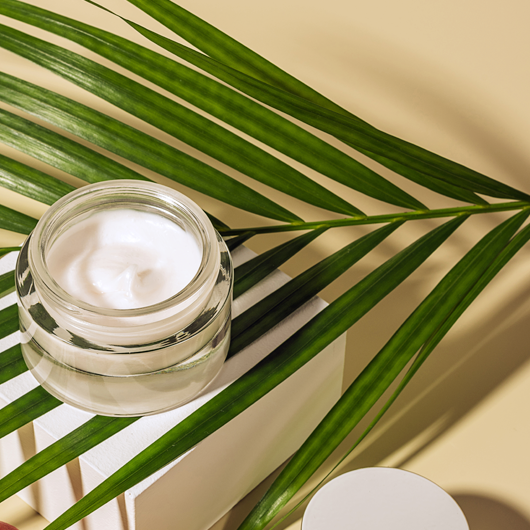


You're probably here because bottled lotion is getting old. It leaks into bags, leaves slippery caps on the counter, and often feels like more packaging than product. A lotion bar solves that neatly. You hold it in your hands, warm it with body heat, and apply exactly where you want that soft, polished finish.
Homemade bars also give you control. You choose the butter, the oil, the wax, the scent level, and the final feel on skin. That's what makes learning how to make lotion bars worth it. A simple formula gets you started, and small formulation choices let you shape the result into something that feels much more intentional.
Table of Contents
- Embrace the Beauty of Solid Moisturizers
- Gathering Your High-Quality Ingredients and Tools
- Your Step by Step Guide to Creating Lotion Bars
- Customize Your Bars for a Personalized Touch
- Achieve a Professional Finish with Proper Cooling and Storage
- Your Journey into DIY Skincare Creation
Embrace the Beauty of Solid Moisturizers
Solid moisturizers make sense when you want less clutter and more control. A lotion bar skips the pump, skips the spill-prone bottle, and gives you a concentrated, water-free product that glides on where you need it. For hands, elbows, legs, and any area that benefits from a richer finish, that format is hard to beat.
The appeal isn't only convenience. A good bar feels elegant. It softens on contact, leaves a satiny layer, and travels well in a tin or mold shape that feels more like a crafted cosmetic than a kitchen project. That's one reason many makers start with lotion bars and keep returning to them.
A second advantage is customization. You can build a firmer bar for warm rooms, a creamier bar for quick glide, or an unscented version if fragrance usually feels like too much. If you want a deeper primer on wax selection before mixing your first batch, Skin Perfection's guide to beeswax in cosmetics is a useful companion read.
A lotion bar works best when you treat it like a formula, not a craft project. Small choices in wax, butter, and oil change the feel dramatically.
What doesn't work is guessing. Random scoops, high heat, and last-minute substitutions usually lead to bars that are too soft, too draggy, or grainy after cooling. The good news is that the basic structure is forgiving when you respect the ratio and the process.
That's why experienced makers rely on a simple baseline first. Once that core bar feels right in your hands, customization becomes much easier and much more satisfying.
Gathering Your High-Quality Ingredients and Tools
A lotion bar only needs a few ingredients, so quality shows up fast. If the butter smells stale, the bar will smell stale. If the wax is harsh, the glide will feel harsh. Start with clean, fresh materials from suppliers that give you confidence in what you're using.

Know what each ingredient does
The classic formula is simple for a reason. The foundational recipe uses 33.3% by weight each of carrier oil, cosmetic butter, and beeswax, and maintaining that 1:1:1 ratio yields a solid product with a melting point between 45°C and 55°C, which helps it stay stable at room temperature while still applying easily on skin, as noted in Skin Perfection's guide to how to make lotion bars.
Here's how those three parts behave:
- Carrier oil gives slip. It controls how quickly the bar spreads and how rich or light the finish feels.
- Cosmetic butter gives body and cushion. Shea feels creamier, cocoa tends to feel firmer and brings its own natural aroma, and mango often feels drier and more refined.
- Beeswax gives structure. It's what turns a soft oil-and-butter blend into something you can hold in your hand.
For the oil phase, choosing by skin feel is smarter than choosing by trend. Skin Perfection's overview of the best carrier oils for skin is helpful if you're deciding between lighter and richer options.
If you're still building your stash, a straightforward source like Online Gifts Canada shea butter can be useful when you want a common butter that's easy to work with in first batches.
Choose tools that make consistency easier
You don't need a lab to make good lotion bars, but you do need a few tools that remove guesswork.
- Digital scale: Weighing by mass gives repeatable results.
- Double boiler: Gentle heat is easier on butters, waxes, and any aromatic additions.
- Heat-safe pouring cup or bowl: A spouted container makes cleaner pours.
- Silicone molds or tins: Easy release matters more than fancy shapes.
- Spatula or stirring utensil: Use one dedicated to DIY skincare if possible.
Practical rule: If you care about consistency, weigh everything. Volume can get you close, but mass gets you repeatable bars.
One note for advanced DIYers. Sodium Hyaluronate Powder Pure Hyaluronic Acid is a cosmetic-grade powder for making water-based serums and creams, with a stated molecular weight of 800-1500 Daltons and typical DIY use at 0.1–2% in those formulas. It's useful in a broader DIY routine, but it doesn't belong directly in a classic anhydrous lotion bar because lotion bars contain no water.
That distinction matters. Strong formulating comes from matching ingredients to the right system, not from forcing every active into every product.
Your Step by Step Guide to Creating Lotion Bars
Technique matters more than complexity. The formula is short, but the way you heat, stir, and pour determines whether your bars feel polished or homemade in the wrong way.

Start with setup, not heat
Measure your ingredients before the stove goes on. That sounds obvious, but it prevents the most common beginner scramble, where the wax is already melting and the molds are still in a drawer. A solid workflow is to weigh ingredients by mass, melt the wax phase first in a double boiler on low heat, and use a 1:1:1 by weight ratio of carrier oil, butter, and beeswax, as described by The Nerdy Farm Wife's lotion bar tutorial.
Set out your molds, line up any additives, and keep a clean cloth or paper towel nearby for drips. If you're experimenting with more traditional fats in other body products, Skin Perfection's article on what tallow is is a useful separate read, but for a beginner lotion bar, the classic oil-butter-wax structure is easier to control.
Melt gently and pay attention to cues
Put your beeswax into the double boiler first, then add the butter. Add the liquid oil once the solids are nearly melted, or after everything has liquefied if that feels easier to manage. Keep the heat low. Stir often enough to keep the mixture even, but don't whip air into it.
You're looking for a fully clear liquid with no wax pellets and no softened butter fragments clinging to the sides. If the mixture looks cloudy from unmelted bits, it isn't ready.
The main failure mode here is overheating. That same source notes that too much heat can accelerate rancidity and degrade valuable ingredients. In practice, this means patience beats speed. A low, steady melt produces a cleaner bar than chasing a quick boil.
If the mixture is steaming hard or the bowl is too hot to handle safely with protection, you're using more heat than you need.
When everything is fluid, remove the vessel from heat. Stir in any heat-sensitive additions at that point, not while the mixture is actively heating.
Pour while fluid, then leave them alone
Pour immediately once the batch is smooth and uniform. Lotion bar mixtures start setting at the edges first, especially in cooler rooms, so delaying the pour often creates uneven texture or partial solidification in the pitcher.
A clean pour makes a visible difference. Fill molds evenly, tap them lightly only if needed, and resist the urge to keep fussing with the surface. Most bars look better when you let the formula settle on its own.
A practical baseline recipe can stay very simple:
- One part carrier oil
- One part cosmetic butter
- One part beeswax
- Optional scent or oil-soluble additive after removing from heat
That's the workflow I trust for repeatability. Once you can make a smooth, firm, easy-glide bar on command, you're ready to adjust the aesthetic details without losing the structure.
Customize Your Bars for a Personalized Touch
Customization is where lotion bars become your formula instead of just a formula. The smartest way to personalize them is to change one variable at a time. Swap the butter first. Then test a different oil. Then explore wax alternatives or aroma. That approach teaches you what changed the bar.

Choose your texture before you choose your scent
Fragrance is often the first consideration. Formulators think about payoff on skin first.
If you want a bar that feels plush and richer, lean toward shea or avocado oil. If you want a cleaner, quicker finish, mango butter or grapeseed oil often feels more elegant. Cocoa butter gives firmness and a naturally chocolate-like scent that can shape the whole sensory profile of the bar without extra fragrance.
For vegan bars, candelilla wax is the common beeswax replacement. It creates a different feel, so expect to test and adjust rather than assume a one-to-one sensory match. If you're comparing plant wax options more broadly, Skin Perfection's article on what carnauba wax is is a helpful reference point.
Choosing Your Butters and Oils
| Ingredient | Best For | Feel on Skin |
|---|---|---|
| Shea butter | A creamier, cushiony bar | Rich, soft, slightly dense |
| Cocoa butter | A firmer bar with natural aroma | Structured, velvety |
| Mango butter | A more polished glide | Smooth, less heavy |
| Grapeseed oil | A lighter finish | Silky, quicker-absorbing feel |
| Sweet almond oil | Balanced everyday use | Soft, classic slip |
| Avocado oil | A fuller, more substantial feel | Rich, conditioning |
The fastest way to improve a lotion bar is to match the oil to the finish you want, not to the ingredient that sounds most luxurious on paper.
Add sophistication without overcomplicating the bar
Once the base feels right, you can add extras carefully. In a lotion bar, simplicity usually wins. Too many additions can interfere with structure, leave grit, or create inconsistent glide.
Verified formulation guidance supports keeping essential oils or fragrance compounds around 2% of total batch weight, with optional additives like arrowroot starch or vitamin E typically in the 0.5% to 1% range by weight. In plain terms, keep aroma restrained and use powder or antioxidant additions with a light hand.
A few practical options:
- Vitamin E: Often used in small amounts in oil-based products.
- Arrowroot starch: Can reduce the heavy, waxy feel if stirred in carefully.
- Oil-soluble peptides: Suitable only if the ingredient is specifically designed for anhydrous or oil-compatible systems.
- Botanical infusion: Best kept subtle so the bar stays smooth and stable.
If you want to pair a simple body bar with a more active water-based or leave-on facial product, a ready-made option like HydroGlow Anti-Aging Night Mask fits that role differently. It contains three types of hyaluronic acid, polyglutamic acid, sea silt ferment, algae extract, jojoba, squalane, aloe, glycerin, and triglycerides in a vegan formula. That kind of product belongs in a separate facial routine, not inside a classic solid lotion bar.
What doesn't work well in bars is tossing in water-based actives, random powders, or decorative botanicals without considering texture. Dried petals on top can look pretty, but anything bulky or damp can interfere with a smooth surface or clean application.
Achieve a Professional Finish with Proper Cooling and Storage
The last stage decides whether your bars look tidy and release cleanly, or come out marked, crumbly, or uneven. Cooling sounds passive, but it's one of the most active quality-control steps in the process.

Cooling affects appearance more than most beginners expect
For process control, small batches often set in about 20 to 30 minutes at room temperature, while refrigeration can shorten unmolding to about 10 to 20 minutes, as noted in Wellness Mama's lotion bar guide. That quicker chill can help when you're short on time, but it may also increase surface defects if the mixture wasn't fully blended before pouring.
Use molds that release without force. Silicone is the easiest choice because it flexes. Rigid containers can work, but they make beginners pry at edges too early, which causes chips and cracks.
A few problems show up again and again:
- Crumbly edges: Usually from unmolding before the bar is fully set.
- Poor mold release: Often caused by using a container that can't flex.
- Powder clumps: Usually from adding arrowroot or similar powders too fast.
- Uneven tops: Common when the batch starts setting before the pour is finished.
Wait until the bar is fully cool. Most unmolding damage comes from impatience, not from the formula.
Another important control point is additive timing. The manufacturing process often uses a double boiler with 2 to 3 inches of water to gently heat the mixture to 70°C to 80°C, and essential oils are best added only after the mixture cools below 65°C. Because the bars are 0% water, they're resistant to microbial growth and have a shelf life of 3 months to 1 year when stored in cool, dry conditions. Those specifications are summarized in Skin Perfection's article on how to make lotion bars, cited earlier.
Storage is simple because the formula is water-free
Storage is mostly about protecting the bar from heat, dust, and repeated handling. Keep finished bars in tins, paperboard push-up containers, or wrapped for drawer storage. If you're comparing packaging formats, Skin Perfection's guide to containers for lotion can help you choose between practical options.
Good storage habits are straightforward:
- Keep them cool: Warm rooms soften bars and blur sharp edges.
- Keep them dry: Water on the surface isn't part of the formula and can make the bar messy in use.
- Store individually if scented: Strong aromas can migrate between products.
- Label test batches: Record butter, oil, wax, and any additive changes so you can repeat the bars you like.
If a bar feels too soft in use, your next batch needs more structure. If it drags across skin, it likely needs less wax or a more fluid oil choice. The finish tells you what to change.
Your Journey into DIY Skincare Creation
Making lotion bars is one of the most satisfying entry points into DIY skincare because the formula is simple, but the results can feel polished fast. You aren't just melting ingredients together. You're learning how texture, glide, firmness, aroma, and finish all respond to formulation choices.
That skill carries over. Once you can build a reliable bar, you start noticing why one butter feels cleaner than another, why low heat matters, and why a tiny tweak can change the whole user experience. That's the difference between following a recipe and true formulating.
Keep your first batch simple. Test it. Change one thing at a time. That's how you build a bar that fits your preferences instead of chasing someone else's version.
If you want ingredients, supplies, and educational resources for thoughtful DIY skincare, Skin Perfection offers both finished products and formulation-focused options for makers who want more control over what they create.