

 Buy with Prime
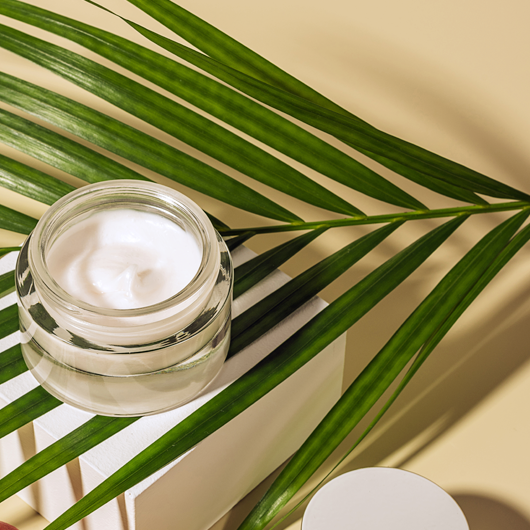


natural cosmetics
I talk to women who want cleaner skincare but fear that “natural” means watered down. Natural cosmetics can be thoughtfully preserved, botanically rich, and scientifically active when formulas follow defined standards instead of attractive language alone.
Key Takeaways
- German natural cosmetics prove that clean formulations can deliver real results through rigorous standards and botanical science.
- Thoughtful preservation methods keep natural ingredients stable and effective without sacrificing safety or shelf life.
- Active plant compounds in German skincare are selected for their proven ability to support skin health, not just for marketing appeal.
- True natural cosmetics rely on defined regulations and clinical testing, not vague claims, to ensure each ingredient serves a purpose.
- Consumers can trust that well-formulated natural products offer the same potency as conventional options when backed by transparent science.
Evaluate products by checking certification, ingredient order, preservation, active concentration, and testing claims. German formulation traditions provide a useful benchmark by joining plant knowledge with strict quality control and cosmetic science.
Unveiling Natural Cosmetics: Beyond the Buzzwords
Natural cosmetics are not defined by one ingredient or marketing color. A credible formula identifies botanical, mineral, or biotechnology-derived materials, uses an appropriate preservation system, and follows a recognized standard when certification is claimed. In the European market, NATRUE separates products into natural cosmetics, natural cosmetics with an organic portion of at least 70%, and organic cosmetics with at least 95% organic content.
What “Natural” Truly Means: Defining Standards and Certifications
No single worldwide legal definition makes every product labeled “natural” equivalent. Standards such as NATRUE and BDIH set rules for permitted ingredients, manufacturing methods, fragrance materials, mineral oils, silicones, and organic content. The European Union maintains broad cosmetic safety requirements, including ingredient restrictions and responsible-person obligations. For shoppers, the practical test is a full ingredient list, traceable certification, and clear preservation information.
- Natural cosmetics
- Products made primarily from naturally sourced materials, with permitted processing and defined formulation requirements.
- Organic cosmetics
- Products meeting a higher threshold for certified organic agricultural ingredients under the applicable standard.
- Clean formulation
- A product development philosophy focused on ingredient transparency, responsible sourcing, safety, and purposeful performance.
The German Skincare Heritage: Precision, Purity, and Botanical Mastery
German skincare developed through medicinal plants, biodynamic agriculture, pharmacy, and exacting manufacturing. Dr. Hauschka and Weleda helped establish biodynamic farming and clean formulation practices in Germany decades ago, building a tradition that later influenced standards such as NATRUE. Plant extracts are not interchangeable: harvest timing, extraction method, batch quality, solvent choice, and storage can affect composition and skin feel.
Why German Brands Set the Gold Standard in Natural Formulations
German skin care brands are respected for pairing botanical expertise with regulatory discipline. Research cited by the European cosmetics sector notes that more than 1,600 cosmetic ingredients are banned or restricted in the European Union, compared with approximately 30 restricted by the U.S. FDA. This does not make every European formula perfect, but it shows why European compliance is viewed as a demanding safety benchmark. Strong formulas also consider pH, oxidation, microbial control, skin barrier function, and measurable active performance.
Decoding the “Clean” Science: Natural Preservation Meets High-Performance Actives

The Challenge of Preservation: Safely Battling Spoilage Without Harsh Synthetics
Any water-based cream, lotion, shampoo, or serum can support bacteria, yeast, or mold without adequate protection. Preservation is not optional, even in an organic formula. The system must suit the product’s pH, packaging, water activity, and expected use. A clean formula may combine organic acids, fermentation-derived materials, chelators, air-restrictive packaging, and validated manufacturing controls rather than omitting preservation.
GSB Natural Preservative Powder is a broad-spectrum, natural preservative blend consisting of gluconolactone and sodium benzoate. Gluconolactone comes from corn via microbial fermentation, while sodium benzoate is the food-grade sodium salt of benzoic acid. The blend is water soluble, designed for the water phase, and typically used at 0.75-2% within a pH range of 3 to 6, with best performance around pH 5.4-5.5. Finished formulas still require appropriate testing and manufacturing controls.
Nature’s Pharmacy: Key Botanical Ingredients and Their Proven Benefits
Aloe contributes water-based hydration and a soothing skin feel. Green tea supplies polyphenols that help defend against oxidative stress. Calendula and chamomile are valued for comforting properties, while rosehip and jojoba oils support softness through fatty acids and emollience. Judge these materials by extraction quality, concentration, stability, and formula compatibility; a plant name does not show whether it appears at a meaningful level.
- Gluconolactone: A gentle polyhydroxy acid that also offers moisturizing properties.
- Polyphenols: Antioxidant compounds found in many leaves, fruits, and seeds.
- Botanical oils: Lipid-rich emollients that help reduce rough-feeling dryness.
Dermatologist-Strength Peptides and Stem Cells: Unlocking Visible Anti-Aging Results
Botanicals support the skin’s surface and environment, while peptides address another part of formulation. These short amino-acid chains act as signaling ingredients, helping support the look of firmness, elasticity, and smoother texture. Cosmetic stem cell extracts are plant-derived materials offering conditioning and antioxidant support; they are not human stem cells and do not replace medical procedures. Visible wrinkle reduction depends on the complete formula, consistent use, skin biology, and realistic expectations. High-potency actives need a stable vehicle, not token placement near the end of an ingredient list.
Skin Perfection’s Approach: Combining Potency with Purity
Skin Perfection treats clean beauty as a formulation discipline. The goal is to pair concentrated peptide blends with botanical bases, thoughtful preservation, and clear ingredient communication while considering delivery system, pH, texture, compatibility, and dosage together. A serum can feel elegant while supporting the appearance of collagen, hydration, and tone.
GSB Natural Preservative Powder is ECOCERT/COSMOS-accepted, approved for certified organic cosmetics, non-GMO for its gluconolactone component, GRAS, and compliant with Whole Foods and European REACH regulations. It extends the shelf life of lotions, creams, shampoos, conditioners, and sunscreens by preventing microbial spoilage. Used correctly, preservation helps botanical extracts and peptide actives remain part of a dependable daily ritual.
Navigating Certifications: From NATRUE to EWG VERIFIED
Certification offers a practical way to examine natural cosmetics beyond front-label promises. A seal cannot guarantee that every product suits your skin or delivers a specific result, but it can show that an independent standard addresses sourcing, processing, restricted ingredients, manufacturing, or disclosure. Verify the certification’s scope, then review the full ingredient list. This separates defined requirements from claims such as “green,” “pure,” or “clean.”
Understanding Key Natural and Organic Certifications: NATRUE, BDIH, and COSMOS
NATRUE defines natural and organic personal care through ingredient and production criteria. Its framework distinguishes natural cosmetics, natural cosmetics with an organic portion of at least 70%, and organic cosmetics with at least 95% organic content. BDIH emerged from German natural product standards and addresses permitted raw materials, responsible manufacturing, and environmental considerations. COSMOS provides a harmonized European framework covering organic and natural cosmetics, including ingredient origin, processing, packaging, and verification.
These standards do not make every botanical gentle. Essential oils can be fragrant and sensitizing, and naturally sourced materials still require stability, purity, and skin-compatibility review. Look for the certifier’s name, certification status, organic percentage where provided, and complete INCI list rather than relying on a decorative leaf symbol.
The EWG VERIFIED™ Standard: A U.S. Perspective on Clean and Safe
EWG VERIFIED™ offers a U.S.-recognized screening framework focused on ingredient transparency, restricted substances, manufacturing disclosure, and avoidance of ingredients that raise defined health or environmental concerns under its standard. It is not identical to organic certification. A product may meet EWG VERIFIED™ criteria without being certified organic, while an organically certified product may follow different requirements. Treat the seal as evidence, not a replacement for formulation details.
For a water-based formula, preservation deserves attention. GSB Natural Preservative Powder is ECOCERT/COSMOS-accepted, approved for certified organic cosmetics, and made with gluconolactone and sodium benzoate. GSB Natural Preservative Powder provides broad-spectrum antimicrobial protection against bacteria, yeast, and mold through the synergy of its two components. Performance depends on correct pH, dosage, packaging, sanitation, and finished-product testing.
Comparing the Standards: What Matters Most for Your Skin and Values
The right standard depends on the question you want answered. NATRUE and COSMOS emphasize natural or organic origin and permitted processing. BDIH reflects German natural-product principles. EWG VERIFIED™ centers on ingredient disclosure and screening within its U.S. clean-product framework. No seal replaces personal skin assessment, sunscreen use, patch testing, or professional advice for persistent concerns.
| Standard | Primary focus | What to check |
|---|---|---|
| NATRUE | Defined natural and organic cosmetic categories | Certification level and organic portion |
| BDIH | German natural-product formulation principles | Permitted materials and certification mark |
| COSMOS | Harmonized European natural and organic requirements | Natural or organic designation and certifier |
| EWG VERIFIED™ | Ingredient transparency and defined clean-screening criteria | Full ingredient disclosure and product verification |
Spotting Greenwashing: How to Identify Truly Clean Brands
Greenwashing can appear as self-created seals, nature photography, “chemical-free” language, or one plant extract used to suggest that an entire formula is botanical. No cosmetic product is chemical-free: water, peptides, oils, and plant compounds are all chemicals. A credible label identifies the certifying organization, lists ingredients in INCI format, explains organic content, and names the preservation approach. Check whether claims describe cosmetic results, such as smoother-looking skin, rather than medical promises.
Apply the same scrutiny to performance claims. Certification does not prove wrinkle reduction. Seek specific active names, sensible concentrations, stable packaging, and realistic directions. Transparent formulas can offer clean sourcing without watered-down performance or the assumption that every synthetic material is unsafe.
Beyond Surface Beauty: Restorative Skincare for Lasting Radiance
Natural cosmetics can combine botanical purity with visible performance. Skin health depends on barrier support, hydration, antioxidant defense, and selected actives working together. Plant oils, fermented ingredients, mineral pigments, and biotechnology-derived peptides can fit a thoughtful clean standard. Ask whether each ingredient is safe, stable, purposeful, and present at a level that supports the stated cosmetic benefit.
The False Dichotomy: Why “Natural” Doesn’t Mean “Ineffective,” and “Synthetic” Isn’t Always “Bad”
“Natural” and “synthetic” describe origin, not guaranteed results. A botanical extract may be well sourced yet unstable, irritating, or too diluted to affect the look of skin. A laboratory-created peptide may be purified, consistent from batch to batch, and designed to support the appearance of firmness. Safe preservation also matters: an under-preserved formula can suffer microbial spoilage and compromise user safety.
Look for formulation logic rather than fear-based language. Aloe, glycerin, ceramides, seed oils, polyhydroxy acids, antioxidants, and peptides can each serve a different role. Their value depends on concentration, pH, packaging, compatibility, and testing. Chemistry includes every ingredient, including those sourced from plants.
Countering Invasive Beauty Trends: A Focus on Skin Health and Authentic Features
Healthy-looking skin does not require an overfilled appearance or a routine built around insecurity. Invasive procedures have a place in informed medical care, yet many people prefer gradual improvement that respects facial movement and individual features. Restorative skincare focuses on even tone, supple texture, comfortable hydration, and a supported appearance.
Heavy coverage can settle into pores and fine lines, making texture more visible under changing light. A well-prepared skin surface may need less product. Gentle cleansing, barrier-supportive moisture, daily broad-spectrum sunscreen, and targeted actives can create a smoother makeup base without disguising the face.
Building a Clean, High-Performance Routine for Visible Firming and Wrinkle Reduction
Visible firming requires consistency more than a crowded shelf. Start with a mild cleanser, apply hydration suited to your skin type, then use a serum with clearly identified peptides or other studied actives. Seal in moisture with a barrier-supportive cream, and use broad-spectrum SPF 30 or higher during the day. Introduce one new active at a time, patch test when appropriate, and allow several weeks before judging texture or fine-line changes.
The Skin Perfection Difference: Elevating Your At-Home Rituals
Skin Perfection approaches at-home care as cosmetic science made approachable. Concentrated peptide blends are paired with botanical bases and purposeful textures, with attention to ingredient order, active stability, pH, preservation, and layering with moisturizer or sunscreen. The aim is a smoother-looking, glowing complexion supported by repeatable habits, not an overnight promise.
For creators developing water-based creams, lotions, or serums, GSB Natural Preservative Powder offers a plant-derived preservation option consisting of gluconolactone and sodium benzoate. GSB Natural Preservative Powder is typically used at 0.75% to 2% within a pH range of 3 to 6, with finished-formula testing and proper manufacturing controls still required. When preservation and high-performance actives are considered together, natural cosmetics can support a credible path to lasting radiance.
Frequently Asked Questions
What are natural cosmetic products?
Natural cosmetic products are personal-care formulas made primarily with naturally sourced botanical, mineral, or biotechnology-derived materials under defined processing and safety requirements. Natural cosmetics may still need preservation, stability testing, and careful formulation, especially when they contain water. A transparent ingredient list and credible certification offer better guidance than packaging colors or broad marketing language.
What is the healthiest makeup brand?
The healthiest makeup brand is one that discloses ingredients, follows recognized safety standards, and matches your skin’s needs rather than relying on the word “natural” alone. Look for clear labeling, appropriate preservation, responsible manufacturing, and testing information. A certified natural or organic standard can provide useful structure, but no single brand is healthiest for every person.
Which is the best natural makeup brand?
The best natural makeup brand is the one with transparent ingredients, reliable quality controls, and products that suit your skin and preferences. Compare certification, ingredient order, fragrance materials, preservation, and performance testing before choosing. German and European formulation traditions can be useful benchmarks because they pair botanical knowledge with detailed cosmetic safety requirements.
What’s the best natural skin care brand?
The best natural skin care brand is one that combines meaningful botanical ingredients with sound cosmetic science, suitable preservation, and honest claims. Review the full ingredient list, certification details, active placement, packaging, and testing information. Aloe, green tea, calendula, chamomile, rosehip, and jojoba can support different cosmetic goals, but formula quality matters more than a plant name alone.
What is the best non-toxic makeup foundation?
The best non-toxic makeup foundation is a well-labeled foundation with ingredients you understand, appropriate quality controls, and a finish that suits your skin. “Non-toxic” has no single universal definition, so assess the full ingredient list and any recognized certification rather than trusting a self-created seal. Skin compatibility and consistent wear also matter in a natural makeup choice.
How can natural cosmetics stay fresh without harsh preservatives?
Natural cosmetics stay fresh through a preservation system selected for the formula’s pH, packaging, water activity, and intended use. Options may include organic acids, fermentation-derived materials, chelators, air-restrictive packaging, and validated manufacturing controls. Water-based products still require microbial protection and appropriate testing, even when their ingredients are botanical or certified organic.