

 Buy with Prime
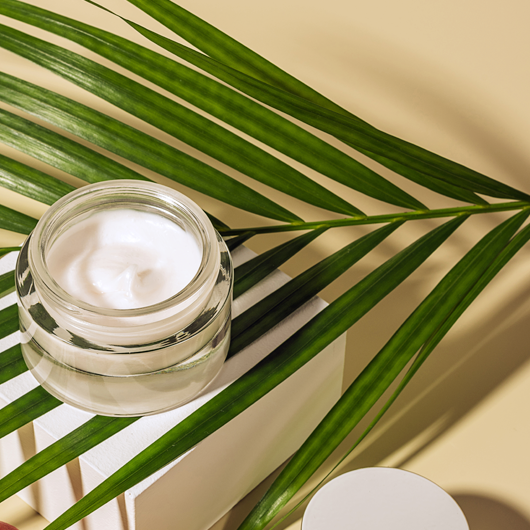


2.5% Retinol Moisturizer guide
What Is a 2.5% Retinol Moisturizer and Why Choose It?
Most retinol content stops at vague potency talk. Here's the direct answer: 2.5% is a high-potency concentration that supports cell turnover and collagen production, visibly reducing the look of wrinkles--no prescription required. This 2.5% Retinol Moisturizer guide walks you through exactly what this strength does, who it's for, and how to use it without unnecessary irritation.
Understanding Retinol Potency Levels
Retinol concentrations typically range from 0.025% to 2.5%. Lower percentages suit maintenance and first-time users; 2.5% sits at the top of what's available over the counter. The difference isn't just numbers. At this concentration, retinol converts within the skin to retinoic acid, which binds to receptors governing collagen synthesis and surface renewal speed. That biochemical process is what separates a maintenance product from a visible-results product.
| Concentration | Best For | Visible Results Timeline |
|---|---|---|
| 0.025%-0.1% | First-time users, sensitive skin | 12-16 weeks |
| 0.3%-1% | Moderate concerns, intermediate users | 8-12 weeks |
| 2.5% | Advanced anti-aging, texture correction | 4-8 weeks |
Key Benefits for Anti-Aging and Skin Texture
At 2.5%, retinol supports four distinct, visible outcomes: accelerated cell turnover that helps fade the look of discoloration; collagen support that improves perceived firmness; softened fine lines through structural skin changes; and a refined pore appearance as overall texture improves. These aren't surface-level adjustments. They reflect genuine biological activity happening beneath the skin--which is exactly why consistency matters more than any single application.
The Skin Perfection Difference: Clean, High-Potency Formulation
Many high-potency retinol products rely on synthetic fillers and chemical stabilizers that can compromise the feel of the formula--sometimes making a lower-percentage product more irritating than this one. Skin Perfection's 2.5% Retinol Moisturizer is EWG Verified, a meaningful signal of ingredient safety and transparency. The retinol is stabilized in a botanical base rather than a water-heavy carrier, which supports comfortable use and helps reduce the irritation often tied to high-strength formulas. You don't have to choose between serious results and clean beauty values. You can have both.
Is 2.5% Retinol Safe for Beginners? Assessing Your Skin Type
Beginners vs. Experienced Users: What Actually Matters
Experienced retinol users typically transition to 2.5% with a predictable adjustment window. Beginners can also use this strength--the key isn't your history with retinol, it's how you introduce it. Starting with once-weekly application and building tolerance across four to six weeks gives your skin time to acclimate regardless of where you're starting from. The quality of the formula surrounding the active ingredient also shapes how your skin responds, often more than the concentration alone.
Is 2.5% Retinol Right for You?
Ideal Candidates
- Normal to oily skin with an established hydration routine
- Combination skin targeting visible aging and enlarged-looking pores
- Mature skin with noticeable texture or firmness concerns
- Anyone who has used lower-strength retinol without irritation
Proceed with Caution
- Dry or sensitized skin without a buffering moisturizer strategy
- Rosacea-prone skin (consult a dermatologist first)
- Pregnant or nursing individuals (retinoids are often not recommended; ask a clinician)
- Active eczema or a compromised skin barrier
The Truth About Strength and Sensitivity
Higher concentration does not automatically mean more irritation. A 2.5% retinol cream in a botanical-rich, hydrating base may feel more comfortable than a lower-percentage retinol in an alcohol-heavy gel. Formulation and delivery system shape your skin's actual experience far more than the percentage printed on the label. So when you're evaluating products, look past the number. What surrounds the active ingredient matters just as much as the ingredient itself.
How to Use 2.5% Retinol Moisturizer: Step-by-Step Guide
Frequency, Timing, and Building Tolerance
Retinol breaks down with UV exposure, so nighttime application is non-negotiable. Start with once weekly for two weeks, then move to twice weekly for another two weeks, then every other night. Many skin types reach nightly use by week eight. Rushing this progression is the most common mistake--it causes unnecessary irritation without accelerating results.
- Cleanse with a gentle, sulfate-free cleanser and pat skin completely dry. Consider pairing with our Alpha Hydroxy Probiotic Cleanser for gentle yet effective cleansing.
- Wait two full minutes. Applying retinol to damp skin increases absorption and raises irritation risk.
- Apply a pea-sized amount to the face, avoiding the eye area and lip line.
- Follow with a hydrating moisturizer to buffer and seal. Our Sodium Hyaluronate Powder mixed into your moisturizer is an excellent way to boost skin hydration at this step.
- Apply broad-spectrum SPF 30 or higher every morning. Every single morning.
Layering with Peptides, Antioxidants, and Hydrators
Retinol and peptides work through distinct signaling pathways--which means they complement rather than compete. Apply water-based antioxidant serums before retinol on nights you use them. Niacinamide is a strong companion ingredient because it supports the skin barrier and can reduce early-week dryness without interfering with retinol's activity. Our Syn-Coll Peptide Serum Booster is worth integrating for anyone targeting visible firming alongside texture improvement.
The "sandwich method" for sensitive skin: Apply a thin layer of plain moisturizer before the 2.5% retinol moisturizer, then seal with another layer on top. This slows absorption and can reduce early irritation while still supporting results.
Pairing with LED Therapy for Advanced Results
Red LED light therapy--typically studied at wavelengths between 630 and 700 nanometers--is associated with supporting skin recovery and firmness at the cellular level. Rather than stacking stimulation in a single evening, use LED therapy on non-retinol nights. Alternating between retinol one night and red light the next is a practical at-home protocol for those who already tolerate retinol well. Our Derma Rescue LED Microcurrent device pairs well with this approach.
Side Effects of 2.5% Retinol and How to Minimize Them
Dryness, Purging, and Sun Sensitivity: What's Normal
Three responses are common with high-potency retinol. First, temporary dryness and flaking as cellular turnover increases. Second, purging--a short-term rise in breakouts as existing congestion surfaces faster than usual. This typically improves within four to six weeks, though individual timelines vary. Third, increased sun sensitivity, which makes daily SPF non-negotiable rather than optional. If any of these symptoms feel severe, scale back frequency and consider professional guidance. For detailed research on retinol side effects and clinical management, see this peer-reviewed overview from the National Library of Medicine.
How Skin Perfection's Botanical Base Supports Comfort
Formulation context is what separates a tolerable high-strength retinol from one that drives people to quit. Skin Perfection's botanical base actively supports the skin barrier between applications--plant-derived ingredients help offset the dryness that shows up early in retinol use. That's why two products at the same 2.5% concentration can produce very different skin experiences. The active ingredient is the same; everything around it is not.
Week-by-Week: What to Expect
Weeks 1-2: Possible mild flaking and tightness as your skin adjusts. Weeks 3-4: Purging may peak, then begin to ease. Weeks 5-6: Texture often starts to look smoother. Week 8: Fine lines can appear softer and tone more even. Week 12: Firmer-looking skin and improved contour become more noticeable. Consistency through the early weeks is what gets you to week twelve. This progression aligns with clinical observations documented in published retinol efficacy research from the National Library of Medicine.
Real Results Timeline and Next Steps for Youthful Radiance
Weeks 4 Through 12: What Consistent Use Actually Looks Like
By week four, many users notice smoother-looking texture and a more even complexion. By week eight, the look of discoloration tends to fade and pores may appear smaller. Around twelve weeks, the longer-term benefits become clearer: firmer-looking contours, a softened look to crow's feet, and a healthy glow that reflects ongoing renewal rather than temporary hydration. I've seen this arc play out consistently--the readers who push through the early adjustment period are almost always the ones who report the most dramatic visible changes. Clinical evidence on retinol's effect on crow's feet and skin texture is documented in this peer-reviewed JAMA Dermatology study.
Building Your Full Routine Around the 2.5% Retinol Moisturizer
Retinol does its renewal work at night; peptides can support ongoing firming and smoothing during the day. A morning peptide serum paired with evening retinol gives your skin active support around the clock. Try combining with the Peptide Fusion Anti Aging Collagen Serum as your daytime complement. It's a direct, two-step path to the visible, age-defying changes a consistent retinol routine can deliver.
When to Adjust Your Approach or See a Professional
If redness continues beyond week three, or if your skin barrier shows signs of compromise--stinging from plain water is a clear signal--pause application for one week. Spend that week focused on barrier repair with gentle hydrators before reintroducing retinol at a lower frequency. A board-certified dermatologist can assess whether prescription tretinoin is appropriate for your specific concerns. That said, many people achieve strong cosmetic results with over-the-counter retinol at this concentration when they stay consistent and protect their skin with daily SPF.
Frequently Asked Questions
Is 2.5 percent retinol strong?
Absolutely, 2.5% retinol is considered a high-potency, results-driven concentration. It is among the highest over-the-counter strengths available, actively signaling your skin to renew more quickly. This strength supports cell turnover and collagen production, visibly reducing the look of wrinkles without a prescription.
What is the recommended way to introduce 2.5% retinol into my routine?
We recommend a graduated approach to build your skin's tolerance. Begin by applying it once weekly for two weeks, then increase to twice weekly for another two weeks. After that, you can transition to every other night, with many skin types comfortably reaching nightly use by about week eight.
Can I use 2.5 retinol everyday?
While many skin types can eventually reach nightly use, it is best to build tolerance gradually. Start with once-weekly application and slowly increase frequency over several weeks. Your skin's unique response will guide you to consistent nightly use, often around week eight.
What does 2.5 retinol do for your skin?
At 2.5% concentration, retinol works to support faster cell turnover, which helps fade the look of discoloration. It also supports collagen to improve the look of firmness, softens fine lines through improved skin structure, and refines the look of pores as overall texture improves. These are not just surface-level changes, but a renewal of your skin over time.
Is 2.5% Retinol Moisturizer right for my skin type?
This strength is ideal for those with normal to oily skin who have an established hydration routine, or combination skin targeting visible aging and enlarged-looking pores. It is also well-suited for mature skin with noticeable texture or firmness concerns, and anyone who has used lower-strength retinol without irritation.
What are the application steps for 2.5% Retinol Moisturizer?
First, cleanse your skin with a gentle, sulfate-free cleanser and pat it completely dry. Wait two full minutes before applying a pea-sized amount to your face, carefully avoiding the eye area and lip line. Always follow with a hydrating moisturizer to buffer and seal, and remember broad-spectrum SPF 30 or higher every morning.