

 Buy with Prime
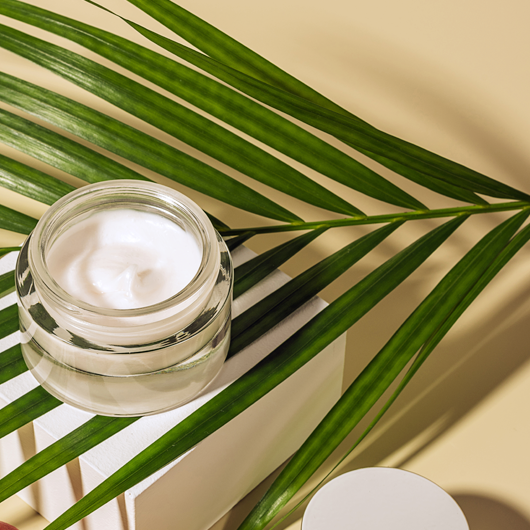


how to naturally boost collagen in mature skin
Unlock Your Skin's Youthful Potential: The Science of Naturally Boosting Collagen in Mature Skin
You can naturally boost collagen in mature skin through targeted nutrition, scientifically proven topical peptides, and lifestyle modifications that support your body's natural regeneration process. The most effective approach combines collagen-building nutrients like vitamin C and amino acids with clinically tested peptides that signal your skin to produce more collagen, similar to what occurred when you were younger.
Understanding Collagen: The Foundation of Youthful Skin
Collagen is your skin's structural protein, forming the scaffolding that keeps your complexion firm, smooth, and resilient. This remarkable protein makes up approximately 75% of your skin's dry weight, working alongside elastin and hyaluronic acid to create that supple, radiant complexion you remember from your twenties.
When collagen levels are optimal, your skin naturally resists sagging and recovers quickly from daily environmental stressors. The beauty of this process? Your body already knows how to make this anti-aging powerhouse.
Why Collagen Declines in Mature Skin
Starting in your mid-twenties, your natural collagen production decreases by approximately 1% each year. This gradual decline accelerates during hormonal changes, particularly during menopause when estrogen levels drop significantly. Environmental factors like UV exposure, pollution, and oxidative stress further compromise your skin's ability to maintain healthy collagen levels.
Here's the exciting news: your skin cells retain their ability to produce collagen throughout your lifetime. Modern science has identified specific peptides and botanical compounds that can effectively communicate with your cells to stimulate renewed collagen synthesis.
The Skin Perfection Philosophy: Nature-Powered, Science-Backed
At Skin Perfection, we reject the false choice between natural purity and clinical effectiveness. Our approach combines the potency of clinically proven peptides with the integrity of EWG VERIFIED formulations. We use maximum concentrations of collagen-stimulating ingredients like Matrixyl Synthe-6 and Argireline, blended into organic aloe bases rather than plain water.
The Skin Perfection Difference: While conventional creams simply hydrate the surface, our scientifically formulated peptides actually "talk" to your cells, signaling them to produce more collagen naturally. This approach helps you achieve professional, dermatologist-strength results with complete ingredient transparency.
Nourish from Within: Your Ultimate Guide to Collagen-Boosting Foods
The Building Blocks: Essential Amino Acids and Their Sources
Collagen synthesis requires specific amino acids, particularly glycine, proline, and hydroxyproline. Bone broth provides these in highly bioavailable form, while grass-fed meats, wild-caught fish, and pastured eggs offer complete protein profiles that support collagen production.
Plant lovers aren't left out. Spirulina, hemp seeds, and legumes contribute essential amino acids too. Just combine different protein sources throughout the day to give your skin all the building blocks it craves.
The Power Players: Vitamins and Minerals for Synthesis
Vitamin C acts as a cofactor in collagen synthesis. Your body literally can't produce collagen without adequate levels. While citrus fruits, berries, and leafy greens provide this antioxidant vitamin, many people benefit from supplemental support. Zinc, copper, and silica also play crucial roles in collagen formation and cross-linking.
| Nutrient | Role in Collagen | Best Food Sources | Daily Target |
|---|---|---|---|
| Vitamin C | Essential cofactor for synthesis | Camu camu, acerola, citrus | 1,000 mg+ |
| Zinc | Protein synthesis support | Oysters, pumpkin seeds | 15-30 mg |
| Copper | Cross-linking formation | Organ meats, dark chocolate | 2-3 mg |
| Silica | Structural integrity | Horsetail, bamboo extract | 20-30 mg |
Superfoods for Supple Skin
Wild blueberries deliver anthocyanins that help protect existing collagen from breakdown, while avocados provide healthy fats needed for nutrient absorption. Leafy greens like kale and spinach offer vitamin C, folate, and chlorophyll that support cellular regeneration.
Foods to Limit: Collagen's Silent Saboteurs
Sugar accelerates glycation, a process that damages collagen fibers and creates advanced glycation end products (AGEs). Processed foods high in trans fats promote inflammation that breaks down existing collagen. Excessive alcohol depletes vitamin C and other nutrients needed for collagen synthesis, while also dehydrating skin cells.
Beyond Diet: Topical Innovations for Collagen Regeneration
The Peptide Revolution
Peptides are short chains of amino acids that act as cellular messengers, signaling your skin to increase collagen production. When you apply peptides topically, they penetrate the skin barrier and communicate directly with fibroblasts. The cells responsible for manufacturing collagen.
Skin Perfection's peptide technology harnesses this cellular communication, delivering concentrated Matrixyl Synthe-6 and Argireline to stimulate natural collagen synthesis. These clinically proven peptides work synergistically to firm sagging skin and smooth fine lines by reactivating your skin's youthful regeneration process.
Vitamin C: The Antioxidant Champion
Topical vitamin C provides direct support for collagen production while protecting existing collagen from free radical damage. L-ascorbic acid is the most potent form, though it requires careful formulation to maintain stability. Look for vitamin C serums that use organic aloe as a base rather than water, since this provides additional nutrients and better ingredient stability.
Retinoids: Supporting Deeper Collagen Production (Safely!)
Retinoids support collagen by increasing cellular turnover and promoting deeper skin renewal. Yet synthetic retinoids can cause irritation and photosensitivity. Natural alternatives like bakuchiol offer similar collagen-supporting benefits without the harsh side effects, making them perfect for mature skin that may be more sensitive.
Nature's Potent Botanicals
Plant-based compounds like resveratrol, green tea polyphenols, and sea buckthorn oil provide antioxidant protection while supporting natural collagen synthesis. These botanicals work synergistically with peptides and vitamins to create comprehensive anti-aging benefits. Unlike synthetic alternatives, many botanicals support the skin without disrupting its microbiome.
The Holistic Approach: Lifestyle Habits That Support Collagen
The Power of Sleep
During deep sleep, your body produces growth hormone, which supports collagen synthesis and cellular repair. Quality sleep also allows your skin to recover from daily oxidative stress and environmental damage. Aim for 7-9 hours of consistent, restorative sleep to support your skin's natural regeneration process.
Stress Management
Chronic stress elevates cortisol levels, which can inhibit collagen production and speed the breakdown of existing collagen fibers. Incorporate stress-reduction techniques like meditation, yoga, or deep breathing exercises to support hormonal balance that promotes healthy skin aging.
The Energizing Effect of Exercise
Regular physical activity increases circulation, delivering nutrients and oxygen to skin cells while removing metabolic waste products. Exercise also supports the production of growth factors associated with collagen synthesis. Focus on activities that promote lymphatic drainage and raise your heart rate for optimal skin benefits.
Hydration: Your Simple Secret to Plump Skin
Proper hydration supports the skin's moisture barrier and the transport of nutrients needed for collagen production. Drink pure, filtered water throughout the day, and consider adding electrolytes to support cellular hydration. Well-hydrated skin appears plumper and more resilient, amplifying the visible benefits of your collagen-focused routine.
The Clean Beauty Collagen Revolution
Why Natural Matters
Conventional anti-aging products often contain parabens, sulfates, and synthetic fragrances that can disrupt your skin's natural barrier function and hormonal balance. These chemicals may provide temporary cosmetic effects but can impede your skin's ability to support collagen naturally. Harsh preservatives and artificial ingredients contribute to inflammation that breaks down existing collagen while slowing new synthesis.
Your skin absorbs what you apply topically, making ingredient purity important for long-term health. Clean formulations work with your skin's natural processes rather than against them.
Transparency Is Power
The Environmental Working Group's VERIFIED program represents gold standard in clean beauty, requiring ingredient transparency and safety-focused criteria. Products earning this designation meet strict standards for manufacturing and labeling accuracy. This third-party review helps you identify genuinely clean formulations rather than marketing-only claims.
| Clean Beauty Standard | Requirements | Your Benefit |
|---|---|---|
| EWG VERIFIED | Zero ingredients of concern, full transparency | Added confidence in ingredient choices |
| Organic Certification | 95% organic ingredients minimum | More plant-based actives from certified sources |
| Cruelty-Free | No animal testing at any stage | Ethical standards aligned with your values |
| Think Dirty Approved | Independent ingredient safety rating | Third-party perspective on ingredients |
Beyond the Hype
The beauty industry frequently uses terms like "clinically tested" without specifying the clinical parameters or results. Look for products that name specific peptides like Matrixyl Synthe-6 or Argireline, rather than vague "anti-aging complexes." Efficacy depends on well-chosen ingredients and meaningful use levels, not buzzwords.
Products that list water as the first ingredient may dilute active compounds, while those using organic aloe or botanical extracts as the base offer additional skin-supporting components.
Skin Perfection's Commitment
Every Skin Perfection formulation undergoes rigorous testing to achieve potency without compromising safety. We use dermatologist-strength concentrations of clinically proven ingredients, formulated into EWG VERIFIED bases that support your skin's natural functions. This commitment to both efficacy and purity sets a new standard in clean anti-aging skincare.
Your Personalized Collagen Renewal Plan
Creating Your Daily Skincare Routine
Begin each morning by cleansing with a gentle, pH-balanced cleanser that preserves your skin's natural barrier. Apply a vitamin C serum to freshly cleansed skin, allowing it to absorb completely before following with a lightweight moisturizer containing SPF. This morning routine protects existing collagen while providing antioxidant support for new synthesis.
Your evening routine should focus on regeneration and repair. After cleansing, apply peptide-rich treatments that can work uninterrupted overnight. Skin Perfection's peptide formulations deliver maximum concentrations of collagen-supporting peptides when your skin's natural repair processes are most active. Always seal in active ingredients with a nourishing night moisturizer.
Integrating Diet and Lifestyle Changes
Start your day with a collagen-supporting breakfast that includes high-quality protein, vitamin C-rich fruits, and healthy fats. Prepare weekly meal plans that incorporate bone broth, wild-caught fish, and colorful vegetables providing the amino acids and cofactors your skin needs.
Small, consistent changes create more lasting results than dramatic overhauls. Schedule regular sleep and stress management practices as you would any other important appointment. These lifestyle factors often provide the missing piece in an anti-aging routine.
When to Expect Results
Most people notice improved skin texture and hydration within the first month. More significant changes in firmness, elasticity, and fine lines typically become apparent after 8-12 weeks of consistent application. Remember that you're rebuilding your skin's structural foundation. This takes time but supports lasting improvements.
Document your progress with weekly photos taken in consistent lighting to track subtle improvements that might otherwise go unnoticed. Celebrating small wins keeps you motivated during the natural regeneration process.
The Journey to Radiance
Every day you nourish your skin with clean, scientifically proven ingredients and support your body with collagen-building nutrition, you're investing in long-term vitality that extends beyond surface-level beauty.
Your Transformation Awaits: Trust in your skin's remarkable ability to regenerate and repair itself when given the right tools and environment. With patience, consistency, and nature-backed science, you can achieve a firmer, smoother-looking complexion. Skin Perfection's peptide formulations represent this balance of clean ingredients and results-driven design, helping you feel confident in your skin again.
Frequently Asked Questions
Can mature skin naturally produce more collagen?
Yes, your skin cells retain the ability to produce collagen throughout your lifetime. The key is to provide the right signals, nutrients, and building blocks to reactivate this natural process. Our approach at Skin Perfection combines targeted nutrition, scientifically proven topical peptides, and supportive lifestyle choices to help your skin regenerate.
What factors cause collagen to decline in mature skin?
Collagen production naturally decreases by about 1% each year starting in your mid-twenties, accelerating significantly during hormonal shifts like menopause. Environmental factors, including UV exposure, pollution, and oxidative stress, also compromise your skin's ability to maintain healthy collagen levels. Additionally, consuming excessive sugar and processed foods can damage collagen fibers, while too much alcohol depletes vital nutrients needed for collagen synthesis and dehydrates skin cells.
Which nutrient is most important for natural collagen production?
Vitamin C stands out as the most important nutrient, acting as an essential cofactor for collagen synthesis. Without adequate levels of Vitamin C, your body simply cannot produce collagen effectively. You can find this powerful antioxidant in citrus fruits, berries, and leafy greens, or consider supplemental support for optimal intake.
What are some top foods that support natural collagen building?
To naturally boost collagen, focus on foods rich in essential amino acids and vitamins. Bone broth, grass-fed meats, wild-caught fish, and pastured eggs provide key amino acids like glycine and proline. For plant-based options, include spirulina, hemp seeds, and legumes, alongside superfoods such as wild blueberries, avocados, and leafy greens like kale and spinach, which offer Vitamin C and antioxidants.
How do topical peptides help stimulate collagen in mature skin?
Topical peptides are short chains of amino acids that act as cellular messengers, signaling your skin to increase collagen production. When applied, they penetrate the skin barrier and communicate directly with fibroblasts, the cells responsible for manufacturing collagen. This targeted communication helps reactivate your skin's natural renewal process, similar to how it functioned in younger years.
Are there any foods I should avoid to protect my skin's collagen?
Yes, certain foods can silently sabotage your collagen. Sugar accelerates glycation, a process that damages collagen fibers and creates advanced glycation end products (AGEs). Processed foods high in trans fats promote inflammation that breaks down existing collagen, while excessive alcohol depletes vital nutrients needed for collagen synthesis and dehydrates skin cells.