

 Buy with Prime
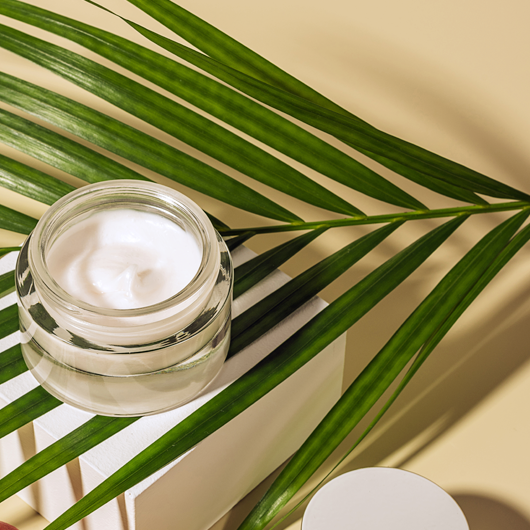


how to use 2.5% Retinol Moisturizer
How to Use 2.5% Retinol Moisturizer: The Complete Guide
Getting how to use 2.5% Retinol Moisturizer right can mean the difference between noticeably firmer, smoother skin and unnecessary irritation. At 2.5%, retinol sits at the high end of over-the-counter concentrations--serious cell-turnover support without a prescription. Once absorbed, it converts to retinoic acid, signaling your skin to accelerate renewal, support collagen production, and fade the look of discoloration over time.
Apply a pea-sized amount to clean, completely dry skin at night only. Wait 20 minutes after cleansing before applying--damp skin drives faster absorption and more irritation. Follow with a clean, aloe-based moisturizer to buffer sensitivity. Start with two to three nights per week and build toward nightly use over six to eight weeks.
What Consistent Use Actually Does for Your Skin
Results build progressively, not overnight. Within four to six weeks, most people notice smoother texture and reduced pore visibility. Around week twelve, collagen remodeling becomes more apparent--firmer-looking skin along the jawline, softer nasolabial folds, and a more even-toned surface. Think of retinol like a long-term investment: the compounding returns show up when you stay consistent.
Pairing retinol with a complementary firming active can give your routine an additional dimension. Our DMAE Firming Powder 10g--vegan, paraben-free, and vegetable-sourced--is commonly used for antioxidant support and a temporary tightening feel that some people notice shortly after application. While retinol works on long-term cell renewal, DMAE addresses the surface finish. They're doing different jobs well.
How to Build Your Retinol Routine the Right Way
Your moisturizer base matters. Prioritize formulas with aloe vera as the first ingredient--aloe delivers hydration alongside naturally occurring soothing compounds that help offset retinol's intensity. Avoid pairing retinol in the same application step with vitamin C or benzoyl peroxide, both of which can destabilize it and cut into its performance.
If you're building a DIY formula, dissolve DMAE Firming Powder 10g in distilled water at a 1% to 5% concentration before blending it into your base. It mixes cleanly and pairs well within a broader retinol routine. Always cap your morning routine with SPF 30 or higher--retinol leaves fresh, renewed skin more vulnerable to UV damage, and skipping sun protection undoes progress built overnight.
Mistakes That Stall Your Results
Most retinol routines fall short because of avoidable errors, not bad products. Using too much is the most common: a pea-sized amount covers the entire face. Applying to damp skin is the second--moisture dramatically increases absorption rate, and at 2.5%, that can tip quickly into irritation.
If redness shows up, reduce frequency rather than stopping cold. Retinol relies on consistent signaling to drive cell turnover; dropping it entirely resets that process. Buffering with moisturizer first and layering retinol on top lets you stay in the routine while your skin adjusts.
Retinol Routine at a Glance
Do This
- Apply to completely dry skin
- Use a pea-sized amount only
- Follow with a clean, aloe-based moisturizer
- Wear SPF 30 or higher every morning
- Build frequency gradually over six to eight weeks
Avoid This
- Applying to damp or freshly washed skin
- Mixing with vitamin C or benzoyl peroxide in the same step
- Using it near the eye contour without a buffer layer
- Skipping moisturizer after application
- Stopping completely when mild redness occurs
Supporting Your Routine With Targeted Hydration
Retinol excels at cell turnover and collagen support--but it doesn't directly address surface dryness that can come with adaptation. That's where layering smartly pays off. After applying retinol, our Hyaluronic Acid Plumping Serum works well as a next step, locking in moisture and calming the skin while the retinol does its overnight work.
Building a repeatable system is the real goal here. Clean ingredients, correct sequencing, and thoughtful pairings separate steady, visible progress from routine hydration. I've seen the difference firsthand--when people stop chasing isolated steps and commit to a cohesive routine, the results speak for themselves.
Frequently Asked Questions
How often should I apply 2.5% retinol moisturizer?
Start with two to three nights per week. Over six to eight weeks, gradually build toward nightly use as your skin adapts. Consistency matters more than frequency in the early stages.
Is purging normal when starting retinol?
Yes. Accelerated cell turnover can bring congestion to the surface during the first two to four weeks. True purging resolves on its own. If redness or peeling persists beyond week six, reduce application frequency and buffer with moisturizer first.
Can I add DMAE Firming Powder 10g to my retinol moisturizer base?
Yes, and the pairing can work well in a DIY formula. Dissolve DMAE Firming Powder 10g in distilled water at a 1% to 5% concentration before blending it into your moisturizer base. Retinol supports renewal, while DMAE is often used for antioxidant support and a firmer-looking finish through a separate approach.
Can I use 2.5% retinol around my eyes?
The eye contour is thinner and more reactive. Apply moisturizer as a buffer layer first, then place a minimal amount of retinol at least half an inch from the lash line. Many people prefer a dedicated eye formula at this concentration, such as our Regu-Age Eye Serum Booster, designed to deliver targeted benefits with gentle ingredients.
Can I apply retinol in the morning?
Retinol degrades under UV exposure and can increase photosensitivity. Nighttime application is the best choice. Always follow with SPF 30 or higher every morning.
When will I see visible results?
Texture improvement often appears within four to six weeks. Collagen remodeling, including firmer-looking skin along the jawline and softer-looking nasolabial folds, can become noticeable around week twelve with consistent use. Adding DMAE Firming Powder 10g to your formula may create a temporary tightening feel soon after application, complementing retinol's longer-term work. See a detailed study on collagen remodeling here.
Frequently Asked Questions
Is 2.5 percent retinol strong?
Yes, a 2.5% retinol moisturizer is considered a potent, high-end concentration for over-the-counter products. This strength offers significant support for cell turnover and collagen production without needing a prescription. It works by converting to retinoic acid in your skin, signaling accelerated renewal for a smoother, firmer look.
Can I use 2.5 retinol everyday?
When you first begin using a 2.5% retinol moisturizer, we recommend starting with two to three nights per week. Over six to eight weeks, you can gradually increase the frequency toward nightly use as your skin adapts. Consistency in application is key to achieving your desired results.
How to properly use retinol moisturizer?
Apply a pea-sized amount of 2.5% retinol moisturizer to clean, completely dry skin at night. Wait about 20 minutes after cleansing before applying, then follow with a clean, aloe-based moisturizer to buffer any sensitivity. Always wear SPF 30 or higher every morning, as retinol makes new skin more susceptible to sun damage.
How often should I apply retinol moisturizer?
Begin by applying your 2.5% retinol moisturizer two to three nights each week. Gradually build up to nightly use over a period of six to eight weeks, allowing your skin time to adjust. Maintaining a consistent routine is more impactful than immediate daily application.
What should you not mix with retinol?
To maintain the effectiveness of your 2.5% retinol moisturizer, avoid applying it in the same step as products containing benzoyl peroxide or vitamin C. These ingredients can destabilize retinol, reducing its performance. If you wish to use them, apply them at different times of the day or on alternate nights.