

 Buy with Prime
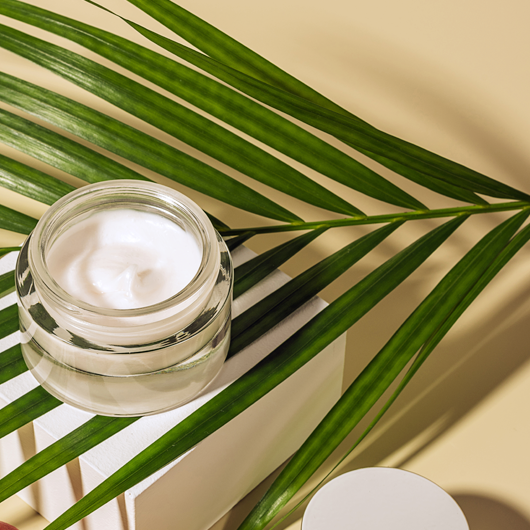


If red algae extract is so widely praised, why do so few skincare guides explain the part that matters to formulators and informed buyers: which type you're using, how it behaves in a formula, and how to screen for sourcing risks before it ever touches skin?
That gap matters. In practice, red algae extract can be a smart cosmetic ingredient for hydration, surface smoothing, and a fresher-looking complexion, but only when you separate marketing language from formulation reality. Some materials are prized for their film-forming feel. Others are selected for their polysaccharide content. And with any marine-derived ingredient, sourcing quality matters just as much as the INCI name on the front of the bottle.
I've found that savvy customers usually aren't confused about whether algae sounds appealing. They're confused about whether it performs better than familiar humectants, whether it plays well in DIY formulas, and whether “marine” also means “watch for contamination.” Those are the right questions. If you also like comparing ingredient logic across professional skincare categories, curated overviews such as Chernoff Cosmetic Surgery skin care can be useful for seeing how barrier-supportive and hydration-focused products are positioned in a clinical retail setting. Skin Perfection also keeps a broader archive on marine ingredients for skin for readers who want more context around ocean-derived cosmetic ingredients.
Table of Contents
- An Introduction to Marine-Powered Skincare
- What Exactly Is Red Algae Extract
- How Red Algae Enhances Skin Appearance
- Applications for Hair Lash and Brow Appearance
- Sourcing Safety and Choosing a Quality Extract
- Formulating with Red Algae Extract A Practical Guide
- Simple DIY Protocols for Radiant Looking Skin
- Frequently Asked Questions About Red Algae
An Introduction to Marine-Powered Skincare
Marine ingredients attract formulators for a simple reason. Ocean organisms survive in harsh, shifting environments, and many produce compounds that are excellent at binding water, forming protective surface films, or tolerating environmental stress. In cosmetic work, those traits often translate into formulas that leave skin looking smoother, feeling more comfortable, and holding moisture more effectively.
Red algae extract sits in that sweet spot between elegant feel and practical function. It isn't just a trendy “sea” ingredient added for label appeal. The better versions can contribute noticeable slip, a conditioned finish, and improved moisture retention, especially in serums, masks, and lightweight emulsions. That's why you'll see it show up in both ready-made skincare and raw materials sold to DIY makers.
A good formulator doesn't stop at the romance of marine sourcing. They ask harder questions. Which species is behind the extract? Is the material standardized or loosely described? Is it meant to act mainly as a humectant, a film former, or a conditioning aid? And if the extract came from marine biomass, what documentation supports its purity?
Red algae extract works best when you treat it as a functional material first and a storytelling ingredient second.
That mindset changes how you shop and how you formulate. Instead of expecting one ingredient to do everything, you use red algae where it's strongest: moisture retention, sensory refinement, and cosmetic support for a fresher, more radiant appearance.
What Exactly Is Red Algae Extract
What are you really buying when a supplier lists "red algae extract" on a spec sheet? Usually, a broad marine-derived ingredient class, not a single standardized material. For a formulator, that distinction matters because species, extraction method, solvent system, and solids content all affect how the ingredient behaves in a finished product.
Red algae is a group of materials with different cosmetic behavior
Red algae generally refers to species within Rhodophyta, a large category of marine algae used to produce several cosmetic raw materials. On paper, two products can both be called red algae extract and still perform very differently. One may be a thin glycerin or water extract used mainly for skin conditioning. Another may be richer in polysaccharides and contribute more slip, film formation, or gel support.
That variation is where many buying mistakes happen. An INCI name can tell you the source in broad terms, but it does not automatically tell you whether the extract was designed for hydration support, texture building, or marketing appeal.

Why formulators focus on polysaccharides
The fraction that usually matters most in skincare is the polysaccharide content, especially materials such as agar and carrageenan derivatives. These compounds help bind water on the skin surface and can leave a soft, conditioned film. In practical terms, that can mean a serum that feels less watery, a mask that dries less harshly, or an emulsion that leaves a smoother afterfeel.
Red algae also sits in an interesting position beside other natural humectants for skin. Hyaluronic acid is often the cleaner choice when the goal is straightforward water binding with minimal effect on viscosity. Red algae extract can do more than that, but the trade-off is variability. Depending on the derivative, it may add stringiness, slight haze, or interaction with gums and electrolytes. Good performance starts with choosing the right format, not assuming all marine extracts act the same.
For formulators building a hydrating base, Sodium Hyaluronate Powder Pure Hyaluronic Acid is a useful point of comparison because it allows controlled use levels in serums and creams without relying on a premixed base. Red algae extract is less uniform, but it can give a formula a more cushioned, film-forming skin feel that plain humectants often do not provide.
What to confirm before you use it
Ask three questions before adding red algae extract to a formula:
- What is the exact raw material? Whole extract, hydrolyzed fraction, carrageenan-rich derivative, and standardized active are not interchangeable.
- What is the carrier system? Water, glycerin, butylene glycol, and powdered formats each change preservation, viscosity, and use level.
- What is the intended job in the formula? Moisture support, sensory refinement, film formation, and gel structure are different functions.
This also helps keep claims realistic. Red algae extract supports a smoother, fresher, more hydrated appearance. It is not a shortcut ingredient for every concern associated with structural skin proteins. If that broader context is useful, this article on how collagen impacts skin health explains why surface hydration and deeper structural topics should not be treated as the same mechanism.
If a supplier cannot identify the species, extraction medium, and active fraction, formulation decisions become guesswork.
That is the core definition. Red algae extract is a category of marine-derived cosmetic materials, usually valued for polysaccharides that improve skin feel, support moisture retention on the surface, and influence the texture of the formula itself.
How Red Algae Enhances Skin Appearance
What does red algae extract do on skin once it is inside a finished formula?
Red algae earns its place by improving the way a product hydrates, cushions, and smooths the skin surface. For a formulator, the useful question is not whether marine extracts sound impressive. It is whether the specific red algae material gives enough water binding, film formation, and sensory improvement to justify its cost, color, odor, and sourcing requirements.

Hydration and water retention on the skin surface
The strongest cosmetic case for red algae is surface hydration. Sulfated polysaccharides from red algae, including agar and carrageenan-rich fractions, bind water and help form a light film that slows visible dehydration. Typology's red seaweed overview also notes reported hydration gains and barrier-related effects linked to ceramide support. On skin, that usually shows up as less tightness, softer texture, and a less stressed look.
One practical point matters here. Red algae does not behave like glycerin alone.
Glycerin is a very efficient humectant, but it does not automatically give that soft, lightly sealed finish many customers want in a gel serum or sleeping mask. A well-chosen red algae extract can add a more conditioned afterfeel because it combines water attraction with film formation. That is why it often performs well beside classic humectants rather than in place of them. For comparison, this guide to natural humectants for skin is useful if you are weighing red algae against glycerin, hyaluronic materials, honey derivatives, or betaine.
Clinical reporting on carrageenan derived from Chondrus crispus also supports that moisture story. In Typology's skin benefits article, a 2% concentration was associated with improved hydration within two hours versus placebo, with the effect maintained for several hours. For DIYers and small brands, that is a meaningful distinction. Fast cosmetic payoff helps the user feel the product is doing something, while the film can help the hydrated look last longer through the day.
Texture, brightness, and the look of firmness
Hydration is only part of the visible result. The other part is slip and surface refinement.
When a red algae extract lays down an even, flexible film, skin often looks smoother and makeup goes on with less catching around dry areas. This is one reason I use red algae more often in gel creams, masks, and hydrating serums than in very simple watery mists. In the right base, the ingredient has enough residence time to improve feel as well as appearance.
Some red algae materials are also studied for collagen-related appearance support and broader anti-aging positioning, but claims here need discipline. The cosmetic takeaway is that certain extracts may help skin look firmer, brighter, and less lined over time when they are part of a well-built formula. If you want a grounded refresher on the larger structural role of collagen in appearance, Dr. Connie Hiers has a readable article on how collagen impacts skin health. That context helps keep expectations realistic. Surface hydration and film formation can improve the look of fine lines quickly, while longer-term structural topics sit in a different category.
A simple way to judge whether red algae is earning its spot in a formula is to watch for these changes:
| What you notice first | What's likely driving it |
|---|---|
| Skin feels fresher and less tight | Surface hydration and film formation |
| Makeup sits more evenly | Reduced visible dehydration and smoother texture |
| Skin looks a bit brighter over time | Better moisture balance plus antioxidant support |
| The surface looks more refined | Conditioning effect and improved water retention |
One finished-product example is HydroGlow Anti-Aging Night Mask, which combines three types of hyaluronic acid, polyglutamic acid, sea silt ferment, and algae extract in a no-rinse format. From a formulation standpoint, that pairing makes sense. Red algae usually works best as part of a broader hydration system, especially when the goal is plumper-looking, smoother-looking skin rather than a one-ingredient story.
Applications for Hair Lash and Brow Appearance
Red algae extract isn't limited to face products. The same conditioning behavior that makes it useful in skincare can also make it useful in products for hair, lashes, and brows, especially when the goal is appearance rather than dramatic claims.
Why the same film-forming behavior matters off the face
On hair fibers, film-forming ingredients can coat the shaft lightly and improve the way the surface reflects light. That's why conditioned hair often looks shinier and feels less rough. With red algae extract, the practical benefit is usually better slip, a softer touch, and less of that dry, fluffy look that reads as frizz.
For brows and lashes, a similar idea applies. A well-chosen conditioning formula can help them look more defined, slightly fuller, and better separated. The payoff is cosmetic. The fibers look more polished because the surface sits more neatly.
Useful formats include:
- Brow gels: a small amount of red algae extract can support hold and a smoother conditioned finish.
- Lash conditioners: it can improve slip and reduce the brittle look some water-light gels create.
- Leave-in hair mists or creams: it can add a more hydrated, glossy appearance without relying only on oils.
People who are comparing appearance-focused lash and brow products often also browse categories like best eyebrow growth serums, but it's important to keep the distinction clear. Conditioning and film formation can improve the look of density and neatness. That isn't the same as making a compliant cosmetic claim about biological growth.
Where people get unrealistic expectations
Good formulation language is important. Red algae extract can help hair and brows look healthier, feel smoother, and appear better groomed. It can support a style that reads as fuller because the fibers are coated and aligned more evenly.
Don't expect a conditioning extract to behave like a drug. Expect it to improve texture, finish, and the visual impression of fullness.
That expectation keeps your product design honest. If your goal is shinier hair, a cleaner brow shape, or lashes that look less dry and more defined, red algae is useful. If your goal requires a medical or drug-style outcome, cosmetic language and cosmetic ingredients are the wrong lane.
Sourcing Safety and Choosing a Quality Extract
Marine ingredients raise a fair concern that many glossy ingredient pages skip. If seaweed grows in variable waters, how do you judge the risk of lead, mercury, or arsenic contamination? That question matters for both DIYers and contract manufacturers.
What the safety review actually tells you
The strongest regulatory-style reference in the material provided comes from the Cosmetic Ingredient Review. According to the September 2021 CIR Safety Assessment, the panel concluded that 16 specific red algae-derived ingredients are safe for use in cosmetics under current practices of use and concentration, while stating that data were insufficient to determine the safety of the remaining 44 red algae ingredients in the same category, as detailed in the CIR safety assessment for red algae ingredients.
That finding is more useful than a vague “seaweed is safe” statement because it forces precision. Safety depends on which derivative you mean, how it's used, and what supporting data exist. It also keeps your claims compliant. Red algae-derived ingredients are presented there as cosmetic ingredients with functions such as skin-conditioning agents, not as drugs or disease-treatment materials.
Skin Perfection follows FDA and Etsy claim boundaries in product listings for that reason. Cosmetic products are described for beautifying the skin and improving appearance. They are not presented as fixing, repairing, or healing skin, and they aren't described as analgesics, antibiotics, antiseptics, antivirals, anti-inflammatory steroids, vaccines, decongestants, prescription drugs, or FDA-approved treatments.
How to screen a supplier before you buy
A supplier doesn't need perfect branding. They do need usable documentation. For a marine extract, ask for the basics:
- Identity clarity: What species or derivative is this? “Red algae extract” by itself is too broad.
- Testing documentation: Ask whether the supplier screens for heavy metals. If they can't answer cleanly, move on.
- Intended application: Is the material sold for cosmetic formulation, food use, or general botanical trading? Those are not interchangeable.
- Form data: You need solubility, appearance, preservation status, and suggested incorporation method.
- Batch transparency: A recent certificate of analysis or comparable lot-specific documentation is worth more than pretty marketing copy.
A claim like wild-harvested can sound appealing, but it doesn't automatically mean cleaner or better controlled. The same goes for organic. Those labels may matter, but they don't replace contaminant screening, manufacturing controls, or batch consistency.
Practical rule: With red algae extract, buy the paperwork first and the story second.
If you're still building a vendor list, this resource on botanical extracts suppliers can help you think through what supplier standards matter before you place an order.
Formulating with Red Algae Extract A Practical Guide
Many otherwise good DIY projects commonly go wrong. The ingredient itself isn't the problem. The formulator treats every algae material as if it were interchangeable, then gets stringiness, pilling, poor clarity, or a sticky afterfeel.

How to add it without creating a messy formula
For practical cosmetic work, treat red algae extract as a functional support ingredient. Most versions are easiest to use in water-based systems or in the water phase of emulsions, but you still need to confirm the supplier's specific guidance.
A reliable workflow looks like this:
- Read the material sheet first. Check whether your extract is water-soluble, pre-preserved, viscous, or electrolyte-rich.
- Start in a simple format. Serums, gels, and lightweight lotions are easier than complex emulsions when you're learning the material.
- Add it with intention. If the extract already contributes body or slip, reduce competing thickeners so the finished texture doesn't get heavy or tacky.
- Mix gently. Some polysaccharide-rich materials don't like aggressive aeration. You'll get bubbles and a messy appearance.
- Evaluate after resting. Freshly mixed texture can fool you. Check again after the batch settles.
A common beginner mistake is loading too many “hydrators” into one formula without thinking about feel. Humectants, film-formers, gums, and ferments can all be useful. Together, they can also create drag, residue, or pilling under sunscreen and makeup.
Good pairings and common mistakes
Red algae extract often pairs well with:
- Hyaluronic materials when you want a layered hydration profile.
- Glycerin for straightforward water binding.
- Peptides in formulas aimed at smoother-looking, conditioned skin.
- Barrier-supportive emulsions where the algae contributes finish and moisture retention.
What usually doesn't work well is a formula built on duplication rather than balance. If you use several high-slip, high-film, high-humectant materials at once, the serum may feel impressive at first touch and annoying by the third application.
Here's a quick decision guide:
| Formula type | Why red algae extract fits |
|---|---|
| Gel serum | Adds slip, moisture retention, and a smoother finish |
| Cream | Supports conditioning and helps reduce a dry afterfeel |
| Overnight mask | Works well in moisture-locking systems |
| Brow gel | Can support conditioning and neater fiber appearance |
Keep storage basic and disciplined. Protect the raw material from unnecessary heat and light, keep containers closed, and don't assume a marine extract is self-preserving. If you're developing your own prototypes regularly, the broader category of cosmetic formulation is worth following because success with ingredients like this depends more on system design than on isolated actives.
Simple DIY Protocols for Radiant Looking Skin
A good DIY protocol should be easy to execute, easy to evaluate, and hard to contaminate. That means small batches, a clean workspace, and no improvising with kitchen tools that can't be properly sanitized.

Marine hydration serum protocol
This protocol works best when you have a supplier-provided, cosmetic-use red algae extract that is suitable for water-based products.
Ingredients
- Distilled water
- Glycerin
- Red algae extract
- Broad-spectrum cosmetic preservative appropriate for your formula
- Optional sodium hyaluronate solution or another compatible humectant
Method
- Sanitize your tools, vessel, and storage bottle.
- Add distilled water to your mixing vessel.
- Premix glycerin with any gum or thickener if you're using one, then add to water.
- Stir in the red algae extract slowly.
- Add preservative according to its manufacturer guidance.
- Let the batch rest so bubbles dissipate, then bottle.
What to expect
This type of serum is meant to leave skin feeling more hydrated and looking smoother. If your red algae material contains carrageenan from Chondrus crispus, its film-forming property can create a natural elastic film that tightens the skin surface and leaves it feeling fresh and silky, which is a physical conditioning effect rather than healing or repairing skin tissue, as described by INCI Guide's red algae extract entry.
Revitalizing mask booster protocol
This approach is simpler and often more realistic for beginners because you're improving an existing base instead of building a full formula from scratch.
You'll need
- A pre-made, compatible hydrating mask base
- A small measured amount of cosmetic-use red algae extract
- A sanitized spatula or mixing dish
Method
- Scoop out a single-use amount of your mask into a separate dish.
- Add a few drops of red algae extract.
- Mix until uniform.
- Apply to clean skin.
- Use immediately. Don't mix into the full jar unless you've assessed preservation and stability.
This method is especially useful when you want to test sensory effect before committing to larger batch work. The main thing to watch is pilling. If the mask already contains multiple film-formers, too much added extract can make the finish feel heavy.
Keep your first trials boring. Small batch, simple base, careful notes. That's how you learn what the extract is actually doing.
Frequently Asked Questions About Red Algae
Is it better than hyaluronic acid
Better for what. That is the useful question in formulation.
Red algae extract and hyaluronic acid do not do the same job in the same way. Hyaluronic materials are predictable, easy to benchmark, and very good at adding a familiar hydrated feel. Red algae extract can add water-binding support plus a light surface-conditioning effect, so the finish often feels a little more cushioned or softly coated, depending on the extract type and use level.
For a simple hydrating serum, hyaluronic acid is often easier to optimize. For a formula that needs slip, reduced tack, or a more elegant film, red algae can earn its place. In many cases, the strongest answer is not choosing one over the other. It is using both and adjusting the balance based on climate, skin feel, and the rest of the base.
Is it suitable for sensitive skin and uneven-looking tone
Red algae extract is generally considered a gentle cosmetic ingredient, but suitability depends on the whole formula, not the algae alone. A mild extract can still sit inside a product that stings because of fragrance, strong acids, high solvent levels, or an aggressive preservative system. Patch testing is still the sensible step, especially for reactive skin.
For uneven-looking tone, keep expectations grounded. Some red algae materials are discussed in cosmetic ingredient marketing for their potential to support a brighter-looking, more even appearance, but that is not the same as a guaranteed result across all extract types. Species, extraction method, concentration, and formula design all matter. A water-glycerin extract at a low use level will not behave like a standardized active with strong supporting data.
Is heavy metal contamination a real concern
Yes. This is one of the most important sourcing questions, and it is often handled too casually.
Marine materials can pick up trace contaminants from their environment, including heavy metals. That does not make red algae extract unsafe by default, but it does mean supplier quality control matters. For professional purchasing and careful DIY work, ask for a current specification sheet or certificate of analysis that covers heavy metals, microbial limits, solvent system, recommended use level, and preservation status. If a seller cannot clearly identify the algae species, extraction medium, and basic quality documentation, skip it.
Cheap anonymous extracts are where problems start. A good extract should be traceable, cosmetically preserved when appropriate, and consistent from batch to batch.
What should DIYers watch for in a formula
Start with compatibility and finish.
Some red algae extracts are easy to use in water-based systems, while others are more film-forming and can increase drag or pilling if the formula already contains gums, proteins, or multiple polymers. Electrolytes can also matter. If your gel network is sensitive, test the extract in a small pilot batch before scaling up.
Use level discipline matters too. More is not automatically better. Pushing the level too high can leave a formula sticky, heavy, or prone to rolling on the skin. Keep notes on texture, dry-down, and stability over time, not just the first application.
A practical expectation looks like this:
- For dry-looking skin, red algae can support a more hydrated appearance.
- For skin feel, it often helps with softness and surface smoothness.
- For DIY work, supplier documents matter as much as the ingredient name on the label.
- For comparison shopping, judge the extract by solvent, species, preservation, and recommended use range, not marketing copy alone.
Skin Perfection offers both finished skincare and lotion-making supplies for people who want a more informed approach to cosmetic ingredients. If you're comparing hydrating actives, algae-based options, or DIY-ready materials for custom formulas, explore Skin Perfection for products and educational resources built around compliant, appearance-focused skincare.