

 Buy with Prime
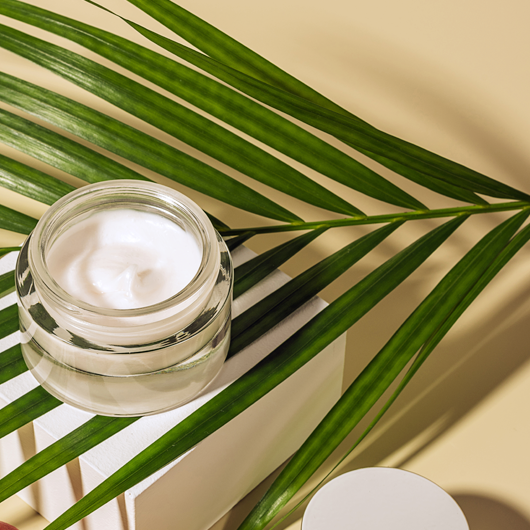


Top peptides for stretch mark reduction?
What Are Top Peptides for Stretch Mark Reduction?
The most effective peptides for stretch mark reduction include palmitoyl tetrapeptide-7, copper peptides, and Matrixyl peptides. These bioactive molecules penetrate the dermal layer to stimulate collagen synthesis, repair damaged elastin fibers, and accelerate cellular regeneration where stretch marks form.
Key Takeaways
- Palmitoyl tetrapeptide-7, copper peptides, and Matrixyl peptides are the most effective options for reducing stretch marks.
- These powerful peptides work by penetrating your skin's dermal layer.
- They stimulate collagen production and repair damaged elastin fibers, helping to smooth your skin.
- Peptides also accelerate cellular regeneration directly where stretch marks form, restoring your skin's natural appearance.
Here's what makes peptides different from traditional moisturizers: they don't just sit on your skin's surface. Instead, they act as cellular messengers that signal your fibroblasts--those hardworking cells responsible for building collagen and elastin--to kick into high gear. When stretch marks develop from rapid skin stretching, your collagen and elastin network literally tears. You need ingredients that can communicate with your skin at a deeper level.
The science behind peptide efficacy is compelling. Palmitoyl peptides reduce inflammation signals while boosting collagen type I and III production. Copper peptides activate wound-repair pathways and improve firmness and density in damaged tissue. Matrixyl compounds--like Matrixyl 3000 and Synthe'6--trigger extracellular matrix renewal, which can smooth indented scar tissue with consistent use. These aren't just marketing claims; they're clinically studied actives that mimic the growth factors your body produces naturally (but makes less of as you age or after skin trauma).
Benefits of Peptides for Stretch Marks
Peptides deliver visible results because they address the root cause: compromised dermal structure. Think about it. Surface oils might temporarily plump your skin, but they can't rebuild what's broken underneath.
Many people notice improved texture within the first few months as collagen support increases in affected areas. Well-formulated peptide products may also help even out discoloration by supporting healthier microcirculation. Red or purple stretch marks often look less pronounced as skin calms down, while older white stretch marks can appear fuller and more elastic over time. The Hyaluronic Acid Plumping Serum pairs peptides with moisture-binding hyaluronic acid to support this repair process by keeping skin comfortably hydrated.
But here's what I find most exciting: you're not just masking the appearance. You're actually supporting healthier skin structure over time, which can improve your skin's resilience against future damage during weight fluctuations or pregnancy. That's transformation, not a temporary fix.
How to Choose Peptides for Stretch Marks
Start with the ingredient list. Peptides perform best when they appear relatively high up--though exact placement isn't a perfect indicator because of labeling regulations. Look for specific names like palmitoyl tripeptide-1, acetyl hexapeptide-8, or copper tripeptide-1. Vague terms like "peptide complex" can signal proprietary blends with undisclosed (and potentially minimal) amounts.
Delivery systems matter more than most people realize. Peptides are fragile molecules that degrade in unstable formulas. Choose products with airless pump packaging and pH-balanced bases, typically between 4.5 and 6.0. Water-based serums absorb quickly, while creams add a protective layer that reduces moisture loss. The Hyaluronic Acid Plumping Serum uses an organic aloe base designed to support peptide stability while delivering hydration into dry, stretched tissue.
If clean formulation standards matter to you--and they should--verify EWG Verified status as a quick screening tool. Apply peptide treatments twice daily to freshly cleansed skin. Be patient. Stretch marks reflect real structural change, so you'll need three to six months of consistent use to see meaningful improvement. I've seen too many people give up after four weeks when they're just getting started.
Peptide Application Techniques for Maximum Absorption
How you apply peptides influences how well they work on stretch mark tissue. Always cleanse first to remove oils and dead skin that block absorption. Pat your skin until it's slightly damp--not bone-dry--since a bit of moisture helps water-based serums spread evenly.
Apply peptide serums using gentle circular motions directly onto stretch marks, extending coverage about two inches beyond visible marks. This supports the surrounding tissue that may be under strain. Use clean fingertips rather than cotton pads, which absorb too much product. Allow three to five minutes for absorption before layering anything else.
Temperature and storage affect formula stability. Store products in cool, dark places away from humidity. Refrigeration can extend shelf life for some formulas, but apply products at room temperature for comfort and even spread. Skip applying peptides immediately after a very hot shower--heat can increase redness and sensitivity.
Application Timing Matters: Apply peptide treatments to stretch marks twice daily for at least 12 weeks. Morning use supports your skin during daytime exposure, while evening use aligns with overnight repair. Missed applications slow visible progress.
Combining Peptides with Complementary Ingredients
Peptides pair beautifully with ingredients that support hydration and barrier function. Hyaluronic acid maintains a hydrated environment that keeps skin supple, which makes stretch marks look less noticeable. Vitamin C derivatives support collagen and promote more even-looking tone.
What about retinoids? They support stretch mark care differently than peptides. Retinoids increase visible skin renewal, while peptides provide signaling support. If you use both, try retinoids at night and peptides in the morning, or alternate nights if your skin becomes sensitive. Always apply peptides on clean skin before heavier layers.
Avoid combining peptides in the same routine step with strong acids or very high-pH products that reduce peptide stability. If you use alpha hydroxy acids or salicylic acid, apply those at a different time of day. Natural oils like rosehip or sea buckthorn can seal in a serum, but wait until the peptide layer has absorbed.
To understand more about stretch marks and treatments, the American Society for Dermatologic Surgery provides detailed information on stretch marks.
Realistic Expectations for Peptide Stretch Mark Treatment
Let's be honest about what topical peptides can and cannot do. This clarity helps you track progress without frustration.
Fresh stretch marks often respond more quickly than mature white marks because they're still actively changing. Many people see tone changes first, followed by gradual texture improvements. Depth changes tend to occur slowly as skin support builds--track progress with monthly photos in consistent lighting rather than daily mirror checks. Width changes are usually limited because topical products can't reverse the original tearing, but consistent care supports surrounding skin.
Genetics and overall skin health influence your individual response. Age, stretch mark severity, hydration status, and consistency all affect outcomes. Give any routine at least three months--ideally six--to judge whether peptide-based care fits your skin goals. For more detailed scientific insights on how peptides influence skin remodeling, see this research on peptide efficacy.
Frequently Asked Questions
Does GHK-Cu help with stretch marks?
Yes, copper peptides, including GHK-Cu, are among the top peptides for stretch mark reduction. They are known to support the skin's wound-repair pathways and can improve the look of skin firmness and density. Consistent topical application helps rebuild structural proteins where stretch marks form.
Can topical peptides completely remove stretch marks?
While peptides can significantly improve the appearance of stretch marks by supporting collagen and elastin, complete removal of severe stretch marks with topical care alone is unlikely. Many people see a partial improvement in texture, color, and depth with consistent use. Topical peptides work to support healthier skin structure over time, making marks look less noticeable.
What are the best ways to reduce stretch marks?
The best ways to reduce stretch marks involve using targeted topical treatments that support deep skin renewal. Peptides like palmitoyl tetrapeptide-7, copper peptides, and Matrixyl compounds are highly effective. These bioactive molecules signal your fibroblasts to rebuild collagen and elastin, improving texture and discoloration. Consistent, twice-daily application for several months is key to seeing visible improvements.
What should I look for when choosing peptide products for stretch marks?
When choosing peptide products for stretch marks, look for formulations with clinically meaningful concentrations of specific peptides, not just trace amounts. Seek out products with airless pump packaging and pH-balanced bases, typically between 4.5 and 6.0, to ensure peptide stability. Checking for clean formulation standards also helps you choose solutions that align with your comfort level.
How long does it take to see results from peptides on stretch marks?
You may notice improvements in skin feel and hydration within four to six weeks of consistent use. However, visible changes in stretch mark depth and color typically take three to six months. This is because peptides work by supporting gradual collagen production and remodeling in the deeper skin layers. Patience and consistent application are truly important for success.
Can peptides help prevent new stretch marks from forming?
Yes, peptides can support skin elasticity and resilience, which may reduce the likelihood of new stretch marks during periods of rapid skin changes. Regular use helps maintain dermal thickness and a healthier collagen-to-elastin balance, making skin more resistant to visible tearing. While no topical product can guarantee prevention, peptides are a strong option for ongoing skin support.
Which peptides are best for pregnancy-related stretch marks?
Palmitoyl tetrapeptide-7 and copper peptides are popular options for pregnancy-related stretch marks, as they support skin comfort and collagen production. Matrixyl peptides also offer support by encouraging extracellular matrix repair. For sensitive skin, choosing clean formulas without added fragrance is a thoughtful approach. Apply these peptide products twice daily to areas like the abdomen, breasts, hips, and thighs.