

 Buy with Prime
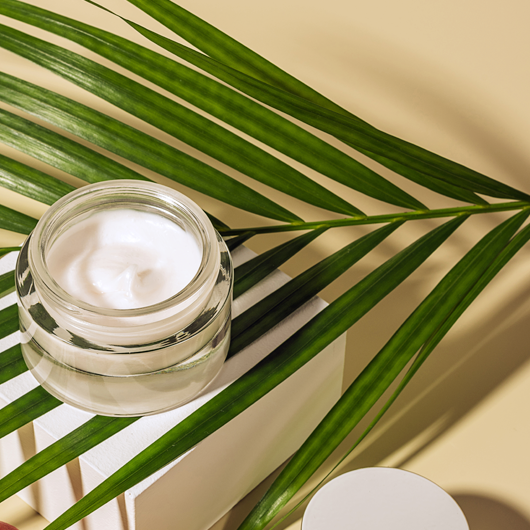


Alternatives to retinol for exfoliation and brightening.
Alternatives to retinol for exfoliation and brightening include AHAs and PHAs, which loosen dull surface cells, and vitamin C, azelaic acid, and niacinamide, which can improve the look of uneven tone. Bakuchiol and peptides offer other ways to support smoother-looking skin without relying on a retinoid. Choose an ingredient your skin can tolerate consistently.
Key Takeaways
- AHAs and PHAs gently loosen dull surface cells, making them smart choices if your skin finds retinol too harsh.
- Vitamin C, azelaic acid, and niacinamide each help soften the appearance of uneven tone without the irritation retinoids can cause.
- Bakuchiol gives you a plant-derived way to support smoother-looking skin, and research suggests it is far more forgiving on sensitive complexions.
- Peptides work quietly in the background to keep skin looking plump and smooth, so they pair beautifully with exfoliating acids.
- The best ingredient is always the one your skin can tolerate consistently, because steady use is what delivers visible results.
If retinol leaves your face tight, flaky, or stinging, you do not have to push through discomfort to care for your complexion. Knowing what different ingredients do can help you choose a gentler approach to dullness and dark spots.
Can't Tolerate Retinol? Here's What Actually Exfoliates and Brightens Instead
For surface exfoliation, consider lactic, mandelic, or glycolic acid, or the gentler polyhydroxy acid gluconolactone. For visible discoloration, consider vitamin C, azelaic acid, or niacinamide. Bakuchiol and peptides can support smoother-looking skin through different mechanisms. Introduce one active at a time and use sunscreen during the day, especially when acids are part of your routine.
Why Retinol Causes Dryness, Peeling, and the 'Retinization' Phase
Retinol can speed skin-cell turnover and influence processes involved in visible signs of photoaging. As your skin adjusts, it may become dry, red, flaky, or sting. A reaction commonly called retinization. This can feel discouraging, especially if your skin barrier is already irritated. Persistent discomfort is a reason to pause and reassess; more peeling does not mean better results.
Who Should Choose a Retinol Alternative (Sensitive Skin, Pregnancy, Damaged Barrier)
A gentler option may suit people with reactive skin, ongoing irritation, or a compromised moisture barrier. Anyone who is pregnant or nursing should ask a qualified health professional before using retinoids or choosing a replacement active. Skin needs vary, so a dermatologist can help distinguish sensitivity from a condition that needs care. A product marketed as natural can still irritate; ingredient choice and gradual use matter.
Will Alternatives Cause Peeling or Purging? What to Honestly Expect
Alternatives to retinol for exfoliation and brightening can still cause irritation, especially if exfoliating acids are used too often or at a strength your skin does not tolerate. Mild dryness or tingling is possible, but significant burning, swelling, or persistent redness is a cue to stop and seek professional advice. Purging is not guaranteed, and peeling is not proof that an ingredient is working.
Use a measured start: Patch test a new active, introduce only one at a time, and follow its label directions. If your skin becomes persistently irritated, stop rather than layering on more treatments.
The 6 Best Alternatives to Retinol for Exfoliation and Brightening

These ingredients work in different ways. Some lift dull surface cells; others target the look of discoloration or support a smoother appearance. Choose based on your main concern, then give your skin time to adjust. Dermatologists commonly cite vitamin C, azelaic acid, peptides, bakuchiol, and glycolic and lactic acids as retinol alternatives.
-
Bakuchiol: The Plant-Based Retinol Alternative With Clinical Backing
Bakuchiol is a plant-derived ingredient studied for visible signs such as fine lines and uneven pigmentation. This is useful evidence, not a promise that the ingredients perform identically for every person.
How to use it: Follow the product directions and begin gradually, particularly if your skin is reactive. Bakuchiol does not exfoliate like an acid, so pair it with a separate exfoliant only if your skin tolerates both.
-
AHAs (Glycolic, Lactic, and Mandelic): How They Exfoliate and Fade Dullness
Alpha hydroxy acids loosen bonds between dead surface cells, helping skin look smoother and less dull. Glycolic acid has a smaller molecular size; lactic acid can feel milder, while mandelic acid is often chosen for a slower, gentler introduction. Acids can irritate, so strength and frequency matter as much as the ingredient name.
How to use them: Start with one AHA on a limited schedule, follow its directions, and wear daytime sunscreen. Avoid adding several exfoliating products at once.
-
PHA (Gluconolactone): The Gentlest Exfoliating Acid for Sensitive Skin
Gluconolactone is a polyhydroxy acid that exfoliates the skin’s surface. Its larger molecular structure is associated with slower penetration than smaller AHAs, which may make it more comfortable for some sensitive skin types. “Gentle” does not mean irritation-free, so monitor your skin’s response.
How to use it: Introduce a PHA by itself before combining it with other exfoliating actives. Follow the label and reduce use if dryness or redness develops.
-
Azelaic Acid and Niacinamide: The Even-Tone Duo
Azelaic acid can improve the appearance of uneven tone and blemish-related discoloration. Niacinamide supports the skin barrier and can help skin look more even. These ingredients address tone without exfoliating like AHAs, making them options when dullness and visible marks are the main concerns.
How to use them: Introduce one first, then consider the other if your skin remains comfortable. Choose a formula suited to your sensitivity and follow its directions.
-
Vitamin C and Superfruit Antioxidants for Radiance and Dark Spots
Vitamin C is an antioxidant used to support a brighter-looking complexion and address the appearance of dark spots. Superfruit extracts can provide additional antioxidant support, though results depend on the complete formula. These options may suit discoloration better than rough texture.
How to use it: Apply as directed and pair daytime use with broad-spectrum sunscreen. If a formula stings or feels uncomfortable, stop and reassess instead of pushing through.
-
Peptides: Firming and Smoothing Without Irritation
Peptides are short chains of amino acids used in skincare to support a smoother, firmer-looking appearance. They do not remove dead surface cells, so they are not exfoliants; their role differs from acids and brightening antioxidants. Skin Perfection focuses on concentrated peptide blends and ingredient transparency, combining cosmetic science with botanical ingredients.
How to use them: Follow the product directions and select a formula that fits your routine. If you are considering retinol and already tolerate it, Skin Perfection’s 2.5% Retinol Moisturizer is a retinol option, not a retinol-free alternative. Its name indicates a high stated concentration, so do not assume it is suitable for sensitive skin.
These ingredients work through distinct pathways, and a gentle routine may be more useful than stacking multiple actives. If retinol causes persistent irritation, focus on the non-retinoid ingredients above.
Retinol Alternatives Compared: Mechanism, Brightening Power, Irritation Risk, and Timeline
Acids target surface texture, while antioxidants and tone-focused ingredients address the look of discoloration. Bakuchiol and peptides support smoother-looking skin through separate pathways. Match an active to your main concern and tolerance rather than stacking options. Skin response depends on the formula, frequency of use, and condition of your skin barrier.
At-a-Glance Comparison Table
| Ingredient | Main mechanism and goal | Irritation considerations | What to expect |
|---|---|---|---|
| Glycolic, lactic, or mandelic acid | Loosens surface cells; targets roughness and dullness | Can cause dryness or stinging; strength and frequency matter | Texture may look smoother with consistent, tolerated use |
| Gluconolactone (PHA) | Exfoliates the surface; suited to a gentler approach | Often considered a milder-feeling acid, but irritation remains possible | Gradual improvement in the look of dullness |
| Vitamin C | Antioxidant support for radiance and the look of dark spots | Some formulas may sting reactive skin | Tone changes take patience and daytime sun protection |
| Azelaic acid or niacinamide | Supports a more even-looking complexion | Introduce gradually and monitor comfort | Visible tone changes may require 12 or more weeks |
| Bakuchiol or peptides | Supports smoother-looking skin; neither exfoliates like an acid | Individual reactions are possible | Assess changes over consistent use |
Consistency Beats Potency: Why Gentle Actives Win Over Time
A strong active is not useful if irritation makes you stop using it. The bakuchiol group had less scaling and stinging. This supports bakuchiol as an option to consider, not a guarantee of identical results for every skin type.
Visible tone changes may take 12 or more weeks of consistent, tolerated use. If retinol is still under consideration, the 2.5% Retinol Moisturizer is a retinol product, not a non-retinoid alternative. Review its directions and suitability carefully. For a retinol-free choice, select one active based on your goal and your skin’s tolerance.
How to Build a Gentle, Non-Retinol Exfoliation and Brightening Routine
Give each active a clear role: start with a cleanser, choose one treatment for your main concern, and finish with moisturizer and daytime sun protection. Several exfoliants or brighteners are not necessary. A measured routine makes it easier to see what your skin tolerates and adjust before irritation builds.
Sample Morning Routine (Vitamin C, Niacinamide, SPF)
In the morning, cleanse gently, then apply a vitamin C product according to its label. If your skin is comfortable with it, niacinamide can follow as a separate step or come in a formula that combines both ingredients. Apply moisturizer as needed, then finish with broad-spectrum sunscreen. Consistent sun protection helps limit UV-related darkening and supports efforts to improve uneven tone.
Sample Evening Routine (Bakuchiol, PHA or Azelaic Acid, Peptides)
At night, cleanse and apply one treatment: bakuchiol for a retinol-free smoothing step, PHA for surface exfoliation, or azelaic acid for the appearance of uneven tone. Add a peptide serum or moisturizer if it fits comfortably with your chosen active. Begin on a limited schedule, follow product directions, and increase use only while your skin remains calm. If your skin feels dry or sensitive, keep the routine simple with cleanser and moisturizer.
Layering Do's and Don'ts: What Combines Safely vs. What to Alternate
Layering is not required for results. Many people can use peptides alongside one treatment active, but the complete formula and personal tolerance matter. Introduce products one at a time to identify the source if redness or stinging develops. Avoid starting an AHA, PHA, vitamin C, and azelaic acid together. If you want to use more than one active, consider alternating evenings.
- Do: Patch test, follow label directions, and allow your skin to settle between new additions.
- Do: Reduce use or pause an active if persistent dryness, burning, or redness appears.
- Don't: Treat peeling as a sign that a routine is working.
- Don't: Apply multiple exfoliants in the same session when you are still learning your tolerance.
A Clean-Formulation Checklist: What to Look For (EWG Verified, Potency Without Irritants)
Read the full ingredient list, active concentration when disclosed, directions, and warnings. Look for clear information about botanicals, peptides, and preservatives rather than treating “natural” as a guarantee of gentleness. If a product displays an EWG VERIFIED mark, check that the specific product is listed in the program. Skin Perfection’s approach centers on ingredient transparency and concentrated peptide blends alongside botanical ingredients. The 2.5% Retinol Moisturizer contains retinol and is not a non-retinoid option for someone avoiding retinoids.
Choose one goal, make one thoughtful change, and give your skin room to respond. Explore Skin Perfection’s ingredient information to learn how peptides and botanicals may fit into a routine built around your skin’s comfort.
Retinol Alternative FAQs
Does Bakuchiol Really Work as Well as Retinol?
Bakuchiol has clinical evidence for improving the appearance of fine lines and pigmentation, but it should not be described as identical to retinol. Individual results depend on the formula, use, and skin.
Can I Combine Bakuchiol With Vitamin C or AHAs?
Some people can use bakuchiol with vitamin C or an AHA, but tolerance depends on the formulas and skin barrier. Introduce each ingredient separately. If your skin stays comfortable, test a combination gradually or use the actives on alternating days. Stop an ingredient that causes persistent irritation and seek professional guidance if symptoms continue.
How Long Before I See Brighter, Smoother Skin Without Retinol?
Allow 12 or more weeks of consistent, tolerated use to assess visible changes in skin tone. Texture may look smoother earlier for some people, while dark spots often take longer. Use sunscreen daily and avoid adding new actives every few days, which makes it harder to tell what is helping. A dermatologist can help you choose an approach for your skin.
If retinol is not right for you, options remain.
Frequently Asked Questions
What should I use instead of retinol?
Instead of retinol, you can reach for AHAs like glycolic, lactic, or mandelic acid for exfoliation, or the gentler PHA gluconolactone if your skin is reactive. For uneven tone, vitamin C, azelaic acid, and niacinamide are well-loved options, while bakuchiol and peptides support smoother-looking skin through different mechanisms.
What is the dark side of retinol?
The downside of retinol is the adjustment phase, often called retinization, where skin may become dry, red, flaky, or stinging as cell turnover speeds up. Persistent discomfort is a signal to pause and reassess, not a badge of progress. More peeling does not mean better results.
Do you need retinol if you exfoliate?
You do not need retinol if you exfoliate consistently with ingredients your skin tolerates well. Exfoliating acids like AHAs and PHAs lift away dull surface cells, while vitamin C, azelaic acid, and niacinamide address visible discoloration. The best ingredient is one you can use comfortably over the long term.
What do Koreans use instead of retinol?
Many Korean skincare routines favor gentler brightening and smoothing ingredients such as niacinamide, vitamin C, mild exfoliating acids like lactic and mandelic acid, and plant-derived options like bakuchiol. These choices support an even, radiant complexion without the dryness and peeling some experience with retinoids.
Will retinol alternatives cause peeling or purging?
Retinol alternatives can still cause mild dryness or tingling, especially if exfoliating acids are used too often or at strengths your skin cannot tolerate. Purging is not guaranteed, and peeling is not proof an ingredient is working. Patch test, introduce one active at a time, and stop if irritation persists.
Is bakuchiol as effective as retinol?
That said, individual results vary, and this evidence is not a promise the ingredients perform identically for everyone.
Who should choose a retinol alternative instead of retinol?
A gentler option may suit anyone with reactive skin, ongoing irritation, or a compromised moisture barrier. Anyone who is pregnant or nursing should ask a qualified health professional before using retinoids or choosing a replacement. A dermatologist can help you distinguish simple sensitivity from a condition that needs specific care.