

 Buy with Prime
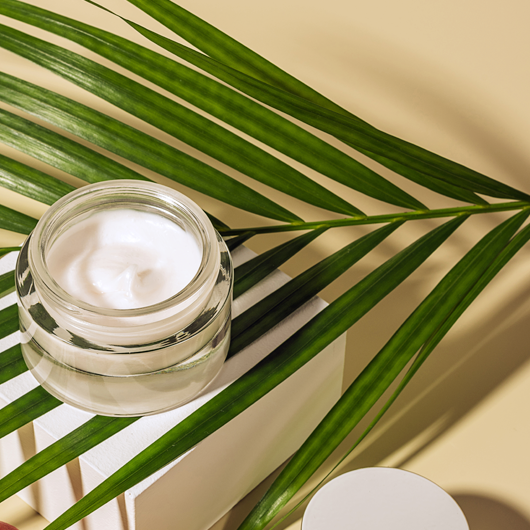


organic overnight mask for wedding eve
Your wedding-eve skincare should calm your complexion, not create another source of anxiety. An overnight hydrating mask for wedding eve can support softer, more hydrated-looking skin while you sleep, but timing and ingredient choice matter just as much as the mask itself.
Key Takeaways
- Your wedding-eve skincare should calm your complexion, not create another source of anxiety. An overnight hydrating mask for wedding eve can support softer, more hydrated-looking skin while you sleep, but timing and ingredient choice matter just as much as the mask itself.
- While you sleep, your skin shifts into repair mode. Cell renewal, barrier maintenance, and water balance are supported by the body’s natural circadian rhythm, making nighttime a sensible period for a leave-on treatment. An overnight hydrating mask for wedding eve creates a comfortable layer that helps reduce moisture loss from the skin’s surface. Humectants draw water into the outer layers, emollients soften rough texture, and occlusive ingredients help hold hydration in place.
- Stress can affect the skin barrier, oil production, inflammation, and sleep quality. Those changes may show up as dullness, puffiness, uneven tone, or a blemish at the least convenient moment. Your evening routine should respond with comfort rather than aggression. Skip vigorous exfoliation, scrubbing, and complicated layering. Instead, cleanse gently, apply familiar hydrating products, and give your skin a quiet environment in which to settle.
I talk to brides who want a formula that leaves skin smooth beneath foundation without risking redness, congestion, or surprise sensitivity. The safest plan combines skin science with restraint: introduce treatment products early, keep the final evening gentle, and choose ingredients that support the moisture barrier rather than challenge it.
Why Your Wedding Eve Demands an Overnight Hydrating Mask
The Science of Overnight Skin Recovery
While you sleep, your skin shifts into repair mode. Cell renewal, barrier maintenance, and water balance are supported by the body’s natural circadian rhythm, making nighttime a sensible period for a leave-on treatment. An overnight hydrating mask for wedding eve creates a comfortable layer that helps reduce moisture loss from the skin’s surface. Humectants draw water into the outer layers, emollients soften rough texture, and occlusive ingredients help hold hydration in place.
This does not mean a mask can rebuild collagen or erase every line in one night. It can make the complexion appear rested by supporting hydration and surface smoothness. That distinction matters before a wedding, when makeup tends to sit more evenly on supple skin than on a dry, flaky surface. A well-tolerated formula may also reduce the tight, uncomfortable feeling that often follows travel, late-night planning, or repeated cleansing.
Combatting Pre-Wedding Stress and Fatigue
Stress can affect the skin barrier, oil production, inflammation, and sleep quality. Those changes may show up as dullness, puffiness, uneven tone, or a blemish at the least convenient moment. Your evening routine should respond with comfort rather than aggression. Skip vigorous exfoliation, scrubbing, and complicated layering. Instead, cleanse gently, apply familiar hydrating products, and give your skin a quiet environment in which to settle.
The best wedding-eve treatment is predictable. If your complexion is reactive, fragrance-sensitive, or prone to clogged pores, a rich product may not be appropriate simply because it is labeled natural. Botanical ingredients can still cause irritation. Read the full ingredient list, consider your previous reactions, and follow the formula’s directions rather than applying a thicker layer in hopes of faster results. A calm moisture barrier is a better bridal goal than an overnight overhaul.
The Skin Perfection Difference: Nature-Powered, Science-Backed
At Skin Perfection, I believe skincare should be evaluated by formulation quality, not by romantic ingredient language. I look for thoughtful preservation, transparent labeling, skin-compatible textures, and suitable cosmetic ingredients. Peptides are selected for their role as signaling molecules that support the appearance of firmness, while botanical ingredients contribute antioxidant and soothing support.
The Copper Peptide Regenerating Serum Booster was a 2025 Think Dirty Awards Finalist for Best Serum, and the Glow Up Whipped Grass-Fed Tallow Balm was a 2025 Think Dirty Awards Finalist for Best Lotion. Those recognitions do not replace patch testing or individual judgment. They give you useful signals to consider when reviewing ingredient transparency and formulation. Organic Frankincense Essential Oil is not discussed here as an overnight mask or a substitute for patch testing.
Yes, you can use an overnight hydrating mask for wedding eve if your skin already knows the formula and has tolerated it without itching, burning, swelling, or breakouts. Do not introduce a completely new treatment on the final night. Your safest choice is a familiar, fragrance-conscious product focused on hydration and barrier comfort, applied in a thin, even layer after gentle cleansing.
Navigating the 'No New Products' Rule: A Bride's Safety Timeline

Why You Shouldn't Try a Brand-New Mask the Night Before
A new mask can expose your skin to unfamiliar preservatives, botanical extracts, fragrance components, essential oils, exfoliating acids, or rich emollients. Even a product marketed for sensitive skin may not suit your individual biology. Irritation can appear as warmth, stinging, tightness, redness, scaling, or small bumps. A pore-clogging response may take longer to become visible, which makes the wedding eve a poor testing window.
Think of the final night as a maintenance appointment for your complexion. Cleanse with lukewarm water, avoid picking or extracting blemishes, and use products that have already performed well for you. If you are considering an overnight hydrating mask for wedding eve, test it well before the ceremony and repeat the same routine on a non-event night. Familiarity gives you information that a last-minute application cannot provide.
How to Patch Test Formulations Safely
Apply a small amount to a discreet area, such as the side of the neck or along the jawline. Follow the product’s recommended wear time, then wash it away if the directions require removal. Observe the area through the next day for burning, itching, swelling, persistent redness, or a rash. A patch test lowers uncertainty, but it cannot guarantee that your entire face will respond identically. Keep the test separate from other new products so you can identify the likely cause of a reaction.
Essential oils deserve extra care. “Natural” describes origin, not universal tolerance. Use any aromatic oil only according to the supplier’s product directions. Stop immediately if discomfort develops.
- Four or more weeks before: Introduce one new mask at a time, then monitor your skin across several uses.
- Two to three weeks before: Confirm that hydration, texture, and comfort remain consistent. Avoid adding multiple new actives.
- One week before: Keep your routine stable. Do not begin aggressive peels, strong retinoids, or unfamiliar essential-oil blends.
- Wedding eve: Choose only products your skin has tolerated. Apply a modest layer and leave sufficient time for your normal bedtime routine.
- Wedding morning: Rinse or cleanse according to the formula directions, pat dry, and continue with your established moisturizer and sunscreen.
The Pre-Wedding Skincare Countdown: When to Start
The earlier you test a treatment, the more useful your observations become. Start with clean, dry skin and record how your complexion feels immediately afterward and the following morning. Look for comfort, softness, reduced flaking, and a balanced finish. Also watch for delayed congestion, new sensitivity, or excess oil. If your skin has eczema, rosacea, known allergies, or a history of strong reactions, ask a dermatologist before adding a new botanical treatment.
Keep expectations realistic. An overnight hydrating mask for wedding eve can support a dewy appearance, but it cannot compensate for several nights of poor sleep, dehydration, or a disrupted barrier. Make the final week less experimental, not more ambitious. Your most reliable bridal glow comes from steady care, sufficient rest, gentle cleansing, daily sun protection, and a formula that your skin already understands.
The Ingredient Masterclass for Bridal Radiance
Actives That Transform: Peptides and Plant Stem Cells
Skincare can pair botanical ingredients with cosmetic actives. Peptides are short chains of amino acids that act as messengers within a cosmetic formula. Certain peptide complexes help support the appearance of firmer, smoother skin by signaling processes associated with collagen and elastin. They do not change your skin overnight, yet consistent use can improve the look of fine lines, texture, and resilience over time.
Plant stem cell extracts are valued for their antioxidant and conditioning properties. They do not replace human stem cells or create new tissue. Their cosmetic role is more precise: they help defend against environmental stressors while supporting a comfortable, replenished appearance. In a bridal routine, look for transparent ingredient names and a formula that combines peptides with soothing botanical extracts instead of relying on a vague “natural complex.”
Hydration Heroes: Hyaluronic Acid and Squalane
Hydration is a useful way to support a softer-looking bridal complexion because water temporarily plumps the outer layers of skin and helps fine texture appear less pronounced. Hyaluronic acid is a humectant, meaning it attracts water. The final result depends on the molecule size, concentration, formula, and surrounding ingredients.
Squalane is a lightweight emollient that helps soften rough patches and reduce the feeling of dryness without the heavy finish associated with some facial oils. Look for it alongside aloe, glycerin, ceramides, panthenol, or antioxidant-rich plant extracts. These ingredients support a flexible moisture barrier, which can help foundation apply more evenly on the big day.
The 'Never Use' List: Ingredients to Avoid Before Your Wedding
The final days before your ceremony are not the time for aggressive correction. Avoid unfamiliar high-strength retinoids, strong exfoliating acids, abrasive scrubs, concentrated peel systems, and products with a history of causing you redness or peeling. Essential oils also require care. Their aromatic compounds may irritate sensitive skin, especially when applied undiluted or combined with other fragrant ingredients.
Turmeric extract may support a brighter-looking skin tone over time, but it is not a reason to apply a new turmeric treatment immediately before makeup. Always consider your personal history with fragrance, botanical extracts, preservatives, and occlusive textures. The right ingredient is the one your skin tolerates consistently.
| Ingredient or category | Cosmetic function | What to check before use |
|---|---|---|
| Peptides | Support the appearance of firmness and smoother texture | Look for named peptides rather than an undefined “anti-aging blend” |
| Hyaluronic acid | Attracts water to help skin look plumper and more supple | Pair with a moisturizer or emollient to reduce moisture loss |
| Squalane | Softens the surface and supports a comfortable finish | Choose a texture that does not feel congesting on your skin |
| Aloe, panthenol, and ceramides | Help calm and condition the moisture barrier | Confirm that the complete formula has been tested by your skin |
| Fragrance and essential oils | Provide scent, not essential hydration or peptide support | Use only familiar, properly diluted products if your skin tolerates them |
Choosing Your Treatment: DIY Masks vs. Precision Formulations
The Pros and Cons of Kitchen-Crafted Masks (Honey, Oat, Avocado)
A kitchen-crafted mask can feel comforting and accessible. Honey acts as a humectant, finely milled oat can feel soothing, and avocado supplies emollient lipids. These ingredients may provide temporary softness when used fresh and kept away from the eyes. They do not offer the same control as a preserved cosmetic formula. Kitchen mixtures have uncertain pH, inconsistent active levels, and no validated protection against microbial growth. Residue can also be difficult to remove without rubbing.
If you have acne-prone, reactive, or allergy-sensitive skin, a homemade mask creates several variables at once. Food sensitivities, contamination, essential oil additions, and prolonged contact can all affect comfort. A simple ingredient does not automatically mean a low-risk ingredient. Test any preparation well before the ceremony, never store leftovers, and stop if your skin stings or becomes warm.
Comparing Concentrated Serums and Masks
Precision formulations can provide a defined ingredient list and an intended texture. At Skin Perfection, the goal is not to add a fashionable ingredient for its name. Concentrated peptide blends are selected for a specific cosmetic purpose and placed in a formula designed for use on skin.
The Copper Peptide Regenerating Serum Booster was a 2025 Think Dirty Awards Finalist for Best Serum, and the Glow Up Whipped Grass-Fed Tallow Balm was a 2025 Think Dirty Awards Finalist for Best Lotion. Recognition does not guarantee individual tolerance, so patch testing remains necessary. Transparent labeling deserves attention, especially for brides seeking an overnight hydrating mask for wedding eve that feels both nature-powered and scientifically considered.
| Option | Strengths | Limitations | Best use |
|---|---|---|---|
| DIY honey, oat, or avocado mask | Simple ingredients, low cost, temporary softness | Variable pH, no validated preservation, uneven active concentration | Occasional use well before the ceremony, only when tolerated |
| Precision peptide mask or serum | Named ingredients, intended texture, consistent application | Requires ingredient review and advance patch testing | Established routine for hydration and smoother-looking texture |
| Essential oil preparation | Aromatic experience and botanical character | Potential irritation when concentrated or poorly diluted | Only with clear dilution guidance and prior skin testing |
Recommended Overnight Mask Ingredients for Brides
For bridal skin, prioritize ingredients that support hydration, softness, and barrier comfort rather than dramatic exfoliation. A well-rounded formula may include peptides, hyaluronic acid, squalane, aloe, glycerin, panthenol, ceramides, and carefully selected antioxidants. These ingredients work through different pathways: humectants attract water, emollients smooth the surface, barrier-supportive ingredients reduce dryness, and antioxidants help defend against environmental stress.
Botanical extracts can add useful conditioning benefits, yet botanical does not mean universally gentle. If you want an aromatic addition, use it only according to the product directions. It should never replace a complete moisturizer or peptide treatment. The most dependable choice for an overnight hydrating mask for wedding eve is a familiar, transparent formula that your complexion has already accepted.
Your Step-by-Step Wedding Eve Overnight Mask Ritual

The 4-Step Application Process for Maximum Absorption
Your final-night routine should feel calm, familiar, and easy to repeat. Use a formula your skin has already tolerated, and follow its stated application instructions. A thin, even layer is usually more comfortable than a heavy coating, especially if you sleep on your side or tend to feel warm overnight. Give each water-based product a moment to settle before applying the next one, and keep the treatment away from your lash line and lips.
- Cleanse gently: Remove makeup, sunscreen, and daily residue with lukewarm water and a non-stripping cleanser. Pat your face dry with a clean towel.
- Apply a familiar serum: Press a hydrating or peptide serum into slightly damp skin if your established routine includes one. Avoid adding an unfamiliar acid, retinoid, or aromatic blend.
- Smooth on the mask: Use clean fingertips to distribute a modest layer across your cheeks, forehead, chin, and neck. Do not massage aggressively or keep adding product after the surface feels comfortably coated.
- Let your skin rest: Wait until the formula feels settled before getting into bed. Use a clean pillowcase, keep your hands away from your face, and allow your normal sleep schedule to do its part.
Pairing Your Mask: Serums and Tools for a Comfortable Routine
Simple layering is safer than a crowded routine. A humectant serum containing glycerin or hyaluronic acid can support water content, while a lightweight moisturizer may help reduce overnight moisture loss. If your mask already contains several conditioning agents, you may not need another cream beneath it. Read the texture as feedback: pilling, warmth, stinging, or a greasy film means the combination is not serving your skin well.
Tools are optional. A cool, clean compress can feel soothing around the eyes, yet pressing, rolling, or scraping should never leave redness. Avoid gua sha, facial massage, cleansing brushes, and heated devices if they are not already part of your routine. Your goal is comfortable absorption, not friction or stimulation that could create visible flushing before makeup.
Morning After: How to Treat Your Skin on the Big Day
In the morning, follow the mask’s removal directions. Some leave-on treatments need only a gentle rinse, while richer formulas may require a mild cleanser. Pat dry, then apply your established moisturizer and broad-spectrum sunscreen. Give skincare time to settle before primer so foundation does not slide or gather around dry patches.
Keep the rest of the day familiar. Drink water according to your normal habits, avoid picking at blemishes, and tell your makeup artist about any sensitivity. If you wake with burning, swelling, hives, or persistent redness, remove the treatment and seek medical advice rather than covering the reaction with additional products.
Frequently Asked Questions About Bridal Skincare
Can I use a peel-off mask the night before my wedding?
A peel-off mask is usually a poor final-night choice, particularly if your skin is sensitive, dry, acne-prone, or unfamiliar with the formula. The adhesive film can tug at the surface, remove loose cells unevenly, and leave temporary redness or tightness. It may also catch fine facial hair, making the skin feel irritated beneath foundation. Choose a familiar, hydrating treatment instead. If you already use a peel-off product comfortably, reserve it for an earlier date, not the evening before professional makeup.
How do I calm a stress-induced breakout overnight?
Start by leaving the blemish alone. Wash with a gentle cleanser, avoid squeezing, and apply a product you have previously tolerated. A cool compress held against the area for a short period may reduce the feeling of heat or swelling. Do not stack exfoliating acids, abrasive scrubs, essential oils, or multiple spot treatments in an attempt to force a fast change. If the lesion is painful, rapidly worsening, or accompanied by widespread irritation, contact a dermatologist. Makeup can conceal color, but damaged skin needs a conservative routine.
Is an overnight mask better than a sheet mask for brides?
Neither format is automatically better. An overnight cream mask stays in place during sleep and can support prolonged moisturization, while a sheet mask delivers a short, concentrated hydration step before removal. The better option is the one your complexion already accepts and your schedule can accommodate. Sheet masks may contain fragrance, adhesives, or saturated essences that do not suit every person. Overnight formulas can feel too rich for congested skin. Patch test early, follow wear-time directions, and choose comfort over novelty before the ceremony.