

 Buy with Prime
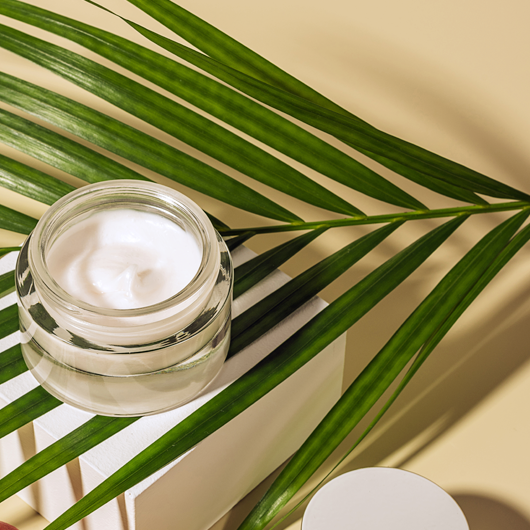


Top providers of skin brightening peels.
Choosing among the Top providers of skin brightening peels. starts with one question: do you need a controlled clinical procedure or a gentler routine for home use? The answer depends on discoloration, skin tone, sensitivity, budget, and tolerance for peeling or downtime. A brighter complexion should not require sacrificing your skin barrier.
Key Takeaways
- In-office peels deliver faster results for stubborn discoloration but require professional oversight and recovery time.
- Clean at-home brightening peels support gradual improvement with gentle active ingredients that protect your skin barrier.
- Your skin's sensitivity and tolerance for peeling should decide whether a clinical procedure or home regimen fits best.
- The top providers combine scientific rigor with safe, effective formulations that avoid harsh chemicals and unnecessary downtime.
I look at acid strength, treatment supervision, ingredient transparency, and long-term skin health before judging any peel system. Options such as the Ten's Up Skin-Tight Booster show how peptide-focused care can support a smoother, more radiant appearance alongside a thoughtful brightening routine.
Understanding Skin Brightening Peels: What You Need to Know Before You Choose
The Promise of Radiant, Even Skin: What Brightening Peels Aim to Achieve
A brightening peel uses exfoliating acids or enzymes to loosen dull surface cells and encourage a more even-looking complexion. Superficial formulas may improve the appearance of post-inflammatory hyperpigmentation, sun spots, uneven texture, and mild discoloration. They do not erase melanin or replace daily broad-spectrum sunscreen. More than 65% of chemical peel inquiries focus on post-inflammatory hyperpigmentation or melasma, according to Allure’s review of chemical peel concerns.
Navigating In-Office Treatments vs. At-Home Solutions
In-office systems are applied by trained professionals who can select an acid blend, adjust contact time, and assess your response. VI Peel, SkinMedica, ZO Skin Health, and Obagi are recognized names in clinical skincare, with protocols for specific concerns and varying degrees of exfoliation. The tradeoff is a higher per-treatment cost, appointment access, and possible redness, flaking, or several days of recovery.
At-home solutions generally use milder concentrations and give you more control over frequency. That may suit mild uneven tone, reactive skin, or a limited budget. A peptide-centered option such as Ten's Up Skin-Tight Booster can complement a complexion routine by supporting a smoother-looking surface, though persistent or changing pigmentation still warrants professional assessment.
Key Considerations for Safety and Efficacy: Acids, Skin Tones, and Sensitivity
Look beyond the word “brightening” on a label. Glycolic acid reaches more deeply than lactic acid, while mandelic acid is often selected for slower, gentler exfoliation. Salicylic acid may suit oily or blemish-prone skin. Tranexamic acid, azelaic acid, licorice extract, niacinamide, and vitamin C address discoloration through different pathways, so the full formula matters more than one featured ingredient.
Melanin-rich skin requires particular care. Research summarized by Ringpfeilder Dermatology reports that aggressive, unbuffered TCA peels can produce post-inflammatory hyperpigmentation up to three times more often in deeper skin tones. Irritation can activate excess pigment and cause rebound darkening. Hydroquinone requires medical oversight, since continuous misuse beyond 12 to 16 weeks has been linked with exogenous ochronosis, a blue-black discoloration, according to Dallas Dermatology Partners.
Your Skin's Unique Needs: Choosing the Right Path for Visible Results
Choose clinical care for melasma, stubborn discoloration, acne scarring, or a history of pigment complications requiring diagnosis and monitoring. A board-certified dermatologist or qualified medical provider can distinguish melasma from other lesions and account for Fitzpatrick skin type, medications, and barrier condition.
A measured at-home routine may fit mild dullness, occasional sun-related unevenness, or sensitivity to stronger procedures. Begin with intact, calm skin rather than peeling, sunburn, active eczema, or inflamed breakouts. Patch testing, slower application intervals, moisturizer support, and daily SPF 30 or higher can reduce unnecessary inflammation.
Top In-Office Skin Brightening Peel Providers: Precision Treatments for Dramatic Results

VI Peel: Advanced Formulations for Targeted Concerns
VI Peel is a well-known professional system used for uneven tone, acne, fine lines, and sun damage. Its formulations combine multiple exfoliating and brightening ingredients. The clinician chooses the version and protocol according to complexion, treatment goal, and tolerance. Peeling often develops after application, making the experience more structured than a casual at-home exfoliant.
Best for: adults seeking supervised treatment for visible discoloration, texture changes, or several concerns at once. Ask how the formula fits your Fitzpatrick type, whether pretreatment is needed, and which products must be paused before and after the appointment.
Other Notable Clinical Providers: SkinMedica, ZO Skin Health, and Obagi
SkinMedica, ZO Skin Health, and Obagi offer professional programs that may include chemical exfoliation, pigment-support products, retinoids, antioxidants, and post-treatment care. Their value often comes from the surrounding protocol rather than one appointment. A clinic may prepare the skin, perform a superficial or medium-depth treatment, then prescribe barrier care and pigment management.
Best for: people who want a coordinated regimen and will follow professional instructions over several weeks. Compare credentials, consultation process, total program cost, ingredient disclosures, and follow-up support. A recognizable brand name cannot replace individualized medical judgment.
Pros and Tradeoffs of Professional In-Office Peels
Clinical peels offer controlled application, stronger formulations, professional evaluation, and a response plan if irritation develops. They can suit established pigmentation that has not improved with consistent home care. Drawbacks include substantial fees, limited appointment access, and redness, tightness, flaking, or temporary sensitivity. Repeated procedures may disappoint if ultraviolet exposure or hormonal melasma remains unaddressed.
When to Opt for Clinical Treatments: Ideal Candidates and Expectations
Professional care makes sense when you need diagnosis, prescription support, or a stronger intervention than your skin can safely receive at home. Expect gradual progress rather than instant perfection. Results depend on sunscreen use, post-peel healing, pigment biology, and whether irritating products continue during recovery. Disclose pregnancy, medications, recent waxing, isotretinoin use, cold sore history, eczema, rosacea, and prior acid reactions.
The best provider will not pressure you into the strongest peel. They will explain superficial versus medium-depth treatment, discuss post-inflammatory pigmentation, and set a realistic maintenance plan. This helps you compare the Top providers of skin brightening peels. with a clear understanding of performance and risk.
Clean At-Home Skin Brightening Solutions: Botanical Power for Gentle, Lasting Radiance
Skin Perfection: Nature-Powered, Science-Backed Brightening
Skin Perfection takes a measured approach to complexion care. The brand combines botanical extracts, cosmetic acids, antioxidants, and clinically studied peptides to support a smoother, more even-looking surface instead of relying on aggressive lightening agents. This can suit anyone who has experienced redness, stinging, flaking, or dark marks after overusing strong exfoliants. A clean at-home formula should provide a clear ingredient list and realistic directions.
For peptide-focused support, the Ten's Up Skin-Tight Booster is a featured option for a routine centered on firmness and a refined-looking complexion. Peptides act as communication molecules in skin care, helping support the appearance of elasticity and smooth texture. Used with careful exfoliation and daily sun protection, Ten's Up Skin-Tight Booster can fit a low-irritation strategy.
Best for: people with mild uneven tone, dullness, early sun spots, or sensitivity to frequent clinical procedures. A formula you can apply thoughtfully, monitor, and pause at the first sign of irritation may serve your skin better than a powerful treatment that repeatedly disrupts the barrier.
Key Ingredients: AHAs, Peptides, and Botanical Tyrosinase Inhibitors
Alpha hydroxy acids, including lactic, mandelic, and glycolic acid, loosen bonds between surface cells so dull skin sheds more evenly. Lactic acid often provides a conditioning feel; mandelic acid has a larger molecular structure that may feel gentler for reactive or blemish-prone skin; glycolic acid offers more noticeable resurfacing but requires careful frequency and barrier support.
Peptides support the look of firmness and smoother texture, while botanical tyrosinase inhibitors address the enzyme involved in melanin production. Licorice extract, bearberry-derived arbutin, azelaic acid, tranexamic acid, niacinamide, and vitamin C can serve different roles. No single ingredient should carry the entire plan. A balanced formula, stable packaging, compatible moisturizer, and broad-spectrum SPF can reduce the chance that irritation creates new post-inflammatory hyperpigmentation.
The “Clean Beauty” Advantage: Avoiding Harsh Chemicals and Risks
Clean beauty is most useful when it means transparent formulation standards, sensible ingredient selection, and clear directions. Look for disclosed acid levels, fragrance information, preservative details, and warnings for pregnancy, eczema, rosacea, or compromised skin. EWG verification and Think Dirty listings can offer screening information, though neither replaces medical advice or a complete ingredient-list review.
Burning, persistent itching, cracking, or intense peeling signals stress, not necessarily progress. Hydroquinone misuse has been associated with exogenous ochronosis, a blue-black discoloration, when used continuously beyond 12 to 16 weeks without dermatologic cycling, according to Dallas Dermatology Partners. Botanical brighteners and gentle exfoliation do not remove every risk, but they can support a conservative plan.
Safe Application Protocols for Sensitive Skin and Deeper Tones
Apply an at-home peel only to calm, intact skin. Patch test first, avoid the eye area and corners of the nose, and do not combine several exfoliating acids with retinoids, benzoyl peroxide, scrubs, or waxing on the same schedule. Start at the lowest recommended frequency. If warmth becomes painful or redness lasts into the next day, rinse as directed, stop active products, and use a bland moisturizer until your barrier feels comfortable.
Deeper skin tones need careful control of inflammation. Aggressive, unbuffered TCA peels have been associated with post-inflammatory hyperpigmentation up to three times more frequently in melanin-rich skin, according to Ringpfeilder Dermatology. A slower superficial peel, consistent sunscreen, and gradual acid exposure may reduce pigment stimulation. Anyone with melasma, recurring dark marks, or a history of ochronosis should seek dermatologic guidance.
Pros and Cons of Clean At-Home Peeling Solutions
At-home care is a repeatable method for people who value access, ingredient visibility, and control over treatment timing. Results may appear gradually, and persistent pigmentation still requires diagnosis. A responsible provider or brand should explain application frequency, incompatible ingredients, and ultraviolet protection.
Clean At-Home Approach
Pros
- Lower routine cost than repeated office appointments
- More control over frequency, contact time, and recovery
- Botanical extracts and peptides can support tone and texture together
- Practical for mild discoloration and sensitive skin when introduced slowly
Cons
- Gradual progress may not suit advanced melasma or deep scarring
- Self-application requires careful reading and consistent sunscreen use
- Persistent or changing pigmentation still needs professional evaluation
Head-to-Head Comparison: In-Office vs. Clean At-Home Brightening Peels
Cost and Value: Investment vs. Accessibility
In-office treatments place assessment, application, and aftercare in trained hands. That supervision can justify a higher fee when discoloration is stubborn or diagnosis is uncertain. At-home systems reduce appointment costs and simplify maintenance, offering long-term value for mild tone irregularity. The Top providers of skin brightening peels. should be judged by consultation quality, follow-up, ingredient disclosure, and maintenance guidance, not product name alone.
Efficacy and Speed of Results: What to Expect
A clinical peel can create faster visible shedding because the provider controls acid selection, strength, and timing. Speed does not guarantee lasting correction. Melasma, acne marks, and sun-related pigmentation can return without sunscreen and trigger management. A clean at-home routine works through repeated superficial exfoliation, pigment-support ingredients, and barrier care, which may suit people prone to irritation or unable to accommodate pronounced peeling.
Downtime and Recovery: Peeling, Flaking, and Sensitivity
Professional treatments may cause tightness, redness, flaking, or several days of sensitivity. At-home products can also cause dryness and peeling, especially when used too often, but users can usually pause sooner and adjust the schedule. Neither category belongs on sunburn, eczema, open lesions, or an impaired moisture barrier.
Safety Profile: Ochronosis, Rebound Darkening, and Long-Term Skin Health
Clinical supervision helps when someone has melasma, a deeper skin tone, medication interactions, or a history of pigment rebound. At home, safety depends on conservative use and avoiding unmonitored lightening agents. Ochronosis is associated with prolonged hydroquinone misuse, while excessive acids can deepen post-inflammatory marks. Choose the option that includes sun protection, ingredient limits, recovery time, and a stopping plan.
Ingredient Transparency and “Clean” Formulations
Compare complete ingredient lists rather than marketing labels. A clinical system may offer a standardized acid blend, while a clean at-home product may disclose botanical extracts, peptides, antioxidants, and exfoliating acids for repeated use. Directions should identify frequency, contraindications, storage, and expected sensations.
Addressing Skin Adaptation: Strategies for Sustained Results
Skin can appear less responsive when the same exfoliating schedule continues without reassessing dryness, season, sun exposure, or other active products. Do not automatically increase acid strength. Alternate exfoliation with peptide and barrier-support days, reduce frequency during dry weather, and keep sunscreen consistent. A formula such as Ten's Up Skin-Tight Booster can support texture and firmness while brightening actives remain at a tolerable pace.
Fitzpatrick Scale Safety: Guidelines for All Skin Tones
The Fitzpatrick scale describes ultraviolet response but does not replace individual assessment. Types IV through VI may be more vulnerable to visible pigment changes after inflammation, while lighter types can also develop irritation and discoloration. A qualified provider should consider tone, prior reactions, melasma history, acne activity, and current routine.
| Comparison point | In-office peel | Clean at-home solution |
|---|---|---|
| Cost pattern | Higher cost per session, with professional consultation and follow-up | Lower entry cost and easier repeat access |
| Acid control | Provider selects strength, blend, and contact time | User follows label directions and controls frequency |
| Visible timing | Often faster surface shedding and more noticeable recovery | Usually gradual improvement through consistent use |
| Recovery needs | Redness, tightness, flaking, and sensitivity may require planned downtime | Lower-intensity routines can make recovery easier to manage |
| Best safety support | Useful for diagnosis, pigment history, and complex skin concerns | Works best with patch testing, conservative frequency, and daily SPF |
Your Personalized Brightening Peel Journey: Protocols and Expert Advice

Pre-Peel Preparation: Setting Your Skin Up for Success
Begin with a calm, intact barrier. For several days before an at-home peel, pause retinoids, scrubs, waxing, strong acne treatments, and other exfoliating acids unless a qualified professional advises otherwise. Use a gentle cleanser and fragrance-free moisturizer. Patch test near the jawline, and take a clear photo in natural light to track gradual changes.
Step-by-Step At-Home Peel Application Guide
- Cleanse and dry: Remove makeup, sunscreen, oil, and debris without scrubbing.
- Protect delicate areas: Apply a thin layer of bland moisturizer around the nostrils, lips, and eye contours.
- Apply sparingly: Follow label directions, use clean fingertips or the recommended applicator, and do not layer extra product.
- Respect contact time: Never extend the application period beyond the instructions. Rinse when directed.
- Replenish: Pat dry and apply a simple barrier-supporting moisturizer. Do not add another active treatment that evening.
Between exfoliation days, Ten's Up Skin-Tight Booster can support smoother texture and firmer-looking skin. Keep each active step purposeful.
Post-Peel Barrier Repair and Sun Protection: Essential for Radiance
After exfoliation, focus on hydration and protection. Use a gentle cleanser, non-irritating moisturizer, and broad-spectrum SPF 30 or higher every morning. Reapply during extended outdoor exposure and use a hat when practical. Do not pick flakes, since mechanical removal can create inflammation and darker marks. Persistent burning, swelling, blistering, or worsening discoloration calls for medical advice.
Building Tolerance: Strategies to Avoid Irritation and Purging
Start with the lowest suggested frequency and wait for evidence of tolerance before increasing use. Alternate peel nights with recovery nights that include moisturizer and, if suitable, the Ten's Up Skin-Tight Booster. Avoid introducing several new actives during one week. Intense redness, itching, painful bumps, or spreading dark patches are warning signs. Reduce frequency or stop while the barrier recovers.
When to Consult a Professional: Recognizing Limitations
Schedule a dermatology consultation for melasma, rapidly changing pigmentation, persistent acne scars, suspected ochronosis, recurring reactions, or discoloration that does not improve with careful home care. Professional evaluation is also wise before stronger acids on Fitzpatrick types IV through VI, during pregnancy, or while taking medications that affect skin sensitivity. A clinician can identify the cause and determine whether a superficial peel, prescription therapy, or non-exfoliating plan is appropriate.
Frequently Asked Questions
Which peel is best for skin brightening?
The best skin brightening peel depends on your discoloration, skin tone, sensitivity, and tolerance for peeling. Superficial professional peels such as VI Peel may suit persistent uneven tone under clinical supervision, while gentler lactic or mandelic acid products may fit mild dullness or sensitive skin. Daily broad-spectrum sunscreen remains essential.
Which chemical peels are best for lightening skin?
Chemical peels containing glycolic, lactic, or mandelic acid are commonly selected to improve the appearance of uneven tone and surface discoloration. Mandelic and lactic acid are often considered gentler options, while glycolic acid may provide stronger exfoliation. Melanin-rich or reactive skin benefits from cautious treatment planning to reduce irritation and rebound darkening.
Which brand of chemical peel is best?
No single chemical peel brand is best for everyone, but VI Peel, SkinMedica, ZO Skin Health, and Obagi offer recognized professional systems. Compare the provider’s credentials, acid blend, concentration range, preparation steps, recovery guidance, and follow-up care. A reputable clinic should match the peel to your skin type and pigmentation history.
What is the most effective skin peel?
The most effective skin peel is the one selected for the specific concern and applied at an appropriate strength. Professional evaluation may be the better path for melasma, stubborn discoloration, acne scarring, or prior pigment complications, while a mild at-home peel may suit occasional dullness. Stronger treatment does not always mean better results for long-term skin health.
Which is better for me, a chemical peel or a carbon peel?
A chemical peel may be better for surface discoloration and uneven texture, while a carbon peel may be considered for other cosmetic goals based on the device and clinic protocol. Skin tone, sensitivity, active irritation, budget, and downtime preferences should guide the choice. Consult a qualified provider before treating persistent or changing pigmentation.
How can people with deeper skin tones choose a brightening peel safely?
People with deeper skin tones should choose a supervised, carefully timed peel with a provider experienced in treating melanin-rich skin. Aggressive or poorly selected treatments can increase irritation and post-inflammatory hyperpigmentation, so ask about acid strength, preparation, recovery, and sun protection. Begin only with calm, intact skin.
What should you ask a peel provider before treatment?
A peel provider should explain the acid type, concentration range, application time, expected peeling, recovery period, contraindications, and sun-protection requirements. Ask whether pretreatment is needed, which products to pause, and how follow-up concerns will be handled. Clear answers are a good sign that the provider prioritizes skin barrier health alongside brightness.