

 Buy with Prime
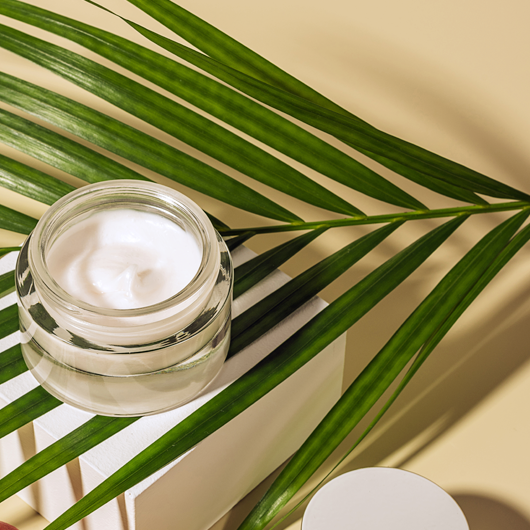


best vegan anti wrinkle serum for aging skin
If you’re assessing an anti-wrinkle serum for aging skin, start with the formula. Not the front label. Vegan status applies to the finished product and its processing aids. A lab-synthesized, non-animal-derived peptide does not confirm that the complete serum carries vegan certification.
Key Takeaways
- If you’re assessing an anti-wrinkle serum for aging skin, start with the formula.
- Vegan status applies to the finished product and its processing aids.
- A lab-synthesized, non-animal-derived peptide does not confirm that the complete serum carries vegan certification.
The Copper Peptide Regenerating Serum Booster contains 1% GHK Copper Peptide, also called lab-synthesized Copper Tripeptide-1. The ingredient is not derived from human or animal sources, but the information available here does not confirm vegan certification for the finished serum. Its cosmetic positioning is to support the appearance of smoother skin, fine lines, elasticity, and soothing.
How should you assess an anti-wrinkle serum for aging skin?
Assess an anti-wrinkle serum by checking its complete ingredient list, featured actives, preservation system, directions, and substantiated claims. Serums may improve the appearance of fine lines and dehydration, but cosmetic results vary from person to person. Vegan certification is a separate question from whether one ingredient has an animal-free origin.
Some shoppers compare anti-aging peptides such as Matrixyl, Argireline, or Syn-Coll, along with humectants such as hyaluronic acid. Those examples are not specifications for the Copper Peptide Regenerating Serum Booster. Its stated ingredients include Water, Leuconostoc/Radish Root Ferment Filtrate, a preservative derived from fermented radish roots, and lab-synthesized Copper Tripeptide-1.
Check the product packaging for current directions and certification information. The details available here do not explicitly establish vegan, organic, or additional cruelty-free certification for this booster. Ingredient sourcing and animal-testing policies describe different parts of a product’s history, so neither claim should be assumed from the other.
What benefits can anti-wrinkle serums provide?

A well-chosen serum adds a focused layer of cosmetic care to your routine. Copper peptides are short chains of amino acids associated with skin conditioning, while hydrating ingredients in other formulas, such as hyaluronic acid serum help skin look smoother and more supple. Research on peptide blends provides useful context, but findings from research should not be treated as a guarantee for every finished product.
Consistency and comfort matter, too. A formula you can use as directed is more practical than an aggressive product that causes irritation and ends up unused. If your skin is sensitive, patch-test a new product and seek professional advice about persistent irritation.
Bakuchiol is another ingredient some shoppers consider for an anti-aging routine. It is not an ingredient specification for the Copper Peptide Regenerating Serum Booster. Your response to any topical ingredient depends on your skin, existing routine, and frequency of use.
Research on skin hydration and topical cosmetic care helps explain why moisture can improve the look and feel of dry, lined skin. Research on topical ingredients and a clinical study on topical vitamin C can also help set realistic expectations for an anti-aging routine. Choose transparent formulation details over promises the available documentation cannot support.
References
PubMed reference: https://pubmed.ncbi.nlm.nih.gov/29947134/
PubMed reference: https://pubmed.ncbi.nlm.nih.gov/17966184/
PubMed reference: https://pubmed.ncbi.nlm.nih.gov/24305424/
PubMed search: https://pubmed.ncbi.nlm.nih.gov/?term=topical+retinoids+photoaging+systematic+review
PubMed search: https://pubmed.ncbi.nlm.nih.gov/?term=topical+vitamin+C+photoaging+clinical+study
NCBI Bookshelf reference: https://www.ncbi.nlm.nih.gov/books/NBK279255/